
The question “what’s a good yearly income?” is far more complex than it appears on the surface. It’s a deeply personal query, influenced by a myriad of factors that extend beyond mere numerical figures. While national averages and median incomes offer a statistical snapshot, they rarely capture the individual nuance of financial well-being. A “good” income isn’t a universal benchmark; rather, it’s a dynamic target shaped by lifestyle aspirations, geographical location, financial obligations, and long-term goals. For some, a good income means comfortably covering bills and enjoying occasional luxuries. For others, it signifies robust savings, aggressive investments, and the freedom to pursue passions without financial constraint.
In an era of rising living costs, economic volatility, and unprecedented access to information about others’ financial situations, defining what constitutes a “good” income has become both more critical and more elusive. This article will delve into the multifaceted nature of this question, moving beyond simple dollar figures to explore the components of financial wellness, strategies for increasing earning potential, and the psychological impact of income on overall life satisfaction. Ultimately, a good yearly income is one that aligns with your values, supports your desired lifestyle, and provides a pathway to financial security and freedom.
Beyond the Averages: Defining “Good” Income Personally
The journey to understanding what constitutes a “good” yearly income begins with a critical self-assessment, moving beyond generalized statistics and embracing the specificities of your own life. National averages and median household incomes provide interesting data points, but they are rarely prescriptive for an individual’s financial reality.
The Illusion of Averages: Why National Statistics Don’t Tell Your Story
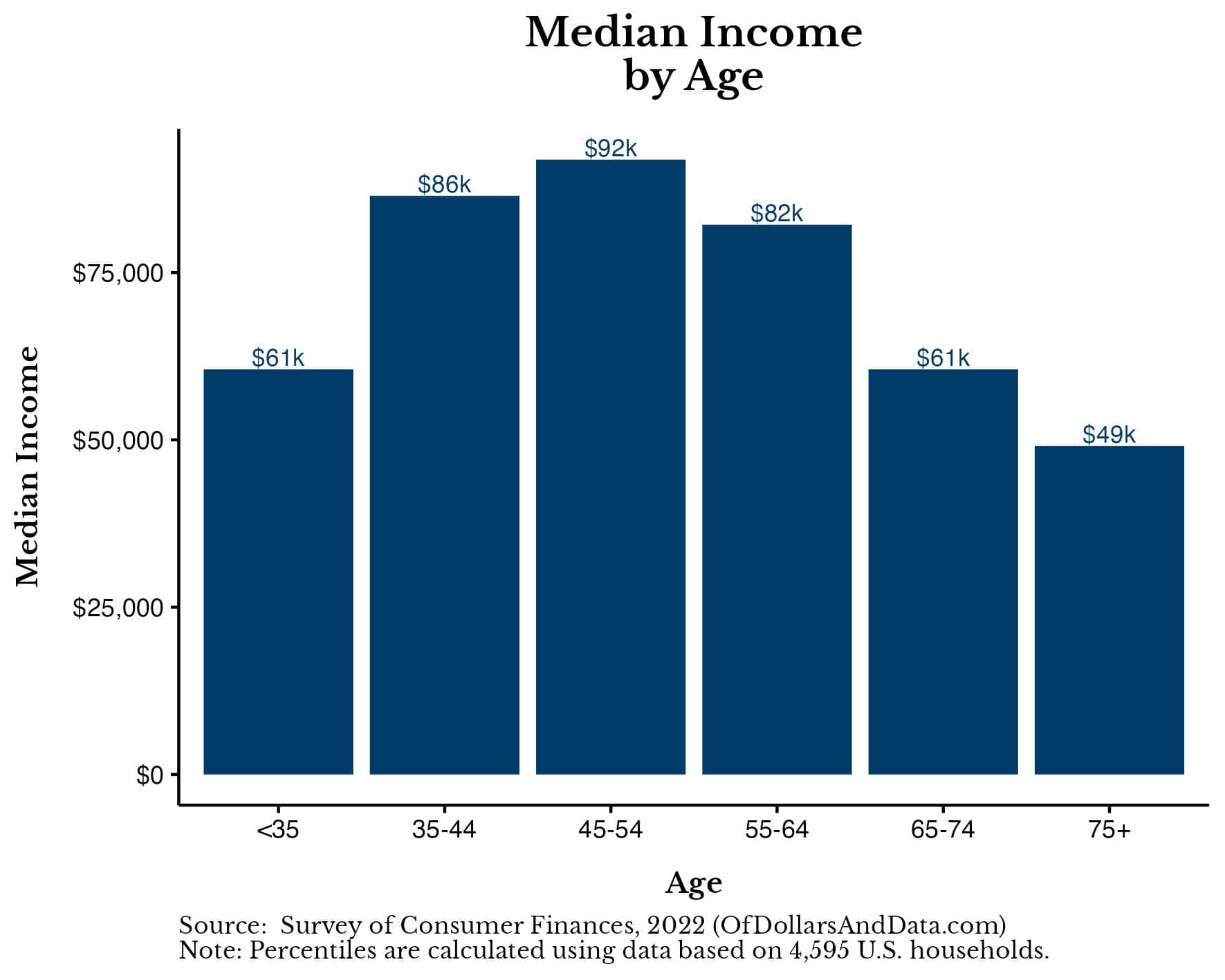
When you see reports stating the average household income in a country or region, it’s essential to remember that these figures are broad strokes. An average can be skewed by extremely high earners, and a median income (the point where half earn more and half earn less) provides a better central tendency but still doesn’t account for individual circumstances. These statistics don’t differentiate between single-earner households and dual-income families, nor do they factor in age, experience, industry, or critical cost-of-living differences. For instance, a “good” income in a rural town in the Midwest will look vastly different from a “good” income in San Francisco or New York City, where housing costs alone can consume a significant portion of earnings. Relying solely on these averages can lead to an unhelpful comparison that either creates undue pressure or fosters a false sense of security. Your financial picture is unique, and your definition of “good” must reflect that.
Lifestyle Expectations: Your Vision of Comfort and Security
What does your ideal life look like? This is perhaps the most crucial question when determining a “good” income. Do you dream of extensive international travel, owning a spacious home, sending your children to private schools, or dining out frequently? Or do you find contentment in a simpler existence, perhaps prioritizing experiences over material possessions, or valuing a strong work-life balance that might come with a more moderate income? Your lifestyle expectations directly dictate your financial needs. A good income for someone aspiring to early retirement and minimalist living will be different from someone aiming to accumulate luxury assets and maintain a high-spending social life. Take time to envision your desired lifestyle, considering both immediate comforts and future aspirations. This vision will serve as a foundational guide for setting your personal income benchmarks.
Geographical Nuances: The Cost of Living Spectrum
Location, location, location – this real estate mantra applies equally to personal finance. The cost of living varies dramatically from one city or region to another, even within the same country. Housing, transportation, groceries, healthcare, and local taxes can fluctuate wildly. For example, an income of $70,000 might afford a comfortable, middle-class lifestyle in a smaller city, allowing for savings and discretionary spending. However, that same $70,000 in a major metropolitan area like Boston or Seattle might barely cover rent and basic necessities, leaving little room for financial growth or leisure. Understanding the specific cost of living in your current or desired location is paramount. Utilize online cost-of-living calculators to compare expenses and adjust your income expectations accordingly. What is deemed “good” is fundamentally tethered to how much it costs to live and thrive in your specific geographical context.
The Pillars of Financial Wellness: What Income Supports
A “good” yearly income isn’t merely about the number on a paycheck; it’s about what that income enables you to achieve in terms of financial health and stability. It’s the foundation upon which true financial wellness is built, allowing you to not only meet your needs but also to plan for a secure and prosperous future.
Covering Essentials: Needs vs. Wants
At its most fundamental level, a good income must comfortably cover your essential needs: housing, utilities, food, transportation, basic healthcare, and necessary insurance. These are the non-negotiable expenses that keep a roof over your head, food on your table, and ensure your basic well-being. Once these essentials are met, a truly “good” income allows for a healthy distinction between needs and wants. Wants are discretionary expenses that enhance your life but aren’t strictly necessary—things like dining out, entertainment, vacations, new gadgets, or designer clothing. A good income provides the buffer to enjoy some of these wants without compromising your ability to pay for needs or save for the future. It removes the daily stress of scarcity and allows for a sense of comfort and ease.
Debt Management and Reduction: Freeing Up Future Income
One of the most significant indicators of financial wellness, and what a good income helps facilitate, is effective debt management. Carrying high-interest debt, such as credit card balances or significant personal loans, can be a massive drain on your monthly income, regardless of its size. A good yearly income provides the means to aggressively pay down and ultimately eliminate costly debt. By freeing up income that would otherwise go towards interest payments, you create more disposable income for savings, investments, or discretionary spending. This strategic debt reduction is a crucial step towards financial freedom, transforming liabilities into opportunities for wealth building.
Building an Emergency Fund: Your Financial Safety Net
Life is unpredictable, and unexpected expenses are an inevitable part of it. A medical emergency, a sudden job loss, major car repairs, or home maintenance issues can quickly derail even the most carefully constructed financial plans if you don’t have a safety net. A “good” income enables you to systematically build and maintain a robust emergency fund – typically 3 to 6 months’ worth of essential living expenses, kept in an easily accessible, liquid savings account. This fund acts as a crucial buffer, preventing you from going into debt when unforeseen circumstances arise and providing immense peace of mind. It transforms potential crises into manageable inconveniences.
Investing for the Future: Retirement and Long-Term Goals
Beyond covering present needs and handling immediate emergencies, a good yearly income is pivotal for securing your future. This means having the capacity to regularly contribute to retirement accounts (like 401(k)s, IRAs), saving for a down payment on a home, funding your children’s education, or pursuing other long-term financial goals. Consistent investing, even modest amounts, can leverage the power of compound interest to build significant wealth over time. A good income frees up capital to not only meet these future objectives but also to take calculated risks that can accelerate wealth accumulation, such as investing in stocks, bonds, or real estate. It shifts the focus from merely surviving to strategically thriving in the long run.
Strategies for Increasing Your Earning Potential
Once you have a clear understanding of what a “good” income means for you, the next logical step is to explore how to achieve or exceed that target. Increasing your earning potential is a multifaceted endeavor, requiring a combination of self-investment, strategic career management, and often, an entrepreneurial mindset.
Skill Development and Education: Investing in Yourself
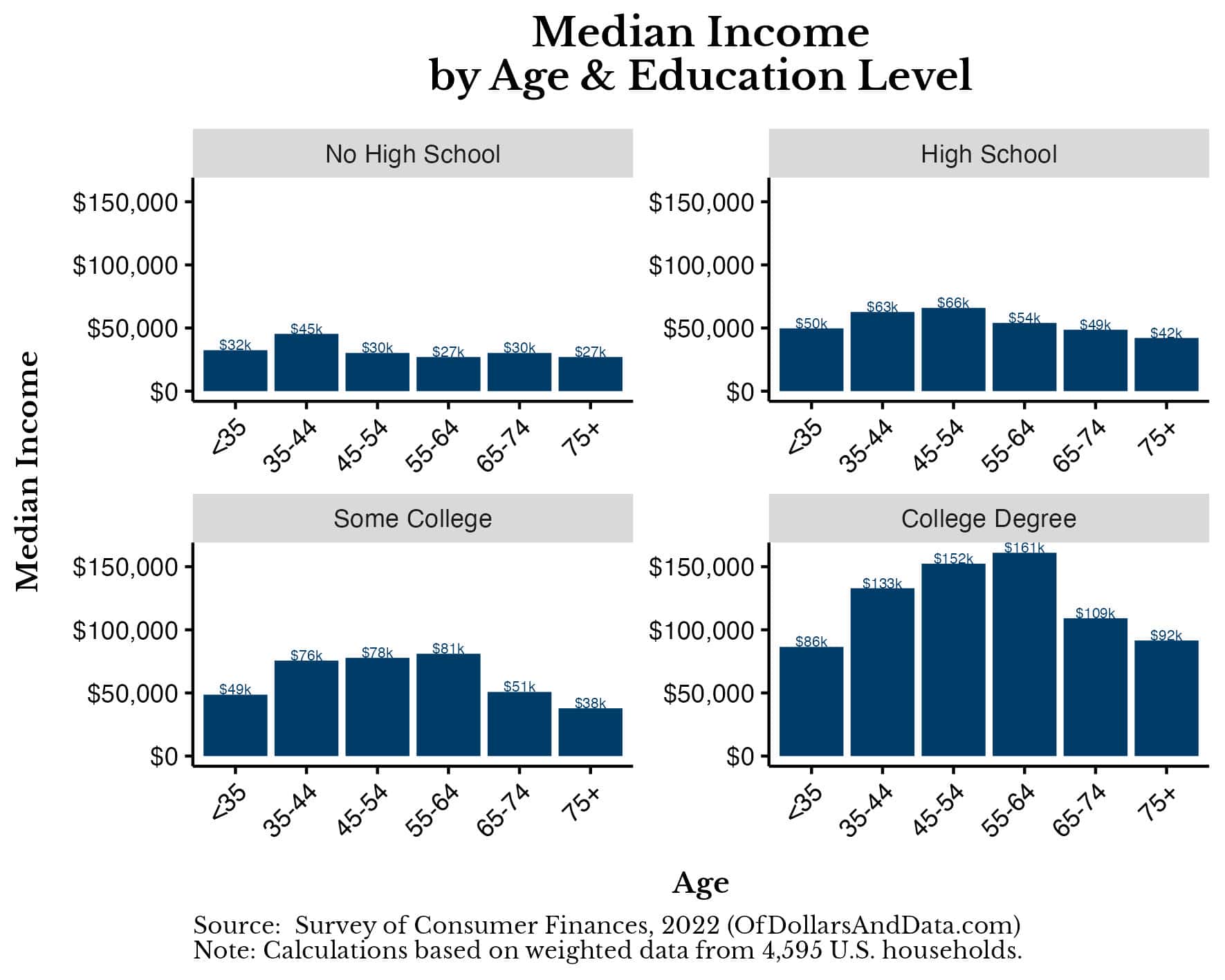
In today’s rapidly evolving job market, continuous learning is not just an advantage, but a necessity. Investing in your skills and education is one of the most reliable ways to boost your income. This could mean pursuing a higher degree, obtaining industry-recognized certifications, learning new software or languages, or mastering “soft skills” like leadership, communication, and project management. Online courses, workshops, bootcamps, and even self-study through books and tutorials offer accessible pathways to skill enhancement. By making yourself more valuable to employers or clients, you increase your leverage for higher salaries and better opportunities. Think of it as investing in your human capital, which often yields excellent returns.
Career Advancement and Negotiation: Maximizing Your Primary Income
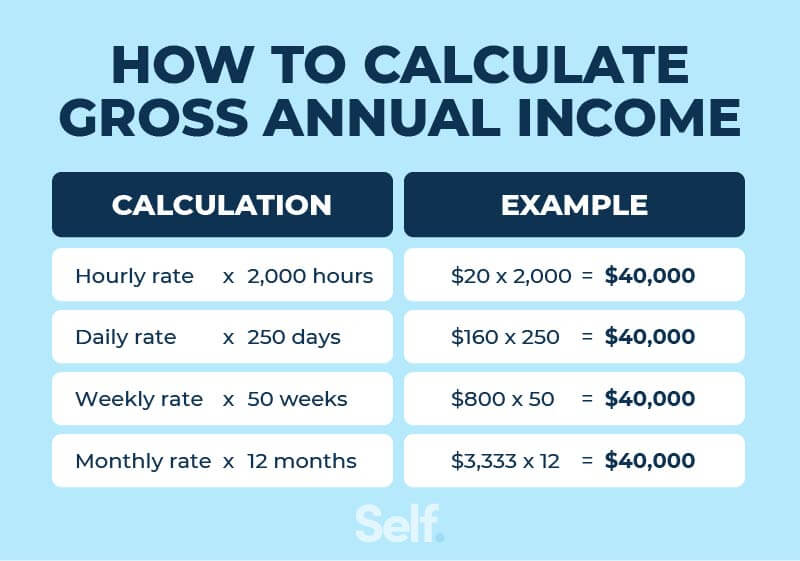
For most individuals, their primary job is their largest source of income. Maximizing this stream involves strategic career planning and effective negotiation.
-
Performance and Value: Consistently exceed expectations in your current role, take on additional responsibilities, and visibly contribute to your organization’s success. Document your achievements and quantify your impact whenever possible.
-
Internal Promotion: Look for opportunities to move up within your existing company. Often, internal promotions come with significant salary bumps and increased responsibilities.
-
Job Hopping: Sometimes, the fastest way to a substantial pay raise is to move to a new company, especially if you’ve been with your current employer for several years without significant salary growth.
-
Salary Negotiation: Never accept the first offer. Research industry benchmarks for your role, experience, and location. Confidently negotiate your starting salary for a new role or advocate for a raise during performance reviews. Be prepared to articulate your value and worth.
Diversifying Income Streams: Side Hustles and Passive Income
Relying solely on a single income source can be risky. Exploring side hustles and passive income opportunities can not only increase your yearly income but also provide a buffer against unexpected job loss.
-
Side Hustles: These are active ways to earn extra money outside of your primary job. This could include freelancing in your field (e.g., writing, graphic design, consulting), driving for a rideshare service, delivering food, pet-sitting, tutoring, or selling handmade goods. The key is to leverage existing skills or develop new ones that have market demand.
-
Passive Income: This involves setting up income streams that require minimal ongoing effort once established. Examples include investing in dividend stocks or real estate (rental properties), creating and selling digital products (e-books, online courses, stock photos), affiliate marketing, or starting a blog with ad revenue. While “passive” income often requires significant initial effort or capital, it can provide consistent returns over time, contributing significantly to your overall yearly income.
Entrepreneurship and Business Ventures: Creating Your Own Economy
For those with an entrepreneurial spirit, starting your own business offers the ultimate control over your earning potential. Whether it’s a small service-based business, an e-commerce store, or a scalable startup, entrepreneurship allows you to define your own value and directly benefit from your efforts. While it comes with higher risks and demands significant time and effort, the potential for income growth is often limitless, far exceeding what can be achieved in traditional employment. This path requires a strong business plan, market understanding, resilience, and a willingness to learn and adapt.
The Psychological and Emotional Aspects of Income
While numbers and financial strategies are crucial, the concept of a “good” yearly income extends deeply into our psychological and emotional well-being. Money is often intertwined with feelings of security, freedom, status, and even happiness. Understanding these aspects helps in forming a more holistic view of financial satisfaction.
Income and Happiness: The Paradox of More
Research consistently shows that while increased income does correlate with increased happiness and life satisfaction up to a certain point, the relationship isn’t linear forever. Studies, famously one by Princeton University economists Daniel Kahneman and Angus Deaton, suggested that emotional well-being tends to plateau at an income of around $75,000 per year (though this figure is constantly debated and varies by location and time). Beyond this threshold, more money doesn’t necessarily translate into significantly greater daily happiness, though it can still improve life evaluation (how you perceive your life overall). The paradox lies in the fact that while more money can reduce stress and open doors to experiences, the pursuit of ever-higher incomes can also lead to increased work hours, less leisure time, and a constant comparison to others, potentially diminishing overall happiness. A “good” income, therefore, is one that provides enough to live comfortably and pursue your passions, without becoming an all-consuming quest that detracts from other sources of joy.
Financial Stress and Mental Well-being
Conversely, insufficient income or an overwhelming amount of debt can be a significant source of chronic stress, profoundly impacting mental and physical health. The constant worry about making ends meet, providing for family, or avoiding bankruptcy can lead to anxiety, depression, sleep disturbances, and a reduced quality of life. A good yearly income alleviates much of this financial stress. It allows for a sense of control, reduces the cognitive burden of scarcity, and frees up mental energy to focus on other aspects of life, such as relationships, personal growth, and hobbies. The peace of mind that comes with financial stability is an invaluable, if often unquantified, benefit of a sufficient income.
The Role of Financial Literacy in Contentment
It’s not just the amount of money you earn, but how you manage it, that contributes to financial contentment. High earners can still experience financial stress and unhappiness if they lack financial literacy—if they spend beyond their means, fail to save, or make poor investment decisions. Conversely, individuals with more modest incomes can achieve remarkable levels of financial stability and satisfaction through diligent budgeting, smart saving, and thoughtful investing. Financial literacy empowers individuals to make informed decisions, control their financial destiny, and derive maximum benefit from their income, whatever its level. A “good” yearly income, therefore, is most effective when paired with the knowledge and discipline to manage it wisely, leading to lasting contentment.
Setting and Achieving Your Income Goals
Defining and reaching your personal “good yearly income” requires a methodical approach. It’s not about wishing for a number, but about strategizing and taking actionable steps. This final section outlines a framework for setting realistic income goals and developing a roadmap to achieve them.
Assessing Your Current Financial Situation
Before you can set meaningful goals, you need a clear picture of where you stand.
-
Track Your Spending: Use budgeting apps, spreadsheets, or even a pen and paper to meticulously track every dollar you spend for a month or two. This will reveal exactly where your money is going and identify areas for potential savings.
-
Calculate Your Net Worth: Sum up all your assets (savings, investments, property, etc.) and subtract all your liabilities (debts like mortgages, loans, credit card balances). Your net worth is a snapshot of your financial health.
-
Review Income and Expenses: Compare your total monthly income to your total monthly expenses. Are you operating at a surplus or a deficit? This will inform how much more income you might need or how much you can reallocate.
This assessment provides the baseline from which to build your income goals.
Crafting Realistic and Measurable Goals
With your financial baseline established, you can now define what “a good yearly income” means for you in concrete terms.
-
Quantify Your Desired Lifestyle: Based on your lifestyle expectations and geographical costs, calculate an annual figure that covers your needs, desired wants, debt payments, emergency fund contributions, and investment goals. This is your target “good income.”
-
Break Down Goals: Instead of just an annual figure, break it down into monthly or even weekly targets. This makes the goal less daunting and easier to track.
-
SMART Goals: Ensure your income goals are Specific, Measurable, Achievable, Relevant, and Time-bound. For example, instead of “I want more money,” aim for “I will increase my yearly income by $15,000 within the next 18 months through a promotion or a new job.”
-
Prioritize: If your ideal income seems a long way off, set interim goals. What’s the next logical step that will get you closer?
Developing a Strategic Action Plan
Goals are just dreams without a plan. Your action plan details the specific steps you will take to increase your income.
-
Skill Development Plan: Identify specific skills or certifications that would enhance your earning potential and outline how you will acquire them (e.g., “Complete Python certification by October”).
-
Career Advancement Steps: If seeking a raise, list your accomplishments and prepare your negotiation strategy. If looking for a new job, update your resume, network, and identify target companies.
-
Income Diversification Strategy: Research potential side hustles or passive income streams. Set targets for initial earnings (e.g., “Earn an extra $500 per month freelancing by year-end”).
-
Budgeting and Saving: Refine your budget to ensure you are maximizing savings and investing towards your goals.
-
Timeline: Assign realistic deadlines to each step in your plan.
Regular Review and Adaptation
Financial landscapes and personal circumstances are dynamic. Your income goals and strategies should be too.
-
Monthly/Quarterly Reviews: Regularly check your progress against your action plan. Are you meeting your targets? What adjustments need to be made?
-
Annual Reassessment: At least once a year, reassess your overall financial situation, update your net worth, and re-evaluate your long-term goals. Has your desired lifestyle changed? Have economic conditions shifted?
-
Flexibility: Be prepared to adapt your plan as new opportunities arise or unexpected challenges emerge. Life rarely follows a linear path, and your financial strategy should be agile enough to navigate its twists and turns.
In conclusion, “what’s a good yearly income?” is a deeply personal and evolving question. It’s not just about a numerical value but about achieving a sense of financial security, freedom, and contentment that aligns with your individual aspirations. By understanding your personal needs, diligently planning, continuously investing in yourself, and adapting to change, you can define and ultimately achieve the income level that is truly “good” for you.
aViewFromTheCave is a participant in the Amazon Services LLC Associates Program, an affiliate advertising program designed to provide a means for sites to earn advertising fees by advertising and linking to Amazon.com. Amazon, the Amazon logo, AmazonSupply, and the AmazonSupply logo are trademarks of Amazon.com, Inc. or its affiliates. As an Amazon Associate we earn affiliate commissions from qualifying purchases.