
Determining your appropriate pay rate is one of the most critical financial decisions you’ll face, whether you’re starting a new job, seeking a promotion, negotiating a freelance contract, or simply evaluating your current compensation. It’s a complex equation influenced by a myriad of factors, from your individual skills and experience to broader market dynamics and the economic health of your industry. Getting it right isn’t just about maximizing income; it’s about valuing your contributions, securing financial stability, and positioning yourself for future growth.
This comprehensive guide will demystify the process, offering a strategic framework to help you pinpoint your ideal pay rate. We’ll explore the key components that drive compensation, equip you with the tools for thorough research, delve into the intricacies of total compensation, and provide actionable advice for confidently negotiating what you deserve. Ultimately, understanding your worth is the first step toward securing it.

Understanding the Core Factors Influencing Your Pay Rate
Before you can confidently name a figure, it’s essential to grasp the various internal and external forces that shape compensation across different roles and industries. A holistic understanding of these factors will form the bedrock of your pay rate assessment.
Market Value and Industry Benchmarks
The foundational element in determining your pay rate is its market value. This refers to what employers are willing to pay for a particular skill set, role, and level of experience in a specific geographical area. Market value is dynamic, shifting with economic conditions, demand for certain talents, and technological advancements.
-
Industry Standards: Different industries have vastly different pay scales. A software engineer in tech, for example, will command a different salary range than a marketing specialist in a non-profit, even with comparable experience levels. Researching average salaries within your specific industry is crucial.
-
Geographical Location: Pay rates can vary dramatically based on the cost of living and the concentration of businesses in a particular region. A senior role in New York City or San Francisco will typically offer higher compensation than the same role in a smaller, less expensive city, primarily due to the higher cost of living and greater competition for talent.
-
Demand for Skills: Highly specialized or in-demand skills (e.g., AI/ML expertise, cybersecurity, advanced data analytics) often command premium rates due to a limited supply of qualified professionals. Staying abreast of emerging skill demands can significantly boost your earning potential.
Your Skills, Experience, and Education
While external market forces set broad parameters, your individual attributes play a significant role in where you land within those ranges. Your personal capital is a powerful differentiator.
-
Relevant Experience: The depth and breadth of your professional experience are primary drivers of pay. More years in a similar role, especially with demonstrated achievements and increasing responsibilities, generally translate to higher compensation. Specific, quantifiable accomplishments are particularly valuable.
-
Specialized Skills and Certifications: Beyond general experience, possessing niche skills or industry-recognized certifications can set you apart. These demonstrate a commitment to excellence and often indicate a higher level of proficiency, justifying a higher pay rate. Examples include Project Management Professional (PMP), Certified Public Accountant (CPA), or specific software proficiencies.
-
Educational Attainment: While not always the sole determinant, higher education (e.g., Master’s degrees, PhDs) can open doors to more senior roles and higher earning potential, particularly in fields requiring advanced theoretical knowledge or research capabilities. The prestige of your institution and your specific field of study can also play a role.
Company Size, Type, and Financial Health
The organization you work for, or are looking to work for, also has a direct impact on its ability and willingness to compensate you.
-
Company Size: Large, established corporations often have more structured pay scales and may offer higher salaries and more extensive benefits packages compared to smaller startups or non-profits. However, smaller companies might offer equity or more rapid career advancement as alternative forms of compensation.
-
Industry and Profitability: Companies in highly profitable industries with strong revenue growth are generally in a better position to offer competitive salaries and bonuses. Their ability to pay is directly linked to their financial success.
-
Company Culture and Benefits: While not directly monetary, a company’s culture, work-life balance initiatives, and non-monetary perks (e.g., remote work flexibility, generous PTO, professional development budgets) can indirectly influence your perceived overall compensation and desirability of a role, potentially allowing for a slightly lower base salary if other benefits are exceptionally strong.
The Specifics of Your Role and Responsibilities
Finally, the precise nature of the job itself—its scope, impact, and criticality—is paramount.
-
Job Title and Level: Different job titles often correspond to different pay bands, reflecting increasing levels of responsibility, autonomy, and strategic impact. A “Manager” will typically earn more than an “Associate,” and a “Director” more than a “Manager.”
-
Scope of Responsibilities: How many direct reports do you have? Are you managing significant budgets? What is the potential impact of your decisions on the company’s bottom line? Roles with broader scope, greater accountability, and higher strategic importance naturally command higher pay.
-
Complexity and Problem-Solving: Roles that require innovative problem-solving, advanced analytical thinking, or navigating complex technical or business challenges are often compensated at a higher rate due to the specialized cognitive demands.
Strategies for Researching Your Ideal Pay Rate
Once you understand the underlying factors, the next step is to translate that knowledge into concrete figures. Thorough research is your most potent tool in this endeavor, providing objective data to support your desired pay rate.
Leveraging Online Salary Tools and Databases
The digital age has brought an unprecedented level of transparency to compensation data. Numerous online platforms aggregate and provide insights into salary ranges for various roles.
-
Glassdoor, LinkedIn Salary, Salary.com, Indeed Salaries: These platforms allow you to search for specific job titles, industries, and locations to see average salary ranges. They often break down compensation by experience level, company size, and even offer insights into benefits. Be sure to input as many relevant filters as possible for the most accurate results.
-
Specialized Industry Surveys: Many professional organizations (e.g., IEEE for engineers, AMA for marketers, AICPA for accountants) publish annual salary surveys that provide highly specific data for their respective fields. These can be more accurate for niche roles.
-
Government Labor Statistics: Agencies like the Bureau of Labor Statistics (BLS) in the U.S. provide broad occupational wage data that can offer a baseline understanding of general compensation trends across different sectors.
Networking and Informational Interviews
While online tools are valuable, real-world insights from people in your field can provide nuanced perspectives that data alone cannot capture.
-
Tap into Your Professional Network: Reach out to former colleagues, mentors, or industry peers. Ask them about typical compensation for roles similar to yours, what factors influence pay in their organizations, and if they have any advice on negotiating.
-
Conduct Informational Interviews: If you’re considering a new industry or a significant career pivot, schedule informational interviews with professionals in target roles. While directly asking “What do you make?” might be inappropriate, you can ask about “typical compensation structures,” “salary expectations for someone with X background,” or “what kind of salary growth can one expect in this role?”
-
Professional Associations and Forums: Many professional associations have members-only forums or events where compensation discussions might occur. These can be invaluable for gaining insider perspectives.
Reviewing Job Postings and Industry Reports
Job advertisements aren’t just for applying; they’re also a rich source of compensation data.
-
Analyze Job Descriptions: Look for roles similar to what you’re targeting on major job boards (e.g., LinkedIn, Indeed, Monster). Pay attention to the required skills, experience, and responsibilities. Some postings (especially in certain regions or by progressive companies) may even include salary ranges, offering direct data points.
-
Identify Common Denominators: Even if specific salary figures aren’t provided, noting the level of experience, required certifications, and advanced skills requested can give you a strong indication of the expected pay band for those roles.
-
Consult Industry-Specific Publications and News: Trade journals, business news outlets, and market research firms often publish reports on compensation trends, talent shortages, and salary forecasts for various sectors.
Considering Regional and Cost-of-Living Adjustments
Remember that nominal pay (the dollar amount) doesn’t always reflect real purchasing power.
-
Cost-of-Living Index: Use online calculators to compare the cost of living between different cities or regions. A $70,000 salary in a low-cost area might offer a higher quality of life than an $85,000 salary in a high-cost urban center.
-
Local Market Dynamics: Even within the same country, states or cities can have wildly different demand for certain skills. Understand the specific economic landscape of your target location.
-
Remote Work Considerations: If you’re working remotely for a company based in a high-cost area, discuss whether their pay scales are adjusted for your lower-cost location or if they maintain a consistent, higher pay rate regardless of your geography. This is a common negotiation point in the remote-work era.
Calculating Your Desired Pay Rate: Beyond the Base Salary
Your “pay rate” extends far beyond the number on your bi-weekly paycheck. A comprehensive understanding involves evaluating your personal financial needs and analyzing the full spectrum of compensation offered.
Your Personal Financial Needs and Goals
Before looking at what the market offers, look inward. What do you need and want financially?
-
Create a Detailed Budget: Understand your monthly expenses—housing, utilities, food, transportation, debt payments (student loans, credit cards, car loans), insurance, and discretionary spending. This gives you your absolute minimum required income.
-
Factor in Savings and Investments: Beyond just covering expenses, consider your financial goals: retirement savings, emergency fund contributions, down payments for a home, children’s education, or travel. Your ideal pay rate should enable you to meet these long-term objectives.
-
Debt Repayment Strategy: If you have significant debt, a higher pay rate can accelerate your repayment, freeing up future income and reducing stress. Account for this in your calculation.
Total Compensation Package Analysis
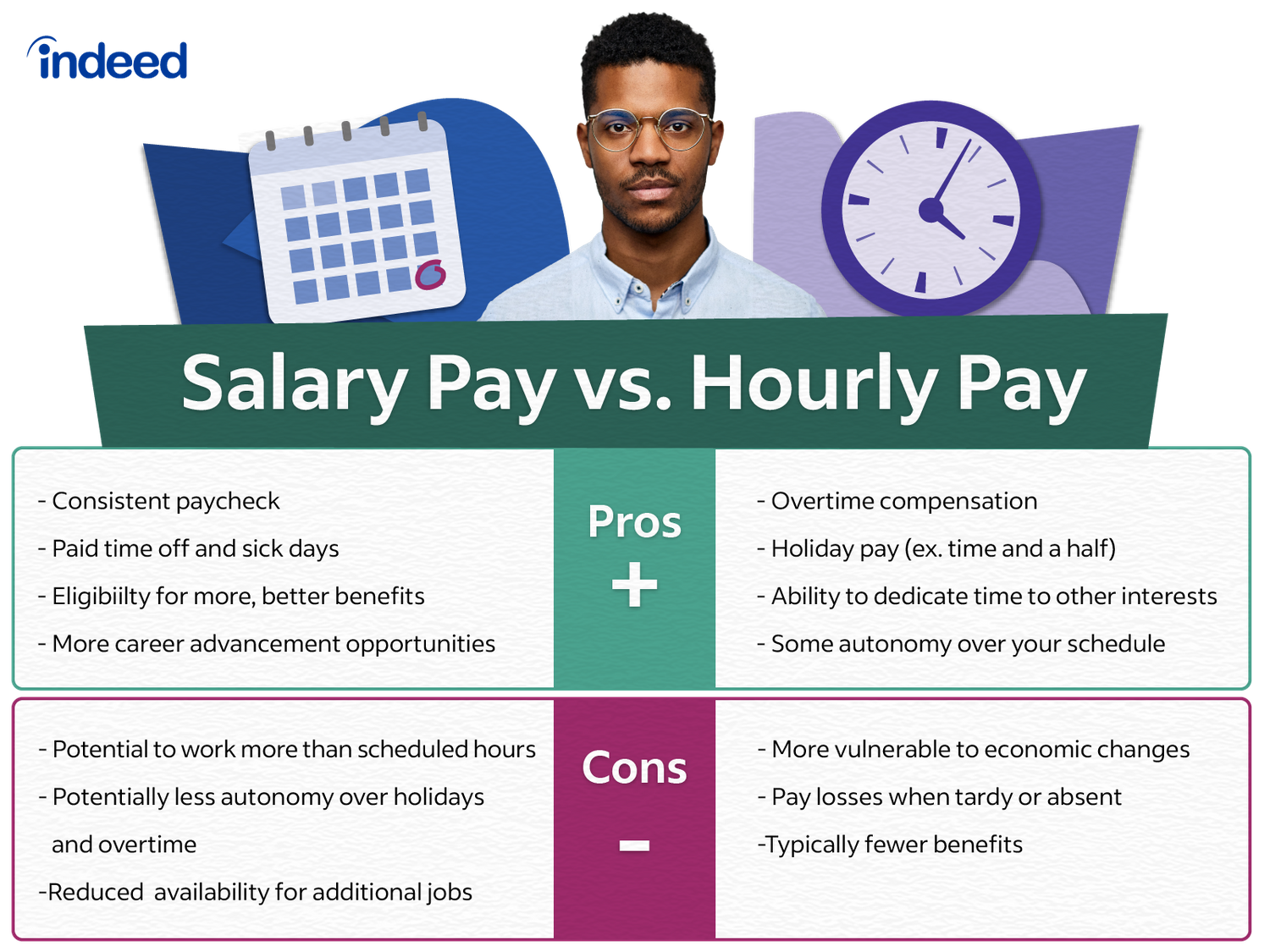
Many employers offer a package that includes more than just your base salary. This “total compensation” can significantly boost your overall financial well-being.
-
Health and Wellness Benefits: Medical, dental, vision insurance, life insurance, disability insurance, wellness programs. Understand the costs to you (premiums, deductibles, co-pays) and the value of these benefits. A robust health plan can be worth thousands annually.
-
Retirement Contributions: Employer-matched 401(k)s, pension plans, or other retirement savings contributions are essentially “free money” and a crucial part of your long-term financial security. Don’t underestimate their value.
-
Bonuses and Incentives: Performance bonuses, sign-on bonuses, profit-sharing, and sales commissions can add a substantial amount to your annual earnings. Understand the structure and likelihood of these payouts.
-
Equity/Stock Options: Especially common in startups and tech companies, stock options, Restricted Stock Units (RSUs), or other forms of equity can offer significant long-term wealth potential if the company performs well. Understand vesting schedules and potential future value.
-
Paid Time Off (PTO): Generous vacation, sick days, and holidays have a monetary value. Consider the flexibility and amount of time off offered.
-
Professional Development: Tuition reimbursement, training programs, conference attendance allowances, and certification support can save you money and enhance your future earning capacity.
The Freelancer’s Perspective: Hourly vs. Project Rates
For freelancers, calculating a pay rate involves additional considerations beyond an employee’s salary.
-
Account for Overhead: Freelancers must cover their own taxes (self-employment taxes are higher), health insurance, retirement contributions, software licenses, office space, utilities, marketing, and professional development. These often add 30-50% to an employee’s equivalent gross pay.
-
Non-Billable Time: Research, administrative tasks, marketing, proposals, and client communication are necessary but often unpaid. Your rate must compensate for this time.
-
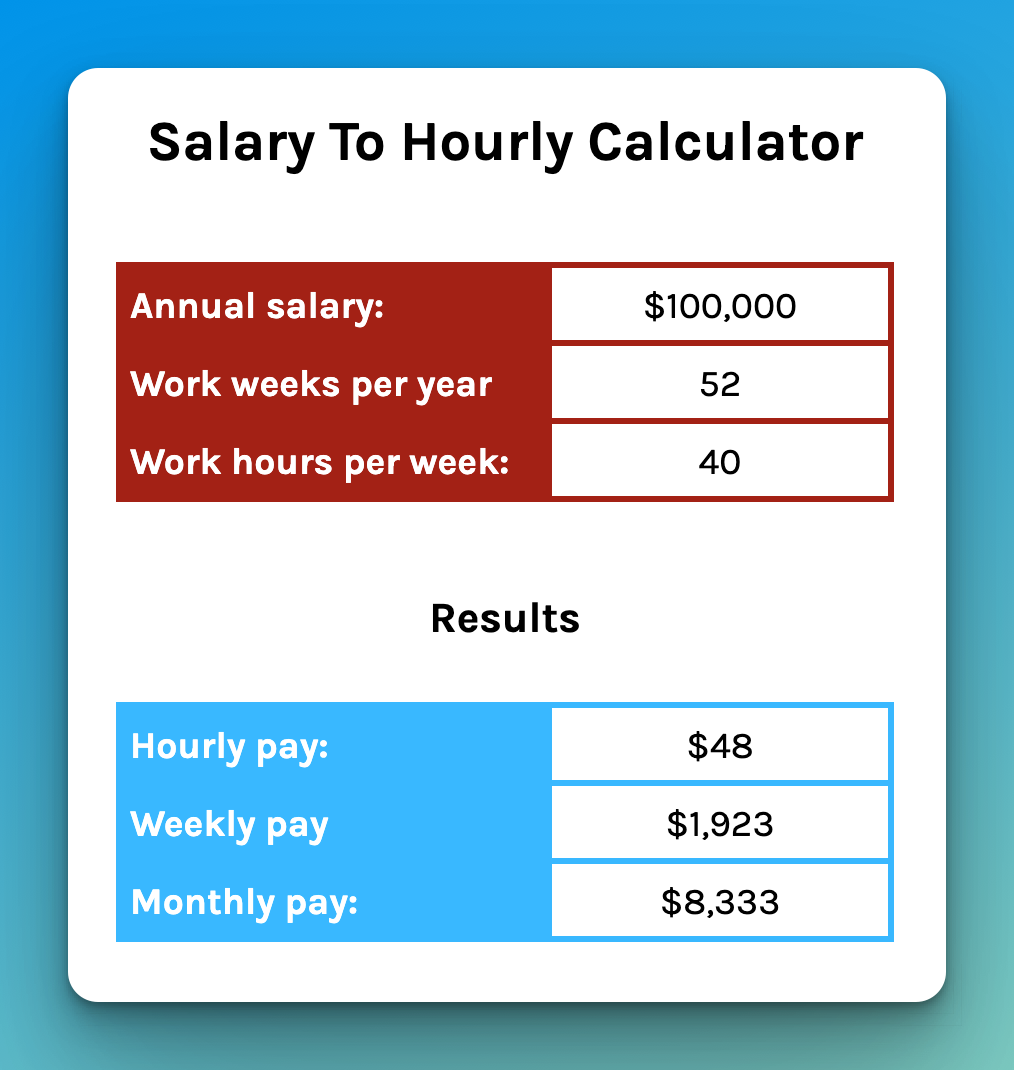
Desired Annual Income: Start with your desired annual income, then add overhead and taxes. Divide this by your realistic number of billable hours per year (factoring in holidays, sick days, and non-billable time) to arrive at a base hourly rate.
-
Project-Based Pricing: For project work, estimate the total hours, apply your hourly rate, and then add a buffer for unforeseen issues. Value-based pricing (charging based on the value you deliver, not just your time) can also be a powerful strategy for experienced freelancers.
Long-Term Growth Potential and Career Trajectory
Sometimes, a slightly lower initial offer might be acceptable if the role offers significant opportunities for rapid growth and higher future earning potential.
-
Clear Career Path: Does the company offer a clear path for advancement and promotions?
-
Skill Development: Will this role expose you to new skills, technologies, or industries that will make you more marketable in the future?
-
Mentorship and Networking: Will you have access to mentors or high-value networking opportunities that could accelerate your career?
Evaluating these non-monetary long-term benefits is crucial for a holistic assessment of any pay rate.
Negotiating Your Pay Rate with Confidence
Armed with thorough research and a clear understanding of your value, the final step is to confidently advocate for the pay rate you deserve. Negotiation is not a battle; it’s a collaborative discussion aimed at finding a mutually beneficial agreement.
The Power of Preparation: Know Your Value
Confidence in negotiation stems directly from preparation.
-
Articulate Your Value Proposition: Clearly outline your skills, experience, and accomplishments relevant to the role. Quantify your achievements whenever possible (e.g., “Increased sales by 15%,” “Reduced project costs by $50,000”). This is your evidence for why you deserve your desired rate.
-
Determine Your Range: Based on your research and personal financial needs, identify a target range, including your ideal figure and your absolute walk-away point (the minimum you’d accept).
-
Anticipate Objections: Think about potential reasons an employer might push back and prepare thoughtful responses. For example, if they cite budget constraints, you might propose a higher base salary with a smaller bonus, or discuss a performance review schedule for future increases.
Timing and Approach in Negotiations
When and how you discuss compensation can significantly impact the outcome.
-
Let Them Make the First Offer (If Possible): Ideally, you want the employer to state their offer first. This gives you a benchmark and prevents you from potentially lowballing yourself. If pressed for a number early, try to provide a broad range, or ask for more details about the role and total compensation package first.
-
Negotiate After the Job Offer: Compensation discussions are best held after you have a firm job offer. At this point, the employer has invested time in you and wants you.
-
Be Professional and Respectful: Maintain a positive, collaborative, and professional tone throughout the discussion. Negotiation is about finding common ground, not making demands.
-
Negotiate the Whole Package: Don’t just focus on base salary. Discuss benefits, bonuses, equity, PTO, and professional development. Sometimes, movement on one element (e.g., more vacation days) can offset a slightly lower base salary.
Handling Counteroffers and Alternatives
The negotiation process might involve multiple rounds.
-
Evaluate All Aspects: When a counteroffer is made, don’t just look at the new number. Re-evaluate the entire compensation package against your initial research and personal financial goals.
-
Ask for Time to Consider: It’s perfectly acceptable to ask for a day or two to review the offer thoroughly. This demonstrates thoughtfulness and allows you to make an informed decision without pressure.
-
Be Willing to Walk Away: If the offer consistently falls below your absolute minimum or doesn’t meet your core needs, be prepared to respectfully decline. Knowing your walk-away point empowers you.
What to Do When the Offer Falls Short
Even with the best preparation, sometimes an offer won’t meet your expectations.
-
Seek Clarification: Understand why the offer is what it is. Is it due to budget limitations, company policy, or a perceived gap in your experience?
-
Propose Alternatives: If base salary is fixed, can you negotiate a higher sign-on bonus, an earlier performance review, more PTO, or additional professional development funds?
-
Weigh the Non-Monetary Benefits: Consider the learning opportunities, career advancement potential, work-life balance, and company culture. If these are exceptionally strong, they might partially compensate for a slightly lower pay rate.
-
Re-evaluate Your Priorities: Sometimes, a role that doesn’t meet your ideal pay rate might still be a strategic move for your career, leading to significantly higher pay in the future.
Continuously Evaluating and Enhancing Your Earning Potential
Determining your pay rate isn’t a one-time event; it’s an ongoing process throughout your career. The market, your skills, and your aspirations will evolve, necessitating regular re-evaluation and proactive strategies to maintain and increase your earning potential.
Upskilling and Professional Development
The most direct way to increase your value (and thus your pay rate) is to enhance your skill set.
-
Identify High-Demand Skills: Stay informed about emerging technologies, methodologies, and skill gaps in your industry. Prioritize learning those skills through online courses, certifications, workshops, or bootcamps.
-
Master Existing Skills: Don’t just learn new things; strive for mastery in your current core competencies. Deep expertise in a critical area is highly valued.
-
Develop Soft Skills: Communication, leadership, problem-solving, emotional intelligence, and adaptability are universally valuable and often differentiate top earners. Invest in honing these as much as technical skills.
-
Seek Mentorship: Learn from those who have achieved what you aspire to. A good mentor can guide your development and open doors.
Regular Performance Reviews and Salary Adjustments
Don’t wait for your employer to initiate discussions about your compensation. Be proactive.
-
Track Your Achievements: Maintain a running log of your accomplishments, contributions, and positive feedback throughout the year. Quantify impact whenever possible. This documentation is crucial for advocating for raises.
-
Prepare for Performance Reviews: Use your annual review as an opportunity to present your value proposition. Clearly articulate how you’ve exceeded expectations and how your contributions justify an increase in pay.
-
Research Current Market Rates Annually: The market shifts. Re-evaluate your pay rate against current industry benchmarks and geographical data at least once a year, even if you’re not actively looking for a new job. This ensures you’re always informed.
-
Be Prepared to Advocate: If your pay falls below market rate for your experience and contributions, be ready to initiate a discussion with your manager about a salary adjustment, backing your request with data and your performance record.
The Role of Personal Branding (within Money context)
While ‘personal branding’ might sound like a marketing concept, its impact on your earning potential is distinctly financial.
-
Establish Expertise and Reputation: Building a strong professional reputation as an expert in your field can make you highly sought after. Employers and clients are often willing to pay a premium for recognized talent.
-
Showcase Your Value: Actively showcase your skills and achievements through professional networking sites (like LinkedIn), industry presentations, writing articles, or contributing to open-source projects. This visibility makes your value undeniable.
-
Attract Opportunities: A strong personal brand can lead to inbound opportunities—recruiters reaching out, clients seeking your specific expertise, or invitations to high-profile projects—often with more favorable compensation terms than roles you have to actively seek out.
-
Negotiating Leverage: A strong professional brand gives you significant leverage in salary negotiations, as it demonstrates your marketability and the unique value you bring.
Exploring New Opportunities and Side Hustles
Sometimes, the quickest path to a higher pay rate is to seek new pastures or diversify your income.
-
External Job Search: Actively exploring external job opportunities, even if you’re content in your current role, can give you a realistic gauge of your market value. Receiving external offers can also strengthen your position when negotiating with your current employer.
-
Consider a Career Pivot: If your current industry or role has stagnant pay growth, research fields with higher demand and better compensation structures. Strategic reskilling can unlock significant earning potential.
-
Develop Side Hustles: Leveraging your skills for freelance work, consulting, or developing a passive income stream (e.g., online courses, digital products) can supplement your primary income and often reveal new avenues for higher pay rates for your expertise.
-
Start Your Own Business: For the entrepreneurially minded, starting a business that leverages your specialized skills can offer unlimited earning potential, albeit with increased risk and responsibility.
In conclusion, determining “what your pay rate should be” is a nuanced, data-driven, and continuous journey. It requires diligent research, a deep understanding of your personal financial landscape, a keen awareness of market dynamics, and the confidence to advocate for your worth. By actively managing your career development, continuously enhancing your skills, and strategically approaching every compensation discussion, you can ensure your pay rate reflects the true value you bring to the professional world.
aViewFromTheCave is a participant in the Amazon Services LLC Associates Program, an affiliate advertising program designed to provide a means for sites to earn advertising fees by advertising and linking to Amazon.com. Amazon, the Amazon logo, AmazonSupply, and the AmazonSupply logo are trademarks of Amazon.com, Inc. or its affiliates. As an Amazon Associate we earn affiliate commissions from qualifying purchases.