
Navigating the complexities of the United States Social Security system is a cornerstone of modern financial planning. For many workers, the question of when to begin receiving benefits is not just a matter of chronological age, but a pivotal strategic decision that impacts their long-term wealth, tax liability, and quality of life in retirement. While the system is designed to offer flexibility, the foundational answer to the most common question—what is the earliest age you can draw social security—is 62.
However, claiming at 62 is rarely a simple “yes or no” decision. It involves a sophisticated trade-off between immediate cash flow and the permanent reduction of monthly payments. To make an informed choice, one must understand the mechanics of Full Retirement Age (FRA), the penalties associated with early filing, and the specific circumstances that might allow for even earlier access to benefits through survivor or disability programs.
The Mechanics of Early Eligibility and Full Retirement Age
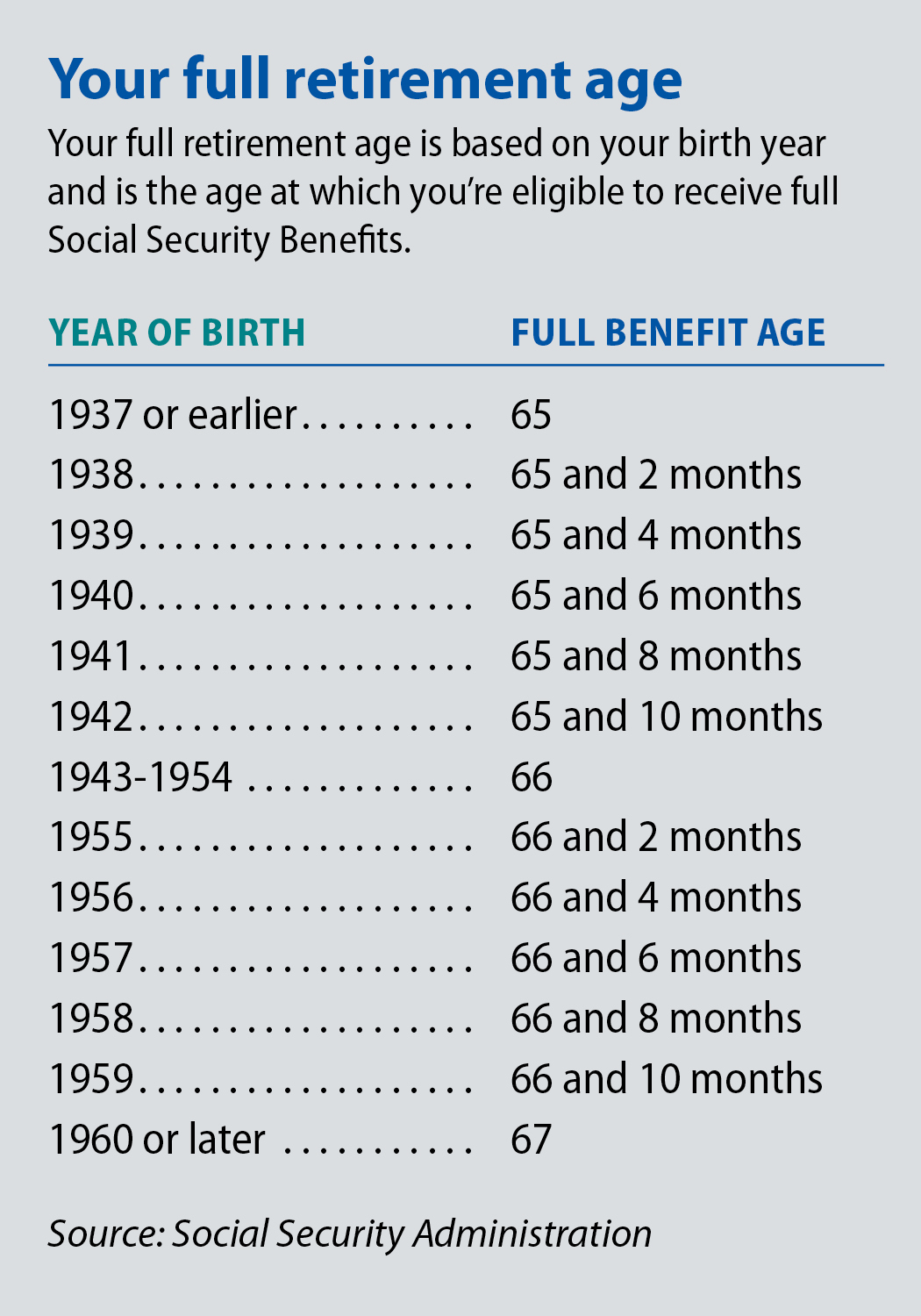
The Social Security Administration (SSA) operates on a sliding scale of benefits based on the year you were born. To understand the impact of claiming at the earliest possible age, you must first identify your Full Retirement Age (FRA). For those born in 1960 or later, the FRA is 67. If you were born earlier, your FRA might be 66 and a specific number of months.
The Cost of Filing at 62
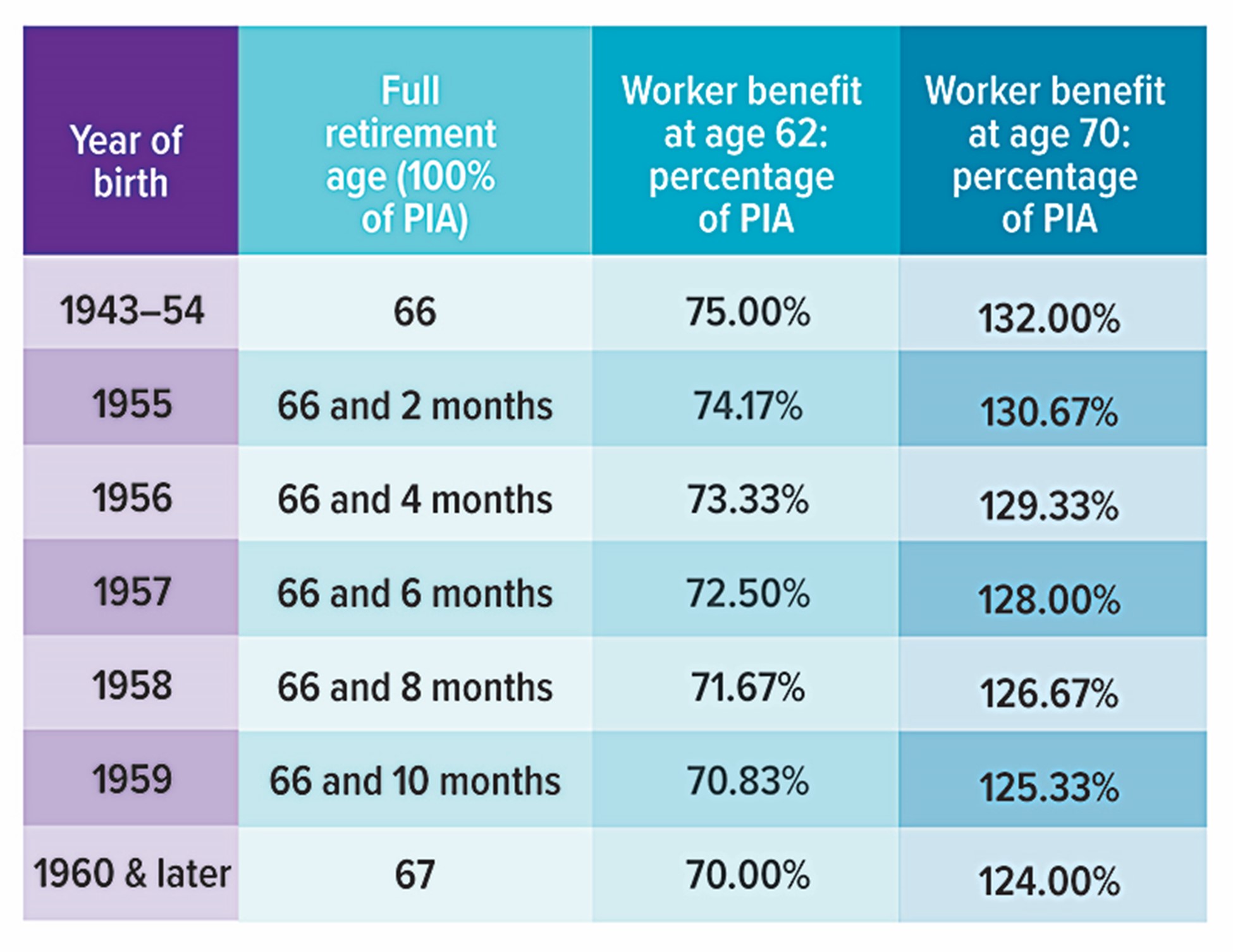
When you choose to draw Social Security benefits at age 62, you are opting for “early retirement” in the eyes of the SSA. This choice comes with a permanent actuarial reduction in your monthly check. If your FRA is 67 and you claim at 62, your monthly benefit will be reduced by approximately 30%. This reduction is calculated month-by-month; for the first 36 months of early filing, the benefit is reduced by 5/9 of 1% per month. For any months beyond 36, the benefit is further reduced by 5/12 of 1% per month.
The Role of the Primary Insurance Amount (PIA)
Your benefit is calculated based on your Primary Insurance Amount, which is the sum you would receive if you waited until your exact FRA. By claiming at 62, you are essentially accepting a smaller slice of the pie in exchange for receiving those slices for five additional years. While this provides immediate liquidity, it sets a lower “floor” for your guaranteed inflationary-adjusted income for the rest of your life.
Exceptions to the Age 62 Rule
While 62 is the standard age for retirement benefits, there are specific niches within the Social Security framework that allow for earlier access:
-
Survivor Benefits: A widow or widower can begin receiving survivor benefits as early as age 60. If the survivor is disabled, this age drops to 50.
-
Disability Benefits (SSDI): Social Security Disability Insurance does not have a minimum age requirement like retirement benefits do, provided the individual meets the work credit requirements and the SSA’s strict definition of total disability.
-
Dependent Children: In some cases, children of retired or disabled workers can receive benefits regardless of their own age if they are under 18 (or 19 if still in high school) or if they have a disability that began before age 22.
The Financial Impact of the Retirement Earnings Test
One of the most misunderstood aspects of drawing Social Security at the earliest possible age is the “Retirement Earnings Test.” Many individuals plan to claim their benefits at 62 while continuing to work full-time or part-time to supplement their income. However, if you are under your Full Retirement Age and your earned income exceeds a certain annual threshold, the SSA will temporarily withhold a portion of your benefits.
Income Thresholds and Withholding
For 2024, the earnings limit is $22,320. If you earn more than this amount, the SSA will deduct $1 from your benefit payments for every $2 you earn above the limit. In the year you reach your Full Retirement Age, the limit increases significantly, and the deduction drops to $1 for every $3 earned. Once you reach the month of your FRA, the earnings test no longer applies, and you can earn an unlimited amount without any reduction in benefits.
Is the Money Lost Forever?
It is a common misconception that the money withheld due to the earnings test is gone forever. In reality, the SSA recalculates your benefit amount once you reach your FRA to account for the months in which benefits were withheld. This effectively raises your monthly payment for the remainder of your life, partially offsetting the original reduction you took by filing at 62. However, from a cash-flow perspective, the immediate impact can be jarring for those who haven’t planned for the withholding.
Strategic Considerations: When Does 62 Make Sense?
While financial advisors often emphasize the benefits of waiting until age 70 to maximize monthly payments, there are several scenarios where claiming at the earliest age of 62 is the mathematically or practically superior choice.
Health and Longevity Expectations
The most critical variable in the Social Security equation is one that no one knows for certain: how long you will live. The “break-even point”—the age at which the total cumulative value of higher payments from waiting until 67 or 70 surpasses the total value of smaller payments started at 62—is typically between ages 77 and 81. If an individual has significant health challenges or a family history of shorter lifespans, claiming at 62 ensures they receive as much from the system as possible while they are still able to use it.
Debt Management and High-Interest Obligations
If a retiree is carrying high-interest consumer debt, such as credit card balances or high-rate personal loans, the 30% reduction in Social Security benefits might be a lower “cost” than the interest accumulating on their debt. In this case, using Social Security at 62 to aggressively pay down debt can improve the overall net worth and reduce financial stress, creating a more stable foundation for the remaining years of retirement.
The “Bridge” to Other Assets
Some investors choose to claim Social Security at 62 to allow their private investment accounts (like a 401(k) or IRA) more time to grow tax-deferred. By using the Social Security check to cover basic living expenses, they can avoid selling equities during a market downturn (sequence of returns risk). Conversely, others do the opposite: they spend down their IRAs to “bridge” the gap to age 70 to lock in the highest possible guaranteed government check. The right choice depends entirely on the individual’s tax bracket and portfolio composition.
Tax Implications and the “Tax Torpedo”
Claiming Social Security early doesn’t just affect the size of your check; it also influences your overall tax liability. Social Security benefits are not automatically tax-free. Depending on your “combined income” (adjusted gross income + tax-exempt interest + half of your Social Security benefits), you may owe federal income taxes on up to 85% of your benefits.
The Thresholds for Taxation
-
Individuals: If your combined income is between $25,000 and $34,000, you may pay income tax on up to 50% of your benefits. Above $34,000, up to 85% is taxable.
-
Married Filing Jointly: If you and your spouse have a combined income between $32,000 and $44,000, you may pay income tax on up to 50% of your benefits. Above $44,000, up to 85% is taxable.
For retirees with significant distributions from traditional IRAs or 401(k)s, claiming Social Security early can push them into a higher tax bracket, potentially triggering what is known as the “tax torpedo.” This occurs when the combination of taxable Social Security and RMDs (Required Minimum Distributions) creates a high marginal tax rate on every additional dollar earned. Strategic planning, such as Roth conversions before age 62, can help mitigate these risks.
Spousal and Survivor Strategies
The decision to claim at 62 becomes even more complex for married couples. Under Social Security rules, a spouse is entitled to either their own retirement benefit or 50% of their partner’s benefit, whichever is higher. However, if the spouse claims at 62, they will receive a reduced percentage of that 50%.
Protecting the Survivor
One of the most compelling reasons for the higher-earning spouse to delay benefits—even if the lower-earning spouse claims at 62—is to maximize the survivor benefit. When one spouse passes away, the survivor is entitled to the larger of the two checks the couple was receiving. By waiting until age 70, the higher earner locks in a much larger “insurance policy” for the surviving spouse. If the higher earner claims at 62, they permanently lock in a lower survivor benefit, which can create financial hardship for the surviving partner decades later.

Coordination of Benefits
Couples must look at their Social Security as a joint asset. Often, the optimal strategy involves the lower-earning spouse claiming at 62 to provide immediate cash flow, while the higher-earning spouse waits until 70 to maximize the long-term benefit and survivor protection. This “split” strategy balances the need for current income with the necessity of long-term inflation-protected growth.
In conclusion, while 62 is the earliest age to draw Social Security for most, it is not a decision that should be made in a vacuum. It requires a holistic look at health, debt, investment strategy, and marital status. By understanding the permanent reductions and the potential for earnings withholding, you can ensure that your choice to claim early is a calculated move toward financial independence rather than a costly oversight.
aViewFromTheCave is a participant in the Amazon Services LLC Associates Program, an affiliate advertising program designed to provide a means for sites to earn advertising fees by advertising and linking to Amazon.com. Amazon, the Amazon logo, AmazonSupply, and the AmazonSupply logo are trademarks of Amazon.com, Inc. or its affiliates. As an Amazon Associate we earn affiliate commissions from qualifying purchases.