
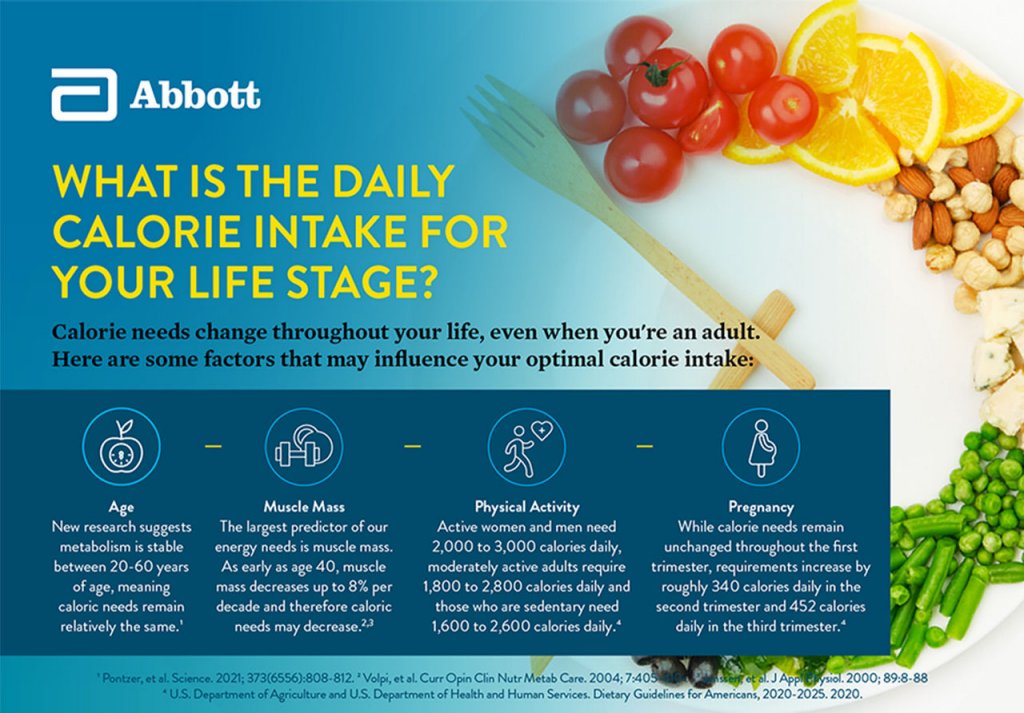
Understanding one’s daily calorie intake is a fundamental pillar of personal health and wellness. Whether the goal is weight management, muscle gain, improved athletic performance, or simply maintaining a healthy lifestyle, knowing the energy balance between calories consumed and calories expended is crucial. Historically, determining this figure involved tedious manual calculations, guesswork, or expensive consultations with nutritionists. However, in the digital age, technology has utterly transformed this landscape, offering unprecedented accuracy, convenience, and personalization in monitoring and managing our nutritional input. From sophisticated mobile applications to intelligent wearable devices and the burgeoning power of AI, technology now empowers individuals to precisely answer the question, “What is my daily calorie intake?” and act upon that knowledge with informed decisions. This article delves into the technological innovations that have made precision nutrition accessible, exploring how these tools function, their benefits, and the considerations for their effective and secure use.
The Evolution of Calorie Tracking: From Manual Logs to Digital Insights
The journey to accurately tracking daily calorie intake has seen a dramatic shift from rudimentary methods to highly sophisticated digital ecosystems. What was once a daunting task, prone to inaccuracies and user fatigue, has been streamlined and refined by technological advancements.
Early Digital Tools and Their Impact
The initial foray into digital calorie tracking began with simple online calculators and basic spreadsheet-like applications. These tools provided a significant upgrade from pen-and-paper food diaries, allowing users to input food items from predefined databases and receive instant calorie totals. While often cumbersome and lacking comprehensive food databases, they laid the groundwork for future innovations. Their impact was profound in democratizing access to basic nutritional information, making it easier for individuals to conceptualize their dietary energy intake without requiring advanced mathematical skills or constant reference to nutrition labels. The early availability of rudimentary food search functions and simple summation capabilities marked the first step towards a more interactive and less laborious tracking experience. This era introduced the concept of a digital “food diary,” transforming a traditionally private and manual task into something that could be managed on a computer.
The Rise of Mobile Applications for Food Logging
The advent of smartphones revolutionized calorie tracking, bringing powerful, portable tools directly into users’ pockets. Mobile applications like MyFitnessPal, Lose It!, and Cronometer emerged as frontrunners, offering extensive databases of food items, complete with calorie and macronutrient breakdowns. These apps introduced features such as barcode scanning, which dramatically sped up the logging process, allowing users to simply scan a product to add its nutritional information. Furthermore, many apps now offer recipe builders, enabling users to input ingredients and calculate the nutritional content per serving for homemade meals. The ability to quickly search for restaurant items, create custom food entries, and track water intake further enhanced the user experience. Beyond mere calorie counting, these applications often provide insights into macronutrient distribution (proteins, fats, carbohydrates), helping users adhere to specific dietary goals such as keto, high-protein, or balanced diets. The seamless integration with daily routines, coupled with intuitive interfaces, has made mobile calorie tracking an indispensable tool for millions worldwide, transforming it from a niche activity into a mainstream practice.
Wearable Technology: Integrating Activity and Intake for a Holistic View
While mobile apps excel at tracking food intake, they only provide half of the calorie equation. For a complete understanding of energy balance, it’s equally important to know the “calories out.” This is where wearable technology steps in, offering a dynamic and increasingly accurate estimation of energy expenditure.
Smartwatches and Fitness Trackers
Smartwatches (e.g., Apple Watch, Samsung Galaxy Watch) and dedicated fitness trackers (e.g., Fitbit, Garmin) have become ubiquitous, providing real-time data on physical activity. These devices use a combination of accelerometers, gyroscopes, and heart rate sensors to estimate calories burned throughout the day, both during structured exercise and through non-exercise activity thermogenesis (NEAT). By tracking steps, distance, elevation changes, and heart rate zones, these wearables can provide a personalized estimate of energy expenditure. Crucially, many of these devices seamlessly integrate with popular nutrition tracking apps. This integration creates a holistic dashboard where users can view their calorie intake alongside their calorie expenditure, offering a comprehensive picture of their daily energy balance. This allows individuals to adjust their intake or activity levels dynamically, responding to real-time data rather than relying on static estimates. For instance, an exceptionally active day might automatically increase an individual’s estimated calorie budget, providing flexibility and better adherence to their goals.
Advanced Biometric Data and Sensor Technology
The capabilities of wearable technology are continually expanding beyond basic activity tracking. Advanced biometric sensors are beginning to offer deeper insights into an individual’s metabolism and physiological state. While still in nascent stages for direct calorie measurement, technologies like continuous glucose monitors (CGMs), originally developed for diabetes management, are providing athletes and health enthusiasts with real-time feedback on how their bodies process carbohydrates. Although CGMs don’t directly count calories, they offer invaluable insights into metabolic responses to different foods and activities, informing dietary choices that indirectly impact calorie utilization and energy levels. Research is also exploring non-invasive sensors that could potentially measure oxygen consumption or heat dissipation more directly, offering more precise real-time caloric expenditure estimates. As these technologies mature, they promise an even more granular understanding of individual energy dynamics, moving beyond population averages to truly personalized metabolic insights. The goal is to evolve from indirect estimations to direct, individualized measurements that can precisely answer how many calories an individual is burning at any given moment.
AI and Machine Learning: Personalizing Your Calorie Journey
The true power of technology in calorie management is realized when artificial intelligence (AI) and machine learning (ML) are applied to the vast datasets generated by apps and wearables. AI transforms raw data into actionable, personalized insights, moving beyond simple tracking to intelligent guidance.
AI-Powered Meal Planning and Recipe Generation
One of the most significant advancements is the ability of AI to generate personalized meal plans and recipe suggestions. Traditional calorie counting often requires users to constantly think about what to eat next to fit their budget. AI-driven platforms, however, can analyze an individual’s dietary preferences, restrictions (e.g., allergies, vegan), health goals (e.g., weight loss, muscle gain), and even past food choices to create dynamic, tailored meal plans. These systems can suggest recipes that adhere to specific calorie and macronutrient targets, source ingredients, and even adapt based on real-time feedback (e.g., “I don’t like broccoli,” or “I had a high-calorie lunch, so suggest a lighter dinner”). By leveraging vast food databases and user profiles, AI can simulate thousands of dietary combinations to find the optimal plan, significantly reducing the mental burden of meal preparation and ensuring consistent adherence to calorie goals. This moves calorie tracking from a reactive exercise to a proactive, guided journey.
Predictive Analytics for Weight Management
AI’s predictive capabilities extend to forecasting weight changes based on an individual’s calorie intake and expenditure patterns. By analyzing historical data, machine learning algorithms can predict how changes in diet or activity might impact future weight, offering a realistic timeline for achieving goals. This is particularly insightful for weight management, where understanding the delayed effects of dietary changes can be motivating. AI can provide adaptive recommendations, suggesting adjustments to calorie targets or activity levels if a user is off track, or to celebrate progress. For instance, if an AI detects a plateau in weight loss, it might suggest a slight reduction in calorie intake or an increase in activity, based on personalized data rather than generic advice. This dynamic feedback loop helps users stay engaged and make informed, proactive adjustments to their lifestyle, optimizing their path to desired outcomes.
Natural Language Processing for Effortless Logging
The future of calorie logging is moving towards even greater ease of use through natural language processing (NLP) and computer vision. Imagine simply speaking into your phone: “I had scrambled eggs with two slices of whole wheat toast and an avocado for breakfast.” NLP algorithms can parse this information, identify the food items, estimate portion sizes (with user confirmation), and log the calories and macronutrients automatically. Similarly, advanced computer vision technologies are being developed that can identify food items from a photo, further streamlining the logging process. While still perfecting accuracy, these innovations promise to reduce the friction associated with manual entry, making calorie tracking almost effortless and increasing user compliance. This shift towards more intuitive, AI-driven input methods is poised to make precision nutrition accessible to an even broader audience.
Ensuring Accuracy and Data Security in Digital Nutrition
While technology offers incredible advantages in tracking calorie intake, it also introduces important considerations regarding data accuracy and the security of personal health information. Maximizing the benefits requires understanding these facets.
Challenges in Calorie Estimation and Data Integrity
Despite technological advancements, absolute precision in calorie tracking remains a challenge. Food databases, while extensive, can sometimes contain inaccuracies or lack specific brands and preparations. Portion size estimation, even with the help of visual guides or scales, still relies on user input and can introduce errors. Furthermore, individual metabolic rates vary significantly, meaning that a “standard” calorie burned for an activity might not perfectly reflect an individual’s actual expenditure. Wearable devices, while sophisticated, provide estimations based on algorithms, not direct metabolic measurement. Factors like user compliance, inconsistent logging, and overestimation of activity can also lead to discrepancies. It’s crucial for users to understand that these tools provide highly accurate estimations and guidance, rather than absolute scientific measurements. Regular calibration, diligent logging, and cross-referencing information from multiple sources can help mitigate these challenges and improve overall data integrity. The value lies not in absolute perfection, but in consistent and relative tracking that helps inform behavioral change.
Protecting Your Personal Health Information
The collection of sensitive personal health data—including dietary habits, weight fluctuations, activity levels, and potentially even biometric markers—raises significant privacy and security concerns. When using calorie-tracking apps and wearable devices, users are entrusting companies with intimate details about their lives. It is paramount for individuals to choose platforms and devices that prioritize data security and transparency. This includes reviewing privacy policies to understand how data is collected, stored, used, and shared. Opting for apps that employ strong encryption, comply with health data regulations (like HIPAA in the US or GDPR in Europe), and have clear data retention policies is essential. Users should also be mindful of the permissions they grant to apps, avoiding unnecessary access to other personal data on their devices. Understanding the potential for data breaches, choosing strong, unique passwords, and enabling two-factor authentication are critical steps to protect one’s digital health footprint. As our lives become increasingly digitized, safeguarding personal health information becomes as important as the insights these technologies provide.
In conclusion, technology has irrevocably transformed how we approach the fundamental question, “What is my daily calorie intake?” From mobile apps that simplify food logging to wearables that dynamically track energy expenditure, and intelligent AI systems that personalize nutritional guidance, the tools available today offer unprecedented precision, convenience, and actionable insights. While challenges related to data accuracy and security persist, a mindful and informed approach allows individuals to harness the immense power of these innovations. As technology continues to evolve, we can anticipate even more integrated, intuitive, and highly personalized solutions that will make understanding and managing our daily calorie intake an even more seamless and empowering aspect of maintaining optimal health and well-being.
aViewFromTheCave is a participant in the Amazon Services LLC Associates Program, an affiliate advertising program designed to provide a means for sites to earn advertising fees by advertising and linking to Amazon.com. Amazon, the Amazon logo, AmazonSupply, and the AmazonSupply logo are trademarks of Amazon.com, Inc. or its affiliates. As an Amazon Associate we earn affiliate commissions from qualifying purchases.