
In the modern economic landscape, the question “What is your desired wage?” is more than just a standard interview prompt; it is a fundamental calculation that dictates your lifestyle, your ability to invest, and your long-term financial security. When broken down to a weekly cadence, your desired wage becomes a tangible roadmap for your personal finances. It allows you to align your professional efforts with your cost of living, savings goals, and the market value of your unique skill set. Understanding how to calculate, justify, and negotiate this figure is essential for anyone looking to build a sustainable and prosperous financial future.
Understanding the Foundation of Your Weekly Wage Requirements
Determining your desired wages per week begins with a deep dive into your personal economy. It is not a number plucked from thin air or based solely on what a friend earns. Instead, it is a strategic figure derived from your baseline needs and your aspirational financial targets.
Calculating Your “Financial Floor”
Your financial floor is the absolute minimum weekly income required to cover your essential expenses. To calculate this, you must aggregate your monthly costs—rent or mortgage, utilities, insurance, groceries, transportation, and debt obligations—and divide that total by 4.3 (the average number of weeks in a month). This number represents survival. However, a “desired” wage should never be your floor; it should be significantly higher to account for the “three S’s”: Savings, Security, and Splurges.
Assessing Market Value and Industry Standards
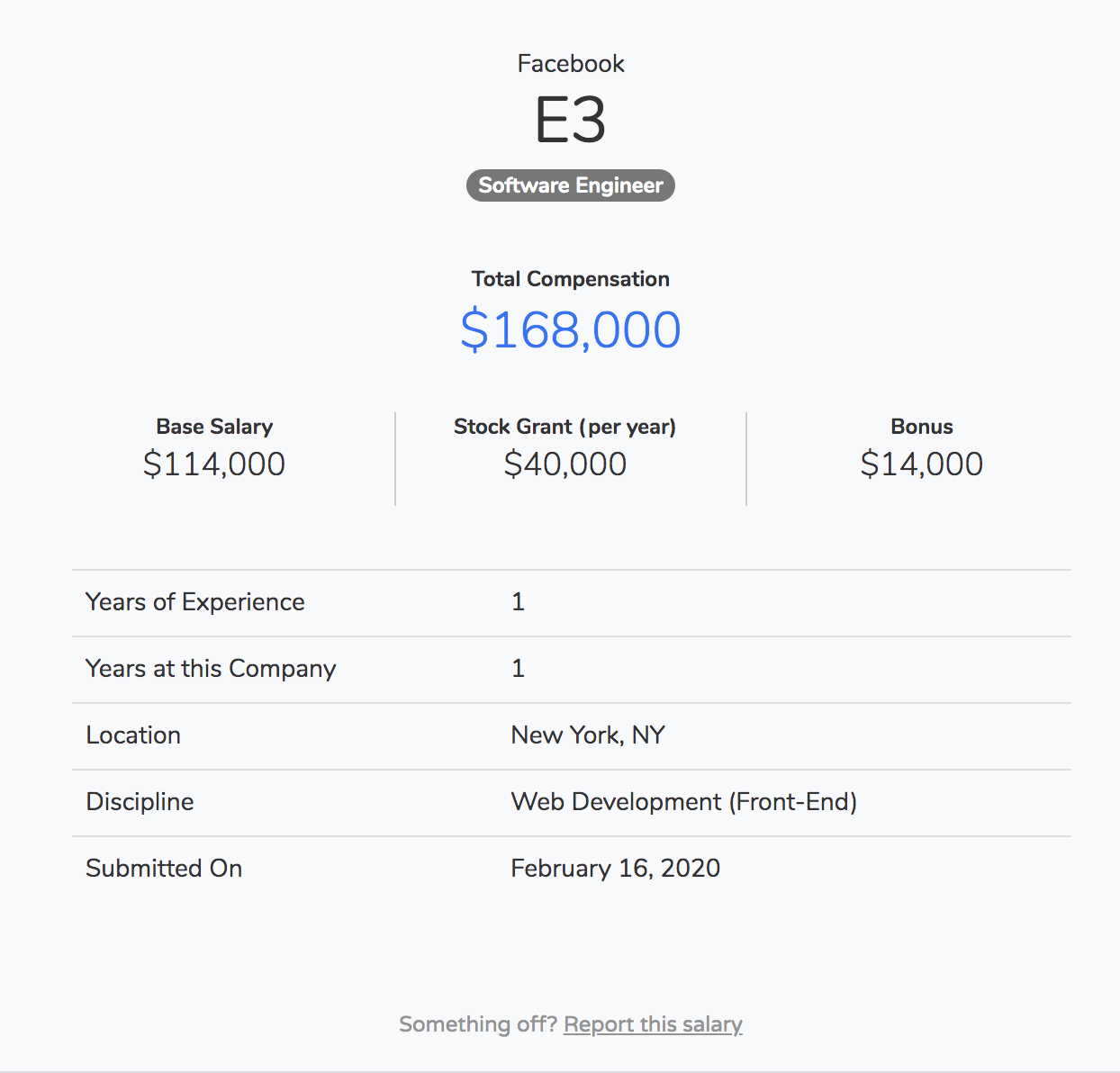
While your personal needs dictate what you need to earn, the market dictates what an employer is willing to pay. Utilizing financial tools and databases to research industry standards is critical. Factors such as geographical location, years of experience, and specialized certifications play a massive role in shifting the bell curve of weekly wages. For instance, a software engineer in a high-cost-of-living tech hub will have a vastly different desired weekly wage compared to a general administrative professional in a rural area. Aligning your expectations with market reality ensures that your desired wage remains competitive yet profitable.
Factoring in Tax Implications and Net vs. Gross
A common pitfall in financial planning is confusing gross wages with net take-home pay. When a hiring manager asks for your desired wages per week, they are typically referring to the gross amount before taxes. However, your financial planning must be based on the net amount. Depending on your tax bracket and local tax laws, your take-home pay could be 20% to 35% less than your gross wage. To reach a desired weekly net of $1,200, you might need to set your desired gross wage at approximately $1,600. Understanding this distinction is the difference between a comfortable lifestyle and a constant struggle to make ends meet.
Strategic Frameworks for Setting Your Income Targets
Once you understand your baseline and the market landscape, you can apply structured financial frameworks to refine your desired weekly wage. These strategies help move the conversation from “how much do I want” to “how much do I need to thrive.”
The 50/30/20 Rule as a Wage Calculator
One of the most effective ways to reverse-engineer your desired weekly wage is by using the 50/30/20 budgeting rule. This framework suggests that 50% of your income goes to needs, 30% to wants, and 20% to savings and debt repayment. If your weekly “needs” (rent, food, bills) total $800, then according to this rule, your desired weekly net income should be $1,600. This ensures that you are not just living paycheck to paycheck but are actively building wealth and enjoying the fruits of your labor.
The Value of Total Compensation Packages
When discussing weekly wages, it is vital to look beyond the cash deposit in your bank account. Total compensation includes health insurance premiums, 401(k) matching, paid time off, and bonuses. For example, a job offering a lower weekly wage of $1,400 with a 6% 401(k) match and fully paid health insurance may actually be more valuable than a job offering $1,600 per week with no benefits. When defining your desired wage, consider the “shadow income” provided by these perks, as they directly reduce your out-of-pocket expenses.
Adjusting for Lifestyle Inflation and Future Goals
A desired wage should not just reflect your current life; it should reflect where you want to be in three to five years. If you plan on purchasing a home, starting a family, or investing heavily in a side business, your current desired wage must reflect those future capital requirements. Financial experts recommend building a “buffer” into your desired wage to account for lifestyle inflation and the rising cost of goods. This proactive approach prevents your income from stagnating while your life’s demands grow.
Navigating the Negotiation: Communicating Your Value

The most difficult part of the desired wage conversation is often the negotiation itself. Many professionals feel a sense of “imposter syndrome” or fear of being disqualified for asking for too much. However, in the world of business finance, everything is a negotiation based on perceived value.
The Psychology of “The Anchor”
In negotiations, the first number mentioned often serves as an “anchor” for the rest of the conversation. If an employer asks for your desired wages per week, providing a range rather than a single number gives you flexibility. For example, stating, “Based on my research and the responsibilities of this role, I am looking for a weekly wage in the range of $1,800 to $2,100,” sets a high anchor while showing you are open to discussion. Always ensure the bottom of your range is a number you would be genuinely happy to accept.
Quantifying Your ROI (Return on Investment)
To justify a higher-than-average weekly wage, you must frame yourself as an asset rather than an expense. Instead of focusing on what you need, focus on what you generate. If you can demonstrate that your work saves a company $10,000 a month or increases efficiency by 20%, a desired weekly wage of $2,500 becomes a high-yield investment for the employer. Use metrics, case studies, and past performance data to back up your wage request. This shifts the conversation from your “desire” to the “market value of your output.”
When to Walk Away
Part of personal finance management is knowing the value of your time. If a potential income stream does not meet your minimum desired weekly wage and offers no other significant benefits or growth opportunities, it may be a poor financial decision to accept it. Opportunity cost is a real factor; every hour spent at an underpaid job is an hour you aren’t spending at a role that pays your true market value. Maintaining a “walk-away” number protects your long-term earning potential.
Scaling Your Income Beyond the 9-to-5
In the modern “Money” niche, the concept of a weekly wage is increasingly decoupled from a single employer. Diversifying your income can help you reach your desired weekly total through multiple channels, providing both higher upside and greater financial security.
The Rise of the Portfolio Career
A portfolio career involves earning your weekly wage from several different sources—perhaps a part-time consultancy, a freelance side hustle, and dividend income. If your desired weekly wage is $2,000, you might earn $1,200 from a primary contract, $500 from specialized freelance projects, and $300 from passive income or investments. This approach mitigates the risk of total income loss and often allows for a higher total weekly wage than a single traditional job might offer.
Leveraging Remote Work for Geo-Arbitrage
Technology has fundamentally changed the “Money” landscape by allowing for geo-arbitrage. This is the practice of earning a wage based on a high-cost economy (like New York or San Francisco) while living in a lower-cost area. By maintaining a desired weekly wage anchored to premium markets while your expenses are anchored to more affordable regions, you can exponentially increase your savings rate and discretionary income.
Continuous Upskilling as a Wage Catalyst
Your earning potential is directly tied to the scarcity and demand of your skills. To consistently increase your desired wages per week, you must treat your skill set like a financial portfolio. Regularly investing in new certifications, learning high-value skills (such as data analysis, specialized sales techniques, or financial management), and staying ahead of industry trends allows you to command a premium in the marketplace. In the realm of personal finance, the best investment you can make is in your own earning capacity.
Long-Term Wealth Building and Wage Growth
The ultimate goal of defining and achieving a desired weekly wage is not just to pay bills, but to build lasting wealth. How you manage the surplus of your weekly wage determines your eventual financial independence.
Automating Your Financial Success
Once you achieve your desired weekly wage, the next step is ensuring that money works for you. Financial experts recommend automating the distribution of your weekly pay. Directing a portion of your weekly wage immediately into high-yield savings accounts, index funds, or retirement vehicles ensures that you are building capital before you have the chance to spend it. This turns your desired wage into a wealth-generating engine.
Re-evaluating Your Targets Annually
The economy is dynamic, and your desired wage should be too. Inflation, changes in tax law, and personal life shifts mean that a wage that felt comfortable two years ago might be restrictive today. Set a “financial check-up” every twelve months to re-evaluate your weekly income goals. Are you still being paid fairly? Do your weekly earnings still align with your 5-year and 10-year financial plans? Adjusting your desired wage targets ensures you never plateau.
In conclusion, your “desired wages per week” is a vital metric that sits at the intersection of your personal needs, professional value, and future aspirations. By methodically calculating your requirements, understanding the market, and negotiating with confidence, you transform your income from a mere paycheck into a strategic tool for financial freedom. Whether through traditional employment or a diversified portfolio of income streams, mastering the art of the weekly wage is the first step toward a more secure and prosperous life.
aViewFromTheCave is a participant in the Amazon Services LLC Associates Program, an affiliate advertising program designed to provide a means for sites to earn advertising fees by advertising and linking to Amazon.com. Amazon, the Amazon logo, AmazonSupply, and the AmazonSupply logo are trademarks of Amazon.com, Inc. or its affiliates. As an Amazon Associate we earn affiliate commissions from qualifying purchases.