
American Express, often referred to as “Amex,” is far more than just a recognizable logo on a piece of plastic in a consumer’s wallet. It is a multinational financial services corporation that occupies a unique and prestigious niche within the global economy. Founded in 1850, the company has evolved from a freight forwarding business into one of the world’s most influential players in personal finance, business lending, and payment processing.
In the contemporary financial landscape, American Express serves as a critical tool for individuals seeking to optimize their spending and for businesses aiming to streamline their capital management. Unlike many of its competitors, American Express functions as both a card issuer and a payment network, a “closed-loop” system that provides it with unique insights into consumer behavior and financial data. This article explores the multifaceted nature of American Express, focusing on its role as a premier financial tool, its distinct business models, and how it serves the financial needs of a global clientele.

The Foundations of the American Express Business Model
To understand what American Express is from a financial perspective, one must first distinguish between the two primary types of accounts the company offers: charge cards and credit cards. This distinction is fundamental to how the company manages risk and how users manage their personal liquidity.
The Difference Between Credit and Charge Cards
Most consumers are familiar with the traditional credit card model used by banks like Chase or Citibank. In this model, the user is given a specific credit limit and has the option to carry a balance from month to month while paying interest. American Express offers these traditional credit cards, but it is most famous for its “Charge Cards,” such as the iconic Platinum Card®.
A charge card typically has no pre-set spending limit, offering much higher flexibility for significant purchases. However, the financial trade-off is that the balance must be paid in full every month. From a personal finance standpoint, this encourages fiscal discipline, as it prevents the accumulation of high-interest debt that often plagues traditional credit card users.
The Power of the Closed-Loop Network
Most credit cards involve four parties: the consumer, the merchant, the merchant’s bank, and the card-issuing bank (facilitated by a network like Visa or Mastercard). American Express, however, often operates a “closed-loop” network. In many transactions, Amex acts as both the card issuer and the payment processor.
This structure allows American Express to capture a larger share of the “interchange fee”—the percentage charged to merchants for processing a transaction. Because Amex controls the entire ecosystem, it can offer higher-tier rewards and more robust fraud protection, as it has direct access to data on both ends of the transaction. For the financially savvy user, this translates to a more seamless service experience and specialized financial protections.
Personal Finance: Maximizing Value through Consumer Products
For the individual investor or consumer, American Express is primarily a suite of financial tools designed to reward spending and provide lifestyle security. The company has positioned itself as a premium provider, targeting high-net-worth individuals and those with strong credit profiles.
The Mechanics of Membership Rewards (MR) Points
At the heart of the Amex financial value proposition is the Membership Rewards program. These points are a form of “private currency” that can be strategically leveraged to offset travel costs, purchase merchandise, or even be invested back into a brokerage account.
For those focused on maximizing their net worth, MR points are highly valued because of their “transferability.” Amex allows users to transfer points to various airline and hotel partners, often at a 1:1 ratio. When managed correctly, this can result in a “cent-per-point” value that far exceeds standard cash-back cards. In the world of personal finance, mastering the Amex rewards ecosystem is often considered an essential skill for reducing discretionary spending on luxury travel.
Premium Benefits and Financial Protections
Beyond rewards, American Express cards function as an insurance and protection layer for a user’s finances. Many of their high-tier products include purchase protection, extended warranties, and trip cancellation insurance. For a consumer making a large purchase, using an Amex card serves as a financial hedge. If a product is stolen or damaged shortly after purchase, or if a travel provider goes bankrupt, the financial recourse provided by Amex’s internal insurance policies can save a user thousands of dollars, making the annual fee an investment in risk management rather than a mere cost of entry.
Empowering Enterprise: Business and Corporate Financial Solutions

While the consumer side of Amex gets much of the public attention, the company’s role in business finance is arguably even more significant. American Express is a dominant force in providing working capital and expense management solutions for small businesses and large corporations alike.
Business Credit Cards and Working Capital
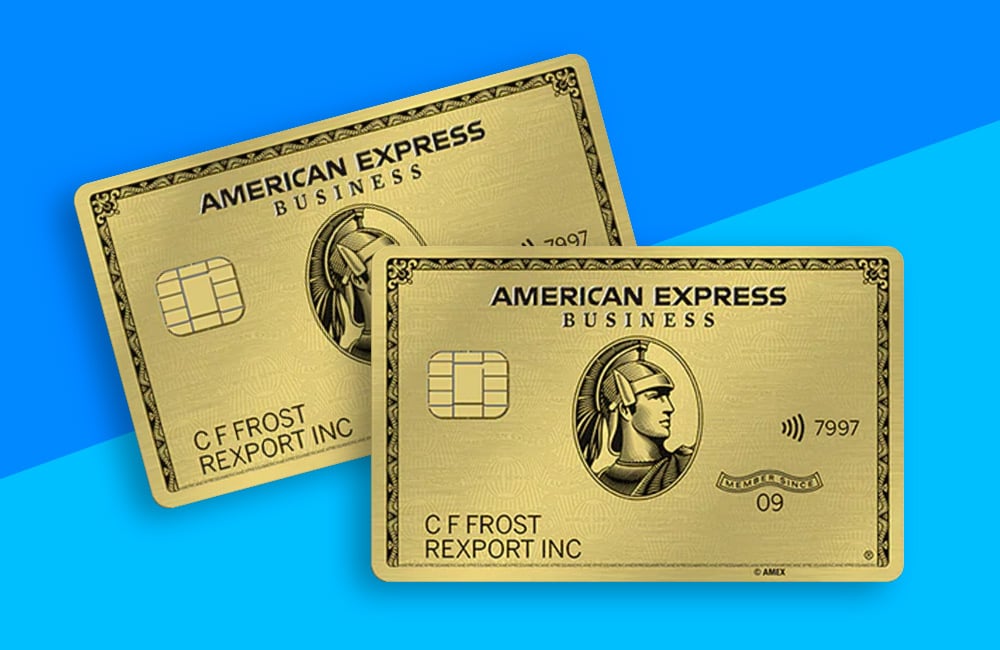
For small business owners, cash flow is the lifeblood of the company. American Express offers a range of business cards designed to provide “float”—the period between making a purchase and the payment due date. Because many Amex business cards are charge cards with no pre-set spending limits, they allow businesses to make large inventory purchases or cover significant advertising costs that might exceed the rigid limits of a standard bank credit card.
This serves as a short-term, interest-free loan (provided the balance is paid on time), allowing businesses to scale operations without immediately tapping into their cash reserves or taking out high-interest lines of credit.
Expense Management and Data Integration
For larger enterprises, American Express provides sophisticated corporate card programs. These tools are essential for financial controllers and CFOs who need to track employee spending in real-time. Amex’s platforms integrate directly with accounting software like SAP or Oracle, automating the expense reporting process.
From a corporate finance perspective, this reduces “leakage”—unauthorized or wasteful spending—and provides the data necessary to negotiate better rates with suppliers. By centralizing all corporate spend through the Amex network, companies can gain a granular view of their financial health, improving both transparency and efficiency.
The Economics of the American Express Network
To understand what American Express is, one must look at the economics of the merchant side. Historically, Amex was known for having higher merchant fees than Visa or Mastercard. This was a deliberate financial strategy.
Targeting High-Spend Consumers
American Express deliberately targets “premium” cardholders—individuals who spend more on average than the typical credit card user. Because Amex cardholders represent a more lucrative demographic, merchants are often willing to pay a slightly higher transaction fee to access this customer base.
In recent years, Amex has worked to narrow the gap in merchant acceptance, expanding its reach significantly. For the business owner, accepting American Express is a strategic decision: the cost of the fee is weighed against the increased revenue generated by attracting affluent customers who are often loyal to the Amex brand due to its rewards program.
Security and Fraud Mitigation as a Financial Asset
In the digital age, financial security is a paramount concern. American Express invests billions into AI and machine learning to monitor its closed-loop network. Because they see both the cardholder’s spending habits and the merchant’s transaction history, their fraud detection algorithms are among the most sophisticated in the industry. For both consumers and businesses, this reduces the financial risk of identity theft and unauthorized transactions, providing a level of “financial peace of mind” that is a core part of the Amex value proposition.
Strategic Financial Planning with American Express
Integrating American Express into a broader financial strategy requires an understanding of credit scores, annual fees, and the cost of capital. American Express is not a “one-size-fits-all” solution, but rather a specialized tool for those who manage their money with precision.
Navigating Annual Fees and ROI
Many American Express cards come with significant annual fees, sometimes reaching hundreds of dollars. A professional approach to this cost involves calculating the Return on Investment (ROI). If the credits provided (such as airline fee statements, hotel credits, or digital entertainment offsets) exceed the annual fee, the card becomes a net-positive financial asset.
Furthermore, for those who travel for business or pleasure, the “soft” value of airport lounge access and concierge services must be factored into the financial equation. When utilized correctly, an Amex card can reduce a person’s overall cost of living while enhancing their lifestyle.
Credit Health and Relationship Banking
Maintaining a relationship with American Express can also be a boon for one’s credit profile. Amex is known for being generous with credit limit increases for responsible users, which can lower a consumer’s credit utilization ratio—a key factor in calculating FICO scores. Additionally, American Express has expanded into high-yield savings accounts and personal loans, moving toward a more holistic “relationship banking” model. By keeping multiple financial products within the Amex ecosystem, users can often find better rates and more integrated financial management tools.
In conclusion, American Express is a sophisticated pillar of the global financial system. It serves as a disciplinarian for personal spending through its charge cards, a catalyst for business growth through its working capital solutions, and a premier rewards engine for the strategic consumer. Whether viewed as a payment processor, a lender, or a lifestyle partner, American Express remains an essential tool for anyone looking to navigate the complexities of modern finance with confidence and efficiency.
aViewFromTheCave is a participant in the Amazon Services LLC Associates Program, an affiliate advertising program designed to provide a means for sites to earn advertising fees by advertising and linking to Amazon.com. Amazon, the Amazon logo, AmazonSupply, and the AmazonSupply logo are trademarks of Amazon.com, Inc. or its affiliates. As an Amazon Associate we earn affiliate commissions from qualifying purchases.