
In the dynamic and often overwhelming landscape of modern business, brands are constantly vying for attention, loyalty, and market share. The sheer volume of information, competing messages, and evolving consumer expectations can make establishing a clear, compelling, and memorable brand identity feel like an insurmountable challenge. Many businesses, from nascent startups to established enterprises, struggle with articulating their unique value, connecting with their ideal audience, and maintaining a consistent presence across myriad channels. This struggle often stems from a lack of strategic clarity—a diffuse understanding of what the brand truly stands for, who it serves, and why it matters.

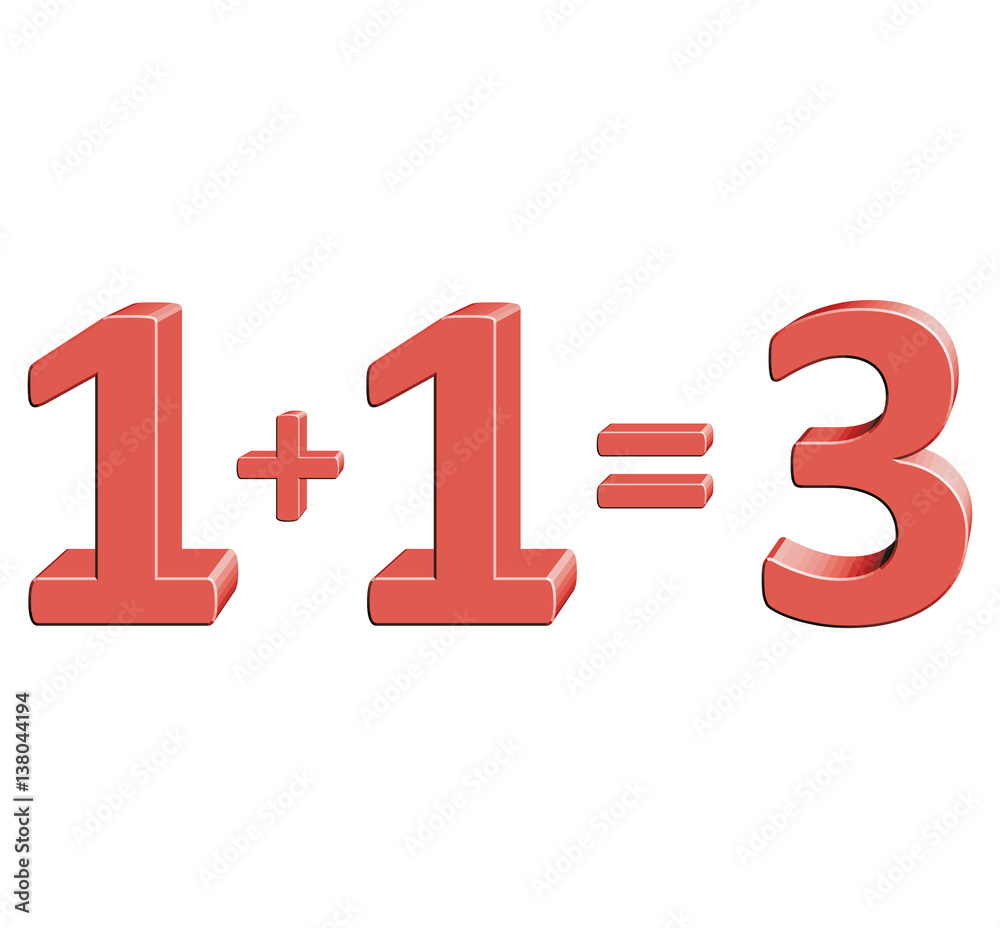
To navigate this complexity and forge a powerful brand presence, a simplified, yet profoundly effective, strategic framework is essential. This is where the 1-1-3 Brand Framework emerges as a potent tool. Far from a rigid formula, the 1-1-3 Framework is a guiding philosophy designed to distill your brand’s essence into its most impactful components, enabling unparalleled strategic focus and resonant communication. It provides a structured approach to brand development and management, ensuring every decision aligns with core objectives and amplifies your brand’s unique voice. By embracing the principles of the 1-1-3 Framework, businesses can cut through the noise, build stronger connections, and ultimately achieve sustainable growth and enduring market relevance.
The Essence of the 1-1-3 Framework: Simplicity for Strategic Power
The fundamental premise of the 1-1-3 Brand Framework is that true strategic power often lies not in complexity, but in focused simplicity. In an age where data inundation and feature creep can dilute a brand’s message, this framework offers a powerful antidote, forcing a disciplined approach to defining what truly matters. It’s about stripping away the non-essentials to reveal the potent core of your brand, making it easier to communicate, understand, and connect with.
Defining the Core Challenge in Branding
One of the most pervasive challenges in branding today is a lack of clarity. Brands often try to be everything to everyone, diluting their message and failing to resonate deeply with any specific segment. This “shotgun approach” leads to inconsistent messaging, wasted marketing spend, and ultimately, a forgettable brand identity. Without a clear strategic compass, teams can pull in different directions, creating internal misalignment and external confusion. The absence of a concise, shared understanding of the brand’s fundamental tenets makes it difficult to make effective decisions, from product development to marketing campaigns and customer service interactions. The 1-1-3 framework directly addresses this by demanding precision and focus at every level.
Why Simplicity Reigns in a Complex World
In a world saturated with information, human attention spans are shorter than ever. Complex narratives, convoluted value propositions, and broad target audiences struggle to capture and hold interest. Simplicity, however, offers clarity, memorability, and impact. A simple message is easier to digest, recall, and share. It allows consumers to quickly grasp what a brand offers and whether it’s relevant to their needs. For brands, simplicity translates into agility, enabling quicker adaptation and more coherent execution. It fosters internal alignment by providing a clear, unambiguous blueprint that every team member can understand and champion, ensuring a unified brand experience. The 1-1-3 Framework leverages this power by breaking down brand strategy into digestible, interconnected components.
Introducing the 1-1-3 Pillars
The 1-1-3 Brand Framework is built upon three foundational pillars, each represented by a number in its name:
-
The First ‘1’: Your Single Core Message. This represents the singular, overarching truth, purpose, or value proposition that defines your brand. It’s your North Star, the essence of what you offer and why you exist.
-
The Second ‘1’: Your Primary Target Audience. This signifies the one, most critical segment of customers whose needs you are uniquely positioned to meet. It’s about deeply understanding and focusing on your ideal customer.
-
The ‘3’: Your Three Key Differentiators. These are the three compelling and distinct attributes or benefits that set your brand apart from the competition. They are the undeniable reasons why your chosen audience should choose you.
Together, these pillars create a robust and actionable framework for building a brand that is clear, focused, and profoundly impactful.
The First ‘1’: Cultivating Your Single Core Message
At the heart of every great brand is a singular, compelling message that encapsulates its essence, purpose, and unique value. This isn’t a slogan; it’s the fundamental truth your brand embodies, the ultimate problem it solves, or the aspirational state it helps achieve. This “First 1” is the foundation upon which all other branding efforts are built.
Identifying Your Brand’s North Star
Your brand’s North Star is its unwavering purpose, vision, or core value proposition. It answers the fundamental question: “Why do we exist?” This isn’t merely about what products or services you offer, but the deeper impact you aim to make in the world or the transformative experience you provide. For example, a tech company’s North Star might not just be “to sell software,” but “to empower creativity through intuitive tools.” Identifying this single, unifying message requires deep introspection, understanding your founders’ vision, your company culture, and the fundamental problem you solve for customers. It should be concise, inspiring, and unique to your brand, acting as the guiding principle for all internal and external communications.
Crafting an Unforgettable Value Proposition
Once your North Star is identified, the next step is to distill it into an unforgettable value proposition. This is a concise statement that clearly communicates the specific benefits your brand offers, why it’s superior to alternatives, and for whom it is intended. It should be customer-centric, focusing on the outcomes and solutions you provide rather than just features. A strong value proposition is memorable, easy to understand, and immediately relevant to your target audience’s needs and desires. It’s the promise you make to your customers, articulating the compelling reason they should choose your brand over any other. This proposition should be distinct from a slogan, serving as the strategic underpinning of all your messaging.
Ensuring Consistency Across All Touchpoints
A powerful core message loses its impact if it’s not consistently communicated across every single touchpoint. From your website, social media, and advertising campaigns to your product design, customer service interactions, and internal company culture, your single core message must resonate. Consistency builds trust and strengthens recognition. It ensures that regardless of how a customer interacts with your brand, they receive a unified and coherent understanding of who you are and what you stand for. This requires meticulous attention to detail, clear brand guidelines, and ongoing training for all employees, transforming every interaction into an opportunity to reinforce your brand’s central truth.
The Second ‘1’: Pinpointing Your Primary Target Audience
While the temptation is often to cast a wide net, truly effective branding zeroes in on a specific group of people whose needs, values, and aspirations align perfectly with your brand’s offering. This “Second 1” is about understanding and relentlessly focusing on your single most important customer segment—your primary target audience.
Beyond Demographics: Understanding Psychographics and Needs

Defining your primary target audience goes far beyond basic demographics like age, gender, or income. While these provide a surface-level understanding, true insight comes from delving into psychographics: the attitudes, values, interests, lifestyles, and behavioral patterns of your ideal customers. What are their biggest challenges? What motivates them? What are their aspirations, fears, and unmet desires? By creating detailed buyer personas, you can empathize deeply with this audience, understanding their pain points and how your brand can genuinely solve them. This granular understanding allows for highly targeted messaging and product development that truly resonates.
The Power of Focus: Why One Audience Matters Most
Focusing on a single primary target audience does not mean excluding all others; rather, it means strategically prioritizing your efforts for maximum impact. When you try to appeal to everyone, you often appeal to no one effectively. By concentrating on one core audience, you can tailor your messaging, product features, and marketing channels with precision, achieving much higher engagement and conversion rates. This intense focus allows you to become an authority and a preferred choice within that specific segment, building a strong base of loyal customers who will champion your brand. It conserves resources, clarifies strategy, and prevents your brand from becoming diluted or generic.
Tailoring Your Communication for Maximum Resonance
Once your primary target audience is clearly defined, every aspect of your brand’s communication must be tailored to speak directly to them. This involves choosing the right language, tone of voice, visual aesthetics, and even the channels where they spend their time. For instance, a brand targeting Gen Z might leverage TikTok with playful, authentic content, while a brand targeting C-suite executives might favor LinkedIn with data-driven insights. It’s about understanding their specific needs, aspirations, and even their unique jargon, allowing your brand to communicate in a way that feels personal, relevant, and deeply empathetic. This tailored approach fosters genuine connections and transforms passive listeners into engaged advocates.
The ‘3’: Articulating Your Key Differentiators
Having a clear core message and a focused audience is crucial, but it’s the specific reasons why that audience should choose you that solidify your brand’s position. The “3” in the 1-1-3 Framework represents your three key differentiators—the distinct advantages that set your brand apart and provide compelling reasons for your primary target audience to engage with you.
Unearthing Your Unique Selling Propositions
Your key differentiators are not just features; they are the unique selling propositions (USPs) that provide clear, demonstrable benefits to your target audience. These could be innovative technology, superior customer service, a unique business model, exceptional product quality, a compelling brand story, or a specific niche expertise. Identifying these requires a deep understanding of your competitive landscape and an honest assessment of your brand’s strengths. What do you do better, differently, or more uniquely than anyone else? It’s important to select differentiators that are truly distinct, valuable to your primary audience, and difficult for competitors to replicate. These three pillars should work in concert to create a holistic and attractive offering.
How to Prove Your Differentiators
Articulating differentiators is one thing; proving them is another entirely. Simply stating “we have great customer service” isn’t enough; you need to provide evidence. This could come in the form of customer testimonials, case studies, awards, industry recognition, specific metrics (e.g., “99% customer satisfaction rate”), proprietary technology patents, or transparent processes that showcase your unique approach. Tangible proof points build credibility and trust, transforming claims into undeniable truths. Your proof should directly address the concerns and priorities of your primary target audience, reinforcing why your differentiators matter specifically to them. This evidence-based approach makes your brand’s claims more compelling and persuasive.
Building a Narrative Around Your Competitive Edge
Once you’ve identified and proven your three key differentiators, the next step is to weave them into a cohesive and engaging brand narrative. This story should illustrate how your differentiators combine to solve your target audience’s problems, fulfill their desires, or create a superior experience. The narrative shouldn’t just list benefits; it should evoke emotion, build connection, and make your brand memorable. How do your unique attributes tie into your core message and deliver value to your specific audience? This storytelling approach helps consumers understand the broader context and impact of your differentiators, making your brand more relatable and compelling than a mere list of features.
Implementing the 1-1-3 Framework: From Strategy to Execution
The 1-1-3 Framework is not just a theoretical exercise; it’s a practical tool designed to guide every facet of your brand’s strategy and execution. Its power lies in its ability to translate high-level vision into actionable steps, ensuring consistency and impact across all operations.
A Step-by-Step Guide for Brands
Implementing the 1-1-3 Framework involves a structured process:
-
Discovery & Self-Assessment: Begin with deep introspection. Conduct workshops with stakeholders to uncover your brand’s history, values, mission, and unique strengths. Research your market, competitors, and potential audiences thoroughly.
-
Define the First ‘1’ (Core Message): Based on discovery, collaboratively distill your brand’s ultimate purpose, vision, or value proposition into a single, concise statement. Test its clarity and resonance.
-
Define the Second ‘1’ (Primary Target Audience): Create detailed buyer personas, moving beyond demographics to psychographics. Understand their challenges, motivations, and preferred communication channels.
-
Define the ‘3’ (Key Differentiators): Brainstorm and rigorously evaluate potential differentiators. Select the three most compelling, unique, and provable advantages that resonate with your primary audience. Gather evidence to support each.
-
Develop Brand Guidelines: Create comprehensive brand guidelines that document your 1-1-3 framework, including messaging hierarchies, tone of voice, visual identity standards, and communication strategies for different channels, all aligned with your core message, audience, and differentiators.
-
Internal Socialization & Training: Ensure all employees understand and can articulate the 1-1-3 framework. Train teams on how to apply it in their daily roles, from marketing and sales to customer service and product development.
-
Iterate and Refine: The branding landscape is constantly evolving. Regularly review and, if necessary, refine your 1-1-3 framework based on market feedback, performance data, and strategic shifts.
Measuring the Impact of Strategic Clarity
The benefits of the 1-1-3 Framework are measurable. By achieving strategic clarity, brands can expect improvements in several key areas:
-
Enhanced Brand Recognition & Recall: A clear, consistent message and identity are easier for consumers to remember and associate with specific values.
-
Increased Customer Engagement & Loyalty: Tailored communication and a focused value proposition lead to stronger connections and higher rates of repeat business.
-
Improved Marketing ROI: Precision targeting and messaging reduce wasted ad spend and increase conversion rates.
-
Greater Internal Alignment & Efficiency: A shared understanding of the brand’s core drives better decision-making and more cohesive teamwork.
-
Stronger Market Position & Competitive Advantage: Clearly articulated differentiators help carve out a unique space and defend against competitors.
Metrics such as brand awareness, customer lifetime value, conversion rates, and employee satisfaction can all serve as indicators of the framework’s success.
Adapting the Framework for Growth and Evolution
The 1-1-3 Framework is designed to be robust yet adaptable. As your business grows, markets shift, or new technologies emerge, your brand’s expression may evolve, but its core strategic clarity remains paramount. The framework provides a stable foundation from which to assess new opportunities or challenges. For instance, while your primary target audience might remain consistent, you might identify secondary audiences for specific campaigns that still align with your core message and differentiators. Similarly, as your product evolves, new differentiators might emerge, or existing ones might need refinement. The 1-1-3 Framework acts as a strategic filter, ensuring that all new initiatives and expansions remain true to your brand’s essence and purpose, preventing dilution and maintaining strategic focus.
Conclusion: The Enduring Power of 1-1-3 in Building Iconic Brands
In an era defined by relentless competition and information overload, the 1-1-3 Brand Framework offers a beacon of clarity and a roadmap for impactful brand building. By forcing a disciplined focus on a single core message, a primary target audience, and three key differentiators, it empowers businesses to transcend the noise and forge deeply resonant connections. This isn’t just about simplification; it’s about strategic optimization—ensuring every resource, message, and interaction works cohesively to amplify your brand’s unique value.
For any brand aspiring to not just survive but thrive, the lessons embedded in the 1-1-3 Framework are invaluable. It enables the creation of a brand that is not only understood but also felt, trusted, and championed. By diligently applying its principles, businesses can cultivate a robust brand identity that stands the test of time, fostering loyalty, driving growth, and establishing an enduring legacy in the hearts and minds of their customers. Embrace the 1-1-3 Framework, and unlock the transformative power of strategic clarity to build a truly iconic brand.
aViewFromTheCave is a participant in the Amazon Services LLC Associates Program, an affiliate advertising program designed to provide a means for sites to earn advertising fees by advertising and linking to Amazon.com. Amazon, the Amazon logo, AmazonSupply, and the AmazonSupply logo are trademarks of Amazon.com, Inc. or its affiliates. As an Amazon Associate we earn affiliate commissions from qualifying purchases.