
In an age defined by data and digital innovation, the pursuit of optimal health and nutrition has been revolutionized by technology. Gone are the days of relying solely on generic dietary advice or cumbersome manual calculations. For anyone asking “how to work out how much protein you need,” the answer increasingly involves a sophisticated ecosystem of apps, smart devices, and artificial intelligence tools designed to deliver precision and personalization. Understanding your individual protein requirements is a cornerstone of effective nutrition, whether your goal is muscle gain, weight management, improved athletic performance, or simply maintaining overall well-being. This article delves into how technology empowers you to accurately assess, track, and optimize your protein intake, transforming a complex nutritional challenge into an accessible, data-driven journey.

The Evolving Landscape of Protein Calculation: Beyond Basic Formulas
For decades, determining protein needs involved rudimentary formulas often found in textbooks or online charts. While these provided a starting point, they rarely captured the nuances of individual physiology and lifestyle. The modern approach, heavily influenced by technological advancements, moves far beyond these generalizations, embracing a more dynamic and personalized perspective.
The Limitations of Generic Recommendations
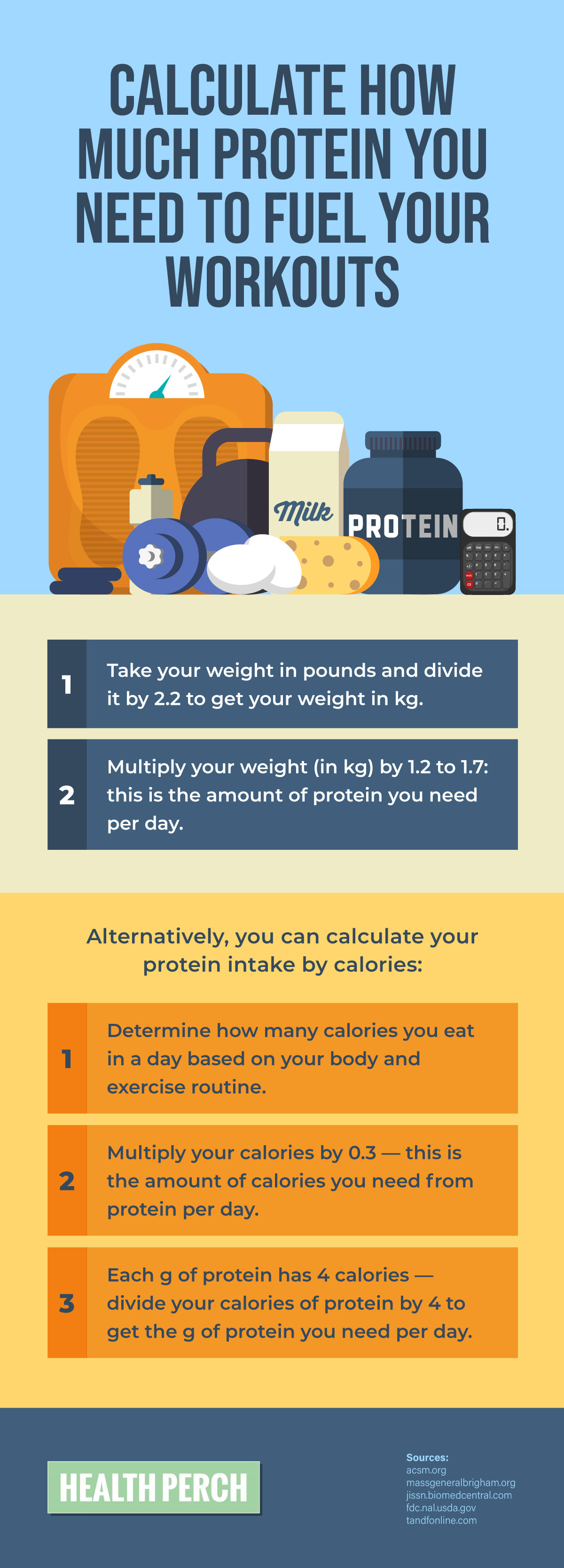
Traditional guidelines for protein intake often present a broad range, such as 0.8 grams per kilogram of body weight for sedentary adults, or slightly higher for athletes. While these figures serve as minimums to prevent deficiency, they seldom represent the optimal intake for specific goals or unique biological profiles. Factors like age, gender, body composition, metabolic rate, and the intensity and type of physical activity all significantly impact protein requirements. Relying solely on a one-size-fits-all approach can lead to suboptimal results, either by under-consuming protein and hindering progress, or over-consuming, potentially straining kidneys or displacing other vital macronutrients. Technology steps in to bridge this gap, offering tools that can parse these complex variables.
The Role of Individual Variables in Tech-Driven Nutrition
Modern nutritional science emphasizes individuality, a principle perfectly mirrored by today’s tech solutions. Instead of guessing, users can now input detailed personal data into advanced algorithms. These platforms consider:
-
Age: Protein synthesis rates decline with age, necessitating higher intake for older adults to combat sarcopenia (muscle loss).
-
Activity Level and Type: Endurance athletes, strength trainers, and individuals with highly active jobs have vastly different energy expenditures and muscle repair needs compared to a sedentary office worker.
-
Body Composition: Lean body mass, rather than total body weight, is often a more accurate metric for calculating protein needs, especially for those aiming to reduce body fat or build muscle.
-
Health Goals: Whether the aim is fat loss (where higher protein promotes satiety and muscle preservation), muscle gain (requiring ample amino acids for synthesis), or injury recovery, protein requirements will shift accordingly.
-
Dietary Preferences and Restrictions: Vegan or vegetarian diets, for example, require careful planning to ensure adequate intake of essential amino acids, often needing higher overall protein consumption from plant-based sources.
By leveraging sophisticated software, users can account for these variables, moving from generic advice to highly customized recommendations that evolve with their progress and changing circumstances.
Digital Tools and Apps: Your Personal Protein Coaches
The most accessible entry point into tech-driven protein management is through the vast array of digital tools and applications available on smartphones and other smart devices. These platforms empower users to track, plan, and optimize their protein intake with unprecedented ease and detail.
Macro Trackers and Food Diaries
These are perhaps the most popular and foundational digital tools for dietary management. Apps like MyFitnessPal, Cronometer, and LoseIt! allow users to log their food intake by scanning barcodes, searching extensive databases, or manually entering meals. The power lies in their ability to instantly break down the nutritional content, including protein, carbohydrates, and fats, for each food item.
-
Real-time Feedback: Users receive immediate feedback on their daily protein consumption, allowing for adjustments throughout the day.
-
Goal Setting: Most apps enable users to set personalized protein targets based on their calculated needs (often using a built-in calculator or custom input).
-
Historical Data: Over time, these apps build a comprehensive record of dietary habits, revealing patterns and helping users identify areas for improvement or consistency.
-
Community Support: Many apps integrate social features, allowing users to share progress and seek motivation, adding another layer of engagement.
Smart Devices and Wearables for Activity Data
The rise of wearables like Apple Watch, Fitbit, Garmin, and Whoop has added another dimension to personalized nutrition. These devices continuously monitor activity levels, heart rate, sleep patterns, and even estimated calorie expenditure.
-
Dynamic Adjustment: Data from wearables can be integrated with nutrition tracking apps, providing a more accurate picture of energy balance and metabolic needs. For instance, a particularly intense workout logged by a smartwatch might automatically suggest a slightly higher protein target for recovery on that specific day.
-
Recovery Monitoring: Some advanced wearables offer recovery metrics, which can implicitly inform protein needs by indicating how well the body is recovering from stress, potentially signaling a need for increased nutritional support.
-
Motivation and Adherence: By showing the impact of activity on overall calorie and macro needs, wearables provide a powerful feedback loop, encouraging consistent exercise and adherence to dietary plans.
Recipe Generators and Meal Planners with Protein Focus
Beyond tracking what you have eaten, technology also helps plan what you will eat. Dedicated meal planning apps and websites, often integrated with or standalone from macro trackers, allow users to build meal plans tailored to specific protein targets.
-
Automated Meal Suggestions: Users can input their protein goals and dietary preferences (e.g., vegetarian, low-carb, high-protein), and the software will generate meal ideas or full meal plans complete with recipes and nutritional breakdowns.
-
Grocery List Generation: Many planning tools automatically compile grocery lists based on the selected recipes, streamlining the shopping process and reducing food waste.
-
“Macro-Friendly” Recipes: A growing number of platforms specialize in recipes that are explicitly designed to hit specific macronutrient ratios, making it easier for users to find delicious meals that align with their protein targets. This is particularly useful for those on strict dietary regimens.
AI and Machine Learning: Precision in Protein Prescription
The cutting edge of nutritional technology lies in artificial intelligence (AI) and machine learning (ML). These advanced algorithms move beyond simple calculations to offer truly dynamic, predictive, and highly personalized protein recommendations.
Predictive Analytics for Dynamic Protein Needs
AI models can analyze vast datasets, including personal biometrics, activity logs, dietary history, and even genetic predispositions (if provided), to predict an individual’s evolving protein requirements.
-
Adaptive Recommendations: Instead of static goals, AI-powered platforms can dynamically adjust protein targets based on daily activity, sleep quality, stress levels, and even menstrual cycles for women, recognizing that an individual’s needs are not constant.
-
Performance Optimization: For athletes, AI can analyze training load and performance data to recommend optimal protein timing and amounts to maximize recovery and adaptation, potentially preventing overtraining or under-fueling.
-
Contextual Understanding: An AI could learn that on days a user performs heavy resistance training, they consistently benefit from a higher protein intake, and proactively suggest it.
AI-Powered Dietary Assessments and Recommendations
Some of the most innovative AI tools act as virtual dietitians, offering highly sophisticated assessments and recommendations.
-
Personalized Insights: AI can analyze dietary patterns logged over time to identify nutritional gaps or excesses, not just for protein but across all nutrients. It can then suggest specific foods or supplements to balance the diet.
-
Behavioral Nudging: Through machine learning, these platforms can understand user behavior and offer timely prompts or reminders to help maintain consistency, such as suggesting a high-protein snack when energy levels typically dip.
-
Genetic-Based Nutrition (Nutrigenomics): While still an emerging field, AI can integrate genetic testing results to provide hyper-personalized protein recommendations based on how an individual’s genes interact with specific nutrients. For example, some genetic variations might affect protein metabolism or absorption, leading to adjusted recommendations.
The Future of Personalized Nutrition Platforms
The trend points towards increasingly integrated and intelligent platforms. Imagine a future where:
-
Your smart fridge tracks food inventory and suggests high-protein meal components.
-
Your smart scale measures body composition daily, sending data to an AI that adjusts your protein goal.
-
Your health app uses predictive analytics to suggest protein intake fluctuations based on your sleep quality, stress markers from a wearable, and your workout intensity.
-
AI-driven chatbots provide instant, personalized advice on protein sources or meal prep based on your real-time needs and preferences.
These integrated systems promise to make working out your protein needs an effortless, highly accurate, and deeply personalized experience.
Ensuring Accuracy and Data Security in Your Tech-Driven Protein Journey
While technology offers immense benefits, it’s crucial to approach its use with a critical eye, prioritizing accuracy and safeguarding personal data.
Evaluating App Reliability and Scientific Backing
Not all apps are created equal. When choosing digital tools for protein calculation and tracking, consider:
-
Data Source Quality: Does the app use a comprehensive and scientifically validated food database? Inaccurate data inputs will lead to inaccurate outputs.
-
Algorithm Transparency: While proprietary, reputable apps often provide some insight into the methodology behind their recommendations. Are their protein calculations based on established nutritional science?
-
User Reviews and Reputation: Look for apps with consistently positive reviews, particularly regarding accuracy and user-friendliness.
-
Integration with Health Professionals: Some platforms are designed for use in conjunction with dietitians or coaches, ensuring a layer of professional oversight.
Protecting Your Personal Health Data
Inputting detailed dietary, activity, and biometric data into apps raises significant privacy concerns.
-
Read Privacy Policies: Understand how your data is collected, stored, used, and shared. Choose apps with transparent and robust privacy practices.
-
Data Encryption: Ensure the app uses secure encryption for your data, both in transit and at rest.
-
Permissions: Be mindful of the permissions you grant an app (e.g., access to location, photos). Only grant what is strictly necessary for its functionality.
-
Anonymized Data: Some apps may use anonymized, aggregated data for research or feature development. Ensure this is explicitly stated and that your personal identity is protected.
Integrating Professional Guidance with Digital Insights
Technology is a powerful tool, but it is not a replacement for human expertise, especially for complex health conditions or specific athletic goals.
-
Consult a Registered Dietitian: For individuals with underlying health issues, specific medical conditions, or advanced performance goals, a registered dietitian can provide tailored advice and help interpret the data from your apps.
-
Leverage Tech for Communication: Many dietitians now use or recommend specific apps to clients, using the data to monitor progress, identify challenges, and fine-tune recommendations more effectively than ever before.
-
Critical Interpretation: Learn to critically evaluate the insights provided by technology. If an AI suggests something that feels off, cross-reference it with credible sources or consult a professional.
The Synergy of Human Expertise and Digital Assistance
Ultimately, the most effective way to “work out how much protein you need” combines the analytical power of technology with the nuanced understanding and personalized guidance of human experts. Technology empowers individuals with information and tools for self-management, making the journey towards optimal protein intake more accessible and efficient than ever before.
When to Consult a Nutrition Professional
While apps can calculate, track, and even suggest, they cannot fully replicate the holistic assessment and empathetic guidance of a human professional. Consider consulting a dietitian or sports nutritionist if:
-
You have a chronic health condition (e.g., kidney disease, diabetes).
-
You are pregnant or breastfeeding.
-
You are experiencing disordered eating patterns.
-
You are an elite athlete with highly specific performance goals.
-
You are not seeing desired results despite consistent app use.
-
You feel overwhelmed by the data and need help making sense of it.

Empowering Informed Choices Through Technology
For the vast majority, however, technology acts as an invaluable assistant. It demystifies complex nutritional science, provides actionable insights, and streamlines the process of managing dietary intake. By embracing these digital tools, individuals can move from guesswork to precision, making informed decisions about their protein needs and ultimately taking greater control over their health and well-being. The future of nutrition is undoubtedly digital, offering a personalized roadmap to achieving your unique protein goals with unprecedented accuracy and engagement.
aViewFromTheCave is a participant in the Amazon Services LLC Associates Program, an affiliate advertising program designed to provide a means for sites to earn advertising fees by advertising and linking to Amazon.com. Amazon, the Amazon logo, AmazonSupply, and the AmazonSupply logo are trademarks of Amazon.com, Inc. or its affiliates. As an Amazon Associate we earn affiliate commissions from qualifying purchases.