
In an increasingly health-conscious world, understanding one’s daily calorie requirement is fundamental to achieving a wide array of wellness goals, from weight management to optimizing athletic performance. Gone are the days when such calculations were confined to the pages of textbooks or required intricate manual computations. Today, the landscape of nutritional planning has been revolutionized by technology, transforming a complex biological concept into an accessible, data-driven endeavor. This article delves into how modern tech tools empower individuals to accurately determine their caloric needs, offering precision, personalization, and actionable insights that were once unimaginable.
The Digital Revolution in Calorie Tracking: Beyond Manual Math
The journey to understanding daily calorie requirements has undergone a profound transformation, moving from rudimentary methods to sophisticated digital solutions. This evolution has made precise nutritional planning more attainable for the average individual, leveraging the power of connectivity and computational prowess.
From Pen-and-Paper to Pixels: A Brief Evolution
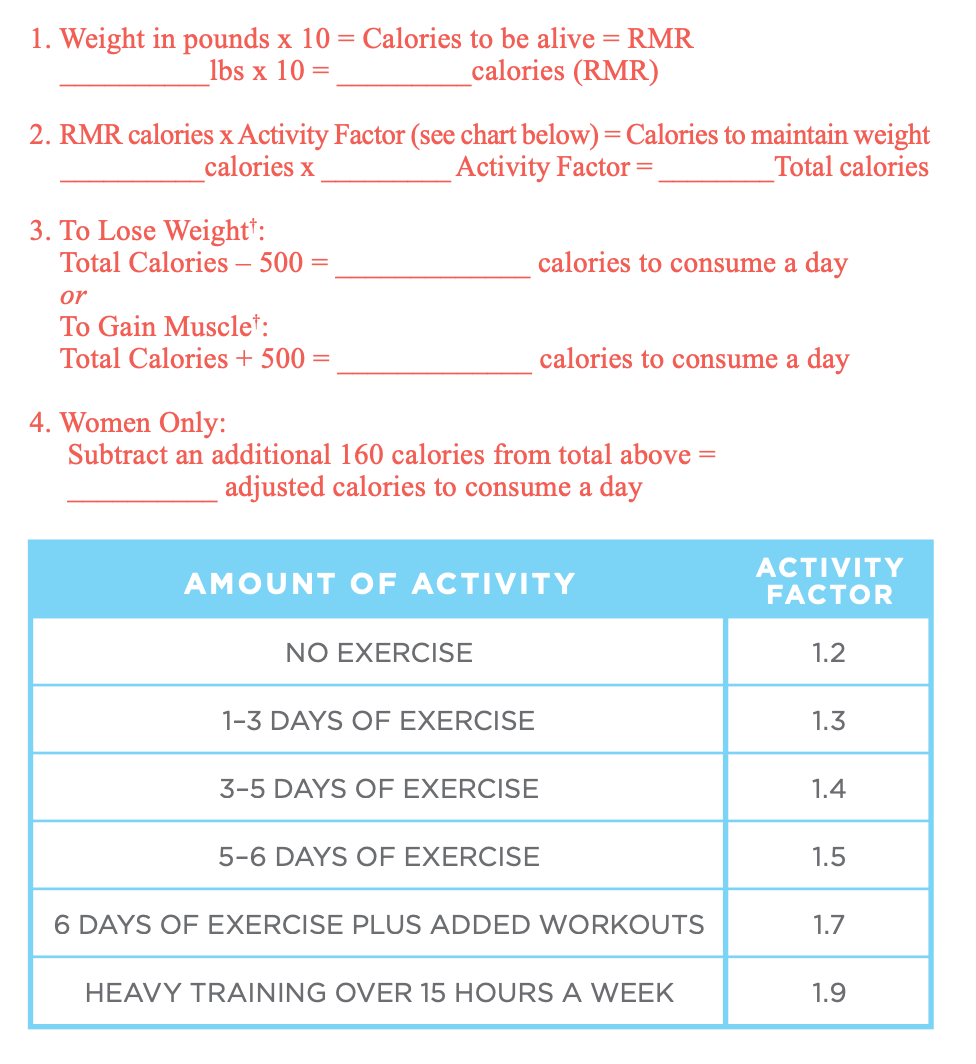
Historically, calculating daily calorie needs involved understanding basic metabolic formulas, consulting nutrition charts, and meticulously tracking food intake with pen and paper. The process was often tedious, prone to human error, and lacked real-time feedback. You’d estimate your Basal Metabolic Rate (BMR) using equations like Mifflin-St Jeor or Harris-Benedict, then apply an activity factor. Food logging was a manual entry process, estimating portion sizes and looking up nutritional data from physical guides. This approach, while foundational, presented significant barriers to consistent and accurate tracking, limiting its practicality for most people. The rise of personal computers brought early spreadsheets, offering a slight improvement, but it was the advent of the internet, smartphones, and wearable technology that truly democratized and digitized calorie management.
Why Accuracy Matters: The Digital Advantage
The precision offered by digital tools is a game-changer. Accurate calorie tracking is crucial because even small, consistent deviations from your actual needs can lead to significant long-term health impacts. Underestimating caloric intake can hinder muscle gain and lead to nutrient deficiencies, while overestimating can result in unwanted weight gain. Digital tools mitigate common sources of error:
-
Automated Calculations: Apps and online platforms instantly apply complex formulas, removing the risk of arithmetic mistakes.
-
Vast Food Databases: Access to extensive, frequently updated food databases with precise nutritional information for thousands of items, including branded products and restaurant meals, drastically improves the accuracy of logged intake. Many even allow barcode scanning for effortless entry.
-
Real-time Feedback: Digital platforms provide immediate summaries of calorie intake versus expenditure, allowing for timely adjustments rather than retrospective analysis.
-
Data Aggregation: Modern tools can integrate data from multiple sources, like smart scales and fitness trackers, to paint a more comprehensive and accurate picture of energy balance. This level of integrated, error-minimized data collection provides a foundational advantage that manual methods simply cannot match.
Leveraging Smart Tools for Precise Calorie Estimation
The digital ecosystem offers a rich array of tools, each designed to simplify and enhance the process of determining and tracking daily calorie requirements. From the palm of your hand to advanced algorithms, technology provides multiple entry points for personalized nutritional management.
Mobile Applications: Your Pocket Nutritionist
Smartphone applications have emerged as the primary gateway for many individuals seeking to manage their calorie intake. Apps like MyFitnessPal, Lose It!, Cronometer, and MyPlate serve as comprehensive digital diaries, allowing users to log meals, track exercise, and monitor progress.
-
Personalized Profiles: Upon setup, these apps typically prompt users to input personal details such as age, gender, height, weight, activity level, and weight goals (maintain, lose, gain). This data is then used to calculate an initial daily calorie target based on established metabolic equations.
-
Extensive Food Databases: A core feature is their vast, searchable food databases, often crowdsourced and continuously updated. Users can easily find specific foods, portion sizes, and detailed macronutrient breakdowns (carbohydrates, protein, fat), along with micronutrients.
-
Barcode Scanners & Recipe Builders: Many apps include barcode scanners, allowing users to quickly log packaged foods. Recipe builders enable users to input ingredients for home-cooked meals, with the app automatically calculating the nutritional content per serving.
-
Progress Tracking & Analytics: Beyond logging, these apps offer robust analytics, displaying daily, weekly, and monthly trends in calorie intake, macronutrient distribution, and weight fluctuations. This visual feedback is crucial for motivation and making informed adjustments.
Wearable Technology: Real-time Energy Expenditure
Wearable fitness trackers, smartwatches, and other biometric devices have revolutionized the expenditure side of the calorie equation. Devices from brands like Fitbit, Apple Watch, Garmin, and Whoop continually monitor various physiological metrics, providing a more dynamic and personalized estimate of calories burned.
-
Activity Tracking: These devices track steps taken, distance covered, and active minutes throughout the day.
-
Heart Rate Monitoring: Continuous heart rate monitoring, particularly during exercise, allows for a more accurate calculation of calorie expenditure during workouts compared to simple formulaic estimates.
-
Advanced Algorithms: Modern wearables use sophisticated algorithms, often incorporating individual biometrics (age, weight, height) and data from accelerometers, gyroscopes, and heart rate sensors, to estimate total daily energy expenditure (TDEE). This includes calories burned during exercise, non-exercise activity thermogenesis (NEAT), and resting metabolic rate.
-
Sleep Tracking: While not directly calculating calories, sleep tracking provides data on recovery and overall physiological stress, which can indirectly influence metabolic function and energy levels, offering a holistic view of well-being.
Online Calculators and AI-Powered Platforms: Instant Insights
For those who prefer a less integrated approach or are seeking a quick estimate, a multitude of online calculators and more advanced AI-powered platforms exist.
-
Basic Online Calculators: Websites abound with simple tools that require basic inputs (age, gender, height, weight, activity level) to quickly provide an estimated BMR and TDEE. These are useful for a general starting point but lack the personalization and tracking capabilities of apps.
-
AI-Powered Nutrition Coaches: The cutting edge of calorie calculation involves artificial intelligence and machine learning. Platforms are emerging that go beyond static formulas, using AI to:
-
Adapt Targets: Dynamically adjust calorie and macronutrient targets based on observed weight changes, exercise intensity, and even sleep patterns.
-
Predictive Analytics: Analyze user data to identify patterns and offer predictive advice on how dietary changes might impact future outcomes.
-
Personalized Recommendations: Provide tailored meal suggestions, recipes, and workout plans based on individual preferences, dietary restrictions, and progress towards goals.
-
Image Recognition: Some advanced apps can even use AI to estimate calorie and macro content from photos of meals, simplifying food logging further. These AI systems learn from vast datasets and individual user feedback, offering an evolving and highly customized approach to calorie management.
-
Understanding the Algorithms: The Science Behind the Screens
While the user interface of these tech tools simplifies the experience, the efficacy lies in the sophisticated algorithms and scientific principles they employ. A basic understanding of these underlying mechanisms helps in appreciating the precision and making informed decisions.
Basal Metabolic Rate (BMR) and Activity Factor Integration
At the heart of any calorie calculation lies the Basal Metabolic Rate (BMR), the number of calories your body burns at rest to maintain basic physiological functions (breathing, circulation, organ function). Most digital tools use established scientific equations to estimate BMR:
-
Mifflin-St Jeor Equation: Often considered one of the most accurate equations, it takes into account gender, age, weight, and height.
-
Harris-Benedict Equation: An older, but still widely used formula, also considers gender, age, weight, and height.
-
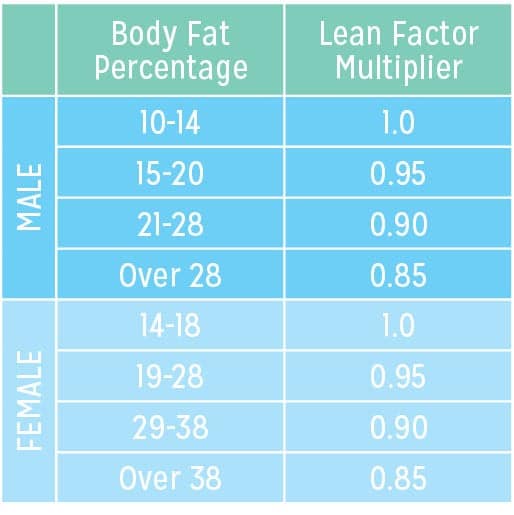
Katch-McArdle Formula: This equation, unlike the others, specifically uses Lean Body Mass (LBM), making it potentially more accurate for individuals with varying body compositions, though it requires an LBM input.
Once BMR is established, digital tools then factor in your activity level to determine your Total Daily Energy Expenditure (TDEE). This is done by multiplying your BMR by an activity factor (e.g., sedentary, lightly active, moderately active, very active, extra active). Wearable technology takes this a step further by using real-time sensor data (heart rate, movement) to dynamically adjust this activity factor, providing a far more accurate TDEE estimate than a static, self-reported activity level.
Personalization Through Machine Learning and User Data
The real power of advanced digital platforms, especially those incorporating AI, comes from their ability to personalize and learn from your specific data.
-
Adaptive Learning: Instead of rigidly sticking to an initial TDEE calculation, intelligent algorithms monitor your actual weight changes over time against your logged calorie intake and expenditure. If you’re consistently eating your target calories but not losing weight as expected, the algorithm might infer that your actual TDEE is lower than initially estimated and suggest a downward adjustment, or vice-versa.
-
Behavioral Insights: Machine learning can identify patterns in your eating habits, exercise routines, and even sleep quality that impact your energy balance. It can provide insights like “you tend to overeat on weekends” or “your calorie burn is significantly higher on gym days.”
-
Predictive Modeling: By analyzing vast amounts of user data, AI can make more educated predictions about how your body might respond to certain dietary or activity changes, helping to refine future recommendations. This iterative process of tracking, analyzing, and adapting makes the calorie calculation truly dynamic and tailored to the individual.
Setting Goals: Weight Loss, Gain, or Maintenance
Once your TDEE is estimated, digital tools make it simple to adjust your calorie target based on your specific goals:
-
Weight Loss: To lose weight, a caloric deficit is required. Apps automatically subtract a predetermined number of calories (e.g., 500 calories per day for roughly one pound of weight loss per week) from your TDEE.
-
Weight Gain: For weight gain (typically muscle mass), a caloric surplus is needed. Apps will add calories to your TDEE, usually in increments of 250-500 calories per day.
-
Maintenance: To maintain your current weight, your calorie intake should ideally match your TDEE.
Many platforms also allow you to specify the rate of weight loss or gain, further customizing the calorie target. The combination of scientifically validated formulas with adaptive learning ensures that the calorie targets provided are not just theoretical, but continuously refined based on your body’s unique response.
Optimizing Your Calorie Management with Integrated Ecosystems
The true strength of modern calorie calculation and management lies in the ability of various tech tools to communicate and synthesize data. An integrated digital ecosystem provides a holistic, dynamic view of your energy balance, far surpassing the capabilities of isolated tools.
Syncing Devices for a Holistic View
The seamless integration between different digital health tools is paramount for comprehensive calorie management.
-
App-to-App Integration: Most popular calorie tracking apps (e.g., MyFitnessPal) can sync with a wide array of other health and fitness applications (e.g., Strava, Google Fit, Apple Health). This allows exercise data from one platform to automatically populate into your calorie tracker, deducting calories burned from your net intake target.
-
Wearable-to-App Connectivity: Fitness trackers and smartwatches are designed to integrate directly with calorie management apps. This means your daily steps, active minutes, and estimated calorie burn from your wearable are automatically transmitted to your nutrition app. This eliminates manual entry for activity, significantly improving the accuracy of your “calories out” side of the equation.
-
Smart Scales: Connectivity extends to smart scales, which can automatically record your weight, body fat percentage, and other metrics directly into your tracking app. This provides objective data on progress, allowing the app’s algorithms to recalibrate calorie goals as your weight changes.
This interconnectedness creates a dynamic feedback loop: you log food, your wearable tracks activity, your scale tracks weight, and your primary calorie app synthesizes all this data to provide an accurate, real-time assessment of your energy balance and progress towards your goals.
Data Analysis and Trend Identification
Beyond simple numerical tracking, the integrated digital ecosystem excels at providing insightful data analysis.
-
Comprehensive Dashboards: Unified dashboards in leading apps consolidate all your health metrics – calories, macros, weight, activity, sleep – into an easy-to-understand visual format.
-
Trend Reports: Users can generate reports that illustrate trends over days, weeks, or months. This helps identify patterns that might not be obvious from daily tracking alone, such as consistent under-eating on certain days or fluctuations in weight tied to specific dietary choices.
-
Macronutrient Breakdowns: Many apps provide detailed charts showing your daily and weekly breakdown of carbohydrates, protein, and fats. This is crucial for optimizing not just total calories, but also the quality and composition of your diet, which is particularly important for athletes or individuals with specific dietary needs.
-
Performance Metrics: For athletes, integrating training apps allows for correlations between calorie intake, macro distribution, and performance metrics, helping to fine-tune nutrition for peak physical output and recovery.
These analytical capabilities empower users to move beyond mere tracking to genuine understanding, enabling them to make data-driven decisions about their nutrition and lifestyle.
The Role of Digital Coaching and Community Features
The tech landscape also offers valuable support mechanisms that complement the purely numerical aspects of calorie calculation.
-
AI-Driven Coaching: Some advanced platforms offer AI-driven coaching, providing personalized tips, reminders, and motivational messages based on your tracked data and identified patterns. This can range from suggesting healthier food swaps to recommending specific workout adjustments.
-
Expert Integration: Many apps allow for seamless sharing of data with registered dietitians or personal trainers, facilitating professional guidance based on real-world tracking. This bridges the gap between self-tracking and expert intervention.
-
Community Support: Features like forums, social sharing, and challenges within apps foster a sense of community. Users can share experiences, tips, and encouragement, which can be a powerful motivator for long-term adherence to calorie goals. This blend of analytical precision and social support creates a powerful environment for sustained health and wellness management.
Navigating the Digital Landscape: Choosing the Right Calorie Tracking Tech
With a vast array of digital tools available, selecting the appropriate technology for calculating and managing your daily calorie requirements can seem daunting. The key is to match the features and complexity of the tech with your personal needs, technical comfort level, and specific health goals.
Key Features to Look For in Apps and Devices
When evaluating calorie tracking technology, consider the following essential features:
-
User-Friendly Interface: The app or device should be intuitive and easy to navigate. A complex interface can lead to frustration and abandonment.
-
Comprehensive Food Database: A vast, accurate, and regularly updated food database is critical. Look for features like barcode scanning, restaurant food options, and the ability to save custom meals or recipes.
-
Integration Capabilities: Ensure the app or device can seamlessly sync with other health apps, wearables, and smart devices you already use or plan to use (e.g., Apple Health, Google Fit, Fitbit, Garmin).
-
Customizable Goal Setting: The ability to set specific goals for weight loss, gain, or maintenance, along with macronutrient targets, is crucial for personalized nutrition.
-
Detailed Analytics and Reporting: Look for dashboards that offer clear visual summaries of your progress, calorie intake vs. expenditure, macronutrient breakdowns, and historical trends.
-
Customer Support and Community: Good customer support and an active user community can be invaluable for troubleshooting and motivation.
-
Cost vs. Features: Many apps offer a basic free version with premium paid tiers for advanced features. Evaluate if the paid features genuinely add value for your specific needs.
-
Privacy Policy: Understand how your personal health data is collected, stored, and used.
Data Privacy and Security Considerations
In an age where personal data is highly valuable, the privacy and security of your health information are paramount.
-
Read Privacy Policies: Before committing to an app or device, carefully review its privacy policy. Understand what data is collected, how it’s used, whether it’s shared with third parties, and how it’s secured.
-
Data Encryption: Ensure that the platform uses robust encryption to protect your data, both in transit and at rest.
-
Anonymity/Pseudonymity: Some platforms offer options for a degree of anonymity, or at least promise not to link your health data directly to your identifiable personal information for marketing purposes.
-
Permissions Granted: Be mindful of the permissions you grant to apps on your smartphone or access to your health data. Only grant necessary permissions.
-
Two-Factor Authentication (2FA): If available, enable 2FA for an added layer of security on your account.
Choosing reputable brands and platforms that have a strong track record in data security is always advisable.

Balancing Tech-Driven Tracking with Intuitive Eating
While technology offers unprecedented precision in calorie calculation and tracking, it’s vital to strike a balance with intuitive eating and a healthy relationship with food.
-
Avoid Obsession: Excessive reliance on numbers can sometimes lead to an unhealthy obsession with food and body image. Use technology as a guide, not a dictator.
-
Listen to Your Body: Technology can inform, but your body provides signals of hunger, fullness, and satisfaction. Learn to interpret these signals alongside your data.
-
Focus on Nutrient Density: While calorie numbers are important, the nutritional quality of those calories is equally, if not more, critical. Tech can help track macronutrients and micronutrients, but the ultimate goal is holistic health.
-
Periodic Breaks: Consider taking periodic breaks from rigorous tracking to practice intuitive eating and reduce potential mental fatigue.
-
Education over Enforcement: Use the data provided by tech to educate yourself about how different foods and activities impact your body, rather than simply enforcing strict rules.
By leveraging technology intelligently and responsibly, individuals can gain unparalleled insights into their daily calorie requirements and energy balance, empowering them to make informed choices that lead to sustainable health and wellness outcomes without losing sight of the broader picture of mindful living.
aViewFromTheCave is a participant in the Amazon Services LLC Associates Program, an affiliate advertising program designed to provide a means for sites to earn advertising fees by advertising and linking to Amazon.com. Amazon, the Amazon logo, AmazonSupply, and the AmazonSupply logo are trademarks of Amazon.com, Inc. or its affiliates. As an Amazon Associate we earn affiliate commissions from qualifying purchases.