
Retiring at 62 is a common aspiration for many, offering the allure of an earlier departure from the daily grind and more time to pursue passions. However, for those considering this path, one of the most pressing questions revolves around the financial implications, particularly concerning Social Security benefits. While you are eligible to start receiving Social Security retirement benefits as early as age 62, it’s crucial to understand that claiming at this age comes with a significant and permanent reduction compared to waiting until your Full Retirement Age (FRA) or beyond. This decision can impact your financial security for decades, making it one that warrants careful consideration and strategic planning. This article will delve into the intricacies of Social Security benefits at age 62, explore other potential income streams, and highlight critical financial planning considerations to help you make an informed choice about your early retirement.

Understanding Social Security Benefits at Age 62
The decision to claim Social Security benefits at age 62 is primarily driven by eligibility, as it is the earliest age you can begin receiving your monthly payments. However, this early claiming comes at a cost: a permanent reduction in your monthly benefit amount. The Social Security Administration (SSA) has a defined formula that adjusts your Primary Insurance Amount (PIA) based on the age at which you begin receiving benefits. Understanding this fundamental mechanism is crucial for anyone contemplating retirement at 62.
The Concept of Early Retirement and Benefit Reduction
Your Full Retirement Age (FRA) is the age at which you are entitled to 100% of your Social Security benefits, also known as your Primary Insurance Amount (PIA). This age varies depending on your birth year. For those born between 1943 and 1954, your FRA is 66. For those born in 1960 or later, your FRA is 67. If you opt to claim benefits before your FRA, your monthly payment will be reduced. The reduction is permanent, meaning it applies for the rest of your life. The maximum reduction occurs if you claim at age 62. For someone with an FRA of 67, claiming at 62 results in a 30% reduction from their PIA. For those with an FRA of 66, claiming at 62 results in a 25% reduction. This means if your PIA was $2,000, claiming at 62 (with an FRA of 67) would reduce your monthly benefit to $1,400. This is a substantial difference that needs to be factored into your long-term financial projections. The rationale behind this reduction is that you will be receiving benefits for a longer period, thus the total lifetime payout is designed to be approximately the same whether you claim early, at FRA, or later (up to age 70).
How Your Primary Insurance Amount (PIA) is Calculated
Your Primary Insurance Amount (PIA) is the monthly benefit you would receive if you retired at your Full Retirement Age (FRA). The SSA calculates your PIA based on your average indexed monthly earnings (AIME) over your 35 highest-earning years. “Indexed” means your past earnings are adjusted to reflect changes in general wage levels over time. If you have fewer than 35 years of earnings, the missing years are counted as zero, which can significantly lower your AIME and, consequently, your PIA. This calculation is a critical component, as all early or delayed retirement adjustments are made from this baseline figure. Understanding your PIA is the first step in estimating what your reduced benefit might be at age 62. The SSA provides an online “My Social Security” account where you can access your earnings record and receive estimated benefit amounts at different claiming ages.
Factors Affecting Your Benefit Amount at 62
Several factors beyond just your age at claiming can influence the actual amount you receive at 62. Firstly, your earnings record is paramount. A longer career with higher indexed earnings directly translates to a higher PIA. Conversely, periods of unemployment, low-wage work, or fewer than 35 years of contributions will reduce your PIA. Secondly, annual cost-of-living adjustments (COLAs) can impact your benefit. Once you start receiving benefits, your payment will typically increase with COLAs, helping to maintain your purchasing power. However, these adjustments are applied to your reduced benefit amount if you claim early. Thirdly, if you continue to work after claiming benefits at 62, an earnings test may apply. If your earnings exceed a certain annual limit, a portion of your Social Security benefits may be withheld. While these withheld benefits are not lost forever—they lead to a recalculation of your benefit at your FRA, potentially increasing future payments—they can significantly reduce your current income stream, making early claiming less advantageous if you plan to continue working full or part-time.
Navigating the Financial Impact of Early Claiming
Choosing to retire and claim Social Security at age 62 is a significant financial decision with long-lasting implications. The immediate benefit of receiving payments earlier must be weighed against the permanent reduction in your monthly income and how this impacts your overall retirement strategy. Understanding these impacts is crucial for avoiding potential financial shortfalls later in life.
The Permanent Reduction: What It Means for Your Lifetime Benefits
As discussed, claiming Social Security at 62 results in a permanent reduction of your monthly benefit. For someone with a Full Retirement Age (FRA) of 67, claiming at 62 means your monthly benefit is 30% less than what it would be at FRA. This isn’t just a temporary reduction; it’s a fixed percentage that applies to all future payments, including those adjusted for cost-of-living increases. While receiving money five years earlier might seem appealing, it means that for every month you live in retirement, you will receive a smaller check. This cumulative effect can lead to hundreds of thousands of dollars in lost income over a typical retirement lifespan, especially if you live into your 80s or 90s. Therefore, while your initial total benefits received might be higher for a few years due to early claiming, later in life, your cumulative benefits could be significantly lower than if you had waited. This trade-off between earlier access to funds and a lower lifetime income stream is at the heart of the early retirement dilemma.
Spousal Benefits and Early Claiming Decisions
The decision to claim Social Security early not only affects your individual benefit but can also have repercussions for your spouse, particularly if they are entitled to spousal benefits based on your earnings record. A spouse can receive up to 50% of your Primary Insurance Amount (PIA) if they claim at their own Full Retirement Age (FRA). However, if you claim your benefits early and, as a result, reduce your PIA, this reduction can indirectly affect your spouse’s potential benefit amount. While a spouse’s benefit is primarily reduced if they claim before their own FRA, the maximum amount they can receive is directly tied to your PIA. Furthermore, if you pass away, your surviving spouse may be eligible for survivor benefits, which are typically based on your benefit amount. If you claimed early and significantly reduced your benefit, your spouse’s potential survivor benefit could also be lower. Therefore, married couples need to consider their combined retirement income strategy and how one spouse’s claiming decision impacts the other’s potential benefits, both during their lifetime and as survivor benefits.
The Earnings Test: Working While Claiming Early
One of the often-overlooked aspects of claiming Social Security benefits at age 62 is the Social Security earnings test. If you start receiving benefits before your Full Retirement Age (FRA) and continue to work, the SSA will temporarily withhold a portion of your benefits if your earnings exceed a certain annual limit. For 2024, if you are under your FRA for the entire year, the SSA deducts $1 from your benefits for every $2 you earn above $22,320. In the year you reach your FRA, a different rule applies: the SSA deducts $1 for every $3 you earn above a higher limit ($59,520 in 2024) until the month you reach your FRA. Once you reach your FRA, the earnings test no longer applies, and you can earn any amount without your benefits being withheld. It’s important to note that any benefits withheld due to the earnings test are not permanently lost. When you reach your FRA, the SSA recalculates your benefit amount to give you credit for the months in which benefits were withheld, effectively increasing your future monthly payments. However, for those planning to work part-time or full-time after retiring at 62, the earnings test can significantly reduce your immediate Social Security income, potentially negating some of the advantages of early claiming.
Beyond Social Security: Other Income Streams for Early Retirement
While Social Security forms a crucial pillar of retirement income, it is rarely sufficient on its own, especially if you choose to claim early and receive a reduced benefit. For those retiring at 62, a well-rounded financial plan necessitates other robust income streams to cover living expenses, healthcare costs, and discretionary spending. Diversifying your income sources provides greater financial security and flexibility in your early retirement years.
Personal Savings and Investment Portfolios (401k, IRA, Brokerage Accounts)
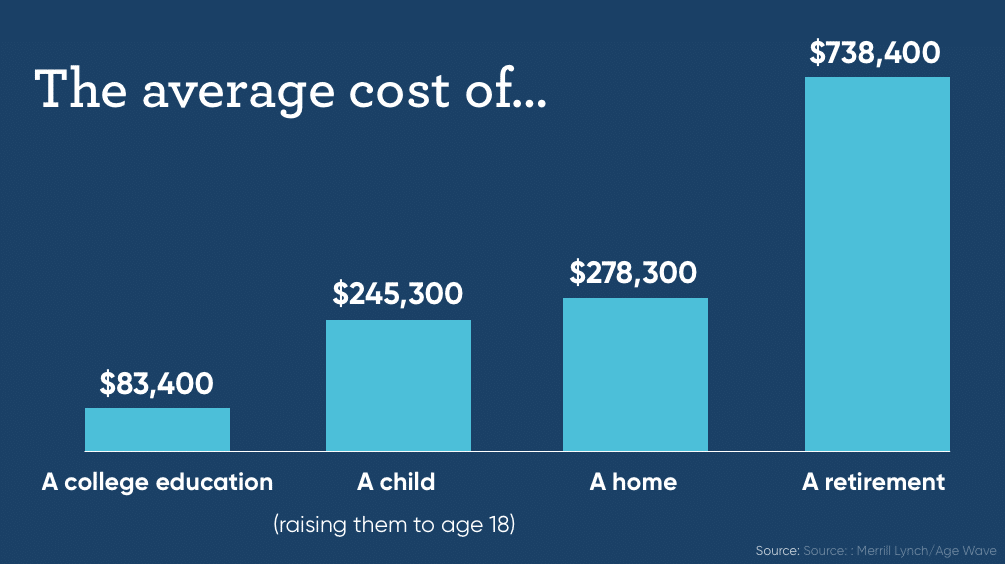
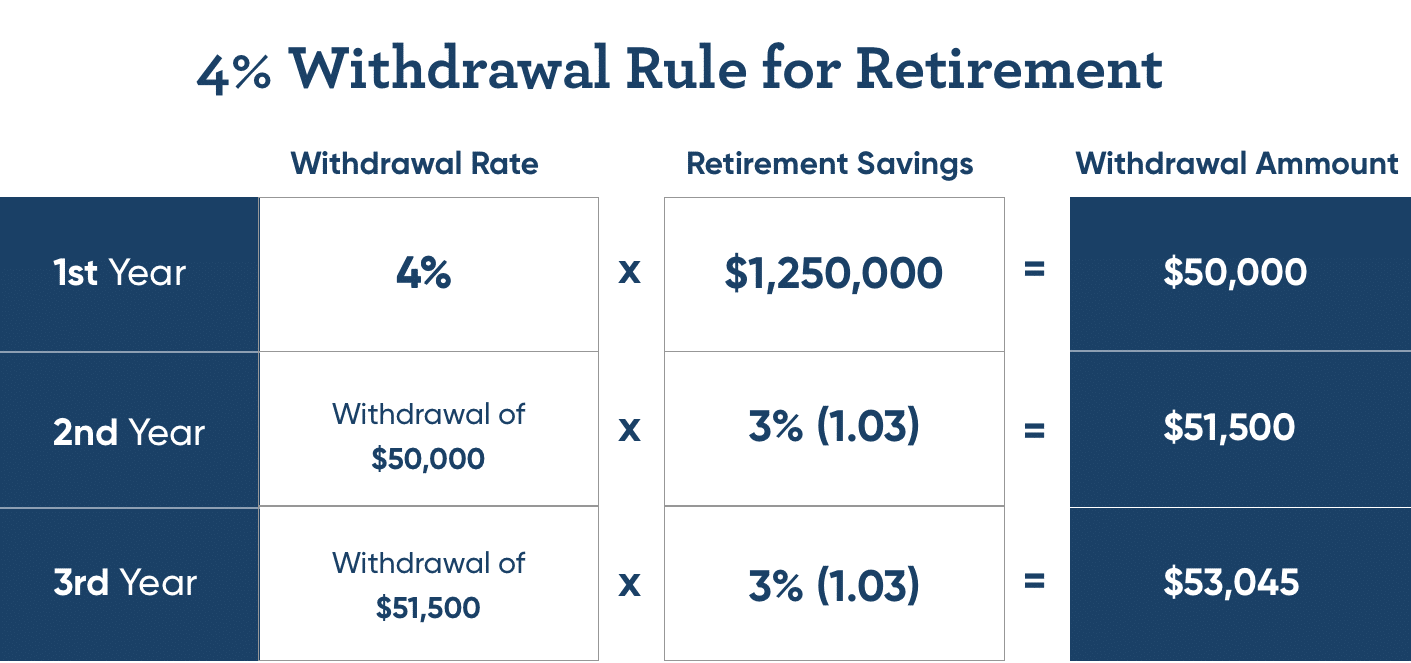
Your personal savings and investment portfolios are likely to be the primary engine of your early retirement income. This category includes funds accumulated in tax-advantaged accounts like 401(k)s and IRAs, as well as taxable brokerage accounts. Withdrawals from these accounts can bridge the income gap until your Social Security benefits potentially increase or become a more substantial portion of your overall income. For 401(k)s and traditional IRAs, withdrawals before age 59½ typically incur a 10% early withdrawal penalty, in addition to being subject to ordinary income tax. However, there are exceptions, such as the “rule of 55” for 401(k)s (if you leave your employer in the year you turn 55 or later) or substantially equal periodic payments (SEPPs) for IRAs. Roth IRAs offer more flexibility, as contributions can be withdrawn tax-free and penalty-free at any time, and qualified distributions of earnings are also tax-free and penalty-free after a five-year holding period and reaching age 59½ (or meeting other criteria). Strategically drawing down these accounts requires careful planning to minimize taxes, avoid penalties, and ensure longevity of your funds. A common approach is to use a “bucket strategy” or a “safe withdrawal rate” (e.g., the 4% rule) to manage distributions.
Pensions and Defined Benefit Plans
For a shrinking but still significant portion of the workforce, traditional pensions or defined benefit plans can provide a predictable and stable income stream in retirement. If you worked for an employer that offered such a plan, you might be eligible to receive a monthly payment for life, often starting at a specific age or after a certain number of years of service. Unlike Social Security, pension eligibility and payout amounts are determined by your employer’s plan rules. Some pensions may offer early retirement options, allowing you to begin receiving benefits before your normal retirement age, albeit often with a reduced payout. It’s essential to understand the terms of your specific pension plan, including any survivor benefits, cost-of-living adjustments, and lump-sum vs. annuity payout options. A pension can significantly supplement your Social Security income, potentially making early retirement at 62 more financially feasible without relying heavily on a reduced Social Security check or rapidly depleting personal savings.
Exploring Other Income Sources: Part-Time Work, Rental Income
To further diversify and bolster your early retirement finances, consider exploring other creative income sources. Part-time work or “encore careers” can provide not only additional income but also intellectual stimulation and social engagement. This could involve consulting in your former field, pursuing a passion project that generates income, or taking on a flexible part-time job. The income from such work can help delay drawing down your investment portfolios, allowing them more time to grow, or it can cover discretionary expenses. However, remember the Social Security earnings test if you are claiming benefits before your FRA. Another potential income stream is rental income from properties you own. If you have an investment property or even a spare room you can rent out, this can generate a consistent cash flow. Other possibilities include royalties from creative works, dividends from stock investments, or even income from a small business or online venture. The key is to explore options that align with your interests and financial needs, providing a multifaceted approach to funding your retirement years at 62.
Strategic Considerations for Retiring at 62
Retiring at 62 is more than just about how much money you’ll receive from Social Security; it involves a holistic evaluation of your financial, health, and lifestyle needs. A well-thought-out strategy must address immediate concerns like healthcare coverage and long-term risks such as outliving your savings, all while balancing your desire for early freedom with financial prudence.
Health Insurance in Early Retirement (Medicare Gap)
One of the most critical financial considerations for early retirees is healthcare coverage, particularly the gap before Medicare eligibility begins at age 65. If you retire at 62, you will have a three-year period during which you need to secure health insurance without the benefit of employer-sponsored plans or Medicare. The options typically include:
-
COBRA: If your former employer has 20 or more employees, you might be eligible to continue your employer-sponsored health plan through COBRA for up to 18 months. However, you will likely pay the full premium plus an administrative fee, which can be very expensive.
-
Affordable Care Act (ACA) Marketplace: You can purchase health insurance plans through your state’s ACA marketplace. Depending on your income, you may qualify for subsidies (premium tax credits) that can significantly reduce your monthly premiums. This is often the most cost-effective solution for early retirees.
-
Spousal Coverage: If your spouse is still working and has health insurance coverage through their employer, you might be able to join their plan.
-
Private Plans: You can purchase health insurance directly from an insurance company, though these plans might offer less comprehensive coverage or higher premiums than marketplace plans.
Failing to secure adequate health insurance can expose you to catastrophic medical costs, quickly eroding your retirement savings. Therefore, budgeting for health insurance premiums and out-of-pocket medical expenses for these three years is an indispensable part of your early retirement plan.
Long-Term Financial Planning and Longevity Risk
When retiring at 62, you face a potentially very long retirement period, especially with increasing life expectancies. This brings the “longevity risk” into sharp focus – the risk of outliving your savings. Strategic long-term financial planning is paramount. This includes establishing a robust investment withdrawal strategy that balances income needs with portfolio preservation, often employing a flexible spending approach rather than a rigid “4% rule.” You must consider inflation, which erodes purchasing power over time, and ensure your investment portfolio is structured to provide growth while mitigating risk. Additionally, thinking about potential long-term care needs is crucial. The costs of nursing homes or in-home care can be astronomical, and Medicare typically does not cover extended long-term care. Exploring long-term care insurance or self-funding strategies should be part of your comprehensive plan. A financial advisor can help you project your expenses, model different withdrawal scenarios, and assess the sustainability of your retirement income over a potentially 25-35 year (or longer) retirement horizon.
The Trade-offs: Quality of Life vs. Maximized Income
The decision to retire at 62 often involves a fundamental trade-off between maximizing your lifetime income and maximizing your quality of life in your earlier retirement years. While delaying Social Security until your FRA or even age 70 can lead to significantly higher monthly payments and potentially higher cumulative lifetime benefits, it means working longer. Conversely, retiring at 62 allows you to pursue hobbies, travel, spend time with family, or simply enjoy a slower pace of life for an additional five to eight years compared to waiting until your FRA. This “value of leisure” is subjective but highly significant.
The key is to strike a balance that aligns with your personal priorities, health, and financial capacity. For some, the mental and physical health benefits of early retirement might outweigh the financial cost of a reduced Social Security check. For others, the peace of mind that comes with a higher, guaranteed income stream later in life is more valuable. This decision requires introspection about your personal goals, health status, and what truly constitutes a “rich” retirement experience for you, recognizing that “rich” is not solely defined by the size of your monthly check but by the overall fulfillment and security of your life.
Steps to Estimate Your Specific Benefit Amount
Estimating your Social Security benefit amount at 62 is a critical first step in planning your early retirement. Fortunately, the Social Security Administration (SSA) provides excellent resources to help you gain clarity on your potential income streams. While online tools offer quick estimates, a comprehensive approach often involves reviewing official statements and consulting with professionals.
Utilizing the Social Security Administration’s Online Tools
The most direct and accurate way to estimate your Social Security benefits is by creating and regularly accessing your personal “My Social Security” account on the SSA website (www.ssa.gov). This free online portal allows you to:
-
View your complete earnings record: This is crucial for verifying that your earnings have been correctly reported to the SSA throughout your career. Errors can impact your benefit calculations.
-
Get personalized benefit estimates: The “My Social Security” account provides estimates of your monthly retirement benefits at various claiming ages, including 62, your Full Retirement Age (FRA), and age 70. These estimates are based on your actual earnings record, making them far more accurate than generic online calculators.
-
See estimates for disability and survivor benefits: Beyond retirement, the portal also provides estimates for potential disability benefits and benefits your family members might receive if you pass away.
-
Manage your benefits: Once you start receiving benefits, you can use this account to check your benefit status, print a benefit verification letter, and change your address or direct deposit information.
Regularly checking your “My Social Security” account from your 20s onwards is a prudent financial habit, ensuring the accuracy of your earnings record and keeping you informed about your future retirement prospects.
Consulting with a Financial Advisor
While the SSA’s online tools provide excellent estimates, a qualified financial advisor can offer personalized guidance tailored to your unique financial situation and retirement goals. A financial advisor specializing in retirement planning can help you:
-
Integrate Social Security into your broader retirement plan: They can analyze how claiming at 62 impacts your entire financial picture, including withdrawals from 401(k)s, IRAs, and other investment accounts, and help you develop a sustainable withdrawal strategy.
-
Evaluate spousal and survivor benefit strategies: For married couples, the decision of when each spouse claims benefits can be complex and has significant implications for lifetime income. An advisor can model different claiming scenarios to maximize combined benefits.
-
Address tax implications: Social Security benefits can be taxable depending on your “provisional income.” An advisor can help you understand these implications and develop strategies to minimize your tax burden in retirement.
-
Plan for healthcare costs: As discussed, the Medicare gap is a major concern for early retirees. An advisor can help you budget for health insurance premiums and other medical expenses.
-
Assess your overall risk tolerance and longevity risk: They can help you determine if retiring at 62 is truly feasible given your current savings, spending habits, and projected lifespan.
A good financial advisor acts as a strategic partner, helping you navigate the complexities of retirement and make informed decisions that align with your long-term well-being.
Reviewing Your Annual Social Security Statement
The Social Security Administration used to mail a physical statement to all workers aged 25 and over. While they now primarily encourage people to access their information online, you can still request a paper statement if you prefer. This annual statement provides a summary of your earnings history and estimates of your future benefits at various ages (62, FRA, and 70), along with disability and survivor benefit estimates. It’s crucial to review this statement (whether paper or online) carefully each year.
-
Check for earnings accuracy: Ensure that all your employers have correctly reported your annual earnings to the SSA. Discrepancies could lead to lower benefits. If you find errors, contact the SSA immediately to correct them, as there are time limits for making corrections.
-
Understand your estimated benefits: Use the statement as a baseline for your retirement planning. The estimates are based on the assumption that you will continue to earn at your current rate until retirement. If your earnings pattern changes, your actual benefits may differ.
Regularly reviewing your Social Security statement is a simple yet effective way to stay on top of your retirement planning and ensure that your future benefits are accurately reflected.
In conclusion, retiring at 62 presents a compelling opportunity for many, but it is a decision that requires meticulous planning and a clear understanding of its financial ramifications. While claiming Social Security benefits at this age offers immediate access to funds, it comes with a permanent reduction that can significantly impact your lifetime income. Beyond Social Security, successful early retirement hinges on robust personal savings, potential pensions, and a willingness to explore supplementary income streams. Crucial considerations like navigating the Medicare gap for healthcare, mitigating longevity risk through strategic financial planning, and thoughtfully weighing the trade-offs between early freedom and maximized income are paramount. By utilizing the SSA’s tools, reviewing your annual statements, and consulting with a financial advisor, you can accurately estimate your benefits and build a comprehensive plan that empowers you to achieve a secure and fulfilling early retirement.
aViewFromTheCave is a participant in the Amazon Services LLC Associates Program, an affiliate advertising program designed to provide a means for sites to earn advertising fees by advertising and linking to Amazon.com. Amazon, the Amazon logo, AmazonSupply, and the AmazonSupply logo are trademarks of Amazon.com, Inc. or its affiliates. As an Amazon Associate we earn affiliate commissions from qualifying purchases.