
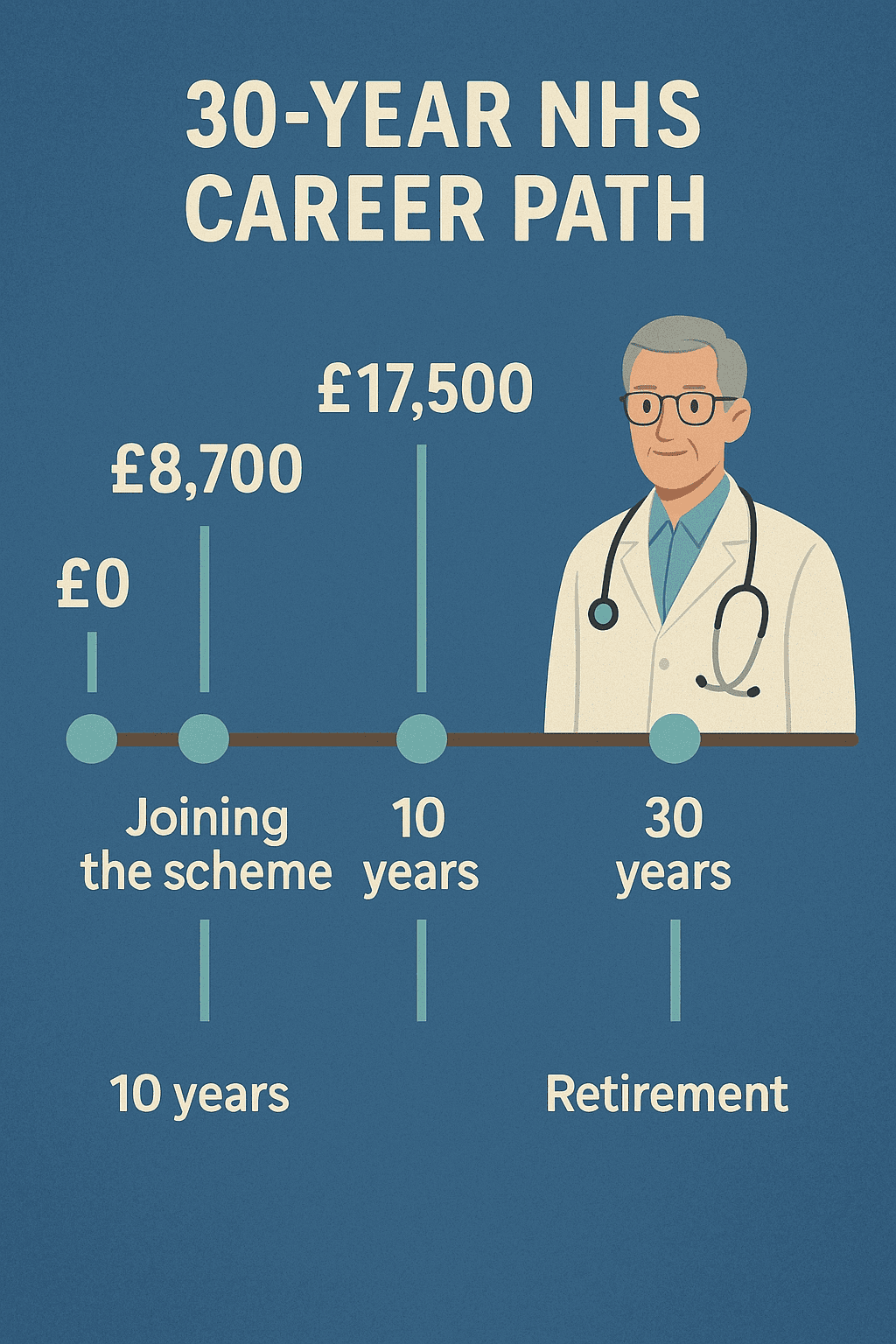
Retirement planning is one of the most critical financial journeys an individual undertakes. For many, the ultimate goal is to achieve financial independence and enjoy a comfortable life without the pressures of daily work. A significant cornerstone of this plan is understanding your pension – specifically, how much you can expect to receive after 30 years of contributions. This isn’t a simple question with a single answer; it’s a complex calculation influenced by numerous variables, individual choices, and economic conditions. This article will delve into the intricacies of pension planning, helping you demystify the process and gain a clearer picture of your potential retirement income after three decades of dedicated saving.
Understanding the Foundation of Your Pension
Before calculating potential payouts, it’s crucial to grasp the fundamental types of pension schemes and the factors that universally influence them. The landscape of retirement savings has evolved, moving from predominantly employer-guaranteed benefits to individual-driven contributions.
Differentiating Pension Types: Defined Benefit vs. Defined Contribution
The first step in understanding your future pension is identifying the type of scheme you are part of. These two primary categories have vastly different implications for your ultimate payout:
-
Defined Benefit (DB) Schemes: Often referred to as “final salary” or “career average” pensions, these schemes promise a specific income level in retirement, typically based on your salary history, years of service, and a pre-defined formula. The employer bears the investment risk and is responsible for ensuring the fund can meet its obligations. While less common today in the private sector, they still exist, particularly in public service or older corporate schemes. With a DB scheme, after 30 years, your payout would be a percentage of your final or average salary for each year of service.
-
Defined Contribution (DC) Schemes: This is the most prevalent type of pension today, including 401(k)s, 403(b)s, IRAs, and most workplace pensions. In a DC scheme, you (and often your employer) contribute a defined amount to an individual investment pot. The value of your pension at retirement depends entirely on the total contributions made and the investment growth (or loss) of those contributions over time. You bear the investment risk, and there is no guaranteed payout level.
Key Variables Influencing Your Retirement Pot
Regardless of the scheme type, several core factors consistently shape the size of your pension after 30 years:
-
Contribution Levels: This is perhaps the most straightforward factor. The more you, and your employer, contribute to your pension fund, the larger it will grow. Consistent, high contributions over 30 years dramatically compound the final amount.
-
Investment Performance: For DC schemes, the return on your investments is paramount. A diversified portfolio with strong, consistent growth significantly boosts your pension pot. Even for DB schemes, the underlying fund’s performance indirectly affects the employer’s ability to maintain the fund.
-
Inflation: The purchasing power of money diminishes over time. A pension of $50,000 in 30 years will likely buy less than $50,000 today. Accounting for inflation is crucial for understanding the real value of your future pension.
-
Fees and Charges: All pension funds incur fees, whether for administration, fund management, or advisory services. Over 30 years, even seemingly small percentages can accumulate into substantial deductions from your total returns.
-
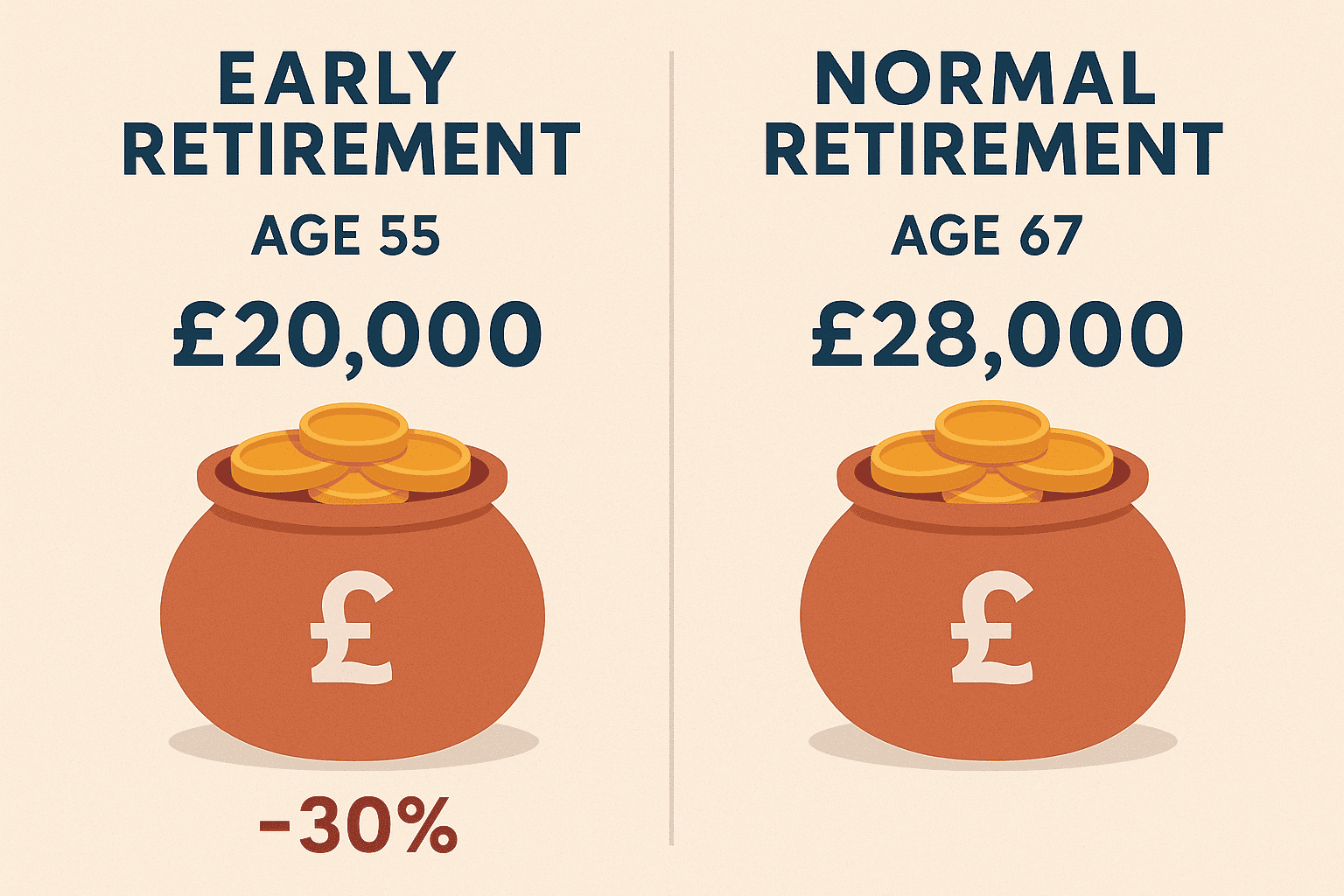
Retirement Age: When you decide to start drawing your pension significantly impacts the total amount you receive. Drawing earlier might reduce your annual income, while delaying could increase it.
-
Salary Growth: For DB schemes, a higher final or career-average salary means a larger pension. For DC schemes, higher salaries often enable larger contributions.
Projecting Your Defined Contribution Pension After 30 Years
For the majority of individuals with a Defined Contribution plan, estimating your pension after 30 years involves making projections based on your contributions and assumed investment returns. This requires a bit of foresight and understanding of financial principles.
The Power of Compounding and Consistent Contributions
Compound interest is often called the eighth wonder of the world, and it is the bedrock of DC pension growth. Money earned on your investments is reinvested, earning more money. Over a 30-year horizon, this effect is profound.
To illustrate, consider starting at age 35 and planning to retire at 65 (30 years).
-
Starting Salary: $60,000
-
Annual Salary Increase: 3%
-
Employee Contribution: 5% of salary
-
Employer Contribution: 5% of salary
-
Total Annual Contribution: 10% of salary
-
Average Annual Investment Return: 6% (after fees)
In this scenario, a consistent 10% contribution over 30 years, combined with salary increases and a steady 6% return, would lead to a substantial retirement pot. Early contributions benefit most from compounding. A person contributing $5,000 annually for 30 years at 6% would accumulate approximately $395,000. If contributions increase with salary, the numbers become even more compelling. For example, starting with $6,000/year (10% of $60,000) and increasing contributions by 3% annually alongside salary growth, with a 6% return, would lead to a fund of well over $1 million.
Navigating Investment Choices and Risk
The average annual investment return (e.g., 6% in the example above) is not guaranteed. It’s an average based on historical performance and future expectations. Your investment strategy plays a critical role:
-
Asset Allocation: Younger individuals (with a 30-year horizon) typically opt for growth-oriented portfolios with a higher allocation to equities, which offer higher potential returns but also higher volatility. As retirement approaches, a shift towards more conservative assets (bonds, cash) might be considered to preserve capital.
-
Diversification: Spreading investments across various asset classes, industries, and geographies helps mitigate risk.
-
Fees: High fees can erode your returns significantly over 30 years. A 1% difference in annual fees can mean tens, if not hundreds, of thousands of dollars less in your retirement fund. Always be aware of the fees associated with your pension plan and investment options.
Estimating Income from Your DC Pot
Once you have an estimated lump sum after 30 years, you need to convert it into an annual income. This typically involves:
-
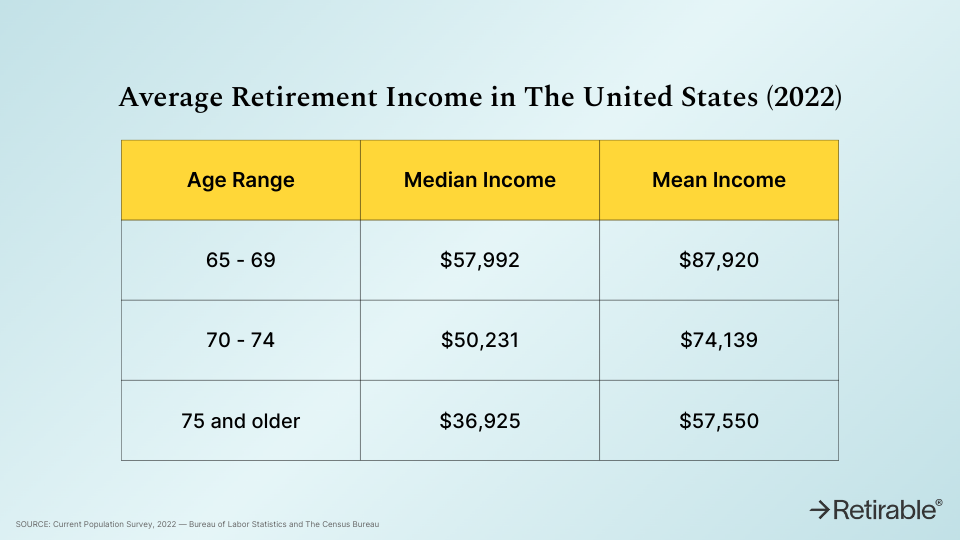
Withdrawal Rate: A commonly cited “safe” withdrawal rate is 4% of your initial retirement pot, adjusted for inflation annually. So, a $1 million pot could provide $40,000 in the first year. This rate is debated and depends on market conditions and individual circumstances.
-
Annuities: You can use your lump sum to purchase an annuity, which provides a guaranteed income stream for a set period or for life. The amount depends on prevailing interest rates, your age, and your health.
-
Phased Withdrawal/Drawdown: Many opt to keep their pot invested and draw down funds as needed, offering flexibility but also continued investment risk.
Factoring in Government Pensions and Other Income Streams
Your employer or personal pension is rarely the sole source of retirement income. Government-provided pensions play a crucial role for many, and other personal savings can supplement your lifestyle.
Understanding Government Pension Provisions
Most countries have a state or national pension scheme designed to provide a basic safety net in retirement. The eligibility criteria and benefit levels vary widely:
-
Eligibility: Typically based on your contribution history (e.g., number of years worked and contributed to social security or national insurance).
-
Benefit Amount: Often a flat rate or calculated based on average earnings over your working life. In many cases, it’s designed to provide a foundational income, not a luxurious lifestyle.
-
Retirement Age: The age at which you can claim your government pension is often standardized but can be subject to change by legislative bodies. For example, in the U.S., full Social Security benefits depend on your birth year, ranging from 66 to 67, though you can claim reduced benefits earlier or increased benefits later.
After 30 years of working and contributing, you would likely qualify for a full or near-full government pension, but its actual monetary value will depend on your specific country’s rules, your earnings history, and future policy changes. It’s crucial to check your national pension statements or use government online calculators to get a personalized estimate.
Integrating Personal Savings and Investments
A robust retirement plan often extends beyond formal pension schemes. After 30 years, any personal savings and investments you’ve cultivated will significantly boost your financial security. These might include:
-
Non-Pension Investment Accounts: Brokerage accounts holding stocks, bonds, mutual funds, or ETFs that are not restricted by pension rules.
-
Real Estate: Rental properties or the equity in your primary residence that could be leveraged (e.g., through downsizing) for retirement income.
-
Other Assets: Any other significant assets that can be converted to income or wealth in retirement.
Combining your employer pension, government pension, and personal assets provides a more comprehensive picture of your potential retirement income.
Strategies to Maximize Your Pension After 30 Years
Thirty years is a significant time horizon, offering ample opportunity to take proactive steps to enhance your retirement savings. Strategic planning and consistent effort can lead to a much more comfortable retirement.
Proactive Contribution and Investment Strategies
-
Maximize Contributions: Aim to contribute as much as you can, especially if your employer offers matching contributions. Not taking full advantage of an employer match is essentially turning down free money, significantly impacting your fund over 30 years. If possible, exceed the match.
-
Increase Contributions Over Time: As your salary grows, increase your contribution percentage. Even a small annual increment (e.g., an additional 0.5% or 1%) can have a profound effect due to compounding.
-
Strategic Investment Allocation: Regularly review and rebalance your investment portfolio. Ensure your asset allocation aligns with your risk tolerance and time horizon. For a 30-year window, a growth-oriented portfolio is usually appropriate, but adjust as you get closer to retirement.
-
Minimize Fees: Be vigilant about the fees charged by your pension providers and investment funds. Opt for low-cost index funds or ETFs where appropriate, as even small fee differences compound over decades.
Adapting to Life Changes and Market Fluctuations
-
Regular Reviews: Life changes – marriage, children, career shifts, salary increases – all impact your financial situation. Conduct annual reviews of your pension plan and make adjustments as needed.
-
Stay Informed: Keep an eye on market trends and economic forecasts, but avoid impulsive decisions based on short-term volatility. A 30-year horizon smooths out many market ups and downs.
-
Consider Professional Advice: A qualified financial advisor can provide personalized guidance, help you optimize your investment strategy, and ensure your plan remains on track, especially as your financial situation becomes more complex. They can also help navigate tax implications.
-
Understand Tax Implications: Different pension types and withdrawal strategies have varying tax consequences. Plan for these to maximize your net income in retirement.
Beyond the Numbers: Holistic Retirement Planning
While the monetary value of your pension is crucial, a truly satisfying retirement extends beyond mere calculations. Holistic planning considers your lifestyle, health, and broader financial security.
Envisioning Your Retirement Lifestyle
-
Define Your Goals: What does your ideal retirement look like? Travel, hobbies, spending time with family, volunteering, or starting a new venture? Your financial plan should support these aspirations.
-
Estimate Retirement Expenses: Factor in housing, food, transportation, leisure, and crucially, healthcare. Many underestimate healthcare costs, which can be significant in later life.
-
Longevity Planning: People are living longer. Your pension needs to last potentially 20, 30, or even 40 years beyond your retirement age. This long time horizon emphasizes the need for a robust and sustainable income stream.
Preparing for the Unexpected
-
Emergency Fund: Even in retirement, a robust emergency fund is essential for unforeseen expenses.
-
Healthcare Savings: Beyond general expenses, consider dedicated savings for medical costs, especially if you anticipate gaps in government or employer-provided healthcare coverage.
-
Long-Term Care: Explore options for long-term care insurance or self-funding for potential future care needs.
Ultimately, after 30 years of dedicated saving and strategic planning, the amount of pension you receive will be a testament to your foresight and discipline. There’s no single number that applies to everyone, but by actively managing your contributions, investments, and understanding the various components of your retirement income, you can significantly influence your financial future and secure the retirement you envision. It’s a journey that demands consistent attention, but the rewards of financial peace of mind are immeasurable.
aViewFromTheCave is a participant in the Amazon Services LLC Associates Program, an affiliate advertising program designed to provide a means for sites to earn advertising fees by advertising and linking to Amazon.com. Amazon, the Amazon logo, AmazonSupply, and the AmazonSupply logo are trademarks of Amazon.com, Inc. or its affiliates. As an Amazon Associate we earn affiliate commissions from qualifying purchases.