
In an era saturated with dietary advice, the question “how much nutrients do I need?” remains profoundly personal and surprisingly complex. For decades, generalized dietary guidelines offered a broad strokes answer, aiming to cater to the average person. However, the very concept of “average” falters when confronted with the intricate biochemistry, unique lifestyles, and distinct health goals of individuals. Today, thanks to an explosion of innovation, technology is fundamentally reshaping how we approach this question, moving us from one-size-fits-all recommendations to hyper-personalized nutritional strategies.
This isn’t merely about counting calories or tracking macros; it’s about harnessing cutting-edge digital tools, artificial intelligence, and biometric data to create a precise, dynamic understanding of our individual nutritional requirements. From sophisticated wearables monitoring our activity and sleep to AI-driven applications interpreting vast datasets, technology offers unprecedented insights into our bodies’ demands. This paradigm shift empowers us to transcend generic advice, offering a path to truly optimized health and well-being. By integrating these digital advancements into our daily lives, we can decode our unique nutritional blueprints and embark on a more informed and effective journey toward meeting our precise needs.

The Evolving Landscape of Nutritional Assessment
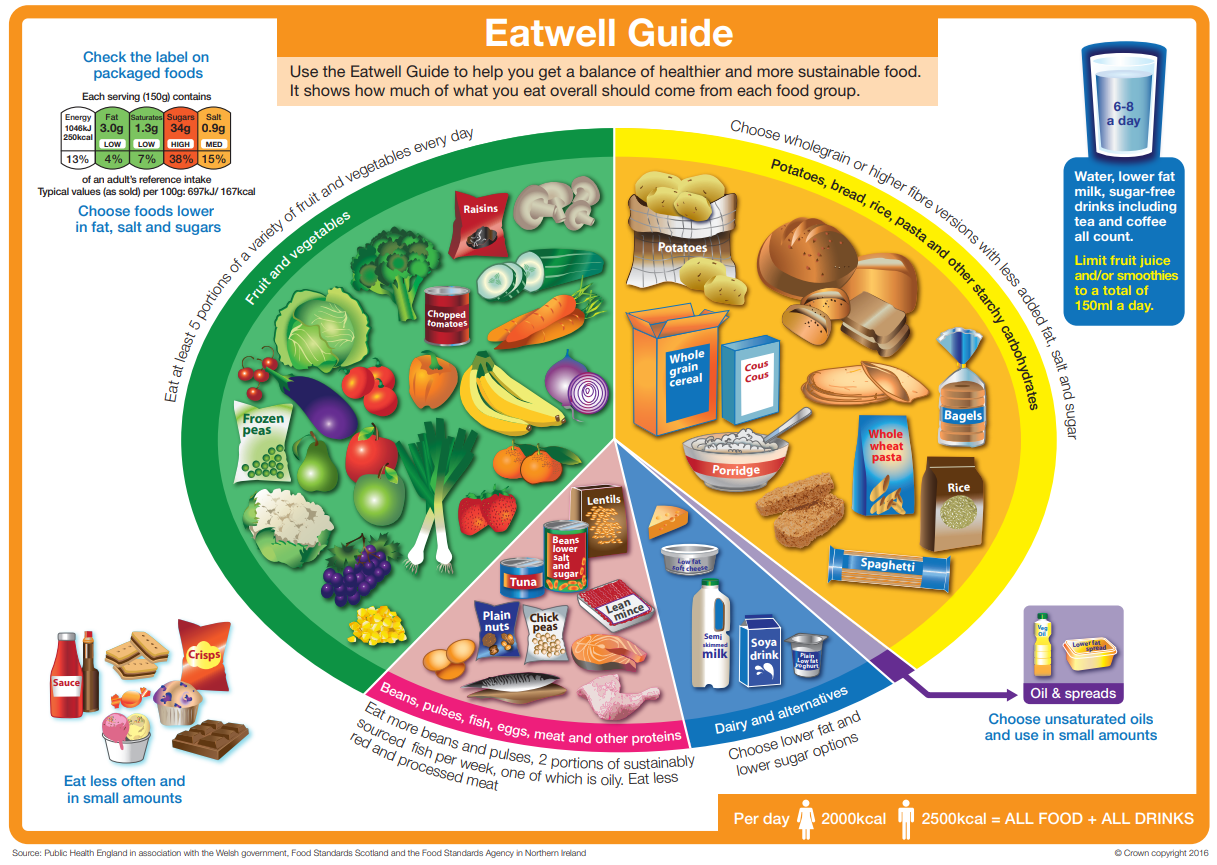
Understanding one’s nutritional needs was once a matter of consulting a pyramid diagram or following broad dietary recommendations. While foundational, these approaches often overlook the intricate variability inherent in human physiology. The digital age is challenging and augmenting these traditional methods, pushing us towards a more nuanced and data-driven understanding.
Beyond Generic Guidelines: Why Individual Needs Matter
The conventional wisdom surrounding nutrition, often disseminated through national dietary guidelines, serves as a crucial public health tool. These guidelines aim to prevent widespread deficiencies and chronic diseases across a population. However, they are inherently designed for a general demographic, not for a specific person navigating unique challenges. Factors such as age, gender, activity level, existing health conditions, genetic predispositions, and even geographical location profoundly influence nutrient metabolism and requirements. A professional athlete, for instance, has vastly different caloric and micronutrient needs than a sedentary office worker, just as an individual with a specific malabsorption issue requires a tailored approach that standard advice cannot provide. Ignoring these individual differences can lead to suboptimal health outcomes, ranging from persistent fatigue and poor recovery to chronic nutrient imbalances, even when seemingly “following the rules.” Recognizing this heterogeneity is the first step toward appreciating the power of personalized nutritional technology.
The Limitations of Traditional Nutritional Advice
Traditional nutritional advice, while well-intentioned, often suffers from several inherent limitations. It tends to be static, failing to adapt to the dynamic changes in an individual’s life—a new job, a change in fitness routine, or even seasonal variations can alter nutrient requirements. Furthermore, it often relies on retrospective data, such as self-reported food diaries, which are notoriously prone to inaccuracies due to recall bias or underestimation. The complexity of nutrient interactions is also frequently oversimplified. For example, the bioavailability of iron can be significantly impacted by vitamin C intake, a nuance that simple food group recommendations might miss. Lastly, traditional advice often struggles with scalability; providing truly personalized, continuous support to millions through human dietitians alone is an economic and logistical impossibility. These limitations underscore the necessity for innovative solutions that can process, interpret, and adapt to individual biological signals and lifestyle choices in real-time.
Digital Tools Revolutionizing Nutrient Tracking and Planning
The advent of digital technology has transformed the once arduous task of tracking and planning nutrition into an accessible, often automated, process. From the devices we wear to the applications on our phones, technology is providing unprecedented insight and control over our dietary intake.
Wearables and Biometric Data: Your Body’s Digital Diary
Fitness trackers, smartwatches, and other wearable devices have moved beyond simple step counting. Modern wearables continuously monitor a suite of biometric data points, including heart rate, sleep patterns, activity levels, estimated calorie expenditure, and even blood oxygen saturation. This wealth of real-time physiological data offers invaluable context for nutritional needs. For instance, a wearable might detect a significant increase in activity or a period of poor sleep, signaling a potential adjustment in energy intake or a greater need for specific micronutrients to aid recovery. When integrated with nutrition tracking apps, this data can paint a holistic picture of energy balance and nutrient utilization, providing a far more accurate estimation of “how much nutrients do I need” than previously possible. They act as a silent, ever-present assistant, logging our physical output and informing our input decisions.
AI-Powered Nutrition Apps: Your Pocket Dietitian
The evolution of nutrition applications, particularly those powered by Artificial Intelligence, represents a monumental leap in personalized dietary guidance. Beyond simple food logging, these apps leverage AI and machine learning algorithms to analyze vast datasets—from individual food intake and biometric data to scientific literature and population health trends. They can offer personalized meal recommendations, suggest portion sizes, identify potential nutrient gaps, and even predict how certain foods might impact blood sugar levels based on historical data. Some advanced apps integrate with genetic testing results, tailoring advice based on an individual’s unique genetic predispositions to metabolize certain nutrients or respond to specific dietary patterns. This AI-driven approach transforms static guidelines into dynamic, adaptive plans, making it feel like having a personalized dietitian constantly analyzing and optimizing one’s diet in real-time, right in your pocket.
Smart Kitchen Gadgets: Integrating Nutrition into Daily Life
The digital revolution isn’t confined to apps and wearables; it’s extending into our kitchens, making healthy eating more intuitive and integrated into daily routines. Smart scales can not only weigh food but also provide immediate nutritional breakdowns when paired with an app. Smart blenders and food processors come with pre-programmed recipes and precise ingredient measurements, ensuring consistency and accuracy in nutrient delivery. Beyond individual appliances, the concept of the “smart kitchen” connects various devices to simplify meal planning, grocery shopping (ordering ingredients based on recommended recipes and current inventory), and cooking. Imagine a smart oven that adjusts cooking times based on the exact weight and type of food, or a refrigerator that suggests recipes based on its contents and your dietary goals. These gadgets reduce the friction associated with healthy eating, making it easier to prepare meals that align with one’s precise nutritional requirements without constant manual calculation or guesswork.

Data-Driven Personalization: The Future of Dietetics
The frontier of nutritional science is increasingly defined by the ability to gather, analyze, and apply highly specific individual data. This isn’t just about general tracking; it’s about delving into an individual’s unique biological makeup to craft ultra-personalized dietary strategies.
Genetic and Microbiome Testing: Unlocking Deeper Insights
One of the most exciting advancements in understanding individual nutrient needs comes from genetic and microbiome testing. Nutrigenomics, the study of how genes interact with diet, allows us to understand how our unique genetic variations influence our metabolism of specific nutrients (e.g., caffeine, lactose), our predisposition to certain food sensitivities, or our requirement for specific vitamins. Similarly, microbiome testing analyzes the trillions of bacteria residing in our gut, which play a critical role in nutrient absorption, synthesis of certain vitamins, and overall metabolic health. Companies now offer tests that provide insights into an individual’s gut diversity and composition, suggesting dietary interventions to foster a healthier microbial ecosystem. By combining these insights, technology can offer dietary recommendations that are not just personalized to lifestyle, but to the very blueprint of our biology, revealing “how much nutrients do I need” at a much deeper, foundational level.
Predictive Analytics and Adaptive Meal Planning
The future of nutritional technology lies in its ability to not only react to current data but also to predict future needs and adapt accordingly. Predictive analytics, powered by machine learning, can analyze historical data (dietary intake, activity, sleep, stress levels) to forecast how an individual’s nutrient requirements might shift. For example, if an app observes a consistent pattern of increased energy expenditure before certain days or predicts a higher likelihood of nutrient deficiency based on current intake and activity, it can proactively suggest dietary adjustments. This goes beyond simple calorie counting; it’s about dynamic, intelligent meal planning that evolves with the user. Adaptive algorithms can learn from an individual’s responses to different foods and exercise regimes, continually refining recommendations to optimize performance, recovery, and long-term health, ensuring nutrient intake is always precisely aligned with physiological demands.
Cybersecurity and Data Privacy in Digital Health
As we increasingly entrust our most personal health information—including genetic data, biometric readings, and detailed dietary logs—to digital platforms, the importance of cybersecurity and data privacy cannot be overstated. The ethical implications of collecting, storing, and utilizing such sensitive data are paramount. Users need assurances that their health information is protected from breaches, unauthorized access, and misuse. Companies developing nutritional tech tools must adhere to stringent data protection regulations (like GDPR or HIPAA) and employ robust encryption, anonymization techniques, and transparent privacy policies. The promise of highly personalized nutrition can only be fully realized if individuals feel confident that their digital health footprint is secure and their privacy respected. Without trust, the adoption and long-term utility of these transformative technologies will be severely hampered.
Integrating Technology for Optimal Nutritional Outcomes
While technology offers unprecedented power to understand and manage our nutritional needs, its true value is unlocked when integrated thoughtfully into our lives, recognizing that it is a tool, not a replacement for fundamental human understanding and professional guidance.
The Role of Professional Guidance in a Tech-Driven World
Even with the most advanced AI and comprehensive data, the role of qualified nutrition professionals remains vital. Technology excels at data collection, analysis, and pattern recognition, but human dietitians and nutritionists bring invaluable context, empathy, and clinical expertise. They can interpret complex data in light of an individual’s unique medical history, psychological factors, and socio-economic circumstances, offering nuanced advice that an algorithm might miss. Professionals can help discern credible information from misinformation, guide individuals through challenging dietary transitions, and provide motivational support that technology cannot replicate. In this tech-driven world, the optimal approach is a synergistic one: technology empowers professionals with more precise data, allowing them to provide more targeted and effective guidance, while individuals gain a deeper understanding of their bodies with expert interpretation.
Cultivating Sustainable Digital Nutrition Habits
The effectiveness of nutritional technology ultimately hinges on consistent engagement and the cultivation of sustainable habits. A sophisticated app or wearable is only useful if it’s used regularly and its insights are acted upon. This requires a conscious effort to integrate these tools into daily routines, making food logging a habit, regularly reviewing data, and adapting meal choices based on recommendations. It also involves developing a critical eye towards the data; understanding that while technology is powerful, it’s not infallible and should complement, not dictate, one’s intuitive understanding of their body. Building sustainable digital nutrition habits means fostering a mindset of continuous learning and adaptation, using technology as a personal coach and information source rather than a strict overlord. The goal is to leverage these tools to build a lasting foundation of healthy eating and a deeper understanding of “how much nutrients do I need” that empowers long-term well-being.
Conclusion
The journey to understand “how much nutrients do I need?” is no longer a generalized quest but a deeply personalized exploration. Technology, far from being a mere auxiliary, has become central to this endeavor. From sophisticated wearables and AI-driven apps that track our every move and morsel, to genetic and microbiome testing that unveils our unique biological predispositions, digital innovation is providing unprecedented clarity and control over our dietary destinies.
This shift from static guidelines to dynamic, data-driven personalization empowers us to meet our exact physiological demands, optimize performance, and prevent deficiencies with precision. However, the true strength of this technological revolution lies in its intelligent integration into our lives, balanced with the irreplaceable wisdom of human expertise and a commitment to sustainable habits. As we continue to advance, the future of nutrition promises an even more integrated and intuitive experience, where technology serves as our most informed partner in achieving optimal health and vitality, truly answering the question of personalized nutrient needs with scientific accuracy and practical application.
aViewFromTheCave is a participant in the Amazon Services LLC Associates Program, an affiliate advertising program designed to provide a means for sites to earn advertising fees by advertising and linking to Amazon.com. Amazon, the Amazon logo, AmazonSupply, and the AmazonSupply logo are trademarks of Amazon.com, Inc. or its affiliates. As an Amazon Associate we earn affiliate commissions from qualifying purchases.