
Navigating the landscape of health insurance costs can often feel like deciphering a complex financial puzzle, especially when trying to understand the Affordable Care Act (ACA), widely known as “Obama Care.” For a single individual, the question of how much this vital coverage will cost isn’t straightforward, as there isn’t a single, fixed price. Instead, the cost is a dynamic figure influenced by a myriad of personal and economic factors, often significantly reduced by government subsidies designed to make healthcare more accessible and affordable. This article aims to demystify the financial implications of the ACA for a single person, offering a professional, insightful, and engaging breakdown of the key elements that determine your potential premium and out-of-pocket expenses.
The Affordable Care Act was enacted with the ambitious goal of expanding health insurance coverage, lowering healthcare costs, and improving the quality of care for millions of Americans. For a single person, understanding “Obama Care” isn’t just about the monthly premium; it’s about grasping the holistic financial picture, including potential tax credits, cost-sharing reductions, deductibles, and co-payments, all of which contribute to the real cost of your healthcare. By delving into these components, individuals can make informed decisions that align with their financial situation and health needs, ultimately securing essential coverage without undue financial strain.
Understanding the Affordable Care Act (ACA) Basics
Before diving into the specifics of cost, it’s crucial to establish a foundational understanding of what the Affordable Care Act is and how it functions. Often colloquially referred to as “Obama Care,” the ACA is a comprehensive healthcare reform law that fundamentally changed how health insurance operates in the United States. It’s not a specific health insurance plan itself, but rather a regulatory framework that governs the health insurance market, creating pathways for individuals to obtain coverage.
What is “Obama Care”? (Beyond the Name)
Signed into law in 2010, the Affordable Care Act aims to increase the quality and affordability of health insurance, lower the uninsured rate by expanding private and public insurance coverage, and introduce mechanisms that protect consumers. For individuals, a cornerstone of the ACA is the creation of Health Insurance Marketplaces (or Exchanges), like Healthcare.gov, where people can shop for and compare various health insurance plans from private insurers. These marketplaces are designed to be a one-stop shop, simplifying the process of finding suitable coverage and determining eligibility for financial assistance.
The ACA mandates that most Americans have health insurance or pay a penalty (though the federal penalty was effectively eliminated starting in 2019). Critically, it prevents insurance companies from denying coverage or charging more based on pre-existing conditions, a monumental shift that provides peace of mind and access to care for millions who were previously uninsurable or faced exorbitant premiums. It also allows young adults to stay on their parents’ plans until age 26, another significant expansion of coverage.
Key Components Affecting Costs
Several core components of the ACA directly impact the cost of health insurance for a single person. First, all plans offered on the Marketplace must cover a set of Essential Health Benefits (EHBs), ensuring comprehensive coverage that includes ambulatory patient services, emergency services, hospitalization, maternity and newborn care, mental health and substance use disorder services, prescription drugs, rehabilitative and habilitative services, laboratory services, preventive and wellness services, and pediatric services. This standardization means you’re always getting a robust package of benefits, regardless of the plan you choose.
Second, the ACA introduced a system of subsidies designed to make these comprehensive plans genuinely affordable. These financial aids primarily come in two forms: Premium Tax Credits (PTCs) and Cost-Sharing Reductions (CSRs). Premium Tax Credits directly reduce your monthly insurance premium, making the upfront cost more manageable. Cost-Sharing Reductions, on the other hand, reduce your out-of-pocket expenses when you use your insurance, such as deductibles, co-payments, and co-insurance. Eligibility for both is determined by income and household size, which is why a single person’s income is a paramount factor in their overall cost.
Factors Influencing ACA Costs for a Single Person
The actual premium a single person pays for an ACA-compliant plan is highly individualized. It’s a complex equation where multiple personal and geographic variables interact with government assistance programs. Understanding these factors is key to estimating your specific financial commitment.
Geographic Location
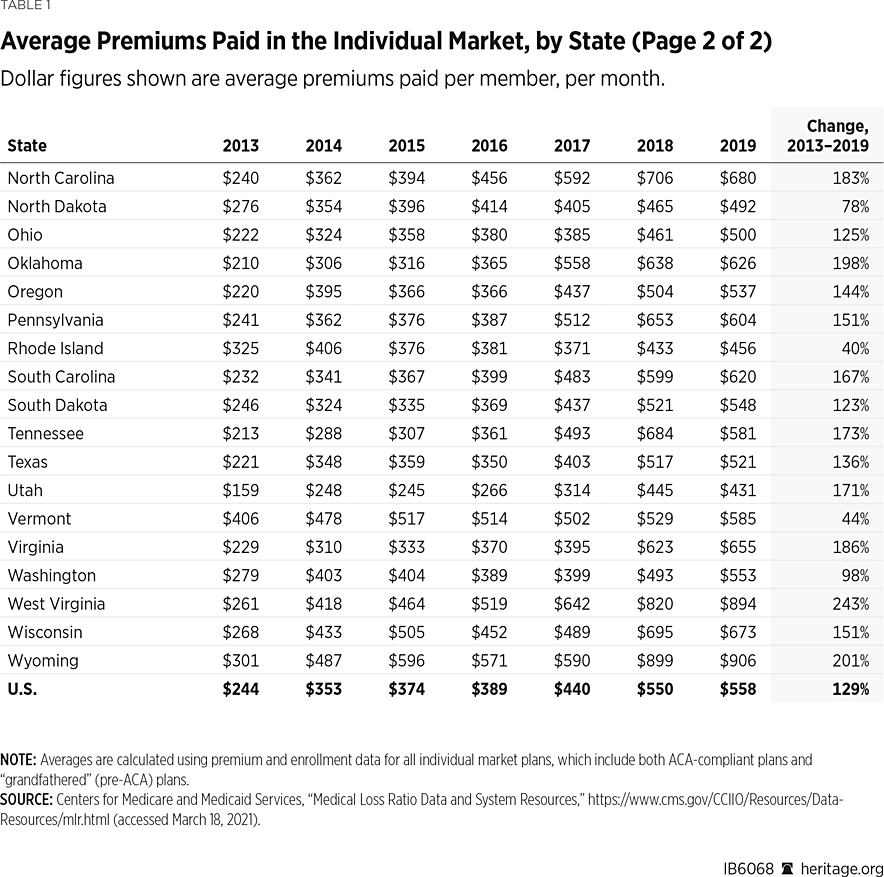
Where you live significantly impacts your health insurance premiums. Insurance markets are localized, meaning rates can vary widely from state to state, and even from county to county within the same state. This variance is due to several factors: local competition among insurers, state-specific regulations, the general health status of the local population, and the cost of healthcare services in that area. A single person in a rural area with limited insurer options might face different rates than someone in a densely populated urban area with multiple competing providers.
Age
Your age is another primary driver of premiums. Generally, as you get older, your health insurance premiums will increase. The ACA allows insurers to charge older individuals up to three times more than younger individuals, a practice known as “age-banding.” However, this limit prevents the exorbitant charges that were common before the ACA. For a single person, being younger typically translates to a lower premium, assuming all other factors are equal.
Tobacco Use
If you use tobacco products, insurers are permitted to charge you a higher premium—specifically, up to 50% more. This surcharge is designed to account for the increased health risks associated with tobacco use. For a single person who smokes, this can add a significant amount to the monthly cost, making quitting a financially as well as medically beneficial decision.
Plan Category (Metal Tiers)
Plans on the Marketplace are categorized into “metal tiers” based on how they divide costs between you and the insurance company: Bronze, Silver, Gold, and Platinum. These tiers reflect the percentage of healthcare costs the plan is expected to cover for an average person:
-
Bronze plans cover approximately 60% of costs, leaving you responsible for about 40%. They have the lowest monthly premiums but the highest deductibles and out-of-pocket expenses when you need care.
-
Silver plans cover approximately 70% of costs, with you responsible for 30%. They have moderate premiums and moderate out-of-pocket costs. Crucially, Silver plans are the only plans eligible for Cost-Sharing Reductions (CSRs).
-
Gold plans cover approximately 80% of costs, with you responsible for 20%. They have higher monthly premiums but lower deductibles and out-of-pocket costs.
-
Platinum plans cover approximately 90% of costs, with you responsible for 10%. They have the highest monthly premiums but the lowest deductibles and out-of-pocket costs.
For a single person, choosing the right metal tier involves a trade-off between monthly premium and potential out-of-pocket costs. A healthy individual who rarely visits the doctor might opt for a Bronze plan for its low premium, while someone with chronic conditions might prefer a Gold or Platinum plan for the lower out-of-pocket costs.
Income Level – The Most Critical Factor
For most single individuals, their income is the most decisive factor in determining the true cost of ACA coverage. The ACA offers two primary forms of financial assistance, collectively known as subsidies, which are tied directly to your Modified Adjusted Gross Income (MAGI) relative to the Federal Poverty Level (FPL).

-
Premium Tax Credits (PTCs): These are refundable tax credits that lower your monthly health insurance premium. Eligibility is generally for individuals with incomes between 100% and 400% of the FPL. The credit amount is calculated on a sliding scale, ensuring that premiums for the benchmark (second-lowest cost Silver) plan don’t exceed a certain percentage of your income. The lower your income within this range, the larger your tax credit will be. For a single person, this can dramatically reduce a premium that might otherwise be unaffordable.
-
Cost-Sharing Reductions (CSRs): These subsidies are available only with Silver plans and reduce your deductibles, co-payments, and co-insurance, effectively making your out-of-pocket maximum lower. CSRs are available to individuals with incomes up to 250% of the FPL. This means that a single person with a modest income can get a Silver plan that covers a higher percentage of their healthcare costs than a standard Silver plan, sometimes even comparable to a Gold or Platinum plan, but at a Silver plan’s premium.
For those with very low incomes (typically below 138% of the FPL in states that expanded Medicaid), Medicaid may be an option, providing comprehensive coverage often at no cost. This significantly reduces the financial burden of healthcare for the poorest single individuals. The interplay of income and these subsidies means that the “sticker price” of a health plan is rarely what an eligible single person actually pays.
Navigating the Health Insurance Marketplace and Enrolling
Once you understand the factors influencing costs, the next step is to navigate the Health Insurance Marketplace to find a plan that fits your budget and health needs. This process is designed to be user-friendly, providing a centralized platform for comparing options.
How to Shop for Plans
The primary portal for exploring ACA plans is Healthcare.gov, the federal marketplace serving most states. Some states operate their own exchanges (e.g., Covered California, NY State of Health). On these platforms, a single person can enter their basic information, including age, location, and estimated income, to receive personalized quotes for available plans. The system will automatically calculate any eligible Premium Tax Credits and display the net premium you would pay.
When comparing plans, it’s essential to look beyond just the monthly premium. Consider the deductible (how much you pay before your insurance starts paying), co-payments (fixed fees for doctor visits or prescriptions), co-insurance (a percentage of the cost you pay after meeting your deductible), and the overall out-of-pocket maximum (the most you’ll have to pay in a year for covered services). Also, check if your preferred doctors, hospitals, and prescription medications are covered within the plan’s network and formulary.
The Importance of Accurate Income Estimation
Because subsidies are based on your estimated annual income, providing an accurate projection is paramount. If your actual income for the year turns out to be significantly higher than your estimate, you might have to repay some or all of the excess Premium Tax Credits you received at tax time. Conversely, if your income is lower than estimated, you might receive additional tax credits. For a single person whose income might fluctuate, it’s wise to update your income information on the Marketplace promptly if there’s a significant change, to avoid surprises later.
Open Enrollment and Special Enrollment Periods
You can typically enroll in an ACA plan or change your existing plan only during the annual Open Enrollment Period, which usually runs from November 1st to January 15th for coverage starting the following year. However, certain “Qualifying Life Events” trigger a Special Enrollment Period (SEP), allowing you to enroll outside of the standard window. For a single person, these events include moving to a new service area, getting married, having a baby, losing other health coverage (e.g., through a job loss), or becoming a U.S. citizen. If you experience such an event, you generally have 60 days to enroll in a new plan.
Beyond Premiums: Total Cost of Healthcare for a Single Person
While the monthly premium is the most visible cost, it represents only a part of your total healthcare expenses. Understanding the other financial components is critical for a single person to budget effectively and avoid unexpected financial burdens.
Deductibles, Copayments, and Coinsurance
These three terms describe how you share the cost of healthcare services with your insurer once you’ve enrolled:
-
Deductible: This is the amount you must pay out-of-pocket for covered medical services before your insurance company starts to pay. For example, if you have a $5,000 deductible, you’ll pay the first $5,000 of your medical bills yourself (for services subject to the deductible) before your insurer contributes.
-
Copayment (Copay): A fixed amount you pay for a covered healthcare service after you’ve met your deductible. For instance, you might pay a $30 copay for a doctor’s visit, with your insurance covering the rest of the visit’s cost.
-
Coinsurance: This is your share of the cost of a covered healthcare service, calculated as a percentage (e.g., 20%) of the allowed amount for the service. After you’ve met your deductible, you would pay 20% of the bill, and your insurance would pay the remaining 80%.
For a single person, the frequency of doctor visits, the need for prescription medications, and the likelihood of unexpected medical events will dictate how much these out-of-pocket costs add up over a year. A higher premium typically means lower deductibles, copays, and coinsurance, offering more predictable costs when you need care.
Out-of-Pocket Maximums
A critical financial protection offered by ACA-compliant plans is the out-of-pocket maximum. This is the absolute most you will have to pay for covered essential health benefits in a plan year before your insurance company begins to pay 100% of the costs. This cap includes deductibles, copayments, and coinsurance. For a single person, the out-of-pocket maximum provides invaluable financial security, preventing medical catastrophes from leading to unlimited debt. Even in the worst-case scenario of a serious illness or accident, your financial liability for covered services is capped.
Choosing the Right Plan for Your Needs
For a single person, selecting the ideal ACA plan requires a thoughtful assessment of personal health and financial priorities.
-
If you’re generally healthy and rarely visit the doctor: A Bronze plan might be appealing due to its low monthly premium. You’ll save money upfront, but be prepared for higher costs if you do need significant medical care.
-
If you have ongoing health conditions or anticipate frequent medical needs: A Gold or Platinum plan, with higher premiums but lower deductibles and out-of-pocket costs, might offer better overall value and more predictable expenses.
-
If you qualify for Cost-Sharing Reductions (CSRs): A Silver plan is almost always the best financial choice. You’ll get significantly enhanced benefits (lower deductibles, copays, and out-of-pocket maximums) for the same premium as a standard Silver plan, making it often a better value than even a Gold or Platinum plan.
Consider your prescription drug needs, your preferred doctors and hospitals (checking network inclusion is vital), and your comfort level with different levels of financial risk. The goal is to find a balance between a manageable monthly premium and affordable costs when you actually use healthcare services.

Conclusion
The question “how much is Obama Care for a single person?” ultimately has no single answer because the cost is as unique as the individual asking it. It is a highly variable figure, influenced by factors such as age, location, tobacco use, chosen plan tier, and, most importantly, income level. For many single individuals, especially those with modest incomes, the financial assistance provided through Premium Tax Credits and Cost-Sharing Reductions can dramatically reduce both monthly premiums and out-of-pocket expenses, making comprehensive health insurance genuinely affordable.
The Affordable Care Act was designed to remove barriers to healthcare access and provide financial protection. By leveraging the Health Insurance Marketplace, understanding the different plan tiers, accurately estimating income to maximize subsidies, and being mindful of out-of-pocket expenses, a single person can confidently navigate the complexities of ACA enrollment. The true value of “Obama Care” for a single person lies not just in its monthly cost, but in the peace of mind and financial security it offers, ensuring access to essential medical care without risking financial ruin. Taking the time to explore your options on Healthcare.gov or your state’s exchange is the most effective way to discover your personalized cost and secure the coverage that best suits your needs.
aViewFromTheCave is a participant in the Amazon Services LLC Associates Program, an affiliate advertising program designed to provide a means for sites to earn advertising fees by advertising and linking to Amazon.com. Amazon, the Amazon logo, AmazonSupply, and the AmazonSupply logo are trademarks of Amazon.com, Inc. or its affiliates. As an Amazon Associate we earn affiliate commissions from qualifying purchases.