
Navigating the landscape of health insurance can often feel like deciphering a complex financial puzzle, especially when trying to understand the costs associated with Covered California for a single individual. For many Californians, Covered California serves as the state’s official marketplace for health insurance under the Affordable Care Act (ACA), offering a range of plans from various insurance providers. It’s designed to make health coverage accessible and, importantly, affordable through financial assistance for those who qualify. However, the precise cost for a single person isn’t a fixed figure; it’s a dynamic calculation influenced by a multitude of personal and economic factors.
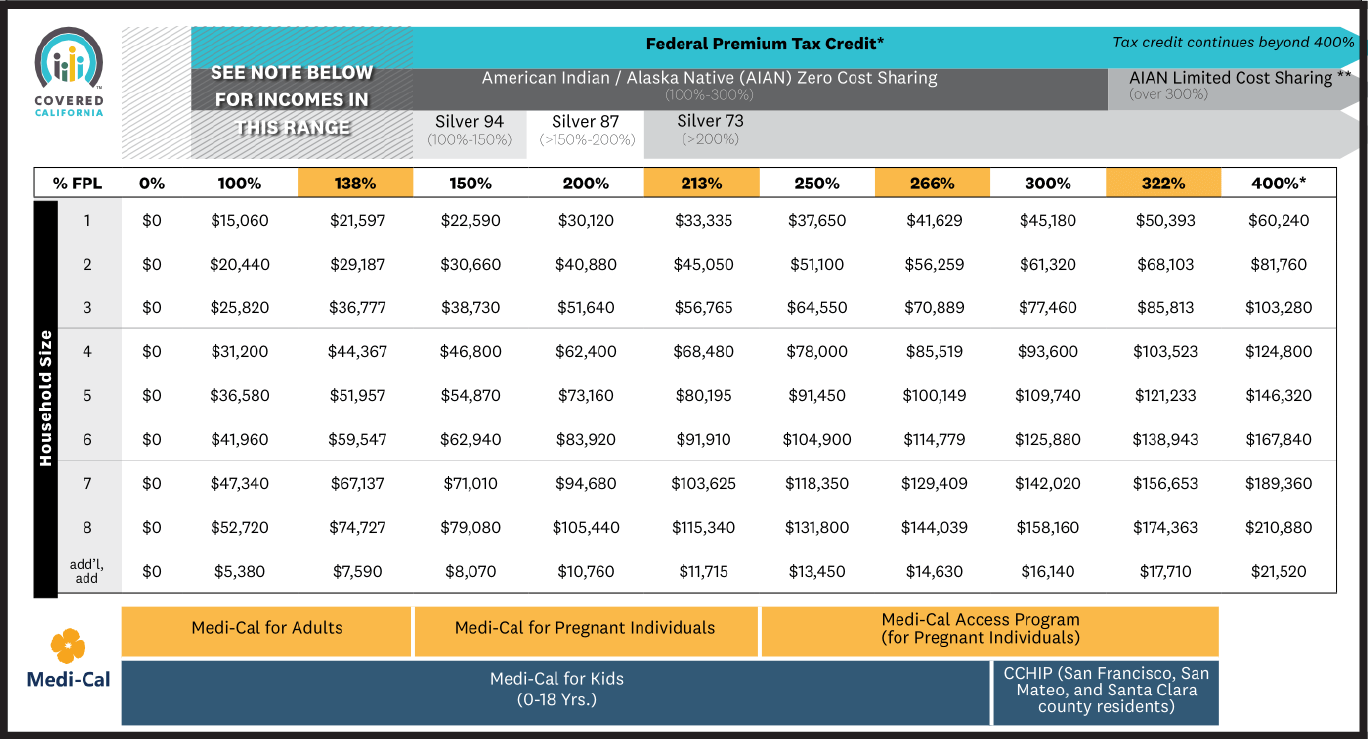
This article delves into the intricacies of Covered California’s pricing structure for single individuals, breaking down the key elements that determine your monthly premiums and out-of-pocket expenses. We’ll explore how factors like income, age, location, and the chosen plan tier significantly impact what you pay, and crucially, how various financial subsidies can dramatically reduce these costs, making essential health coverage an attainable reality. Understanding these components is not just about identifying a number; it’s about making an informed financial decision that safeguards both your health and your wallet.
Understanding Covered California and Its Pricing Factors
To truly grasp “how much” Covered California will cost a single person, it’s essential to first understand the system itself and the primary variables that feed into its pricing algorithms. Covered California isn’t an insurance company; it’s a marketplace where individuals can compare and enroll in health insurance plans. The cost of these plans is highly individualized, reflecting a person’s unique circumstances.
What is Covered California?
Covered California is a state agency established to help Californians shop for and enroll in health insurance plans. It acts as a one-stop shop, aggregating various plans from different private insurers like Kaiser Permanente, Blue Shield of California, Anthem Blue Cross, and others. The marketplace ensures that all plans offered meet specific essential health benefits requirements and prohibits insurers from denying coverage based on pre-existing conditions. Its core mission is to expand access to affordable health insurance, particularly for those who don’t receive coverage through an employer, Medicare, or Medi-Cal. This structure is fundamental because it means your “Covered California cost” is actually the cost of a private plan purchased through Covered California, often with financial assistance.
Key Factors Influencing Premiums for a Single Person
Several critical data points about a single individual directly influence the base premium of a health insurance plan before any financial assistance is applied.
-
Income: This is perhaps the most significant factor. Your household income, specifically your Modified Adjusted Gross Income (MAGI), determines your eligibility for premium tax credits and cost-sharing reductions. Lower incomes generally lead to greater financial assistance, significantly reducing the actual cost you pay.
-
Age: Premiums are generally lower for younger individuals and increase with age. This is based on actuarial data indicating that older individuals typically require more medical care. Covered California, like other ACA marketplaces, limits how much insurers can vary premiums based on age (a 3:1 ratio for older vs. younger adults).
-
Location (Rating Area): Health insurance costs vary by geographic region within California. Different counties and even parts of counties have different costs of living, healthcare provider networks, and competition among insurers, leading to variations in premiums.
-
Plan Type/Metal Tier: Covered California offers plans categorized into “metal tiers”: Bronze, Silver, Gold, and Platinum. These tiers reflect the actuarial value of the plan, meaning the average percentage of healthcare costs the plan is expected to cover. Bronze plans have the lowest premiums but highest out-of-pocket costs (deductibles, copays), while Platinum plans have the highest premiums but lowest out-of-pocket costs.
-
Tobacco Use: While less common than in the past, some insurers may still be allowed to charge higher premiums for tobacco users, though ACA rules limit this surcharge. Covered California does not allow tobacco rating.
The Role of Income and Subsidies
The financial assistance available through Covered California is a game-changer for affordability. This assistance comes primarily in two forms:
-
Premium Tax Credits (APTC – Advance Premium Tax Credits): These subsidies reduce your monthly premium payment. They are calculated based on your income relative to the Federal Poverty Level (FPL) and are directly paid to your insurance company. This means you pay less each month out of your own pocket. A single person with a lower income might see their premium dramatically reduced, sometimes even to zero for certain plans, depending on their specific circumstances and available state subsidies.
-
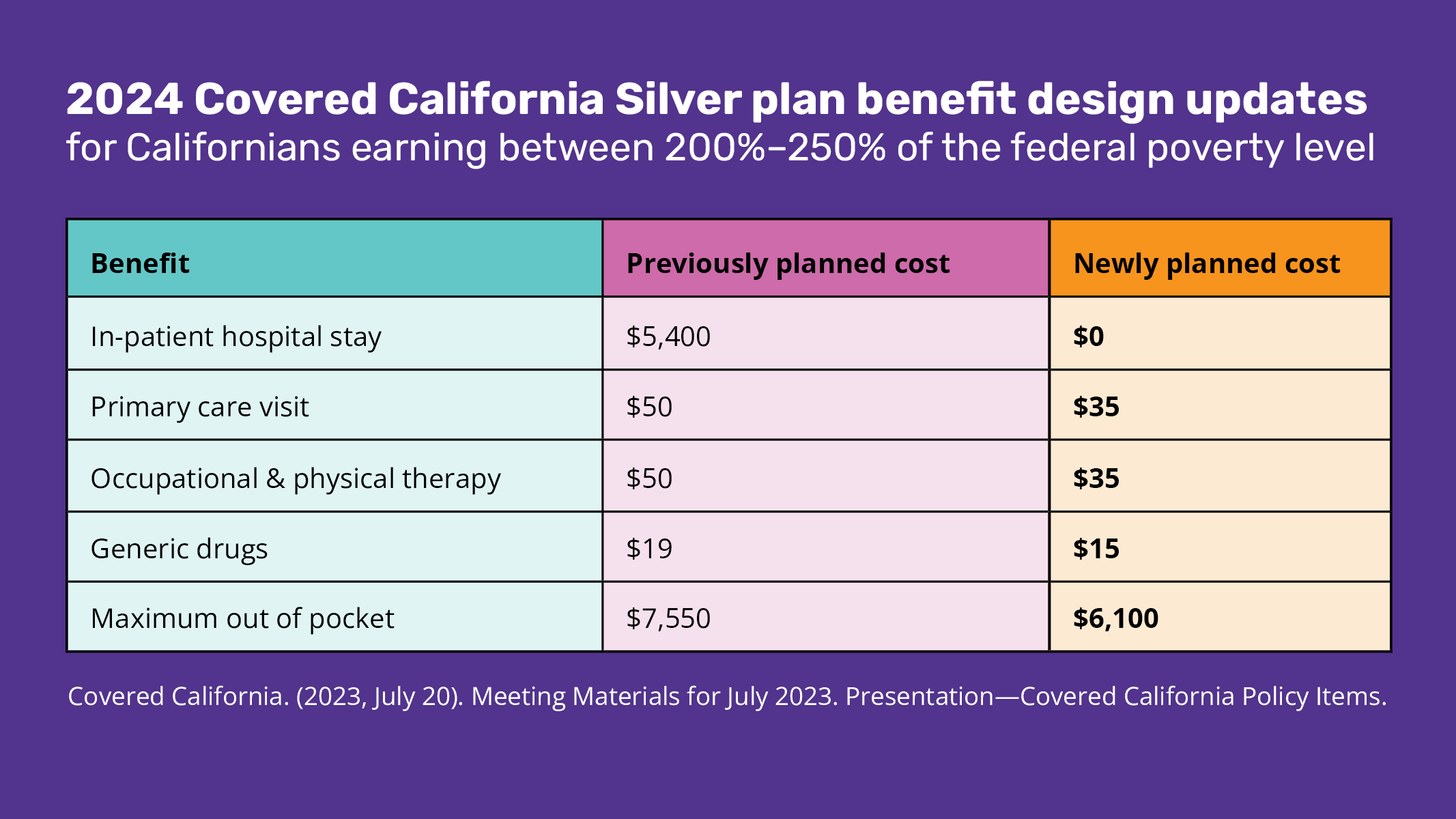
Cost-Sharing Reductions (CSR): Available only for Silver plans, CSRs reduce the amount you pay when you actually use healthcare services. This means lower deductibles, copayments, and out-of-pocket maximums. CSRs are tied to income thresholds and effectively make a Silver plan behave more like a Gold or even Platinum plan in terms of cost-sharing, without increasing the monthly premium (beyond what you’d pay for a standard Silver plan after APTC). These are crucial for single individuals who might have moderate health needs but a limited budget for unexpected medical expenses.
Deciphering Plan Tiers and Their Impact on Costs
The “metal tiers” (Bronze, Silver, Gold, Platinum) are fundamental to understanding not just the premium you pay, but the total financial risk and responsibility you assume with your health plan. Each tier represents a different balance between monthly premiums and out-of-pocket costs when you receive care.
Bronze, Silver, Gold, and Platinum Plans
-
Bronze Plans: These plans typically have the lowest monthly premiums. However, they come with the highest deductibles, meaning you’ll pay a significant amount out-of-pocket before your insurance company starts to cover a large share of your medical costs. They are designed for individuals who anticipate needing minimal medical care and primarily want protection against catastrophic illness or injury. For a single person, a Bronze plan can be attractive due to its low initial cost, but it requires careful budgeting for potential healthcare usage.
-
Silver Plans: Silver plans strike a balance between monthly premiums and out-of-pocket costs. They generally have moderate deductibles and copayments. Crucially, Silver plans are the only plans eligible for Cost-Sharing Reductions (CSRs). For single individuals with incomes up to 250% of the Federal Poverty Level, an enhanced Silver plan (with CSRs) can offer significantly lower deductibles and copayments, making them an excellent value and often the most financially savvy choice.
-
Gold Plans: Gold plans feature higher monthly premiums than Bronze or Silver but offer lower deductibles and out-of-pocket maximums. They are suitable for single individuals who anticipate needing more frequent medical care or have ongoing health conditions and prefer to pay more upfront to have lower costs when they access services.
-
Platinum Plans: These plans have the highest monthly premiums but the lowest deductibles and out-of-pocket maximums. They provide the most comprehensive coverage, with the insurance company paying a higher percentage of costs for almost all services. Platinum plans are ideal for single individuals with chronic health conditions or those who prefer maximum predictability in their healthcare spending, even at a higher monthly cost.
Deductibles, Copayments, Coinsurance, and Out-of-Pocket Maximums
Beyond the premium, these terms define your financial responsibility when you use healthcare services:
-
Deductible: The amount you must pay out of pocket for covered healthcare services before your insurance plan starts to pay. For a single person, meeting a high deductible can be a significant financial burden if unexpected medical needs arise.
-
Copayment (Copay): A fixed amount you pay for a covered healthcare service after you’ve met your deductible. For example, a $30 copay for a doctor’s visit.
-
Coinsurance: Your share of the cost of a covered healthcare service, calculated as a percentage (e.g., 20%) of the allowed amount for the service, after you’ve met your deductible. If your plan’s coinsurance is 20% and the allowed amount for a service is $100, you’d pay $20.
-
Out-of-Pocket Maximum: The most you have to pay for covered services in a plan year. Once you reach this limit, your health plan pays 100% of the cost of covered benefits. This is a critical financial safety net for a single person facing high medical bills.
Choosing the Right Plan for Your Financial Situation
Selecting a plan tier involves a crucial trade-off: lower monthly premiums vs. lower costs when you actually use care. For a single person, this decision should align with their health status, anticipated medical needs, and financial comfort level. Someone very healthy might opt for a Bronze plan, accepting the risk of a high deductible in exchange for low monthly payments. Conversely, an individual with a chronic condition or who prefers peace of mind might choose a Gold or Platinum plan, paying more each month to reduce uncertainty around treatment costs. For many single individuals, especially those eligible for subsidies, a Silver plan (with or without CSRs) often represents the sweet spot, balancing affordability and robust coverage.
Navigating Financial Assistance and Maximizing Savings
The actual amount a single person pays for Covered California is often significantly less than the sticker price of the insurance plans, thanks to the robust financial assistance programs available. Understanding these programs is key to maximizing your savings.
Eligibility for Premium Tax Credits (APTC)
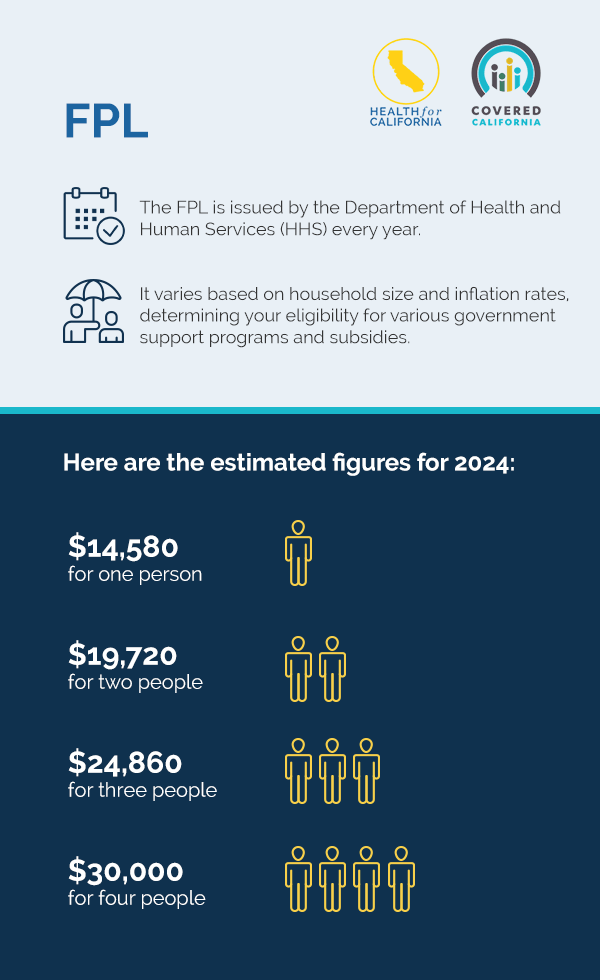
Premium Tax Credits (APTCs) are the most common form of financial help and directly reduce your monthly premium. Eligibility for APTCs is based primarily on your estimated household income for the year you want coverage, compared to the Federal Poverty Level (FPL). As a single person, your income must generally be between 100% and 400% of the FPL to qualify for these credits. However, recent expansions under the American Rescue Plan Act (ARPA) and Inflation Reduction Act (IRA) have temporarily eliminated the “subsidy cliff,” meaning even those with incomes above 400% FPL may qualify for some tax credits if their benchmark plan premiums exceed 8.5% of their household income.
When you apply through Covered California, the system automatically calculates your eligibility and the amount of your APTC. This credit is then paid directly to your insurance company each month, reducing the bill you receive. It’s crucial to accurately estimate your annual income, as discrepancies could lead to adjustments in your tax refund or even owing money back to the IRS if you received too much credit. For a single individual, income fluctuations from year to year, or even within a year, can impact eligibility, making it important to update your information with Covered California promptly.
Benefits of Cost-Sharing Reductions (CSR)
Cost-Sharing Reductions (CSRs) are a less visible but equally powerful form of financial assistance. Unlike APTCs, which lower your monthly premium, CSRs reduce the amount you pay out-of-pocket when you receive medical care (e.g., lower deductibles, copayments, and out-of-pocket maximums). They are only available if you enroll in a Silver-tier plan and your income falls within specific thresholds (typically up to 250% of the FPL for a single person).
When you qualify for CSRs, your Silver plan effectively becomes “enhanced.” For instance, a standard Silver 70 plan (meaning it covers 70% of costs, on average) might become a Silver 87, Silver 90, or even Silver 94 plan, significantly increasing the plan’s actuarial value. This means the plan covers a much higher percentage of your medical expenses, leading to substantially lower costs when you visit the doctor, fill a prescription, or have a hospital stay. For many single individuals, particularly those with ongoing health needs or who want robust coverage without the high premiums of Gold or Platinum plans, an enhanced Silver plan with CSRs offers an unparalleled financial advantage.
Special Enrollment Periods and Life Changes
Beyond the annual open enrollment period, certain life events trigger a “Special Enrollment Period” (SEP), allowing you to enroll in or change your Covered California plan outside of the standard window. For a single person, these events are critical as they can significantly impact your financial situation and need for coverage. Qualifying SEPs include:
-
Losing existing health coverage (e.g., losing a job, turning 26 and coming off a parent’s plan).
-
Moving to a new area that offers different health plans.
-
Marriage or divorce.
-
Having a baby or adopting a child.
-
Changes in income that affect eligibility for subsidies.
If you experience a qualifying life event, you typically have 60 days from the date of the event to enroll in a new plan. Promptly reporting these changes to Covered California is crucial, not just for maintaining coverage but also for ensuring your financial assistance is accurately calculated.
Other Potential Savings: Medi-Cal and Dental/Vision Plans
For single individuals with very low incomes (generally below 138% of the FPL), Medi-Cal, California’s Medicaid program, might be a more suitable and often free option. Medi-Cal offers comprehensive health coverage with little to no out-of-pocket costs. Covered California will automatically check your eligibility for Medi-Cal when you apply.
Additionally, while Covered California’s primary focus is medical insurance, many insurers offer separate dental and vision plans. These can be purchased alongside your medical plan, often for an additional monthly premium. For single individuals, considering the cost and benefits of these separate plans is an important part of a holistic financial health strategy.
Real-World Scenarios and Practical Financial Planning
Understanding the mechanics of Covered California is one thing; applying it to your personal financial strategy as a single person is another. Real-world costs are highly variable, but by considering different scenarios, you can better plan your budget.
Example Scenarios for a Single Person
Let’s illustrate how different factors play out, without using specific numbers as they change annually and by location, but focusing on the logic:
-
Scenario 1: The Young, Healthy, and Low-Income Individual: A 28-year-old single person earning just above the Medi-Cal threshold (e.g., around 150% FPL). They might qualify for significant APTCs, potentially reducing a Silver plan’s premium to a very low monthly cost, perhaps even under $50. Furthermore, they would likely qualify for robust Cost-Sharing Reductions, meaning their deductibles and copays would be minimal. This individual would find a highly subsidized Silver plan incredibly affordable and beneficial, offering comprehensive coverage without a high out-of-pocket burden.
-
Scenario 2: The Mid-Career, Moderate-Income Individual: A 45-year-old single person with a stable job earning around 300% FPL. They would still qualify for APTCs, but to a lesser degree than the low-income individual. Their monthly premium for a Silver plan might be a few hundred dollars. They might not qualify for the highest CSR levels but would still get some reduction in cost-sharing compared to a standard Silver plan. For this individual, comparing a Silver plan (with moderate subsidies and some CSRs) to a Bronze plan (lower premium, higher deductible) would involve weighing their health needs and tolerance for financial risk. A Gold plan might also be within reach if they prioritize lower out-of-pocket costs.
-
Scenario 3: The Older, Higher-Income Individual: A 60-year-old single person earning just under 400% FPL. Their premiums would naturally be higher due to age. They would still qualify for APTCs, but the amount would be less substantial. Without the elimination of the “subsidy cliff,” their premiums could be a significant portion of their income. They would not qualify for CSRs. For this person, careful budgeting and comparing different metal tiers would be essential. A Gold or Platinum plan might be attractive despite the higher premium, if they anticipate frequent medical needs, to control overall costs.
These scenarios highlight that the “how much” question is deeply personal. Your age, income, and health status are the primary drivers.
Tips for Budgeting for Health Insurance
Integrating health insurance costs into your personal financial plan requires foresight:
-
Factor in Both Premiums and Potential Out-of-Pocket Costs: Don’t just budget for the monthly premium. Consider your deductible, copayments, and coinsurance. If you choose a high-deductible plan (like Bronze), plan to save that deductible amount in an emergency fund.
-
Utilize Health Savings Accounts (HSAs) with High-Deductible Plans: If you choose an HSA-eligible high-deductible health plan (often Bronze or some Silver plans), contribute to an HSA. These accounts offer tax advantages for saving and spending on qualified medical expenses, making them excellent financial tools for a single person.
-
Review Annually: Your income, health needs, and available plans through Covered California can change yearly. Don’t set it and forget it. Reassess your options during open enrollment to ensure you have the most cost-effective plan for your current situation.
-
Understand Your True Cost of Care: Beyond premiums, think about prescription drug costs, specialist visits, and mental health services. Compare plans not just on premium but also on how they cover these specific needs.
The Importance of Annual Reassessment
The health insurance landscape is dynamic. Premiums, plan offerings, and even subsidy eligibility rules can change year to year. For a single person, taking the time during the annual open enrollment period (typically November 1st to January 31st for coverage starting the following year) to revisit your Covered California options is critical. Your income might have changed, your health needs might have evolved, or new, more cost-effective plans might have entered the market. By actively engaging with the process, you ensure you’re continuously optimizing your financial outlay for health coverage, securing the best value for your circumstances.
In conclusion, the cost of Covered California for a single person is not a static price tag but a personalized calculation. By understanding the factors at play—your income, age, location, and choice of plan tier—and by leveraging the significant financial assistance available through premium tax credits and cost-sharing reductions, you can navigate this complex system to find affordable, comprehensive health coverage that fits your budget and meets your healthcare needs. It requires active engagement and an annual review, but the financial security and peace of mind derived from having adequate health insurance are invaluable.
aViewFromTheCave is a participant in the Amazon Services LLC Associates Program, an affiliate advertising program designed to provide a means for sites to earn advertising fees by advertising and linking to Amazon.com. Amazon, the Amazon logo, AmazonSupply, and the AmazonSupply logo are trademarks of Amazon.com, Inc. or its affiliates. As an Amazon Associate we earn affiliate commissions from qualifying purchases.