
The question “how much does health insurance cost?” is deceptively simple, yet its answer is complex, varying wildly based on a multitude of factors. In today’s economic landscape, understanding the financial intricacies of health insurance is not just about budgeting; it’s about safeguarding your financial future and ensuring access to essential healthcare. For many, health insurance premiums represent a significant monthly expense, often competing with rent, mortgage payments, or student loan debt. However, viewing these costs in isolation misses the broader picture of protection against potentially catastrophic medical bills. This comprehensive guide will delve into the various components that determine health insurance costs, explore different plan types, illuminate out-of-pocket expenses, and offer strategies for managing and optimizing this critical financial commitment.

Deconstructing the Core Determinants of Health Insurance Premiums
The sticker price of a health insurance premium is not arbitrary; it’s the result of a complex calculation that considers a range of individual and market-driven variables. Understanding these underlying factors is the first step toward deciphering your potential costs and making informed decisions.
Age and Location: Demographic Impacts
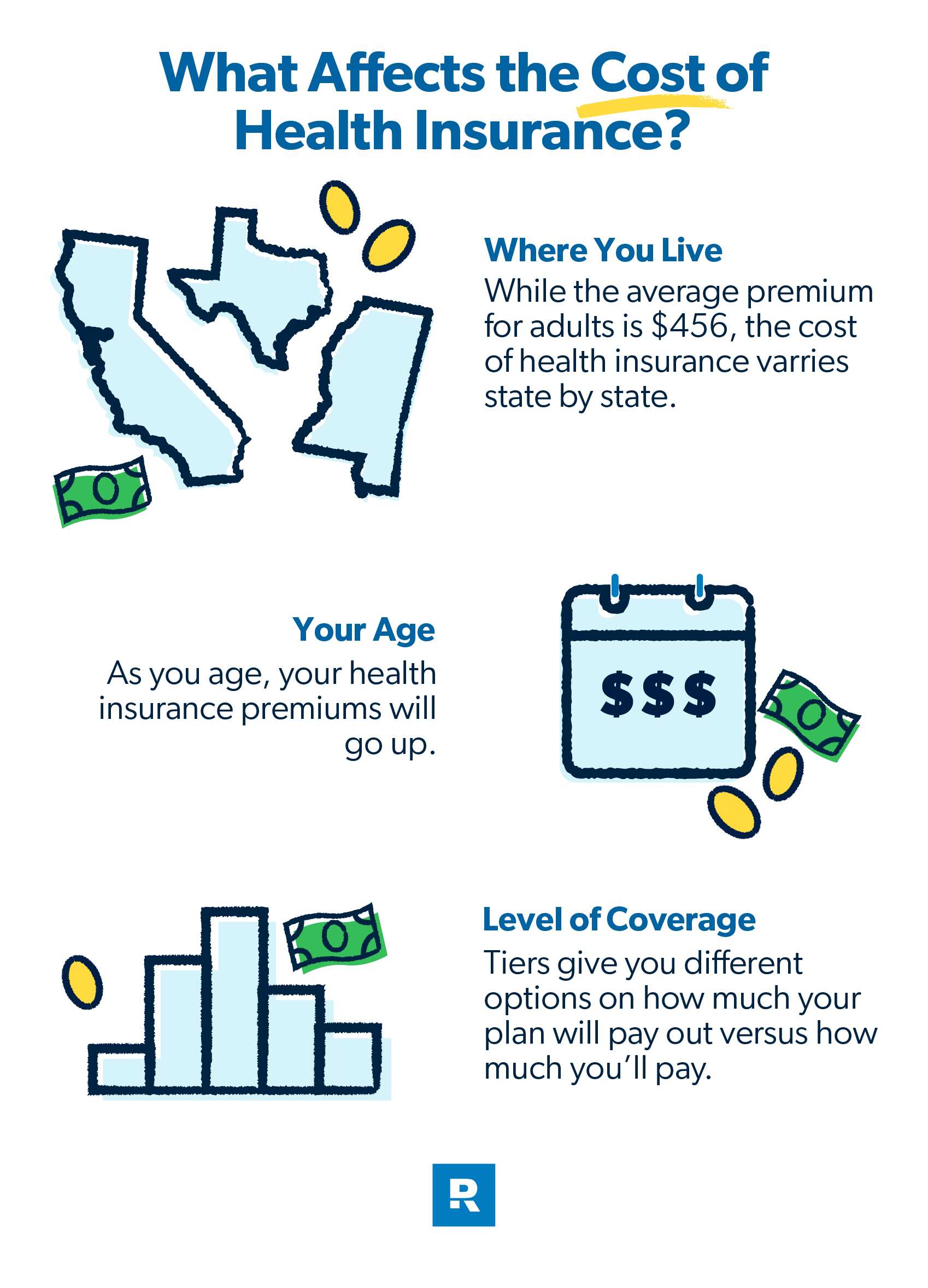
Two of the most significant initial factors are an individual’s age and where they reside. Generally, health insurance premiums tend to increase with age. Older individuals are statistically more likely to require medical care, and insurers adjust premiums accordingly to offset this higher risk. While the Affordable Care Act (ACA) limits how much insurers can vary premiums based on age (typically a 3:1 ratio for older vs. younger adults), age remains a primary driver.
Location also plays a crucial role. Healthcare costs, competition among insurers, state-specific regulations, and the general health of the local population can all influence premium prices in a given area. A densely populated urban center with numerous hospitals and specialists might have different average costs than a rural region with limited healthcare infrastructure. States with stricter regulatory environments or a more robust network of providers may also see different pricing structures.
Plan Type and Coverage Level: A Spectrum of Choices
Perhaps the most direct determinant of your premium is the type of plan you choose and the extent of its coverage. Health insurance plans are typically categorized by metallic tiers on the marketplace (Bronze, Silver, Gold, Platinum), indicating the average percentage of healthcare costs the plan is expected to cover.
-
Bronze plans usually have the lowest monthly premiums but come with high deductibles and out-of-pocket costs, covering approximately 60% of expenses on average.
-
Silver plans offer moderate premiums and deductibles, covering about 70% of costs, and are the only plans eligible for cost-sharing reductions (CSRs) for eligible low-income individuals.
-
Gold plans have higher premiums but lower deductibles and out-of-pocket costs, covering roughly 80% of expenses.
-
Platinum plans feature the highest premiums but the lowest out-of-pocket costs, covering about 90% of expenses.
Beyond these tiers, the specific plan structure (e.g., HMO, PPO, EPO, POS) also impacts cost and flexibility. HMOs often have lower premiums due to their emphasis on in-network care and requiring primary care physician referrals, while PPOs generally offer more flexibility in choosing providers but come with higher premiums.
Health Status and Lifestyle: Underwriting Considerations
For employer-sponsored plans and ACA marketplace plans, your current health status and lifestyle choices (like smoking) cannot directly influence your premium except for age and tobacco use. The ACA largely prohibits medical underwriting for individual and small group plans, meaning insurers cannot deny coverage or charge more based on pre-existing conditions. However, for certain private or short-term plans outside of the ACA marketplace, an individual’s health history, medical conditions, and lifestyle factors can lead to higher premiums or even denial of coverage. This distinction is vital for consumers to understand when exploring options.
Network Size and Provider Access: Balancing Cost and Convenience
The breadth of a plan’s provider network—how many doctors, specialists, and hospitals it includes—can also affect its premium. Plans with larger, more flexible networks (like many PPOs) often come with higher premiums because they offer greater choice and convenience. Conversely, plans with more restrictive networks (like many HMOs) typically have lower premiums as they funnel members to a specific group of providers, which can lead to cost efficiencies for the insurer.
Exploring Major Health Insurance Plan Types and Their Financial Footprint
The landscape of health insurance is diverse, with various avenues through which individuals and families can obtain coverage. Each type of plan comes with its own financial implications, eligibility requirements, and benefits.
Employer-Sponsored Plans: Shared Costs, Broader Access
For many Americans, employer-sponsored health insurance is the most common and often the most affordable route. Companies typically subsidize a significant portion of their employees’ premiums, sometimes covering a percentage of dependent costs as well. This shared financial burden makes employer plans highly attractive. Beyond the premium, employer plans often offer a wider range of choices (HMO, PPO, HDHP options), and the administrative burden of enrollment is often managed by the employer’s HR department. The tax advantages associated with pre-tax payroll deductions for premiums also add to their appeal.
Marketplace (ACA) Plans: Subsidies and Standardized Benefits
The Affordable Care Act (ACA) marketplace (HealthCare.gov or state-run exchanges) provides a venue for individuals and families to purchase health insurance if they don’t have access to employer-sponsored plans or government programs. A key feature of these plans is the availability of financial assistance in the form of premium tax credits (subsidies) and cost-sharing reductions (CSRs).
-
Premium Tax Credits reduce the monthly premium amount and are available to individuals and families whose household income falls between 100% and 400% of the federal poverty level (FPL), though temporary expansions have made them available to more people.
-
Cost-Sharing Reductions lower out-of-pocket costs like deductibles, copayments, and coinsurance for those with incomes between 100% and 250% FPL, but only apply to Silver plans.
These subsidies can significantly reduce the net cost of health insurance for eligible individuals, making coverage much more accessible.
Private and Short-Term Plans: Niche Solutions with Caveats
Beyond the ACA marketplace, individuals can sometimes purchase private health insurance directly from an insurer. These plans may or may not be ACA-compliant, meaning they might not offer the full range of essential health benefits or protection for pre-existing conditions.
Short-term health insurance plans are another option. As their name suggests, these plans offer temporary coverage, usually for a few months up to a year. They often have much lower premiums than ACA-compliant plans because they are not required to cover pre-existing conditions or essential health benefits and can be medically underwritten. While they can bridge gaps in coverage, they are not a substitute for comprehensive, long-term health insurance due to their limited benefits and potential for high out-of-pocket costs. They are generally not eligible for subsidies.
Government Programs: Medicare and Medicaid for Specific Demographics
For specific demographics, government-funded programs provide crucial health insurance coverage.
-
Medicare primarily serves individuals aged 65 and older, as well as younger people with certain disabilities or end-stage renal disease. It comprises different parts (A, B, C, D), each covering specific services, with premiums and out-of-pocket costs varying based on work history, income, and chosen plans.
-
Medicaid is a joint federal and state program that provides health coverage to low-income adults, children, pregnant women, elderly adults, and people with disabilities. Eligibility requirements and benefits vary by state, but for those who qualify, Medicaid typically offers very low or no-cost coverage.
Beyond the Premium: Unpacking Out-of-Pocket Expenses
Focusing solely on the monthly premium provides an incomplete picture of the true cost of health insurance. A comprehensive understanding requires acknowledging the various out-of-pocket expenses you might incur when you actually use your health benefits.
Deductibles: Your Initial Share of Costs
A deductible is the amount you must pay out of your own pocket for covered medical services before your health insurance plan starts to pay. For example, if your plan has a $2,000 deductible, you would be responsible for the first $2,000 in covered medical expenses (excluding some preventative care) before your insurer begins to contribute. Plans with lower monthly premiums often come with higher deductibles, and vice versa. It’s crucial to understand your deductible and how it resets annually.
Copayments and Coinsurance: Ongoing Contributions
Even after meeting your deductible, you’ll likely still be responsible for a portion of your medical costs through copayments and coinsurance.
-
Copayment (Copay): A fixed amount you pay for a covered healthcare service, usually when you receive the service. For example, you might have a $20 copay for a doctor’s visit or a $10 copay for a prescription drug. Copays generally do not count towards your deductible but do contribute to your out-of-pocket maximum.
-
Coinsurance: A percentage of the cost of a covered healthcare service that you pay after you’ve met your deductible. If your plan’s coinsurance is 20%, and your insurer pays 80% for a service costing $100, you would pay $20.
These ongoing contributions can add up, especially during periods of frequent medical need.
Out-of-Pocket Maximums: The Financial Safety Net
The out-of-pocket maximum (also called out-of-pocket limit) is a critical component of any health insurance plan. This is the most you will have to pay for covered medical services in a given year. Once you reach this limit, your health insurance plan will pay 100% of the costs for covered benefits for the remainder of the policy year. The out-of-pocket maximum includes deductibles, copayments, and coinsurance, but typically does not include your monthly premiums, charges for services not covered by your plan, or out-of-network costs (if your plan has separate limits for out-of-network care). Understanding this cap is vital for budgeting, as it represents the worst-case scenario for your medical expenses in a year.
Strategies for Optimizing Health Insurance Affordability and Value
Navigating the complexities of health insurance costs can be daunting, but several strategies can help you manage expenses and maximize the value of your coverage.
Leveraging Subsidies and Financial Assistance
If you’re purchasing insurance through the ACA marketplace, always check your eligibility for premium tax credits and cost-sharing reductions. Even if you think your income is too high, it’s worth exploring, especially given recent expansions of subsidy eligibility. These financial aids can dramatically reduce your monthly premiums and out-of-pocket expenses, making comprehensive coverage far more attainable.
High-Deductible Health Plans (HDHPs) and HSAs: A Strategic Pairing
For healthy individuals or those seeking lower monthly premiums, a High-Deductible Health Plan (HDHP) can be a cost-effective choice when paired with a Health Savings Account (HSA). HDHPs have higher deductibles but lower premiums. An HSA is a tax-advantaged savings account that can be used to pay for qualified medical expenses. Contributions to an HSA are tax-deductible, the money grows tax-free, and withdrawals for medical expenses are also tax-free. This triple tax advantage makes HSAs a powerful tool for managing healthcare costs and saving for future medical needs, even into retirement.
Comparing Plans Smartly: Beyond Just the Premium
When evaluating health insurance options, resist the temptation to choose solely based on the lowest monthly premium. A cheaper premium often means higher deductibles, copayments, and coinsurance, which could lead to greater overall costs if you anticipate needing regular medical care. Consider your typical healthcare usage:
-
Do you have chronic conditions requiring frequent doctor visits or medications?
-
Do you anticipate needing surgery or a specialist in the coming year?
-
Are you generally healthy and only expect preventative care?
Analyze your potential total cost, including premiums, deductibles, and estimated out-of-pocket expenses, against your anticipated healthcare needs. Utilize online plan comparison tools that often provide estimates of total annual costs based on assumed usage.
Understanding Preventative Care Benefits: Investing in Health
Most ACA-compliant health insurance plans cover a wide range of preventative services—like annual physicals, screenings, and immunizations—at no additional cost, even before you meet your deductible. Taking advantage of these benefits is a smart financial move, as preventative care can detect potential health issues early, often before they become more serious and costly to treat. Regular check-ups and screenings are an investment in your long-term health and can help avoid larger medical expenses down the road.
The Economic Imperative: Why Health Insurance Is a Non-Negotiable Investment
In the realm of personal finance, health insurance is often viewed as an expense, but it is more accurately characterized as an indispensable investment. Its value extends far beyond the tangible costs, providing critical financial protection and access to care that can avert economic catastrophe.
Protecting Against Catastrophic Medical Debt
Perhaps the most compelling reason to carry health insurance is its role in shielding individuals and families from crippling medical debt. A single unexpected medical event—an accident, a sudden illness, or an emergency surgery—can quickly accumulate bills totaling tens or even hundreds of thousands of dollars. Without insurance, these costs can lead to bankruptcy, severe credit damage, and long-term financial hardship. Health insurance acts as a financial shock absorber, mitigating the impact of these unforeseen events by covering a substantial portion of the costs, especially once your out-of-pocket maximum is met.
Access to Essential Healthcare Services
Beyond emergency situations, health insurance provides access to the routine and specialized care necessary for maintaining health and quality of life. This includes regular doctor visits, specialist consultations, prescription medications, mental health services, and rehabilitative therapies. Without insurance, many individuals would forgo necessary care due to cost, leading to delayed diagnoses, worsening conditions, and ultimately, higher costs and poorer health outcomes in the long run. Health insurance facilitates timely and appropriate medical interventions, promoting overall well-being.

Peace of Mind: A Priceless Benefit
While difficult to quantify in monetary terms, the peace of mind that comes with knowing you are covered is an invaluable benefit of health insurance. It alleviates the constant worry of potential medical bills, allowing you to focus on recovery if illness strikes, or simply live life with one less significant financial concern. This psychological benefit, though intangible, contributes significantly to an individual’s and family’s overall financial security and emotional well-being.
In conclusion, “how much does health insurance cost?” is a question that demands a thorough understanding of premiums, plan types, out-of-pocket expenses, and available financial assistance. While the upfront costs can seem substantial, recognizing health insurance as a foundational element of sound personal finance, protecting against debt and ensuring access to essential care, underscores its indispensable value in today’s unpredictable world. Smart planning, informed choices, and leveraging available resources can make this crucial investment both manageable and profoundly beneficial.
aViewFromTheCave is a participant in the Amazon Services LLC Associates Program, an affiliate advertising program designed to provide a means for sites to earn advertising fees by advertising and linking to Amazon.com. Amazon, the Amazon logo, AmazonSupply, and the AmazonSupply logo are trademarks of Amazon.com, Inc. or its affiliates. As an Amazon Associate we earn affiliate commissions from qualifying purchases.