
Navigating the landscape of health insurance costs can feel like deciphering a complex financial puzzle. For many, healthcare expenses represent one of the most significant and often unpredictable line items in their personal or family budget. The question of “how much does average health insurance cost” is deceptively simple, as the answer is multifaceted, influenced by a myriad of personal, economic, and policy-driven factors. Understanding these variables is not just about crunching numbers; it’s about making informed decisions that safeguard both your well-being and your financial stability.
This article delves into the various components that determine health insurance costs, providing a comprehensive overview of average expenses across different market segments and offering actionable strategies to manage these critical outlays. We will explore everything from the foundational elements that dictate premiums to the often-overlooked out-of-pocket expenses that complete the true financial picture of healthcare coverage. By demystifying these costs, we aim to equip you with the knowledge needed to make astute choices for your health and your wallet.

Understanding the Landscape of Health Insurance Costs
Before we delve into specific figures, it’s crucial to grasp the foundational elements that contribute to the variability of health insurance costs. Premiums—the regular payments you make to maintain coverage—are not arbitrarily set; they are the product of sophisticated actuarial science, risk assessment, and regulatory frameworks.
Key Factors Influencing Premiums
Several critical factors directly impact how much an individual or family pays for health insurance premiums. These include:
-
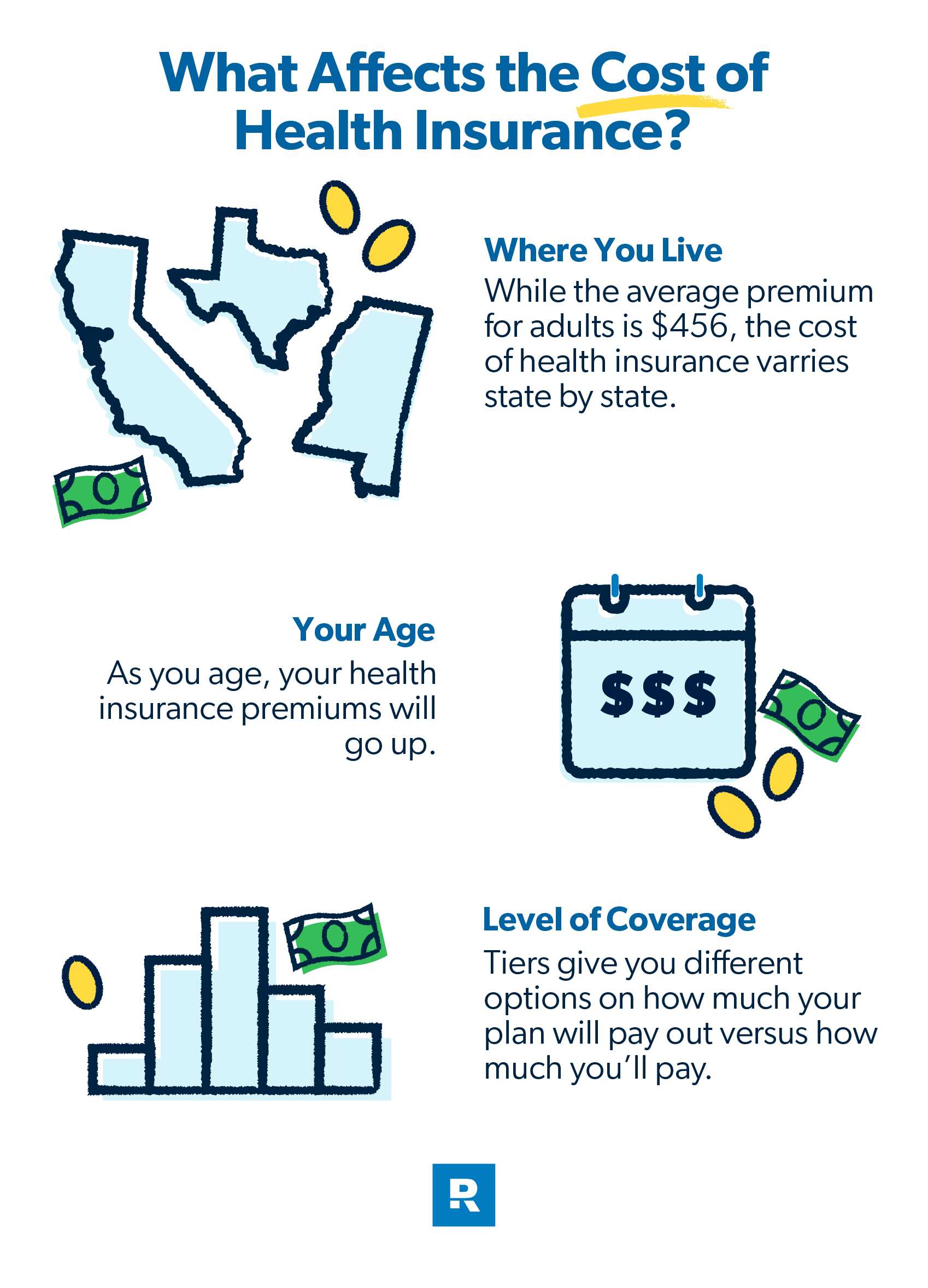
Age: Generally, older individuals pay higher premiums because they are statistically more likely to require medical care. The Affordable Care Act (ACA) limits how much insurers can charge older adults compared to younger ones, typically up to a 3:1 ratio.
-
Location: Geographic location plays a significant role. Healthcare costs vary widely across states, cities, and even within different zip codes due to differences in local medical costs, competition among providers and insurers, and state-specific regulations. A plan in New York City will likely cost more than an identical plan in rural Kansas.
-
Tobacco Use: Insurers are permitted to charge tobacco users higher premiums, often up to 50% more than non-users, reflecting the increased health risks associated with smoking.
-
Plan Type: The kind of plan you choose (e.g., HMO, PPO, EPO, POS, HDHP) significantly affects the premium. Plans with broader networks and more flexibility typically come with higher monthly costs.
-
Metal Tier (for ACA plans): Plans offered on the Health Insurance Marketplace are categorized into metal tiers: Bronze, Silver, Gold, and Platinum. Bronze plans have the lowest premiums but highest out-of-pocket costs (deductibles, copays). Platinum plans have the highest premiums but the lowest out-of-pocket costs.
-
Family Size: Premiums increase with the number of individuals covered under a single policy.
It’s important to note that, under the ACA, health status, gender, and pre-existing conditions cannot be used to determine premiums, ensuring fairer access to coverage.
The Role of Plan Type (HMO, PPO, EPO, POS, HDHP)
The structure of your health insurance plan dictates not only your premium but also your access to care and your out-of-pocket expenses. Each type offers a different balance of cost, flexibility, and network restrictions:
-
HMO (Health Maintenance Organization): Typically has lower premiums but requires you to choose a primary care provider (PCP) within the network and get referrals for specialists.
-
PPO (Preferred Provider Organization): Offers more flexibility with a broader network of providers, and you generally don’t need a referral to see a specialist. However, PPOs often come with higher premiums.
-
EPO (Exclusive Provider Organization): A hybrid, often with lower premiums than PPOs, but you must stay within the network for services (except emergencies) and usually don’t need referrals.
-
POS (Point of Service): Combines elements of HMOs and PPOs, allowing you to choose between in-network (HMO-style) and out-of-network (PPO-style) care, but at different cost levels.
-
HDHP (High-Deductible Health Plan): Characterized by lower premiums but significantly higher deductibles. These are often paired with Health Savings Accounts (HSAs) to help manage out-of-pocket costs.
Your choice among these types will profoundly impact your average monthly expenditure and your financial exposure when you need medical care.
Geographic Variations and State Regulations
The cost of healthcare services and, consequently, insurance premiums vary dramatically by state and even by county. This is due to several factors, including:
-
Cost of Living: Higher wages for healthcare professionals and higher operational costs for facilities in urbanized, expensive areas translate to higher healthcare service prices.
-
Market Competition: In areas with more insurance providers and healthcare systems competing for patients, prices might be more competitive. Conversely, monopolies or limited options can drive costs up.
-
State Regulations: Each state has its own insurance laws and regulations, which can impact pricing. Some states have specific mandates for coverage or rate review processes that influence how much insurers can charge.
-
Population Health: The overall health of a state’s population can also play a role; sicker populations may lead to higher average claims and thus higher premiums.
These variations mean that “average” health insurance costs can differ by hundreds of dollars depending on where you reside.
Averages by Market Segment: What to Expect
When discussing average costs, it’s essential to segment the market, as the pricing structures and subsidies vary significantly depending on how one obtains coverage. The three primary avenues for health insurance are through an employer, through the individual marketplace (often referred to as ACA plans), or through government programs like Medicare and Medicaid.
Individual Marketplace Plans (ACA)
For individuals and families who don’t have access to employer-sponsored insurance, the Affordable Care Act (ACA) marketplace provides an avenue for coverage. The average cost of an ACA plan can vary widely based on the factors discussed above, but national averages provide a useful benchmark.
In recent years, the average benchmark Silver plan (the second-lowest cost Silver plan, used for subsidy calculations) for a 40-year-old non-smoker has ranged from approximately $400 to $600 per month before subsidies. However, a significant portion of individuals purchasing plans through the ACA marketplace qualify for premium tax credits, which can substantially reduce these out-of-pocket premium costs. In 2023, about 90% of marketplace enrollees received financial assistance, reducing their average monthly premium for a Silver plan to as low as $100-$150. Eligibility for these subsidies is based on household income relative to the federal poverty level. The American Rescue Plan Act of 2021 and the Inflation Reduction Act of 2022 enhanced these subsidies, making coverage more affordable for many.
Employer-Sponsored Health Insurance
The vast majority of Americans receive their health insurance through their employer. While employers often cover a significant portion of the premium, employees still contribute. The exact percentage varies widely by company size, industry, and the specific plan offered.
According to the Kaiser Family Foundation (KFF), in 2023, the average annual premium for employer-sponsored health insurance was approximately:
-
Single Coverage: Around $8,435 per year, with employees contributing an average of $1,400 annually (or about $117 per month). Employers covered the remaining $7,035.
-
Family Coverage: Around $23,968 per year, with employees contributing an average of $6,575 annually (or about $548 per month). Employers covered the remaining $17,393.
These figures represent national averages and can fluctuate based on the plan’s generosity, the employer’s contribution strategy, and the employee’s choice of plan tier. While these employee contributions might seem lower than individual marketplace plans, it’s crucial to remember that the total cost of the plan is much higher, with the employer picking up the larger share.
Medicare and Medicaid (Brief Mention of Eligibility vs. Cost)
For specific populations, government-funded programs like Medicare and Medicaid offer essential coverage, often at significantly reduced or no cost.
-
Medicare: Primarily serves individuals aged 65 and older, as well as younger people with certain disabilities or end-stage renal disease. Most beneficiaries pay monthly premiums for Part B (medical insurance) and often for Part D (prescription drug coverage). Part A (hospital insurance) is typically premium-free if you’ve paid Medicare taxes for a sufficient period. In 2024, the standard Part B premium is $174.70 per month, though higher-income individuals pay more.
-
Medicaid: Provides health coverage to low-income adults, children, pregnant women, elderly adults, and people with disabilities. Eligibility and specific benefits vary by state, but for those who qualify, coverage is typically free or very low-cost, including minimal or no premiums and modest co-payments for services.
While these programs offer crucial safety nets, they are not universally available and come with strict eligibility requirements based on age, income, and health status.
Beyond Premiums: The True Cost of Health Coverage
Focusing solely on premiums offers an incomplete picture of health insurance costs. The “true cost” of health coverage extends beyond the monthly payment to include various out-of-pocket expenses that arise when you actually use your insurance. Understanding these components is vital for accurate financial planning.
Deductibles, Copayments, and Coinsurance
These are the most common forms of out-of-pocket expenses you’ll encounter:
-
Deductible: This is the amount of money you must pay for covered healthcare services before your insurance plan starts to pay. For example, if you have a $3,000 deductible, you’ll pay the first $3,000 in covered medical expenses yourself each year before your insurance kicks in. Deductibles can range from a few hundred dollars to several thousand, especially for HDHPs.
-
Copayment (Copay): A fixed amount you pay for a covered healthcare service after you’ve paid your deductible. For instance, you might have a $30 copay for a doctor’s visit or a $10 copay for a prescription. Copays do not usually count towards your deductible but do count towards your out-of-pocket maximum.
-
Coinsurance: This is your share of the cost of a healthcare service after you’ve met your deductible. It’s usually a percentage of the total cost. For example, if your plan pays 80% of costs after the deductible, you’ll pay the remaining 20% (coinsurance). If a procedure costs $1,000 and you’ve met your deductible, you’d pay $200.
These expenses accumulate, and their magnitude can significantly impact your total healthcare spending, particularly in years with high medical needs.

Out-of-Pocket Maximums: Your Financial Safety Net
The out-of-pocket maximum (or limit) is a crucial protection built into most health insurance plans. It’s the most you have to pay for covered services in a plan year. Once you reach this limit, your health plan pays 100% of the costs of covered benefits for the remainder of the year.
The out-of-pocket maximum includes deductibles, copayments, and coinsurance payments. It does not typically include your monthly premiums, charges for services not covered by your plan, or amounts you pay to out-of-network providers if your plan doesn’t cover them. For 2024, the ACA limits the out-of-pocket maximum for individual plans to $9,450 and for family plans to $18,900. While these figures can seem high, they serve as an essential cap on your financial exposure to catastrophic medical events.
Hidden Costs and Unexpected Expenses
Beyond the standard premiums, deductibles, copays, and coinsurance, several other factors can inflate your true healthcare costs:
-
Non-Covered Services: Not all medical services are covered by every plan. Cosmetic procedures, certain experimental treatments, or specific alternative therapies might not be included, leaving you responsible for 100% of the cost.
-
Out-of-Network Charges: If you have a PPO or POS plan and choose to see an out-of-network provider, you might face higher deductibles, coinsurance, or balance billing (where the provider bills you for the difference between their charge and what your insurance pays). HMOs and EPOs typically offer no coverage for out-of-network care except in emergencies.
-
Surprise Medical Bills: These occur when you receive care from an out-of-network provider at an in-network facility (e.g., an anesthesiologist during an in-network surgery). The No Surprises Act, enacted in 2022, aims to protect consumers from these unexpected bills for emergency services and certain non-emergency services.
-
Prescription Drug Costs: While often subject to copays or coinsurance, some high-cost specialty drugs can remain expensive even with coverage, contributing significantly to annual out-of-pocket spending.
-
Dental and Vision: Many health insurance plans do not include routine dental or vision care for adults. These often require separate policies or direct payment, adding to overall healthcare expenditures.
Considering these potential hidden costs is crucial for a complete financial assessment of your healthcare budget.
Strategies for Managing and Reducing Health Insurance Expenses
Managing health insurance costs is an ongoing process that requires strategic planning and careful decision-making. There are several avenues to explore for reducing both your premium and your out-of-pocket expenses.
Shopping Smart: Utilizing the Marketplace and Brokers
Don’t settle for the first plan you see. Actively comparing options is key:
-
Health Insurance Marketplace: If you don’t have employer-sponsored coverage, the ACA marketplace (healthcare.gov or your state’s exchange) is designed for easy comparison shopping. Input your income and household information to see eligible subsidies.
-
Private Exchanges/Brokers: You can also explore plans directly from insurers or through licensed insurance brokers. Brokers can offer personalized advice, help you understand complex plan details, and identify plans outside the public marketplace that might better suit your needs.
-
Annual Re-evaluation: Health plans and your needs change annually. Re-evaluate your plan during open enrollment to ensure it still offers the best value for your situation. Even if you’re happy with your current plan, comparing it to new offerings can often reveal better deals.
Maximizing Employer Benefits
If your employer offers health insurance, maximize its potential:
-
Understand Plan Options: Employers often offer multiple plan choices (e.g., an HMO and a PPO). Compare premiums, deductibles, and out-of-pocket maximums for each.
-
Health Savings Accounts (HSAs) or Flexible Spending Accounts (FSAs): These tax-advantaged accounts (discussed further below) offered through employers can significantly reduce your taxable income and help cover medical costs.
-
Wellness Programs: Many employers offer wellness incentives, such as discounts on premiums or contributions to HSAs, for participating in health assessments, quitting smoking, or engaging in fitness activities.
-
Spousal Coverage: If both you and your spouse have access to employer plans, compare them carefully. Sometimes, combining coverage on one plan is cheaper; other times, having separate plans is more cost-effective.
Leveraging Tax Credits and Subsidies (ACA)
For those purchasing through the ACA marketplace, financial assistance can be a game-changer:
-
Premium Tax Credits: These federal subsidies reduce your monthly premium. Eligibility is based on household income and family size relative to the Federal Poverty Level (FPL). Even those with moderate incomes may qualify, especially with recent enhancements.
-
Cost-Sharing Reductions (CSRs): If your income is below 250% of the FPL, you may qualify for CSRs, which lower your deductible, copayments, and coinsurance, effectively making Silver plans much more robust. You must enroll in a Silver plan to receive CSRs.
-
Medicaid Expansion: If your state has expanded Medicaid under the ACA, you might qualify for free or low-cost coverage if your income is below 138% of the FPL.
Always provide accurate income estimates when applying to the marketplace to ensure you receive the maximum eligible assistance.
Exploring Health Savings Accounts (HSAs)
HSAs are powerful financial tools available to individuals enrolled in a High-Deductible Health Plan (HDHP):
-
Triple Tax Advantage: Contributions are tax-deductible (or pre-tax if through an employer), earnings grow tax-free, and withdrawals for qualified medical expenses are tax-free.
-
Portability: HSAs are owned by you, not your employer, meaning they go with you if you change jobs or retire.
-
Investment Potential: Unlike FSAs, HSA funds roll over year after year and can be invested once you reach a certain balance, making them a retirement savings vehicle specifically for healthcare expenses.
-
Qualified Medical Expenses: Funds can be used for a wide range of expenses, including deductibles, copayments, prescription drugs, dental care, vision care, and even certain over-the-counter medications.
For those comfortable with a higher deductible, an HSA can be an incredibly effective strategy for saving on taxes and managing future healthcare costs.
The Long-Term Financial Implications of Health Coverage
Viewing health insurance as merely a monthly expense misses its profound role as a long-term financial planning tool. Its impact extends beyond immediate medical bills, safeguarding your wealth and enabling future financial stability.
Health Insurance as an Investment
While it may not generate returns in the traditional sense, health insurance is an investment in several critical ways:
-
Risk Mitigation: It protects you from the potentially devastating financial consequences of a major illness or accident. A single catastrophic event could lead to hundreds of thousands of dollars in medical debt without adequate coverage, wiping out savings, retirement funds, and even necessitating bankruptcy.
-
Preventative Care: Most plans cover preventative services (e.g., annual check-ups, screenings, vaccinations) at no additional cost. Utilizing these services is an investment in your future health, potentially catching issues early before they become more serious and costly.
-
Peace of Mind: Knowing you have a financial safety net for medical needs allows you to focus on other financial goals without the constant worry of potential medical debt.
This investment provides invaluable protection against health-related financial ruin.
Avoiding Medical Debt
Medical debt is a pervasive and crippling issue for many Americans. Without health insurance, even routine procedures can quickly escalate into unmanageable bills. With coverage, and especially with an understanding of your out-of-pocket maximum, you have a defined limit to your financial exposure. Proactive management of your healthcare, including understanding your benefits and negotiating bills, further reduces the risk of accumulating debt. Health insurance acts as the primary barrier against this insidious form of financial distress.
Planning for Future Healthcare Needs
As individuals age, healthcare costs generally increase. Having a consistent history of health insurance coverage and actively managing your healthcare finances can lay a strong foundation for future needs.
-
Retirement Planning: Factoring in projected healthcare costs, including Medicare premiums, supplemental insurance, and long-term care, is an essential part of retirement planning. HSAs, as discussed, can be a particularly effective tool for this.
-
Emergency Fund: While insurance covers many medical expenses, having a robust emergency fund is still crucial for covering deductibles, copays, and other immediate out-of-pocket costs before insurance kicks in or for non-covered services.
-
Long-Term Care: Traditional health insurance rarely covers long-term care services (e.g., nursing homes, in-home care). Planning for this may involve separate long-term care insurance policies or dedicated savings.
By taking a holistic view of health insurance and its related costs, you can make smarter financial decisions that protect your health and wealth throughout your lifetime.
The question of “how much does average health insurance cost” reveals a dynamic and often complex financial reality. From the nuanced interplay of age, location, and plan type on premiums to the critical role of deductibles, copays, and out-of-pocket maximums in determining true expenditure, the cost of health insurance is never a single, static figure. However, by understanding these components, leveraging available subsidies and employer benefits, and utilizing powerful tools like HSAs, individuals and families can navigate this essential expense more effectively. Ultimately, health insurance is more than just a monthly bill; it’s a vital financial investment that protects against catastrophic medical debt, facilitates preventative care, and provides invaluable peace of mind for a healthier and more secure financial future.
aViewFromTheCave is a participant in the Amazon Services LLC Associates Program, an affiliate advertising program designed to provide a means for sites to earn advertising fees by advertising and linking to Amazon.com. Amazon, the Amazon logo, AmazonSupply, and the AmazonSupply logo are trademarks of Amazon.com, Inc. or its affiliates. As an Amazon Associate we earn affiliate commissions from qualifying purchases.