
For many Americans, Social Security represents a cornerstone of their retirement security. It’s a benefit earned through a lifetime of work, designed to provide financial stability in later years. However, the path to retirement isn’t always a straight line of ceasing work entirely. A growing number of individuals choose, or need, to continue working part-time or even full-time well into their traditional retirement years. This decision often sparks a crucial question: How much can you earn before your Social Security benefits are affected?
The answer, while seemingly straightforward, is nuanced and depends primarily on your age relative to your Full Retirement Age (FRA) and the specific earnings limits set by the Social Security Administration (SSA). Navigating these rules is essential for maximizing your benefits and ensuring your financial well-being during retirement. This article will delve into the intricacies of Social Security’s earnings limits, helping you understand how your income might interact with your benefits and empowering you to make informed decisions about your financial future.
Understanding Social Security’s Earnings Limit
The concept of an earnings limit often catches new retirees by surprise. It’s a key feature of the Social Security program designed to manage payouts, particularly for those who claim benefits before their Full Retirement Age (FRA) while still earning substantial income.
What is the Earnings Limit?
The earnings limit is a specific dollar amount set annually by the Social Security Administration. If your earnings from work exceed this limit while you are receiving Social Security benefits and before you reach your Full Retirement Age, a portion of your benefits will be temporarily withheld. It’s crucial to understand that these are “earnings” from work (wages, net earnings from self-employment), not income from investments, pensions, or other sources. The primary purpose of this limit is to ensure that Social Security benefits are directed primarily to those who are no longer fully engaged in the workforce.
Why Does an Earnings Limit Exist?
Social Security was established as a social insurance program to provide income support for retired workers, their spouses, and survivors, as well as for disabled individuals. The earnings limit is rooted in the program’s original intent: to replace income lost due to retirement or disability, not to supplement full-time employment. Without an earnings limit, individuals could continue working full-time, potentially earning substantial income, while simultaneously drawing full Social Security benefits, which would strain the system’s finances and contradict its foundational purpose. It encourages those who are able to continue working at a high earning capacity to potentially delay their benefits, allowing them to grow.
Key Factors Affecting Your Benefits
Several factors determine how your earnings might impact your Social Security benefits:
-
Your Age Relative to Full Retirement Age (FRA): This is the most significant factor. The rules for earnings limits are drastically different before, during, and after the year you reach your FRA. Your FRA itself depends on your birth year, generally ranging from 66 to 67 years old.
-
The Specific Earnings Limit for the Year: The SSA adjusts these limits annually to account for inflation and changes in average wages. It’s vital to check the most current figures on the official SSA website.
-
Your Type of Benefit: While this article focuses on retirement benefits, similar (though distinct) earnings limits can apply to survivor benefits. Disability benefits have different earnings rules (Substantial Gainful Activity or SGA) that determine eligibility, not just benefit reduction.
-
The Amount of Your Earnings: Only earned income from wages or self-employment counts towards the limit. Investment income, capital gains, pensions, annuities, and other types of passive income do not affect your Social Security benefits.
Understanding these foundational elements is the first step toward strategically planning your retirement income. Ignoring them can lead to unexpected benefit reductions and financial surprises.
Navigating Benefits Before Your Full Retirement Age (FRA)
For many, the idea of retirement doesn’t mean stopping work entirely. Whether it’s to supplement income, stay active, or simply enjoy a new phase of life, working before your Full Retirement Age (FRA) while collecting Social Security benefits is a common scenario. However, this period is when the earnings limit rules are most stringent and can significantly impact your monthly payments.
The Annual Earnings Limit Thresholds
If you claim Social Security benefits before you reach your FRA, your benefits are subject to an annual earnings limit. For instance, in a given year (these figures change annually, so always verify with the SSA), if you are under your FRA for the entire year, the SSA will deduct $1 from your benefits for every $2 you earn above a specific threshold. This threshold is typically a moderate amount, designed to allow for some part-time work without immediate penalties. It’s crucial to look up the exact limit for the current year, as exceeding it even by a small amount can trigger benefit reductions.
For example, if the limit for those under FRA is $22,000, and you earn $26,000, you’ve exceeded the limit by $4,000. The SSA would then withhold $2,000 in benefits ($1 for every $2 over the limit). This reduction is not spread over the year; rather, the SSA typically withholds entire checks until the amount is recouped.
How Benefits Are Reduced
When you exceed the earnings limit before your FRA, the SSA will withhold benefits. It’s not a permanent loss, but a temporary reduction. For example, if you’re entitled to $1,500 per month and the SSA determines you need to have $3,000 withheld due to excess earnings, they might withhold two full monthly checks. Once the withheld amount equals the excess reduction, your payments would resume. The SSA will notify you if your benefits are being withheld due to excess earnings. It’s important to keep the SSA updated on your estimated annual earnings to prevent overpayments, which would then need to be repaid.
Strategies for Working Before FRA
Working before FRA requires careful planning to balance your earned income with your Social Security benefits.
-
Understand the Limits: Regularly check the current earnings limits on the SSA website to inform your work decisions.
-
Estimate Your Earnings: If you plan to work, provide the SSA with a realistic estimate of your annual earnings. You can update this estimate throughout the year if your income changes.
-
Consider Part-Time or Reduced Hours: If your goal is to maximize both your earnings and your benefits, consider adjusting your work hours or taking on roles that keep your income below the earnings limit.
-
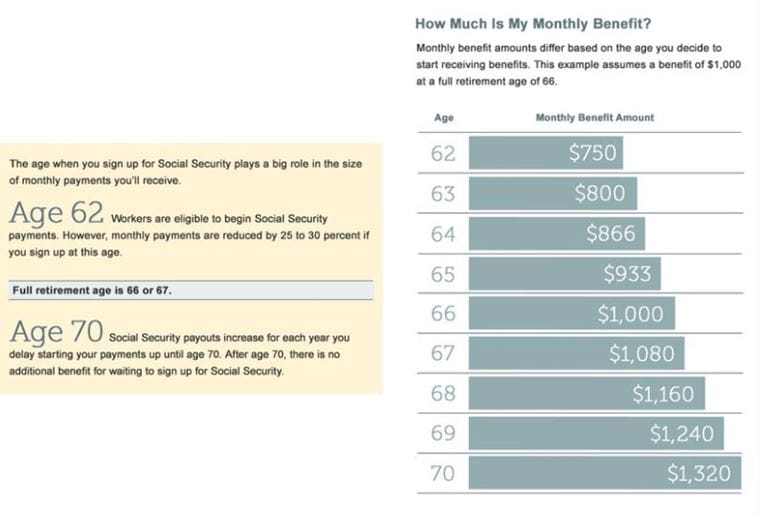
Delay Benefits: If your earnings are consistently high and would result in significant benefit reductions, it might be financially advantageous to delay claiming your Social Security benefits until your FRA or even later. Each year you delay beyond FRA (up to age 70) increases your monthly benefit amount.
-
Consult a Financial Advisor: A financial professional can help you model different scenarios, taking into account your income, retirement savings, and other financial goals, to determine the optimal strategy for you.
Navigating the pre-FRA period effectively means being proactive and informed, ensuring your work decisions align with your broader retirement income strategy.
Working During Your Full Retirement Age (FRA) Year
The year you reach your Full Retirement Age (FRA) is a transitional period with its own distinct set of Social Security earnings limits. It’s important not to confuse the rules for this specific year with those applied before FRA or after FRA, as the thresholds and reduction formulas differ significantly.
The Higher Earnings Limit
In the calendar year you reach your Full Retirement Age, the Social Security Administration applies a higher annual earnings limit than for years prior to FRA. This higher limit acknowledges that individuals are nearing the point where the earnings test will no longer apply at all. For instance (again, these figures change annually), the limit might be significantly higher than the pre-FRA limit, perhaps three times as much.
The reduction formula also changes. Instead of $1 for every $2 earned over the limit, the SSA will deduct $1 from your benefits for every $3 you earn above this higher threshold. This makes working in your FRA year more financially viable for many.
The “Month of Attainment” Rule
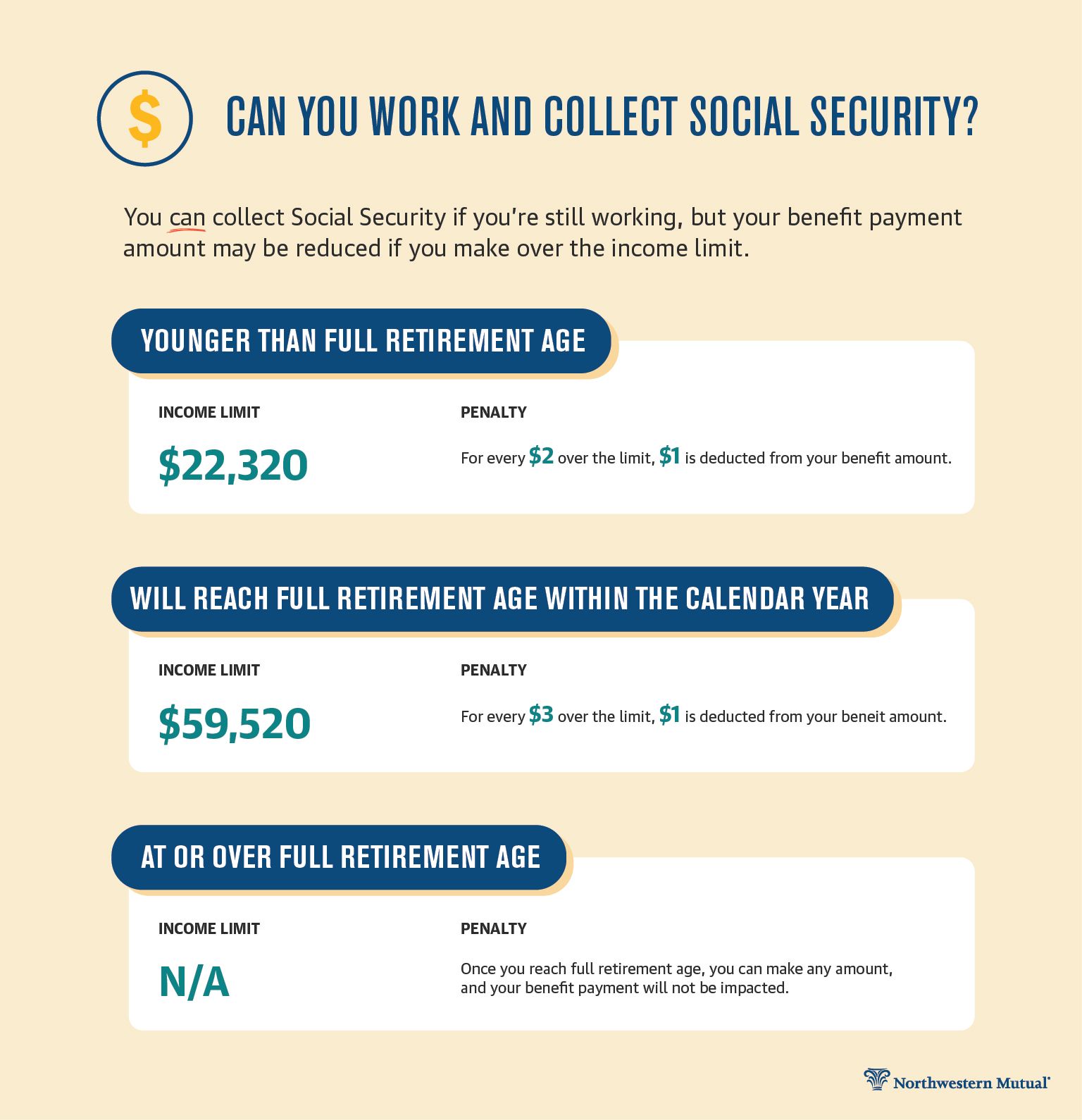
A critical detail for your FRA year is the “month of attainment” rule. This rule states that the higher earnings limit and the $1 for every $3 reduction apply only to earnings you make in the months before you reach your FRA. Once you hit your FRA month, the earnings limit effectively disappears for the rest of the year and for all subsequent years.
For example, if your FRA is August 2025, any earnings you accrue from January 1, 2025, through July 31, 2025, would count towards the higher earnings limit for your FRA year. However, any earnings from August 1, 2025, onwards would not be subject to any earnings limit whatsoever. This distinction is vital for those who plan to work throughout their FRA year, as it allows for unlimited earnings from their FRA month onward without any impact on benefits.
Impact on Your Benefits
Understanding the nuances of the FRA year limits can help you plan your income and maximize your Social Security. If you exceed the higher limit with your earnings before your FRA month, your benefits will be reduced by $1 for every $3 over the limit. Similar to the pre-FRA rules, the SSA will withhold benefit checks until the excess is recouped.
The good news is that this temporary reduction for earnings in your FRA year (and before your FRA month) is not a permanent loss. As we’ll discuss, any benefits withheld due to the earnings test at any point are factored into a recalculation of your benefits once you reach your FRA. This means that while you might receive less in the short term, your future monthly benefit amount could be adjusted upward to compensate. This makes transparency with the SSA about your expected earnings particularly important in your FRA year to avoid overpayments.
The Freedom of Earning After Your Full Retirement Age (FRA)
One of the most liberating aspects of Social Security planning comes into play once you pass your Full Retirement Age (FRA). This milestone marks a significant shift in how your earnings interact with your benefits, opening up new possibilities for those who wish to remain active in the workforce.
No Earnings Limit Post-FRA
The most important rule to remember is this: Once you reach your Full Retirement Age, the Social Security earnings limit completely disappears. You can earn any amount of money from work – whether it’s full-time employment, part-time gigs, or self-employment – and it will not affect your monthly Social Security benefit payments. Your benefits will be paid in full, regardless of your earned income. This provides immense flexibility for retirees who want to work for enjoyment, financial security, or to simply stay engaged. It removes the previous financial disincentive for working and allows individuals to pursue their careers or new ventures without penalty.
How Past Reductions Are Restored
For those who had benefits withheld due to exceeding the earnings limit before reaching their FRA, there’s another piece of good news. When you reach your FRA, the Social Security Administration recalculates your benefit amount. This recalculation effectively gives you credit for the months that benefits were withheld because of the earnings test.
The SSA adjusts your benefit to act as if you had retired later. This means your future monthly payments will likely be increased to account for the prior reductions. For instance, if you claimed benefits at age 62 and had a year’s worth of benefits withheld due to high earnings, when you reach your FRA, the SSA will effectively treat you as if you started receiving benefits a year later, resulting in a higher monthly payment for the rest of your life. This mechanism ensures that the benefits you missed out on are not permanently lost but are instead recouped through higher future payments.
Maximizing Your Benefits in Retirement
The removal of the earnings limit after FRA presents several opportunities for maximizing your overall financial well-being:
-
Continue Earning Freely: You can pursue any level of employment without worrying about losing Social Security benefits. This can significantly boost your retirement income, allowing you to maintain your lifestyle, save more, or pursue passions.
-
Increase Future Benefits (Potentially): If you continue to work and your earnings are higher than some of your lowest earning years (which are used in the calculation of your Average Indexed Monthly Earnings, or AIME), these new higher earnings can replace older, lower earning years in your Social Security record. Since Social Security benefits are based on your 35 highest earning years, continued high earnings can potentially lead to a slight increase in your monthly benefit amount upon recalculation.
-
Delay Claiming (if applicable): While the earnings limit disappears at FRA, if you’re able to work full-time and don’t immediately need your Social Security benefits at FRA, delaying claiming them until age 70 can further increase your monthly payment. For each year you delay past your FRA (up to age 70), your benefit increases by a certain percentage, known as Delayed Retirement Credits (DRCs).
The period after your FRA is truly a time of greater financial freedom concerning Social Security. It allows you to integrate work into your retirement lifestyle without financial penalties, providing both income and the potential for a higher benefit payout in the long run.
Strategic Financial Planning Around Social Security
Understanding the mechanics of Social Security’s earnings limits is just one piece of the retirement puzzle. To truly optimize your financial future, it’s essential to integrate this knowledge into a broader strategic financial plan. Social Security, while vital, is rarely designed to be a retiree’s sole source of income.
Integrating Social Security with Other Retirement Income
A robust retirement plan typically involves multiple income streams. Social Security acts as a base, but it should ideally be complemented by other sources to provide a comfortable retirement.
-
Pensions: If you’re fortunate enough to have a defined-benefit pension, coordinate its payout schedule with your Social Security claiming strategy.
-
401(k)s and IRAs: These tax-advantaged accounts are crucial. Consider drawing from these accounts to cover expenses if you are working before FRA and want to avoid exceeding the earnings limit. Conversely, if you’re working after FRA, your earned income might allow you to delay drawing from these accounts, giving them more time to grow.
-
Personal Savings and Investments: Non-retirement investment accounts provide flexibility. Income from these sources (dividends, interest, capital gains) generally does not count towards the Social Security earnings limit, making them ideal for supplementing income without affecting your benefits.
-
Other Income Streams: Rental income, royalties, or income from a side business where you don’t actively work are typically not considered “earned income” by the SSA and thus don’t affect your benefits.
The goal is to create a diversified income portfolio that can sustain your desired lifestyle, adapting your Social Security claiming strategy to work synergistically with your other assets.
Tax Implications of Working While Receiving Benefits
It’s a common misconception that Social Security benefits are tax-free. In reality, a portion of your Social Security benefits can become taxable if your “provisional income” exceeds certain thresholds. Provisional income is generally calculated as your Adjusted Gross Income (AGI) plus non-taxable interest plus one-half of your Social Security benefits.
-
Lower Threshold: If your provisional income is between $25,000 and $34,000 for an individual ($32,000 and $44,000 for a married couple filing jointly), up to 50% of your Social Security benefits may be taxable.
-
Higher Threshold: If your provisional income exceeds $34,000 for an individual ($44,000 for a married couple filing jointly), up to 85% of your Social Security benefits may be taxable.
Crucially, earned income from working while receiving benefits contributes directly to your provisional income. This means that even if your work income doesn’t reduce your Social Security benefits (especially after FRA), it could increase the taxable portion of those benefits. Understanding this interplay is vital for managing your overall tax liability in retirement.
When to Consult a Financial Advisor
Given the complexity of Social Security rules, earnings limits, tax implications, and the integration with your broader financial picture, seeking professional guidance is often a wise decision. A qualified financial advisor specializing in retirement planning can:
-
Model Scenarios: Help you project how different claiming ages and work scenarios will impact your total lifetime benefits and overall financial situation.
-
Optimize Tax Strategy: Assist in developing a strategy to minimize taxes on your Social Security benefits and other retirement income.
-
Review Your Entire Plan: Ensure your Social Security strategy aligns with your investment portfolio, estate plan, and personal goals.
-
Stay Updated: Provide current information on earnings limits, tax laws, and other relevant changes that could affect your retirement.
Deciding when and how to claim Social Security, especially if you plan to continue working, is one of the most critical financial decisions you’ll make in retirement. Arming yourself with knowledge and professional advice ensures you navigate this landscape effectively, securing the best possible financial outcome for your golden years.
aViewFromTheCave is a participant in the Amazon Services LLC Associates Program, an affiliate advertising program designed to provide a means for sites to earn advertising fees by advertising and linking to Amazon.com. Amazon, the Amazon logo, AmazonSupply, and the AmazonSupply logo are trademarks of Amazon.com, Inc. or its affiliates. As an Amazon Associate we earn affiliate commissions from qualifying purchases.