
Navigating the landscape of retirement income, particularly when it intersects with Social Security benefits, is a crucial financial planning task for millions. For many, the idea of completely ceasing work upon claiming Social Security is neither desirable nor financially feasible. Whether you’re considering part-time work to supplement your retirement income, engaging in a fulfilling post-career venture, or simply need to continue working out of necessity, understanding the rules around earning income while receiving Social Security benefits is paramount. This article delves into the intricacies of Social Security’s earnings limits, explores strategies for optimizing your income, and provides critical insights to help you make informed financial decisions as you transition into this new phase of life.
Understanding Social Security’s Earnings Limits
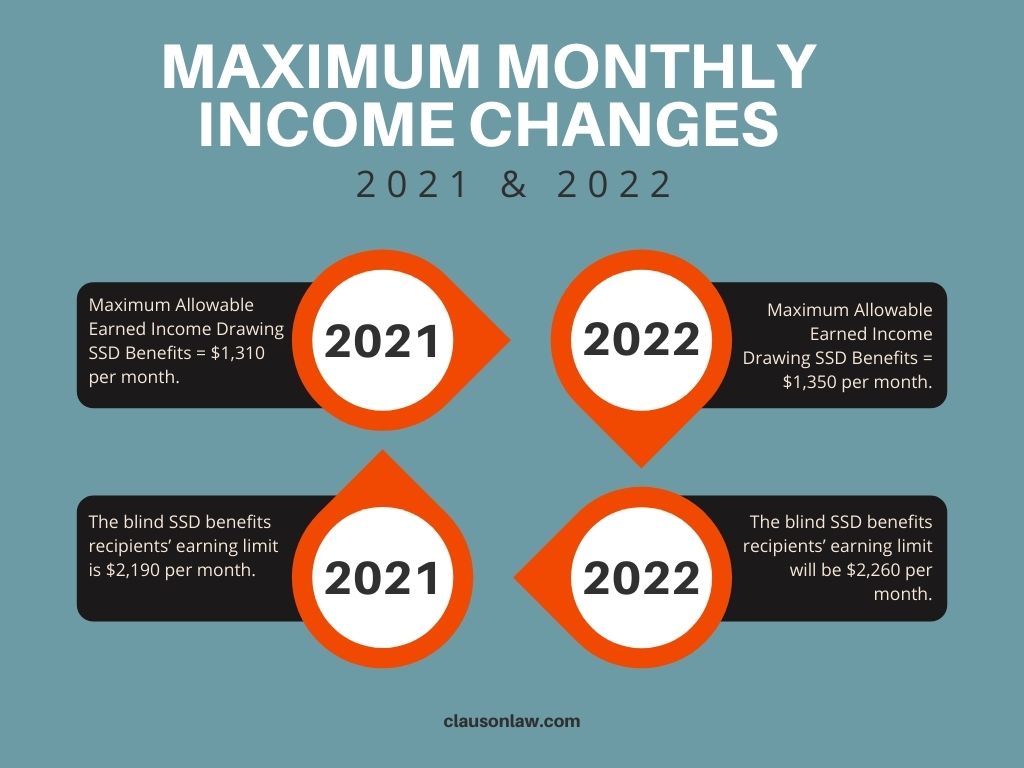
The Social Security Administration (SSA) has specific rules regarding how much you can earn from working while simultaneously receiving retirement benefits. These rules are designed to balance the system’s intent to provide a safety net for those who have retired with the desire for individuals to contribute to the economy. The most important factor in determining how your earnings impact your benefits is your age relative to your “Full Retirement Age” (FRA).
The Annual Earnings Test Explained
At its core, the Annual Earnings Test (AET) is the mechanism by which the SSA determines if your earned income should reduce your Social Security benefits. This test applies only if you are below your Full Retirement Age for the entire year, or if you reach your FRA during the year. Once you reach your Full Retirement Age, the earnings test no longer applies, and you can earn any amount without your Social Security benefits being reduced.
The specific earnings limits are updated annually by the SSA. For illustrative purposes, let’s consider the general structure:
-
Before Your Full Retirement Age: If you are under your FRA for the entire year, a significant earnings limit applies. For every two dollars you earn above this annual limit, the SSA will withhold one dollar from your Social Security benefits. This withholding is applied to your total annual benefits, potentially delaying or reducing your monthly payments until the withheld amount is recovered.
-
During the Year You Reach Full Retirement Age: A higher earnings limit applies during the year you reach your FRA. For every three dollars you earn above this higher limit, the SSA will withhold one dollar from your benefits. This rule, however, only applies to earnings before the month you reach your FRA. Starting with the month you reach your FRA, your earnings no longer reduce your benefits, regardless of how much you earn.
-
At or After Your Full Retirement Age: Once you reach your Full Retirement Age, there are no longer any earnings limits. You can earn as much as you want from working, and your Social Security benefits will not be reduced.
It’s crucial to consult the official SSA website or contact them directly for the most current earnings limits, as these figures are subject to change year to year based on economic factors.
What Counts as “Earnings”?
Understanding what the SSA considers “earnings” for the purpose of the AET is vital. Generally, “earnings” refer to wages you receive from an employer or your net earnings from self-employment. This includes gross wages, salaries, and any commissions, bonuses, or fees for services you perform.
What doesn’t count as earnings under the AET is equally important. These typically include:
-
Pensions and Annuities: Income from these sources is generally not considered earned income.
-
Investment Income: Dividends, interest, capital gains, and other returns from investments usually do not count.
-
Rental Income: Passive income from rental properties is typically exempt, unless you are actively involved in real estate as a business.
-
Government Benefits: Other government benefits, such as disability payments or workers’ compensation, are not considered earned income.
-
Military Pensions: These are also generally excluded from the earnings test.
This distinction is important because it opens up avenues for supplementing your income without impacting your Social Security benefits, which we will explore further.
Strategies for Maximizing Income While Receiving Benefits
Given the nuances of the earnings test, strategic planning can significantly impact your overall financial well-being in retirement. It’s not just about avoiding the earnings limit; it’s about optimizing all your income streams.
Delaying Benefits for Higher Future Payments
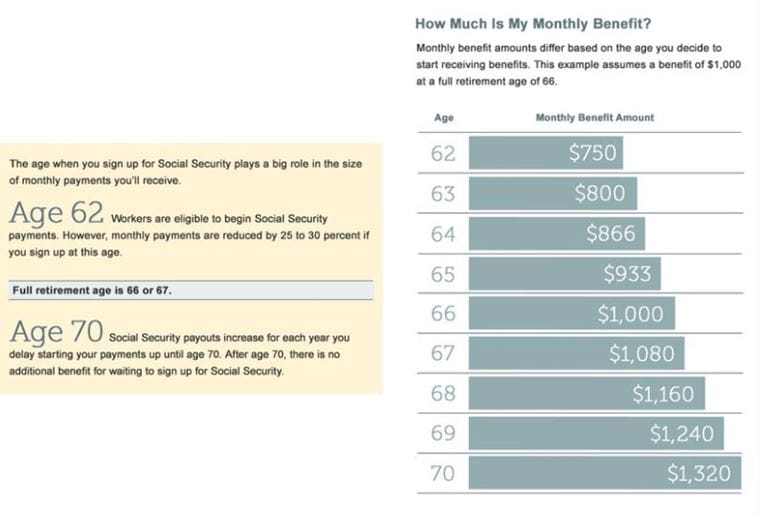
One of the most powerful strategies for maximizing your Social Security income is to delay claiming benefits beyond your earliest eligibility age (62) up to your Full Retirement Age, or even beyond, up to age 70. For each year you delay claiming benefits past your Full Retirement Age, your benefit amount increases by a certain percentage, known as Delayed Retirement Credits (DRCs), up to age 70. This can result in a substantially higher monthly benefit for the rest of your life.
If you are able to continue working, even with some benefit reduction due to the AET, the long-term gain from delayed claiming could outweigh the temporary loss. The benefits withheld due to the earnings test are not permanently lost; they contribute to increasing your future monthly benefit once you reach FRA. The SSA recalculates your benefit at your FRA, giving you credit for any months benefits were withheld due, in part, to your earnings.
Leveraging Non-Countable Income Sources
As noted, not all income counts against the Social Security earnings limit. This provides a crucial opportunity to supplement your income without penalty.
-
Investment Portfolio: A well-structured investment portfolio can generate significant income through dividends, interest, and capital gains. This passive income is not subject to the Social Security earnings test. Working with a financial advisor to create an income-generating portfolio tailored to your risk tolerance and needs can be highly beneficial.
-
Rental Properties: If you own rental properties, the income generated from them is generally not considered earned income by the SSA. This can be a valuable stream of passive income.
-
Annuities and Pensions: If you have personal annuities or receive a pension from a former employer, these income streams also fall outside the scope of the earnings test.
-
Roth IRA Withdrawals: Qualified withdrawals from a Roth IRA are tax-free and do not count as income for Social Security earnings test purposes.
By strategically diversifying your income sources to include more non-countable avenues, you can continue to generate substantial income in retirement without worrying about Social Security benefit reductions.
Considering Part-Time or Reduced Work Hours
For many, a gradual transition from full-time work to retirement is ideal. This might involve reducing work hours or switching to a less demanding part-time role. This approach allows you to remain engaged, continue earning, and potentially stay below the Social Security earnings limit.
-
Strategic Earnings Management: If you are below your Full Retirement Age, you can intentionally manage your work hours or self-employment income to stay under the annual earnings limit. This requires careful tracking of your income throughout the year.
-
Focus on the “Sweet Spot”: Some individuals aim to earn just enough to hit their desired income level without triggering significant benefit reductions. This often means finding a balance between the hours worked and the benefit implications.
Special Considerations and Exemptions
While the general rules apply to most, there are specific situations and types of benefits that warrant a closer look due to unique regulations.
Spousal and Survivor Benefits

The earnings test also applies to individuals receiving spousal or survivor benefits. If you are receiving these benefits and are below your Full Retirement Age, your earnings can reduce your own benefits, just as they would if you were claiming your own retirement benefits. The same earnings limits and withholding rates apply.
It’s important to note that if you are working and your spouse is receiving spousal benefits based on your record, your earnings could potentially impact their benefits if you are below your Full Retirement Age. However, typically the earnings test applies to the person receiving the benefits. For survivor benefits, the same rules regarding earnings limits apply based on the survivor’s age relative to their own Full Retirement Age.
Disability Benefits and Work Incentives
For those receiving Social Security Disability Insurance (SSDI) benefits, the rules for working are different and are designed to encourage a return to work if possible. The SSA offers several “Work Incentives” to help disability beneficiaries test their ability to work without immediately losing their benefits. These include:
-
Trial Work Period (TWP): During a TWP, you can work for up to nine months (not necessarily consecutive) where your earnings are above a certain threshold, without affecting your disability benefits. After the TWP, your benefits typically continue for a “Extended Period of Eligibility” (EPE) during which you can still receive benefits for any month your earnings are not “Substantial Gainful Activity” (SGA).
-
Substantial Gainful Activity (SGA): This is the monthly income threshold that the SSA uses to determine if your work is considered “substantial.” If you earn above the SGA limit (which is also updated annually), it usually indicates you are no longer considered disabled for benefit purposes. However, work incentives allow you to test your limits.
-
Impairment Related Work Expenses (IRWE): Certain expenses related to your disability that are necessary for you to work can be deducted from your earnings when the SSA calculates if your work is SGA.
Understanding these provisions is critical for anyone on SSDI considering a return to work. It’s highly advisable to contact the SSA directly or a benefits specialist to ensure you navigate these rules correctly.
Planning Your Financial Future with Social Security
Integrating Social Security into your broader financial plan requires foresight and strategic decision-making. It’s a foundational piece of your retirement puzzle, but rarely the only piece.
Comprehensive Financial Planning
Your decision about when to claim Social Security and how much to earn while receiving benefits should be part of a holistic financial plan. This plan should consider all your assets, liabilities, income streams, and expenses.
-
Budgeting and Expense Management: Understand your fixed and variable expenses in retirement. This will help you determine how much income you truly need.
-
Other Retirement Accounts: Integrate your 401(k)s, IRAs, and other investment accounts into your income strategy. Decide when and how to draw from these accounts to optimize tax efficiency and longevity.
-
Healthcare Costs: Factor in potential healthcare expenses, including Medicare premiums, deductibles, and out-of-pocket costs, which can significantly impact your retirement budget.
-
Estate Planning: Ensure your financial plan aligns with your estate planning goals to protect your legacy.
Working with a Financial Advisor
Given the complexity of Social Security rules, tax implications, and investment strategies, consulting with a qualified financial advisor is highly recommended. An advisor can help you:
-
Determine Your Optimal Claiming Strategy: Based on your health, family history, other assets, and longevity expectations.
-
Forecast Your Retirement Income: Model different scenarios of working while receiving benefits and drawing from other accounts.
-
Optimize Tax Efficiency: Develop strategies to minimize taxes on your Social Security benefits and other income streams. Up to 85% of your Social Security benefits can be taxable depending on your “provisional income.”
-
Adjust Plans as Needed: Life circumstances change, and an advisor can help you adapt your financial plan accordingly.
Estimating Your Future Benefits
A critical tool for planning is your personal Social Security Statement, which you can access online by creating an account on the SSA website (ssa.gov). This statement provides a personalized estimate of your future benefits at different claiming ages (62, Full Retirement Age, and 70), your earnings history, and estimates for disability and survivor benefits. Reviewing this statement regularly is essential to track your earnings record and plan effectively.
Navigating Reporting Requirements and Potential Pitfalls
The SSA relies on beneficiaries to accurately report their earnings. Failing to do so can lead to significant problems.
Promptly Reporting Changes in Earnings
If you are receiving Social Security benefits and are below your Full Retirement Age, you are generally required to report your estimated earnings for the year to the SSA. If your actual earnings change throughout the year, or if your employment status changes, you must notify the SSA promptly. This ensures that they can adjust your benefits correctly and avoid overpayments or underpayments.
-
Estimating Your Earnings: When you first apply for benefits, or if your earnings change, you’ll need to provide an estimate of your annual earnings. The SSA will use this estimate to determine how much, if any, of your benefits to withhold.
-
Updating Your Estimate: If your actual earnings are significantly different from your estimate, you should contact the SSA to revise your estimate. This is particularly important if you are going to earn more than initially expected.
Avoiding Overpayments and Penalties
One of the most common pitfalls for those working while receiving Social Security is receiving an overpayment. An overpayment occurs when the SSA pays you more benefits than you were due. This often happens if you earn more than the estimated amount and don’t report the change, or if your initial estimate was too low.
If an overpayment occurs, the SSA will generally require you to repay the excess amount. This can be done through direct payment, or by withholding future benefits until the overpayment is recovered. In some cases, if the overpayment was due to willful misrepresentation or fraud, you could face additional penalties. Accurate and timely reporting is the best defense against overpayments.
The Importance of Accurate Records
Maintain meticulous records of your earnings, work history, and any correspondence with the SSA. This includes pay stubs, W-2 forms, self-employment income and expense ledgers, and confirmation numbers for phone calls or online interactions with the SSA. These records will be invaluable if there are any discrepancies or questions about your benefits.
Seeking Guidance from the Social Security Administration (SSA)
When in doubt, the best course of action is always to contact the Social Security Administration directly. Their representatives can provide personalized advice based on your specific circumstances, explain the current rules and limits, and assist you with reporting changes or resolving issues. The SSA website (ssa.gov) is also an excellent resource for detailed publications, FAQs, and online tools.
In conclusion, working while receiving Social Security benefits is a viable and often beneficial option for many individuals. However, it demands a thorough understanding of the rules, diligent planning, and proactive communication with the SSA. By grasping the earnings test, exploring various income strategies, and staying informed, you can effectively manage your finances and ensure a more secure and comfortable retirement.
aViewFromTheCave is a participant in the Amazon Services LLC Associates Program, an affiliate advertising program designed to provide a means for sites to earn advertising fees by advertising and linking to Amazon.com. Amazon, the Amazon logo, AmazonSupply, and the AmazonSupply logo are trademarks of Amazon.com, Inc. or its affiliates. As an Amazon Associate we earn affiliate commissions from qualifying purchases.