
In the modern financial landscape, Bitcoin has transitioned from a fringe technological experiment into a recognized institutional asset class. Often referred to as “digital gold,” it serves as both a hedge against traditional fiat currency inflation and a high-growth component of a diversified investment portfolio. However, for many traditional investors, the transition from conventional equities to digital assets can feel daunting due to the unique technical and regulatory frameworks involved.
Purchasing Bitcoin is no longer just about clicking a button; it involves a series of strategic decisions regarding security, liquidity, and cost-efficiency. This guide provides a comprehensive roadmap for navigating the complexities of the digital asset market, ensuring that your entry into the world of Bitcoin is both secure and financially sound.

Establishing a Secure Financial Gateway: Choosing Your Exchange
The first step in acquiring Bitcoin is selecting the right platform. In the realm of personal finance, your choice of an exchange is as critical as your choice of a brokerage for stocks. These platforms act as the primary bridge between traditional banking systems and the blockchain.
Centralized Exchanges (CEXs): Convenience and Liquidity
For the majority of investors, centralized exchanges like Coinbase, Kraken, or Binance provide the most accessible entry point. These platforms function similarly to traditional stock brokerages, offering high liquidity, user-friendly interfaces, and customer support. From a financial management perspective, CEXs are advantageous because they simplify the process of converting fiat currency (USD, EUR, GBP) into Bitcoin. They also provide necessary tools for tax reporting and portfolio tracking, which are essential for maintaining a clean financial record.
Decentralized Exchanges (DEXs) and P2P Platforms
For more advanced users who prioritize financial autonomy and privacy, decentralized exchanges (DEXs) or Peer-to-Peer (P2P) platforms offer an alternative. These systems allow for the exchange of assets without a central intermediary. While they offer greater privacy, they often lack the deep liquidity and consumer protections found in centralized counterparts. For a professional investor, P2P platforms like Paxful or Bisq require a higher degree of due diligence to mitigate the risks of counterparty fraud.
Evaluating Fee Structures and Security Protocols
Before committing capital to an exchange, it is imperative to analyze their fee schedules. Most platforms charge a combination of trading fees (spreads or flat fees) and withdrawal fees. Over time, high fees can significantly erode your investment returns. Furthermore, investigate the platform’s security history. Look for exchanges that utilize institutional-grade custody solutions, such as cold storage (offline keeping of assets) and multi-signature authorization, to ensure your funds are protected against cyber threats.
Navigating the On-Ramp Process: Verification and Funding
Once you have selected a platform, the next phase involves the “on-ramp”—the process of moving your traditional capital into the digital ecosystem. This stage is governed by strict financial regulations designed to prevent illicit activity.
Understanding KYC and AML Compliance
In line with global financial standards, reputable exchanges require users to undergo Know Your Customer (KYC) and Anti-Money Laundering (AML) verification. This typically involves providing government-issued identification and proof of residence. While some may view this as a hurdle to privacy, from a personal finance standpoint, using a compliant exchange provides a layer of legal protection and ensures that your asset source is verified, which is crucial when eventually liquidating assets back into a bank account.
Optimizing Funding Methods for Cost Efficiency
There are several ways to fund your exchange account, each with different financial implications:
- ACH and Wire Transfers: Usually the most cost-effective method. Wire transfers are faster but may incur a small bank fee, whereas ACH transfers are often free but may take several business days to clear.
- Credit and Debit Cards: While convenient for immediate purchases, these often carry the highest fees—sometimes upwards of 3% to 5%. In a disciplined investment strategy, these fees should be avoided as they represent a significant immediate loss on your principal investment.
- Peer-to-Peer Transfers: These involve direct transfers from your bank to another individual’s bank, moderated by an escrow service.
Managing Initial Volatility Exposure
When funding an account, there is often a “settlement period” during which your fiat currency is held before you can execute a trade or withdraw your Bitcoin. During this time, the price of Bitcoin may fluctuate. Professional investors often keep a “dry powder” reserve of cash or stablecoins (digital assets pegged to the dollar) on the exchange to capitalize on market dips without waiting for bank transfer delays.
Strategic Acquisition: Market Execution and Risk Management
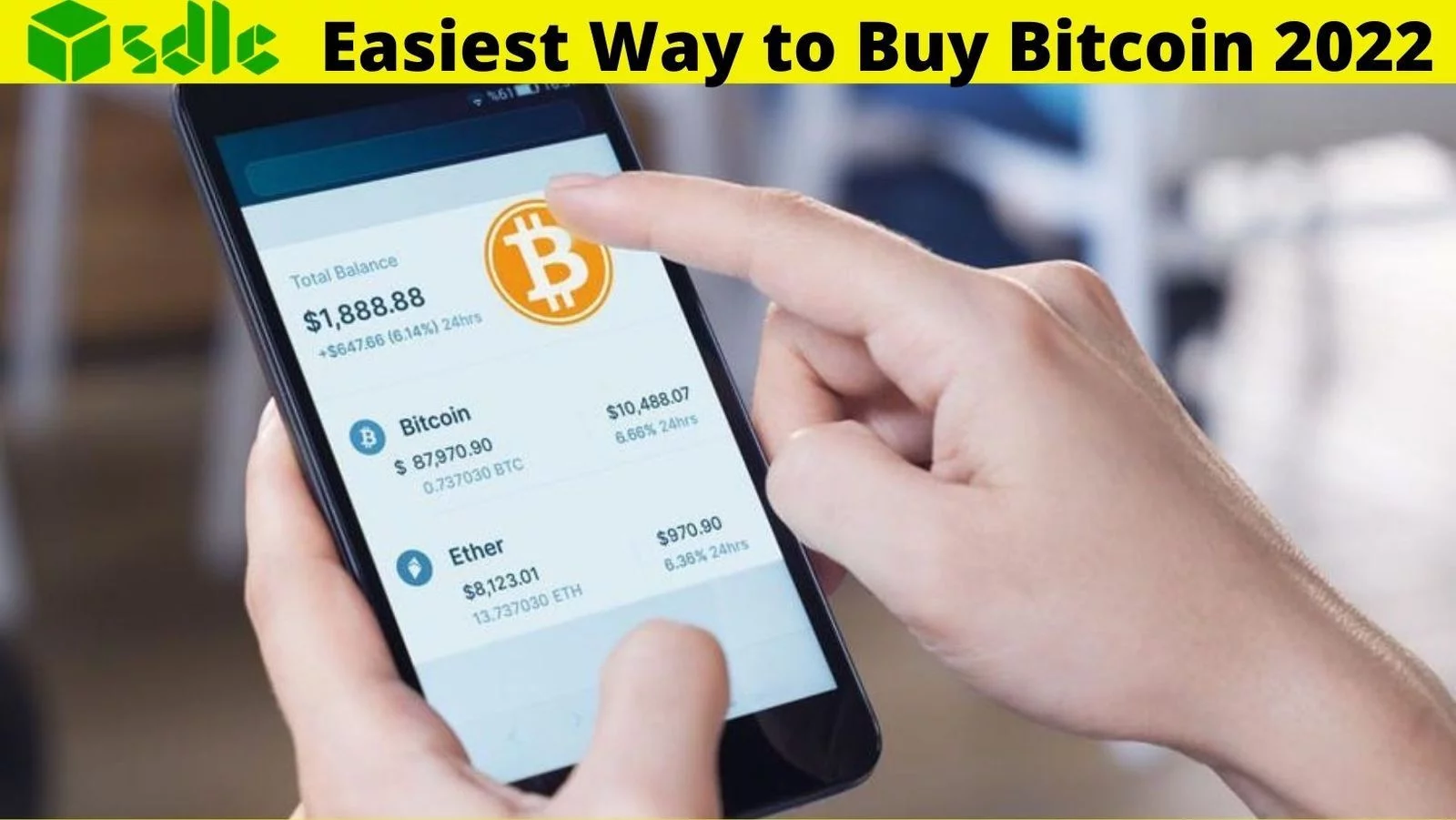
With a funded account, you are ready to execute your purchase. However, the timing and method of acquisition are what separate emotional speculators from disciplined investors.
Market vs. Limit Orders
A Market Order executes your purchase immediately at the current best available price. This is ideal if you need to acquire Bitcoin instantly and are less concerned with minor price fluctuations. A Limit Order, conversely, allows you to set a specific price at which you are willing to buy. If the market price reaches your target, the trade executes. Using limit orders is a hallmark of sophisticated investing, as it prevents “slippage”—the difference between the expected price of a trade and the price at which the trade actually executes.
Dollar-Cost Averaging (DCA): The Professional Standard
Bitcoin is notoriously volatile. Trying to “time the bottom” is a high-risk strategy that often leads to missed opportunities. Dollar-Cost Averaging (DCA) is a strategic approach where you invest a fixed amount of money at regular intervals (e.g., $200 every month) regardless of the price. This strategy smooths out volatility over time, lowering the average cost per coin and removing the emotional stress associated with market swings. Most major exchanges now offer automated recurring purchase tools to facilitate this strategy.
Calculating the “Breakeven” and Spread
When you purchase Bitcoin, you must account for the “spread”—the difference between the buy and sell price. If an exchange has a wide spread, you are effectively starting your investment at a loss. Strategic purchasing involves looking for platforms with high “order book depth,” ensuring that your purchase (especially if it is a large one) does not artificially inflate the price you pay.
Asset Protection: The Role of Digital Custody
In the world of traditional finance, the bank or brokerage is responsible for the safety of your assets. In the world of Bitcoin, the responsibility of custody often falls on the investor. The phrase “not your keys, not your coins” highlights the risk of leaving large sums of money on an exchange.
Moving Beyond the Exchange: Self-Custody
While keeping Bitcoin on an exchange is convenient for active trading, it exposes you to “exchange risk”—the possibility of the platform being hacked or going bankrupt. For long-term wealth preservation, moving your Bitcoin to a private wallet is recommended. This involves a digital “key” that only you control.
Hardware Wallets: The “Gold Standard” for Security
A hardware wallet (or “cold storage”) is a physical device that stores your private keys offline. Because it is not connected to the internet, it is virtually immune to online hacking attempts. For any investment exceeding a few thousand dollars, the one-time cost of a hardware wallet is a necessary insurance premium for your capital.
Multi-Signature and Social Recovery Systems
For institutional-level security or high-net-worth individuals, multi-signature (multisig) wallets require more than one key to authorize a transaction. This prevents a “single point of failure.” If one key is lost or stolen, the funds remain secure. Understanding these advanced financial tools is vital for anyone looking to make Bitcoin a permanent fixture of their estate planning.
Financial Reporting and Tax Obligations
Purchasing Bitcoin is a financial event that carries significant tax implications. Treating your digital assets with the same administrative rigor as your stock portfolio is essential for long-term financial health.
Understanding Capital Gains Tax
In many jurisdictions, including the United States (IRS), Bitcoin is treated as property rather than currency. This means every time you sell Bitcoin, or even use it to purchase a good or service, it triggers a taxable event. You are required to report capital gains or losses. Keeping meticulous records of your “cost basis” (the price at which you purchased the Bitcoin) is mandatory.
Utilizing Tax-Loss Harvesting
Just as with stocks, Bitcoin investors can use “tax-loss harvesting” to their advantage. If the price of Bitcoin drops, you can sell your position to realize a loss, which can then be used to offset capital gains in other areas of your investment portfolio. Because the “wash sale” rules that apply to stocks currently have different applications in the crypto market in some regions, Bitcoin can be a powerful tool for strategic tax planning.

Integrating Bitcoin into Estate Planning
As Bitcoin becomes a larger portion of an individual’s net worth, it must be integrated into their will and estate plan. Unlike a bank account, which can be accessed by heirs through legal channels, Bitcoin held in self-custody is inaccessible without the private keys. Professional financial planning involves ensuring that your beneficiaries have a secure, documented method for inheriting your digital wealth without compromising the security of the assets during your lifetime.
In conclusion, purchasing Bitcoin is a multi-faceted financial operation that rewards those who approach it with diligence and strategy. By choosing the right infrastructure, mastering the funding process, employing disciplined acquisition strategies like DCA, and prioritizing high-level security, you can successfully integrate this digital asset into your broader financial legacy. As the global economy continues to digitize, the ability to navigate the Bitcoin market will remain a core competency for the modern, informed investor.
aViewFromTheCave is a participant in the Amazon Services LLC Associates Program, an affiliate advertising program designed to provide a means for sites to earn advertising fees by advertising and linking to Amazon.com. Amazon, the Amazon logo, AmazonSupply, and the AmazonSupply logo are trademarks of Amazon.com, Inc. or its affiliates. As an Amazon Associate we earn affiliate commissions from qualifying purchases.