
The question of what one Bitcoin is worth is perhaps the most frequently asked, yet most complex, query in the modern financial landscape. To a casual observer, the answer is a simple numerical figure displayed on a ticker tape or a smartphone app. However, to an investor, economist, or financial strategist, the “worth” of a single Bitcoin encompasses far more than its current exchange rate in U.S. Dollars. It represents a shift in how humanity perceives value, scarcity, and the sovereignty of money.
As Bitcoin has matured from an experimental digital token into a trillion-dollar asset class, its valuation has become a cornerstone of contemporary portfolio management. Understanding its worth requires a deep dive into its unique economic properties, the market forces that drive its price, and its role as a hedge against traditional financial systemic risks.
The Economic Foundations of Bitcoin’s Value
Unlike fiat currencies, such as the Dollar or the Euro, which are backed by government decree and central bank policy, Bitcoin derives its value from mathematical certainty and decentralized consensus. To understand what one Bitcoin is worth, one must first understand the fundamental pillars that support its price floor.
Digital Scarcity and the 21 Million Cap
At the heart of Bitcoin’s value proposition is its absolute scarcity. The protocol is hard-coded to ensure that only 21 million Bitcoins will ever exist. In a world where central banks can—and do—expand the money supply through quantitative easing, Bitcoin offers a “hard money” alternative. This scarcity makes Bitcoin a deflationary asset. As demand increases while the supply remains fixed, the theoretical value of each unit must rise to accommodate the inflow of capital. This is the primary driver behind the “Store of Value” narrative that attracts long-term investors.
The Network Effect and Utility
The worth of a currency is often tied to the size of the network that uses it—a concept known as Metcalfe’s Law. Bitcoin’s value is bolstered by its global, 24/7 infrastructure. It allows for the permissionless transfer of wealth across borders without the need for an intermediary like a bank. This utility—the ability to move large sums of money securely and quickly—provides an intrinsic value that is independent of speculative trading.
Decentralization as a Premium
In traditional finance, your “worth” is often at the mercy of third-party institutions. Banks can freeze accounts, and governments can devalue currency. Bitcoin’s decentralization means that no single entity controls the network. This “sovereignty premium” adds to its worth, particularly for individuals in regions with unstable banking systems or hyperinflated local currencies.
Market Drivers: Why the Price Fluctuates
While the long-term value of Bitcoin is rooted in its scarcity, its short-term price is subject to intense volatility driven by market dynamics. For the active investor, understanding these drivers is essential to timing entries and exits in the market.
Supply and Demand Dynamics
At its most basic level, the price of one Bitcoin is determined by the balance between buyers and sellers on global exchanges. Because Bitcoin’s supply is transparent and predictable, the volatility is almost entirely demand-side driven. When a major corporation adds Bitcoin to its balance sheet, or a new group of retail investors enters the market, the surge in demand against a liquid supply that is often “HODLed” (held long-term) leads to rapid price appreciation.
The Impact of Institutional Adoption and ETFs
The landscape of Bitcoin’s worth changed significantly with the approval of Spot Bitcoin Exchange-Traded Funds (ETFs). These financial instruments allowed trillions of dollars in institutional capital—from pension funds to insurance companies—to flow into Bitcoin through traditional brokerage accounts. This institutionalization has two effects: it provides a massive new source of demand, but it also integrates Bitcoin more closely with the broader financial markets, causing it to occasionally correlate with “risk-on” assets like tech stocks.
The Halving Cycle
Approximately every four years, the reward given to Bitcoin miners is cut in half. This event, known as “The Halving,” effectively reduces the rate at which new Bitcoins enter the market. Historically, the periods leading up to and following a halving have been associated with significant “bull runs.” By tightening the supply side of the equation, the halving serves as a periodic reminder of Bitcoin’s programmed scarcity, often forcing the market to revalue the asset upward.
Bitcoin vs. Traditional Financial Assets

To truly grasp the worth of one Bitcoin, it is helpful to compare it to the traditional assets that have dominated the financial world for centuries. Bitcoin is often called “Digital Gold,” but it shares characteristics with both commodities and currencies.
Bitcoin as Digital Gold
Gold has been the standard for wealth preservation for millennia because it is durable, divisible, and relatively scarce. Bitcoin improves upon these qualities. It is easier to transport than gold, cheaper to store, and far easier to verify for authenticity. While the market cap of gold remains significantly higher than that of Bitcoin, many financial analysts argue that Bitcoin is “eating” gold’s market share as younger generations of investors look for digital-native ways to protect their purchasing power.
Comparison with Fiat Currencies
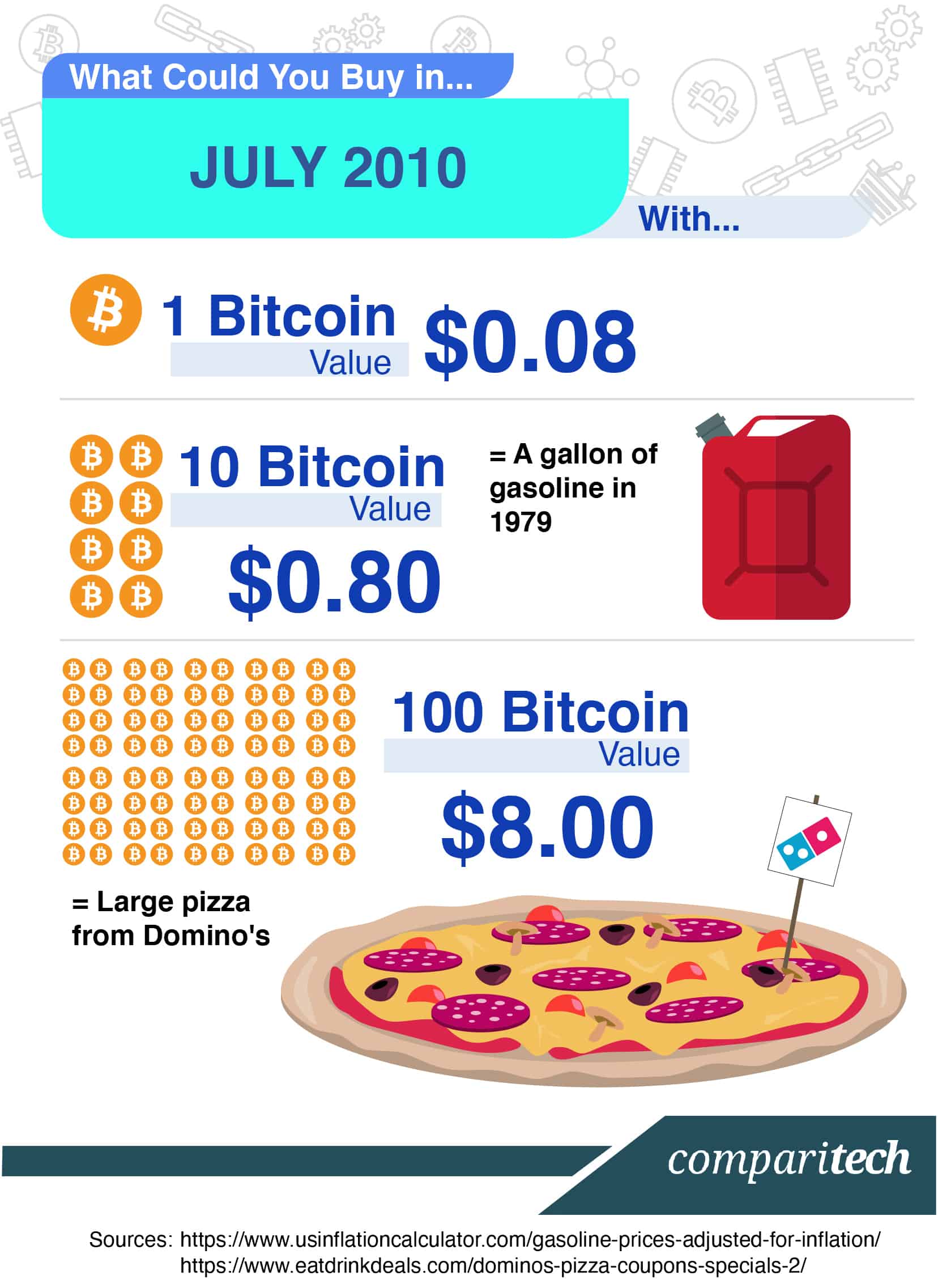
Most people measure Bitcoin’s worth in terms of U.S. Dollars. However, some economists argue we should measure the Dollar’s worth in terms of Bitcoin. Over the last decade, the purchasing power of fiat currencies has generally declined due to inflation, while the purchasing power of Bitcoin has exponentially increased. When viewed through this lens, Bitcoin is not just a volatile asset; it is a measuring stick for the devaluation of traditional money.
The Role in a Diversified Portfolio
From a modern portfolio theory perspective, the worth of Bitcoin lies in its low correlation with traditional assets like bonds. Adding a small percentage of Bitcoin to a diversified portfolio can potentially increase the overall Sharpe ratio (a measure of risk-adjusted return). For the modern investor, Bitcoin acts as “insurance” against systemic failures in the traditional financial sector.
Calculating Value: Tools and Metrics for Investors
Because Bitcoin is a new type of asset, traditional metrics like P/E ratios (Price-to-Earnings) do not apply. Instead, investors use specific financial tools and on-chain metrics to determine if the current price reflects its actual worth.
Market Capitalization vs. Realized Cap
The “Market Cap” is the current price multiplied by the total number of Bitcoins in circulation. However, “Realized Cap” is a more nuanced metric used by financial analysts. It calculates the value of each Bitcoin based on the price it was last moved on the blockchain. If the Market Cap is significantly higher than the Realized Cap, the market may be overheated. Conversely, if they are close, it may indicate a value-buying opportunity.
Stock-to-Flow Model
Borrowed from the world of commodities, the Stock-to-Flow (S2F) model measures the current stock of an asset against the annual production (flow). Bitcoin’s high stock-to-flow ratio—which increases every four years with the halving—suggests a high degree of scarcity, which proponents use to justify higher long-term price targets.
Global Exchange Variations and Liquidity
It is important to note that the “worth” of Bitcoin can vary slightly depending on where you are. In countries with strict capital controls, Bitcoin often trades at a premium (known as the “Kimchi Premium” in South Korea). Liquidity also plays a role; in high-volume markets like the U.S. or Europe, the price is more stable, whereas in smaller markets, a single large trade can significantly move the needle.
Risks and the Future Outlook for Bitcoin’s Worth
No discussion of value is complete without addressing the risks that could diminish it. The financial worth of Bitcoin is not guaranteed, and several factors could influence its trajectory in the coming years.
The Regulatory Landscape
Governments around the world are still grappling with how to categorize and tax Bitcoin. Clear, favorable regulations in major economies can boost the worth of Bitcoin by providing a “green light” for more conservative investors. Conversely, hostile regulations or outright bans in major markets can lead to temporary price collapses and reduced liquidity.
Security and Custody of Value
The worth of your Bitcoin is only as good as your ability to secure it. Unlike a bank account, Bitcoin transactions are irreversible. The rise of institutional-grade custody solutions has made it safer for large-scale investors to hold Bitcoin, but for the individual, the responsibility of “being your own bank” requires a level of digital literacy. The loss of private keys or the failure of a centralized exchange can render an investment worthless.
Long-term Storage of Wealth
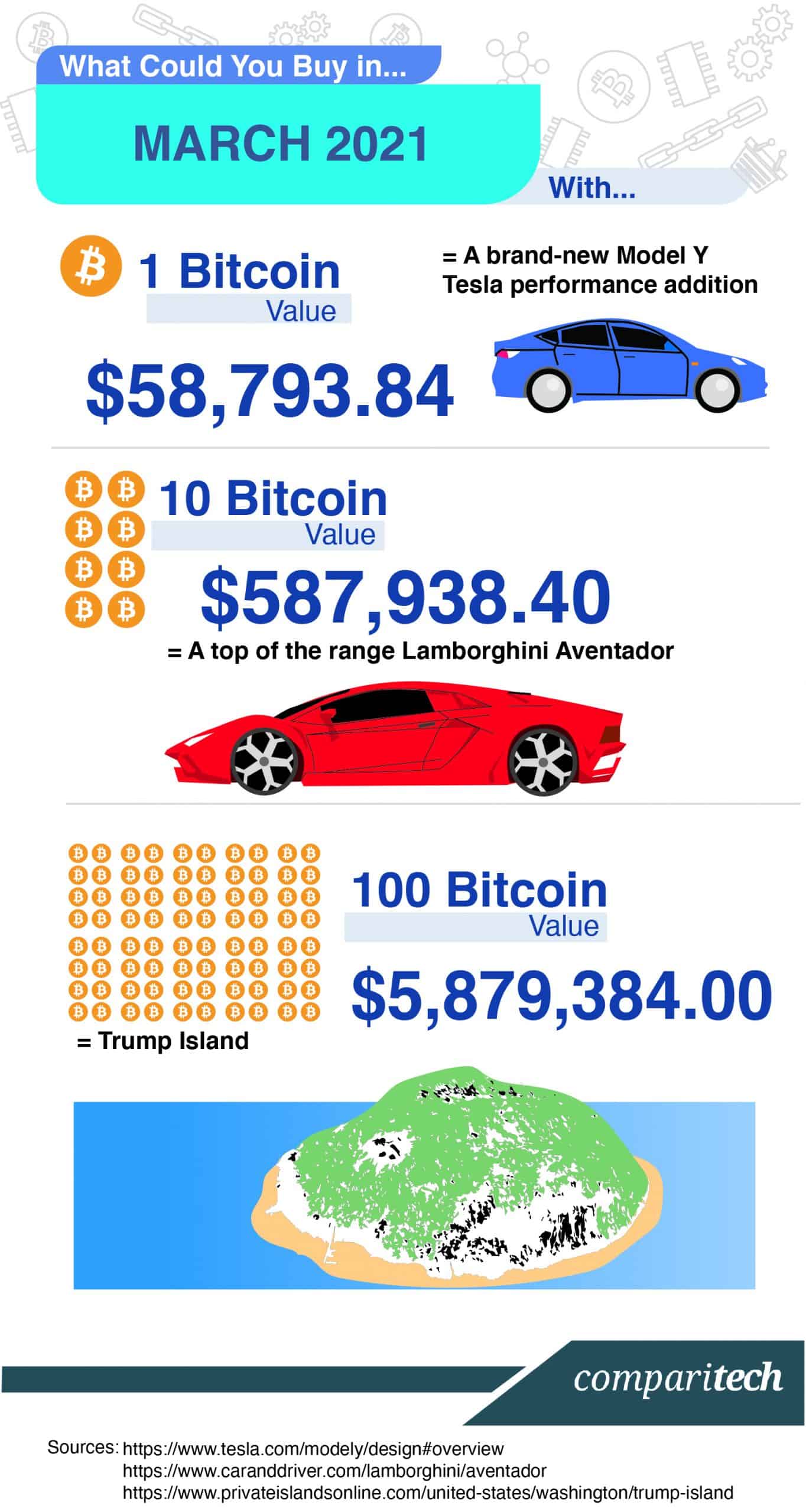
As we look to the future, the worth of one Bitcoin will likely be defined by its adoption as a global reserve asset. If central banks begin to hold Bitcoin alongside gold and foreign currencies, the valuation could reach heights that currently seem speculative. However, if a new technology supersedes Bitcoin or if the network faces a critical consensus failure, its value could decline. Currently, the “Money” niche views Bitcoin as a high-risk, high-reward cornerstone of the digital economy—a “call option” on a new financial system.
In conclusion, what 1 Bitcoin is worth today is a reflection of current market sentiment, institutional liquidity, and global economic health. But what it is worth intrinsically is the ability to participate in a global, transparent, and immutable financial system. Whether it is $50,000 or $500,000, its true value lies in its role as the world’s first successful implementation of private, decentralized, and digital scarcity.
aViewFromTheCave is a participant in the Amazon Services LLC Associates Program, an affiliate advertising program designed to provide a means for sites to earn advertising fees by advertising and linking to Amazon.com. Amazon, the Amazon logo, AmazonSupply, and the AmazonSupply logo are trademarks of Amazon.com, Inc. or its affiliates. As an Amazon Associate we earn affiliate commissions from qualifying purchases.