
The landscape of home entertainment has undergone a seismic shift over the last decade. The era of bulky cable boxes and rigid long-term contracts is rapidly being replaced by agile, software-driven solutions. At the forefront of this digital revolution is YouTube TV, Google’s premium live TV streaming service. As more consumers transition from traditional broadcast hardware to internet-based protocols, the primary question remains: what channels are on YouTube TV, and does the tech stack justify the investment?
This guide explores the extensive channel lineup of YouTube TV, the technical innovations that differentiate it from competitors, and how its integration within the broader Google ecosystem provides a superior viewing experience.
1. The Core Channel Lineup: A Digital Infrastructure Overview
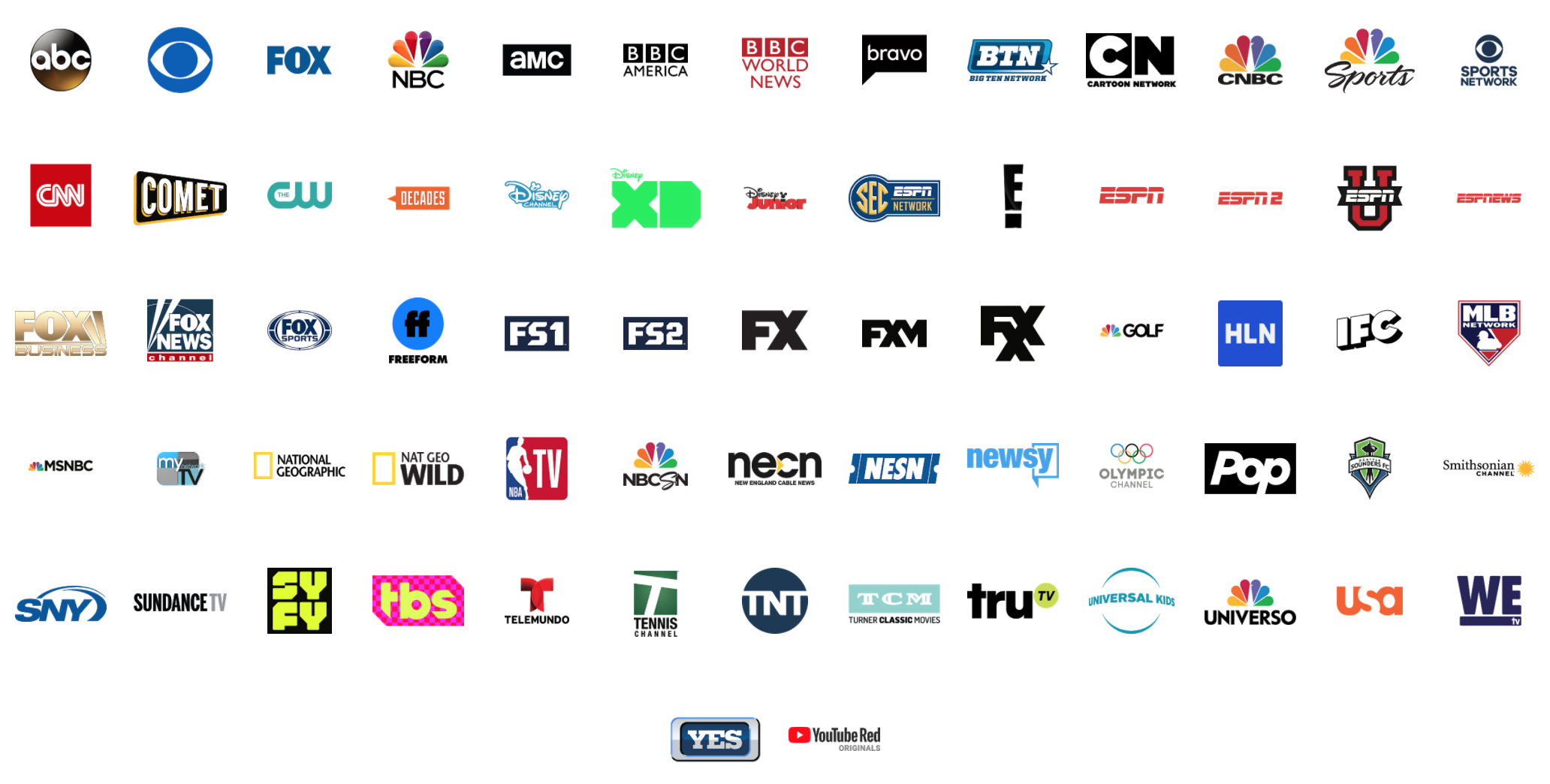
YouTube TV offers a robust “Base Plan” that currently includes over 100 channels. Unlike traditional cable, which often pads its numbers with redundant music channels, YouTube TV focuses on high-bitrate, high-demand content across several key verticals.
Local Networks and Broadcast Tech
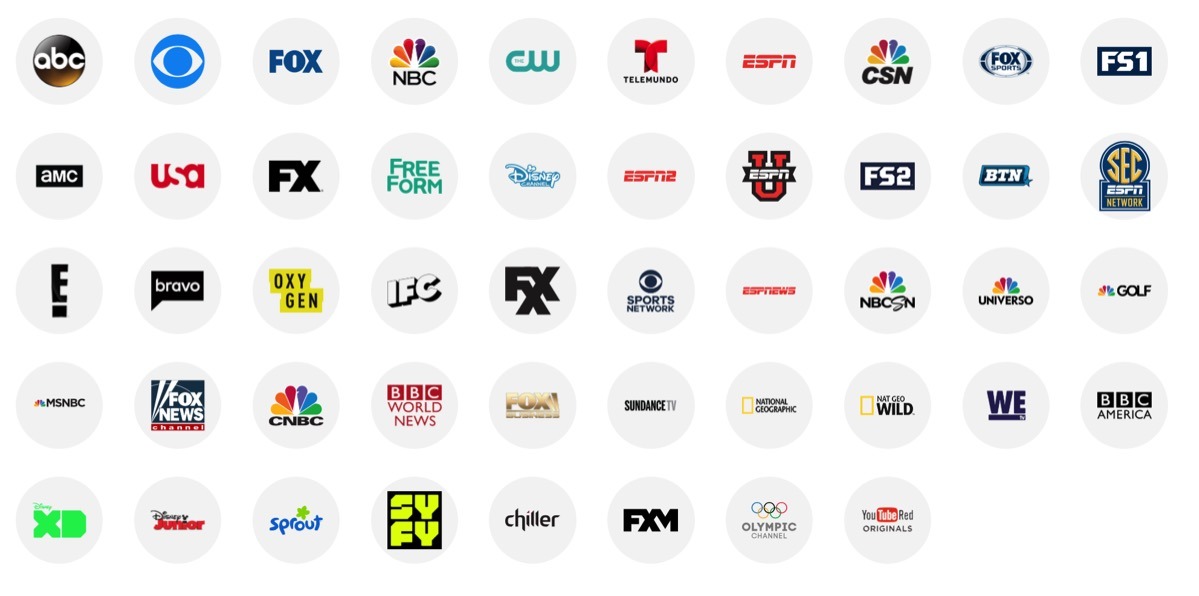
One of the most significant technical hurdles for streaming services is the negotiation and delivery of local broadcast signals. YouTube TV excels here, providing local ABC, CBS, NBC, and FOX affiliates in the vast majority of U.S. markets. This is achieved through sophisticated geo-fencing and IP-tracking technology that ensures users receive the correct regional news, weather, and localized sports broadcasts. Included in this mix are also PBS and The CW, making it one of the most comprehensive local lineups in the OTT (Over-the-Top) space.
Sports and Live Events
For sports enthusiasts, the channel lineup is a primary selling point. The base package includes heavyweights like ESPN, ESPN2, FS1, FS2, and the Big Ten Network. It also features league-specific channels such as NBA TV and NFL Network. The platform utilizes low-latency streaming technology to minimize the “spoiler gap”—the delay between a live play and the digital broadcast—which has historically been a weakness of internet-based television.
Entertainment and Lifestyle
The entertainment segment is powered by major media conglomerates. Users have access to the full Disney/ABC suite (Disney Channel, FX, Freeform), the Warner Bros. Discovery portfolio (CNN, TNT, TBS, HGTV, Food Network), and the NBCUniversal array (Bravo, USA, Syfy, MSNBC). This cross-platform availability ensures that the most popular linear television shows are available for both live viewing and on-demand streaming through the YouTube TV app interface.
2. Add-on Packages and Software Customization
One of the greatest advantages of a software-based television service is modularity. YouTube TV allows users to customize their channel lineup through various add-on “bolt-ons,” which can be activated or deactivated with a few clicks, bypassing the need for a customer service representative.
The Sports Plus Pack
For the power user, the Sports Plus add-on introduces a suite of niche and high-octane channels. This includes NFL RedZone, which is a technical marvel in itself, jumping between live game feeds seamlessly. Other channels in this pack include BeIN Sports, Fox Soccer Plus, and MAVTV. The integration of these channels into the main UI is seamless, allowing for unified search and discovery.
Premium Networks and Third-Party Integrations
YouTube TV acts as a centralized hub for premium “app-within-an-app” experiences. Users can subscribe to Max (formerly HBO Max), Paramount+ with SHOWTIME, STARZ, and MGM+ directly through their YouTube TV billing. Technically, this simplifies the user experience by aggregating content into a single “Live” and “Home” feed, using YouTube’s recommendation engine to suggest movies and series from these premium tiers.
The 4K Plus Technical Upgrade
While not strictly a channel, the 4K Plus add-on is a significant tech feature. It unlocks 4K Ultra High Definition (UHD) playback for select live content (primarily sports and high-budget specials) and provides the technical capability for “Offline Viewings” on mobile devices. It also removes the limit on simultaneous streams within the home network, moving from three streams to unlimited, which is a major benefit for large households with high bandwidth capacities.
3. The Tech Behind the Content: Why YouTube TV Stands Out
The value of YouTube TV isn’t just in the list of channels; it’s in the proprietary technology that delivers that content. As a Google product, it leverages some of the world’s most advanced data centers and video-encoding algorithms.
Unlimited Cloud DVR
Perhaps the most disruptive feature of YouTube TV is its Cloud DVR. Unlike hardware DVRs with physical hard drives that can fail or run out of space, YouTube TV offers unlimited storage. Recordings are stored on Google’s servers for up to nine months. From a technical standpoint, this allows for “Instance Recording,” where the system doesn’t necessarily record a unique copy for every user, but rather grants the user access to a high-quality master recording of the broadcast, saving massive amounts of client-side data.
Algorithmic Discovery and User Interface (UI)
The YouTube TV interface utilizes the same machine-learning algorithms that power the standard YouTube platform. The “Home” tab learns viewing habits to suggest live games, news segments, or shows the user might have missed. The “Live” guide is also customizable; users can reorder channels via the web or mobile app, putting their most-watched tech or news channels at the top—a level of personalization cable providers have never successfully implemented.
Multi-Platform Synchronization
YouTube TV is built on a “write once, run anywhere” philosophy. Whether you are on an Android device, an iOS tablet, a WebOS smart TV, or a Chrome browser, the state of your viewing is synchronized. If you start a show on your commute via 5G, you can resume it at the exact second on your living room’s Nvidia Shield or Chromecast. This deep integration into the hardware ecosystem is a hallmark of Google’s software strategy.
4. Comparing the Digital Value Proposition
When evaluating the “tech value” of YouTube TV’s channel list against competitors like Hulu + Live TV, Fubo, or Sling TV, several factors come into play.
- Hulu + Live TV: While Hulu offers a comparable channel list and includes the Disney+ bundle, its UI is often criticized for being less intuitive than YouTube TV’s. YouTube TV’s search functionality—leveraging Google’s core competency—is significantly faster and more accurate at finding specific episodes or sports teams across the entire channel lineup.
- Fubo: Fubo is often the choice for hardcore sports fans due to its inclusion of certain Regional Sports Networks (RSNs) that YouTube TV lacks (like NESN or Bally Sports in some areas). However, YouTube TV’s base price and the inclusion of the unlimited DVR often make it a more balanced choice for the general tech-savvy consumer.
- Sling TV: Sling represents the “budget” end of the tech spectrum. It offers fewer channels and limited DVR space. For a user who wants a robust, “set it and forget it” replacement for cable, the technical limitations of Sling often make YouTube TV the more premium, reliable choice.
5. The Future of Live TV: A Software-First Experience
As we look toward the future, the “channels” on YouTube TV will likely become even more interactive. We are already seeing the integration of “Key Plays” and “Real-Time Stats”—software overlays that allow viewers to see player statistics or catch up on important moments in a game without leaving the live stream. This data-rich environment is something traditional cable simply cannot replicate.
Furthermore, the introduction of “Multiview” allows users to watch up to four channels simultaneously on one screen. This is a significant technical achievement in stream processing and synchronization, particularly for March Madness or NFL Sundays. It demonstrates that YouTube TV is not just a pipe for video, but a sophisticated software platform designed to enhance the viewing experience.

Conclusion
So, what channels are on YouTube TV? The answer is a comprehensive blend of local news, global sports, and premium entertainment, all delivered through a best-in-class technological framework. By moving the television experience into the cloud, Google has eliminated the pain points of traditional media—contracts, hardware failures, and limited storage—while adding layers of intelligence and personalization.
For the modern consumer, YouTube TV represents the pinnacle of “cord-cutting” technology. It offers the familiarity of linear television with the power of modern software, making it a formidable leader in the digital streaming space. Whether you are looking for the latest tech news on CNBC, live sports on ESPN, or a cinematic experience on Max, YouTube TV provides the digital infrastructure to support a high-quality, flexible, and deeply integrated home entertainment ecosystem.
aViewFromTheCave is a participant in the Amazon Services LLC Associates Program, an affiliate advertising program designed to provide a means for sites to earn advertising fees by advertising and linking to Amazon.com. Amazon, the Amazon logo, AmazonSupply, and the AmazonSupply logo are trademarks of Amazon.com, Inc. or its affiliates. As an Amazon Associate we earn affiliate commissions from qualifying purchases.