
New York City is often described as the “center of the universe,” but for those focused on wealth creation, asset management, and global markets, it is more accurately described as the “Capital of Capital.” While tourists flock to the neon lights of Times Square, the financially ambitious view the city through a different lens: a massive, living laboratory of economic trends, investment opportunities, and high-stakes networking.
If you are visiting New York City with a focus on personal finance, investing, or business growth, your itinerary should reflect the city’s status as the world’s premier financial hub. Navigating the city effectively means understanding how its geography influences its economy and how to position yourself within its unique fiscal ecosystem.

Analyzing the Financial Infrastructure: From Wall Street to Midtown
To understand what to do in New York City from a financial perspective, one must first recognize the geographical shift of power. While “Wall Street” remains the global metonym for finance, the actual epicenter of deal-making has largely migrated uptown.
Decoding the History and Utility of the New York Stock Exchange
A visit to the Financial District (FiDi) is essential, but not for the reasons most think. Walking the cobblestone streets around the New York Stock Exchange (NYSE) provides a visceral sense of the history of the American capital markets. Although electronic trading has moved the “action” to data centers in New Jersey, the physical presence of the Exchange serves as a reminder of the regulatory and institutional frameworks that underpin global trust in US markets.
For the investor, observing the Federal Reserve Bank of New York on Liberty Street is equally significant. This is where the “plumbing” of the global financial system is managed. Understanding the Fed’s role in open market operations and gold storage provides a foundational perspective on how monetary policy impacts your personal portfolio.
Exploring the Private Equity and Hedge Fund Ecosystem of Midtown
While FiDi represents history, Midtown—specifically the corridors around Park Avenue and the newly developed Hudson Yards—represents the current flow of “alternative” capital. This is the density of the world’s largest hedge funds and private equity firms. For a professional or an aspiring investor, spending time in these neighborhoods offers a look at the “institutional grade” side of the city.
Observing the development of Hudson Yards, for example, is a masterclass in urban investment. It is the largest private real estate development in US history, and seeing how capital has transformed a former rail yard into a high-tech corporate hub provides insight into long-term commercial real estate cycles and the “flight to quality” trend currently dominating the office market.
Strategic Networking and High-Value Environments
In New York City, your network is arguably your most valuable asset. The city operates on a “who you know” basis that can accelerate a career or a business venture faster than any other location on earth. Knowing where to go to encounter high-net-worth individuals and industry leaders is a key component of any business-focused trip.
Leveraging High-End Co-working Spaces for Business Growth
The days of working from a generic coffee shop are over for the serious professional. New York has pioneered the “private club” style of co-working. Spaces like NeueHouse, Zero Bond, or the various locations of Industrious offer more than just a desk and Wi-Fi; they offer curated environments where the barrier to entry ensures a specific caliber of peer.
For those looking to raise capital or find a business partner, spending a week working from a high-tier hub in Flatiron or Chelsea can yield more high-value introductions than a year of digital cold-calling. These spaces are designed for the “collision of ideas,” where a casual conversation at the espresso bar can lead to a seed-round investment or a strategic partnership.
The Art of the “Power Lunch” and Executive Dining
In NYC, dining is a business expense with a high ROI. The “Power Lunch” is a storied tradition in the city’s financial culture. Establishments like The Grill or Cipriani serve as the boardrooms of the elite. While the price point is high, the value lies in the environment—quiet enough for a sensitive negotiation but prestigious enough to signal your status as a serious player.
When planning what to do in New York City for business purposes, booking a table at a known industry haunt is a tactical move. It allows you to observe the “soft signals” of the market: Who is meeting with whom? Which industries are currently celebrating, and which are looking somber? In finance, information is the primary currency, and the city’s restaurants are often where that information is first exchanged.
Investing in the Real Estate Powerhouse
New York City real estate is often considered a “safe haven” asset class, similar to gold. For the individual interested in property investment or REITs (Real Estate Investment Trusts), the city provides a firsthand look at how supply, demand, and regulation interact in one of the world’s most constrained markets.
Understanding Residential Market Trends in the Five Boroughs
To understand the New York residential market, one must look beyond the luxury penthouses of “Billionaire’s Row” on 57th Street. The real movement is happening in the outer boroughs—specifically parts of Brooklyn and Long Island City.
Walking through these neighborhoods allows an investor to see the “gentrification cycle” in real-time. By observing new developments, the influx of retail brands, and the proximity to transit, you can learn to identify the markers of a high-growth residential area. This “boots on the ground” research is invaluable for anyone looking to invest in multi-family units or understand the broader national trends in urban living.
Commercial Real Estate and the Post-Pandemic Pivot
The commercial landscape of New York is currently in a state of fascinating transformation. With the rise of hybrid work, the “office” is being redefined. What should you do in NYC to understand this? Visit the adaptive reuse projects.
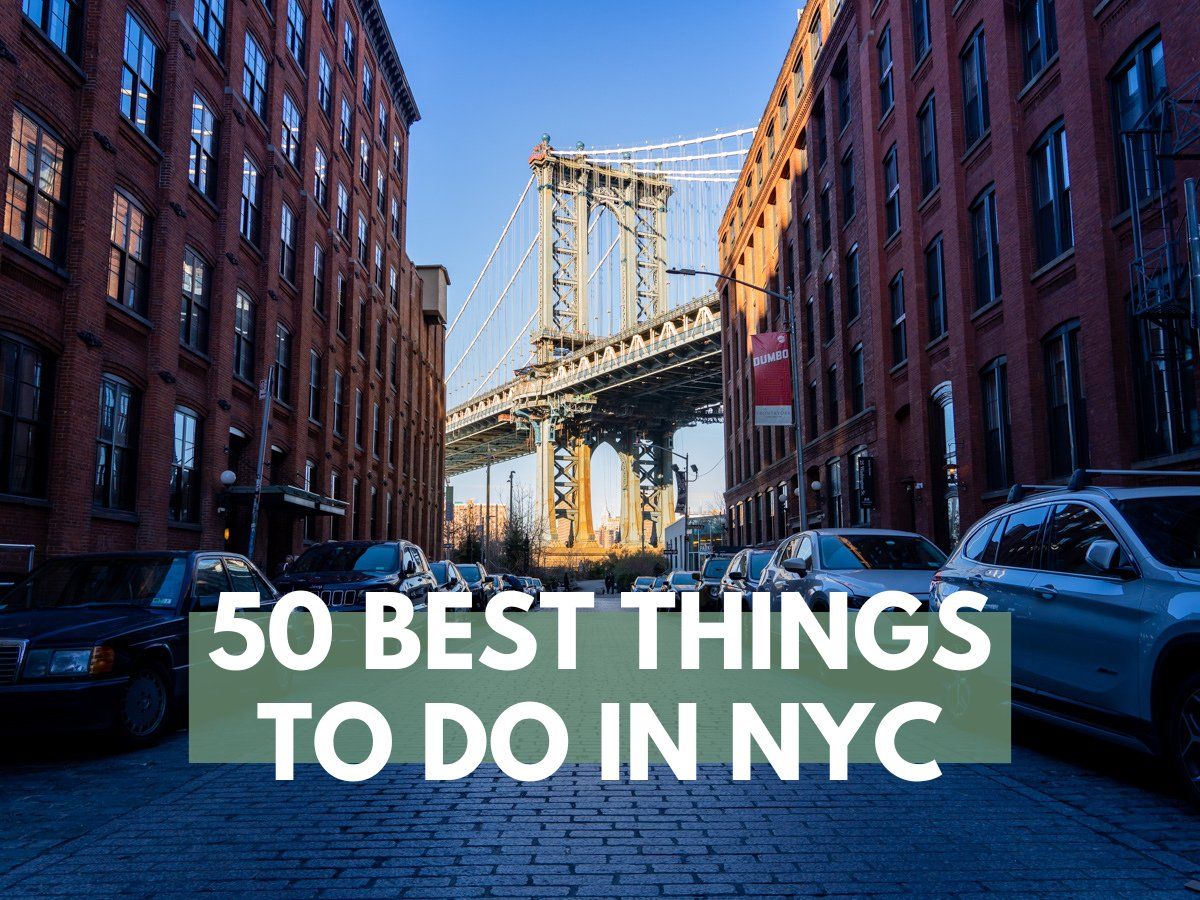
See how old industrial warehouses in DUMBO or the Meatpacking District have been converted into some of the most expensive office space in the world. These visits offer a lesson in “value-add” investing—the process of taking an underutilized asset and repositioning it for a new economic reality. For a finance-minded individual, this is a study in how to pivot an investment strategy when macro conditions change.
Managing Your Personal Finance in a High-Cost Hub
Finally, New York City is a lesson in the extremes of personal finance. It is one of the most expensive places to live and work, which makes it the perfect environment to practice sophisticated wealth management and budgeting.
Tax Implications and the “City Tax” Reality
Anyone looking to move their business or personal residence to New York must grapple with the tax structure. New York City residents pay federal, state, and city income taxes. Understanding this “triple tax” is a crucial exercise in calculating net-to-gross income.
While in the city, engaging with local tax professionals or wealth managers can provide insights into how high-earners navigate these waters. From tax-advantaged municipal bonds (often referred to as “Munis”) to the strategic use of business deductions, the city’s financial experts are the best in the world at legal tax mitigation.
Smart Spending: Leveraging Local Perks Without the Premium Price Tag
Even if you are in NYC to make money, you must also know how to keep it. The city offers a wealth of “hidden” financial perks that locals use to offset the high cost of living. This includes everything from the NYC ID card (which offers free memberships to cultural institutions) to knowing which high-end happy hours provide the best networking-to-cost ratio.
For the budget-conscious professional, New York is a test of discipline. The temptation to overspend is everywhere, but the “smart money” in the city knows that wealth is built through the gap between what you earn and what you spend. Navigating the city effectively means enjoying the world-class amenities while maintaining a strict eye on your personal balance sheet.
Conclusion: The Ultimate Economic Classroom
When deciding what to do in New York City, the financially focused individual should view every street corner as a data point. Whether you are analyzing the foot traffic at a new retail concept in Soho to judge a consumer stock, or networking at a private club in Midtown to find your next business partner, the city offers an unparalleled density of opportunity.
New York is not just a place to spend money; it is a place to study it, grow it, and master it. By focusing on the city’s financial infrastructure, networking potential, real estate market, and wealth management culture, you can turn a simple trip into a high-value investment in your own financial future. In the Capital of Capital, the best thing to do is always the thing that moves you closer to your financial goals.
aViewFromTheCave is a participant in the Amazon Services LLC Associates Program, an affiliate advertising program designed to provide a means for sites to earn advertising fees by advertising and linking to Amazon.com. Amazon, the Amazon logo, AmazonSupply, and the AmazonSupply logo are trademarks of Amazon.com, Inc. or its affiliates. As an Amazon Associate we earn affiliate commissions from qualifying purchases.