
The annual tax season is often viewed with a mixture of anxiety and resignation. For the average taxpayer, the process of reconciling income, deductions, and credits is not just a legal obligation but a significant financial hurdle. Historically, many Americans have been conditioned to believe that professional tax preparation requires a high fee, either through a CPA or premium software packages. However, as personal finance management becomes increasingly digitized and consumer-focused, the landscape of tax preparation has shifted.
Filing your taxes for free is no longer a niche “hack” for those with the simplest returns; it is a viable financial strategy for millions of households. By eliminating the cost of filing, individuals can preserve more of their hard-earned money, effectively increasing their net tax refund. This guide explores the most effective tools, programs, and strategies to navigate the tax season without spending a dime on preparation fees.

1. Navigating the IRS Free File Program
The IRS Free File program is arguably the most important resource for cost-conscious taxpayers. It is a public-private partnership between the Internal Revenue Service and the Free File Alliance, a group of industry-leading tax software companies. The primary goal of this initiative is to provide high-quality tax preparation software to middle- and lower-income taxpayers at no cost.
Eligibility Requirements and Income Thresholds
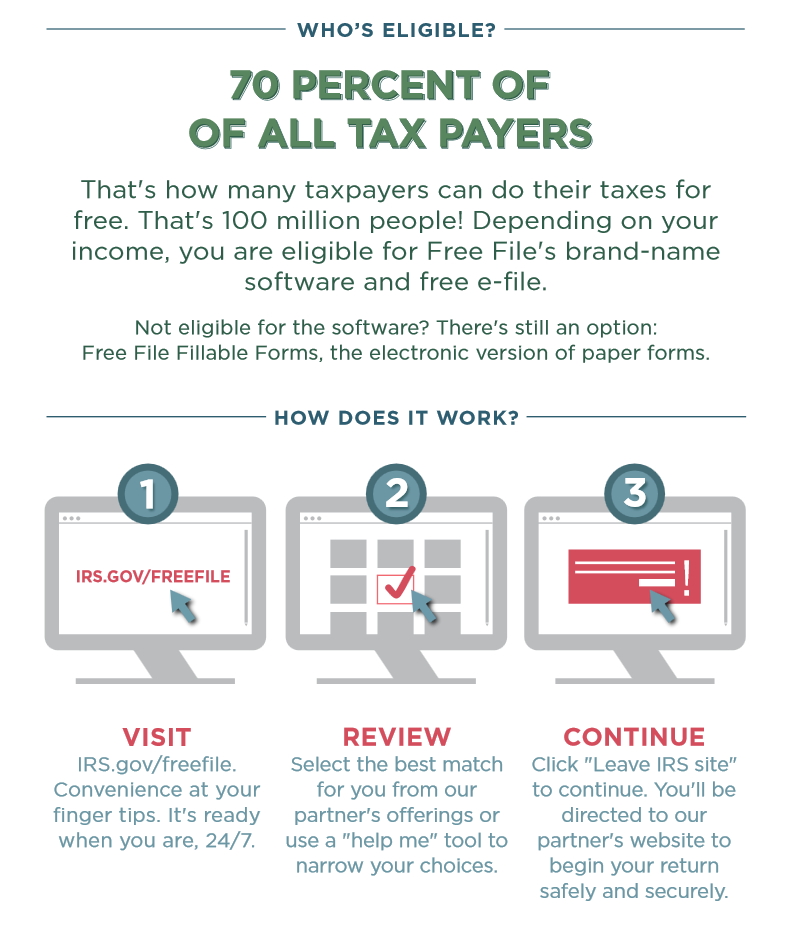
The cornerstone of the IRS Free File program is its income limit. For the most recent tax year, the program is generally available to anyone with an Adjusted Gross Income (AGI) of $79,000 or less. This threshold is significant because it covers roughly 70% of all U.S. taxpayers. If your income falls below this mark, you are eligible to use brand-name software—the same software that others pay $60 to $120 for—completely free of charge.
It is important to note that while the federal return is always free through this program, state filing policies vary by provider. Some software companies in the alliance offer free state returns as well, while others may charge a fee. Careful selection of the provider through the IRS.gov portal is essential to ensure a totally cost-free experience.
How to Access Partner Software Safely
One of the most common pitfalls taxpayers face is navigating directly to a software provider’s commercial website rather than going through the official IRS gateway. If you go directly to a provider like TurboTax or H&R Block, you may be funnelled into their “Free Edition,” which often has much stricter limitations than the “IRS Free File” version.
To ensure you are using the true free version, you must start at the official IRS.gov website and use the “Free File Lookup Tool.” This tool asks a few basic questions about your income, age, and location to match you with the best software providers. By entering the software through this specific link, you unlock the full capabilities of the software—including handling complex forms like the 1099-NEC or EITC claims—without the “upsell” prompts common in retail versions.
2. The Rise of Direct File and Modern Fintech Solutions
For years, the United States was one of the few developed nations without a government-run filing system. This changed recently with the introduction of the IRS Direct File pilot program, representing a significant shift in the financial landscape. Alongside this, several financial technology (Fintech) companies have disrupted the market by offering truly free services to taxpayers of all income levels.
The IRS Direct File Pilot Program
The Direct File program is a landmark development in personal finance. Unlike the Free File Alliance, which relies on third-party companies, Direct File is a service provided directly by the IRS. It allows taxpayers to file their federal returns for free using a mobile-friendly, interview-style interface.
Currently, the program is available to taxpayers in specific pilot states and is designed for those with relatively straightforward tax situations (such as W-2 income, standard deductions, and specific credits like the Child Tax Credit). The financial benefit of Direct File is twofold: it is free of charge, and it removes the middleman, ensuring that your financial data is not being used for marketing or cross-selling by private corporations.
Third-Party Fintech: When “Free” Means Everyone
For those whose income exceeds the $79,000 Free File limit, or for those who do not qualify for the Direct File pilot, certain fintech companies have stepped in to fill the gap. Cash App Taxes (formerly Credit Karma Tax) is currently the most prominent example.
Unlike the major “legacy” tax preparation companies, Cash App Taxes offers free federal and state filing for the vast majority of taxpayers, regardless of income level. They cover complex scenarios, including capital gains from stock trading, rental income, and self-employment. The business model here is different; they offer tax filing as a “loss leader” to bring users into their broader financial ecosystem. For the savvy consumer, this is a powerful tool to manage personal finance without the hidden costs of traditional tax software.
3. Community-Based and Non-Profit Tax Resources
While digital tools are efficient, many taxpayers prefer—or require—human assistance to navigate the complexities of tax law. This is especially true for those dealing with significant life changes, such as retirement, disability, or the transition from employment to a side hustle. Fortunately, there are several federally funded programs designed to provide expert financial assistance for free.
VITA: Volunteer Income Tax Assistance
The VITA program has been a pillar of community financial health for over 50 years. It offers free tax help to people who generally make $64,000 or less, persons with disabilities, and limited-English-speaking taxpayers. VITA sites are usually located in community centers, libraries, schools, and shopping malls.
The volunteers who staff these sites are IRS-certified. From a financial planning perspective, VITA is invaluable because it ensures that low-income households are maximizing their eligibility for the Earned Income Tax Credit (EITC) and the Child Tax Credit (CTC). These credits are “refundable,” meaning they can provide a cash infusion that exceeds the total tax paid, serving as a vital financial lifeline.
TCE: Tax Counseling for the Elderly
For individuals aged 60 and older, the Tax Counseling for the Elderly (TCE) program provides specialized assistance. This program focuses on questions about pensions and retirement-related issues unique to seniors. Many TCE sites are operated through the AARP Foundation’s Tax-Aide program. You do not need to be a member of AARP to use this service, making it an excellent financial resource for retirees looking to protect their fixed incomes from unnecessary preparation expenses.
4. Navigating the “Upsell” and Protecting Your Financial Data
In the world of personal finance, nothing is ever truly free without some level of scrutiny. Traditional tax preparation companies have historically used “dark patterns” in their software design—user interfaces designed to trick or coerce users into paying for upgrades they may not need.
Identifying Hidden Fees in “Free” Software
When using retail tax software, users often encounter a “paywall” midway through their return. This typically happens when the software detects a “complex” form, such as a 1099-INT for a few dollars in bank interest or a 1098-T for student tuition. The software might claim that the “Free Edition” cannot handle these forms and demand an upgrade to a “Deluxe” or “Premium” version costing $40 to $90.
To protect your finances, it is crucial to recognize that these are artificial limitations. If you qualify for the IRS Free File program (mentioned in Section 1), these forms are included for free. Being aware of these marketing tactics allows you to pivot to a truly free service rather than succumbing to the “sunk cost fallacy” of paying for an upgrade just because you’ve already started the return.
Data Privacy and Financial Security
When you file your taxes, you are handing over your most sensitive financial data: Social Security numbers, bank account details, and income history. While free software is a great way to save money, users must ensure they are using reputable platforms. Always verify that the site is an authorized IRS e-file provider. Additionally, be wary of “free” services that require you to opt into sharing your tax data with third parties for “personalized financial offers.” Protecting your financial identity is just as important as saving on the filing fee.
5. Maximizing Your Refund Through Strategic Financial Planning
The goal of filing taxes for free is ultimately to maximize your net financial position. This involves not just avoiding fees, but also ensuring you are utilizing every deduction and credit available to you.
Record Keeping for Future Deductions
A successful tax season begins long before April. From a business finance and personal accounting perspective, maintaining organized records is the best way to ensure a smooth, free filing experience. Digital tools like expense trackers and receipt scanners can help you categorize spending throughout the year. If you are a freelancer or have a side hustle, having a clear log of business expenses allows you to use free software more effectively, as you will have the exact figures ready for entry into Schedule C.

The Long-Term Impact of Tax Efficiency
Choosing to file for free is a hallmark of “tax efficiency.” If you save $100 on tax preparation fees every year and invest that money in a low-cost index fund, over a 30-year career, that single decision could grow into thousands of dollars due to compound interest.
Furthermore, by taking the time to file your own taxes using free tools, you gain a deeper understanding of your financial health. You begin to see how your 401(k) contributions lower your AGI and how certain credits impact your bottom line. This financial literacy is far more valuable than the convenience of paying someone else to do the work. By taking control of the tax filing process, you are taking a significant step toward long-term financial independence and smarter wealth management.
aViewFromTheCave is a participant in the Amazon Services LLC Associates Program, an affiliate advertising program designed to provide a means for sites to earn advertising fees by advertising and linking to Amazon.com. Amazon, the Amazon logo, AmazonSupply, and the AmazonSupply logo are trademarks of Amazon.com, Inc. or its affiliates. As an Amazon Associate we earn affiliate commissions from qualifying purchases.