
In the seemingly simple world of carbonated beverages, the distinction between soda water and club soda might appear trivial at first glance. For the casual consumer, both are clear, bubbly, and often interchangeable mixers. However, from a branding and marketing perspective, understanding these subtle differences—and how brands leverage them—is crucial for effective product positioning, market segmentation, and cultivating consumer loyalty. This article delves into the nuances that separate soda water from club soda, not merely as chemical compositions, but as strategically branded entities designed to meet diverse market demands and perceptions.

The Core Distinction: Composition and Brand Identity
At its heart, the difference between soda water and club soda lies in their elemental composition beyond just water and carbonation. These variations, though minor, are foundational to how brands define, market, and differentiate their products in a competitive beverage landscape.
Soda Water: The Unbranded Baseline
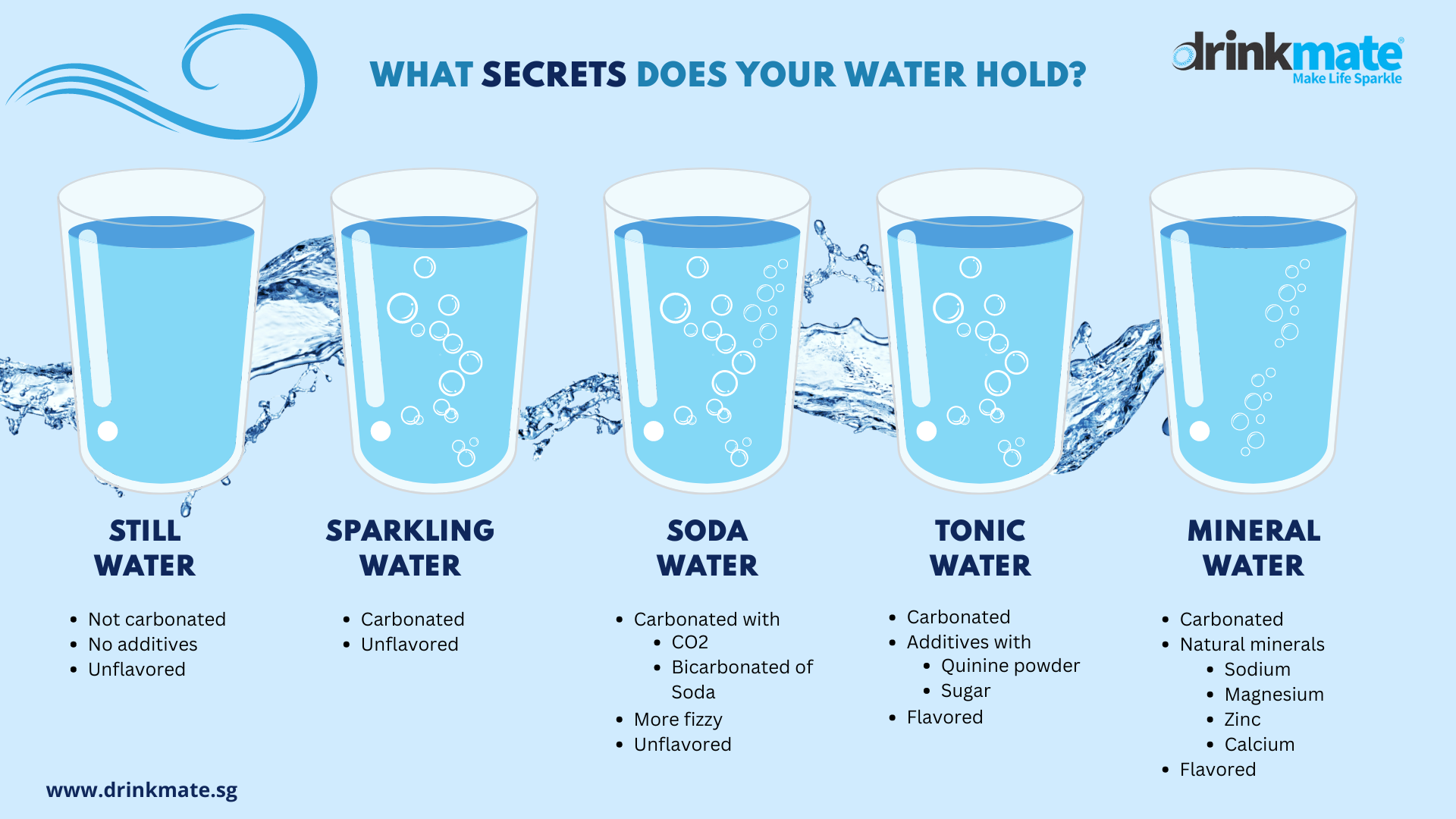
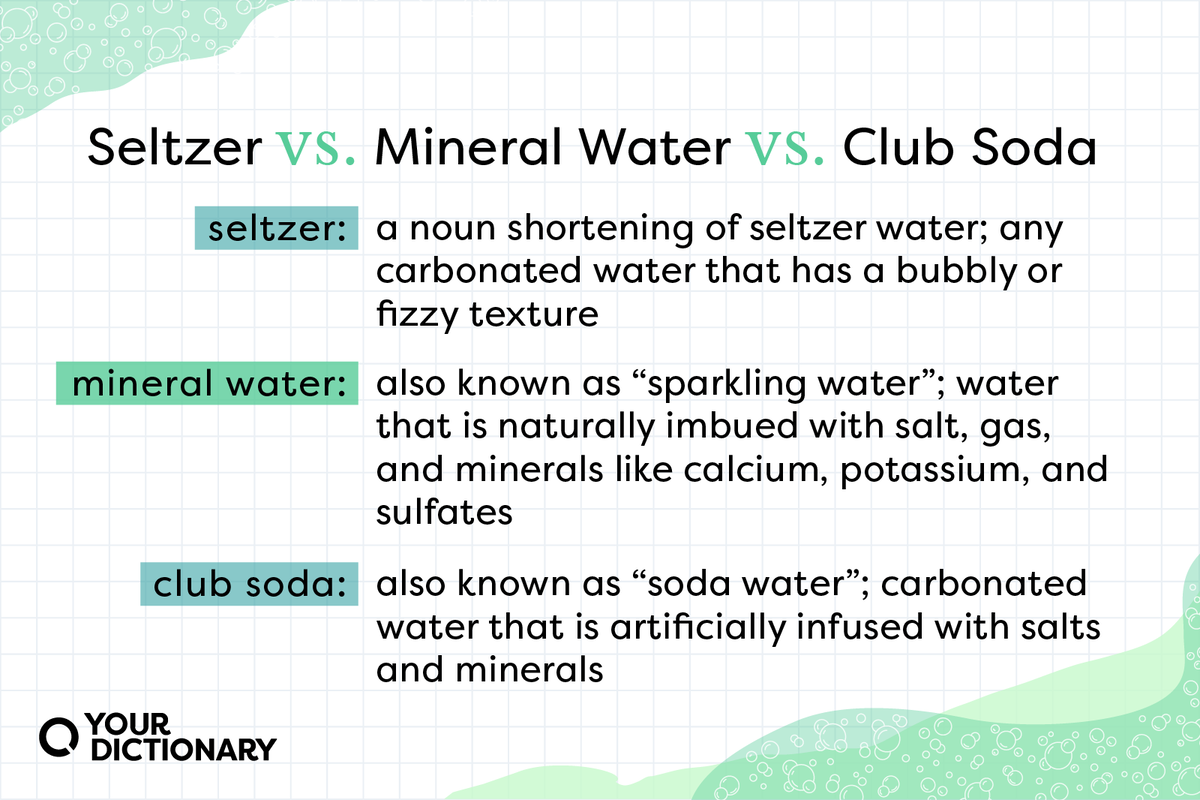
“Soda water,” often used as a generic term, typically refers to plain water infused with carbon dioxide. In its purest form, it contains only H₂O and CO₂. It’s a blank canvas, often produced in bulk or even at home using carbonation machines. From a branding perspective, generic soda water often struggles to establish a unique identity beyond its functional purpose. It’s a commodity, valued primarily for its effervescence and neutrality. Brands that market “soda water” in its most basic form often compete on price, accessibility, or simply being “plain sparkling water.” Their branding efforts might focus on purity, versatility as a mixer, or a clean, unadulterated experience. The challenge for these brands is to elevate a basic product beyond its commodity status, perhaps through sustainable sourcing, unique bottle designs, or aligning with a health-conscious lifestyle where “nothing added” is a selling point.
Club Soda: Mineral Content as a Brand Differentiator
Club soda, while also carbonated water, distinguishes itself through the addition of specific mineral salts. Common additives include sodium bicarbonate (baking soda), sodium citrate, potassium sulfate, and disodium phosphate. These minerals are not just incidental; they are deliberately included by brands to impart a slightly different taste profile, mouthfeel, and perceived quality. The presence of these minerals gives club soda a subtle salinity or even a faint metallic tang, which some consumers and mixologists prefer for certain drinks, believing it enhances or mellows flavors differently than plain soda water.
For brands, these added minerals are a key differentiator. They allow a brand to stake a claim to a specific taste profile or a “premium” mixer status. A brand selling club soda is often implicitly saying, “We’ve crafted this for a specific drinking experience.” The branding of club soda often highlights this curated composition, suggesting an elevated or more sophisticated choice. It’s less about pure neutrality and more about a carefully balanced flavor that complements spirits or stands on its own. The marketing might emphasize the “crispness,” “clean finish,” or “effervescent sparkle” that these specific mineral blends deliver, moving the product away from a mere commodity and into a more specialized, branded category.
The Role of pH and Taste in Brand Perception
Beyond just the presence of minerals, the slight variations in pH and the resulting taste nuances play a critical role in how consumers perceive and choose between soda water and club soda, and how brands position them. Plain carbonated water tends to be slightly acidic due to the carbonic acid formed when CO₂ dissolves in water. The added salts in club soda can buffer this acidity, often resulting in a slightly higher pH and a smoother, less tart taste.
Brands capitalize on these sensory experiences. A brand of soda water might emphasize its “neutrality” and “purity,” making it the ideal choice for those who want their mixer to impart no flavor whatsoever, allowing the other ingredients to shine. This positions it as the ultimate complement. Conversely, a club soda brand might market its product as having a “distinctive character” or a “balanced profile” that “enhances” cocktails, rather than just diluting them. They might use terms like “brisk,” “lively,” or “rounded” to describe the mouthfeel and taste, appealing to consumers who appreciate these subtle complexities. This strategic use of sensory descriptors in branding allows companies to carve out distinct niches, even for products that are fundamentally variations of carbonated water.
Marketing the Subtle Differences: Crafting Unique Brand Narratives
Effective branding goes beyond product composition; it involves crafting compelling narratives that resonate with target audiences. For soda water and club soda, where the intrinsic differences are subtle, strategic marketing becomes paramount in shaping consumer preference and driving sales.
Targeting Specific Consumer Segments
Brands adeptly segment their markets based on how consumers perceive and use these beverages. Generic soda water brands might target health-conscious consumers looking for a sugar-free, calorie-free alternative to sugary drinks, or those who frequently make homemade cocktails and value cost-effectiveness. The branding message would focus on health, purity, and versatility.
Club soda brands, on the other hand, often target more discerning consumers, mixologists, and establishments (bars, restaurants) that value specific taste profiles for their cocktails. Their branding might highlight the legacy of the product, its “classic” status, or its ability to elevate a drink. They might emphasize the “crafted” nature of their mineral blend, appealing to those who appreciate attention to detail and quality ingredients in their beverages. Some brands even align with a sophisticated, celebratory lifestyle, positioning club soda as an essential component of social gatherings and refined drinking experiences. This segmentation allows brands to tailor their messaging, advertising channels, and even pricing strategies to optimize their reach and impact.
Packaging, Labeling, and Visual Branding
In a category where the liquid itself is clear, packaging and labeling are critical branding tools. The visual identity communicates quality, heritage, and desired consumer perception.
For premium club soda brands, packaging often features elegant glass bottles, sophisticated fonts, and understated color palettes that evoke tradition and quality. Labels might include detailed information about the mineral content, reinforcing the idea of a carefully formulated product. The choice of glass over plastic can also signal a higher-end product, appealing to environmental consciousness or a preference for the perceived purity of glass.
Generic soda water, conversely, might opt for simpler, more functional packaging, often in plastic bottles or larger formats, emphasizing convenience and value. Their labels might be minimalist, focusing on clarity and essential information. The branding aims for broad appeal and ease of use, rather than exclusivity. The tactile experience of holding a specific bottle, the visual appeal of its design on a shelf, and the information conveyed on its label are all meticulously crafted elements that contribute to a brand’s overall identity and its differentiation in the market.
Advertising and Storytelling: Elevating a Commodity
Since the core product (carbonated water) is fundamentally simple, advertising and storytelling are essential for club soda and soda water brands to create emotional connections and perceived value. Brands don’t just sell carbonated water; they sell an experience, a lifestyle, or a solution.
Club soda brands might run campaigns that feature beautifully crafted cocktails, sophisticated social settings, or endorsements from renowned mixologists. Their storytelling might revolve around heritage, authenticity, or the “secret ingredient” that makes a drink truly exceptional. They sell the idea that their product elevates the entire drinking experience, making it more enjoyable and refined. This narrative transforms a functional ingredient into a desirable component of a luxurious lifestyle.
Soda water brands, particularly those trying to differentiate from the generic, might focus on advertising that highlights purity, refreshment, or health benefits. They might show active, vibrant individuals enjoying their product as a hydrating, sugar-free alternative. Their storytelling might emphasize simplicity, naturalness, and a clean living ethos. In both cases, the goal is to imbue the product with meaning beyond its basic utility, creating a distinct mental footprint in the consumer’s mind and fostering a preference that transcends mere ingredient lists.
Consumer Perception and Brand Loyalty in a Saturated Market
In a market increasingly saturated with sparkling water options, consumer perception and the cultivation of brand loyalty become paramount. The subtle differences between soda water and club soda, amplified by strategic branding, significantly influence these aspects.
The Impact of Brand Recognition and Trust
For many consumers, especially those not deeply versed in mixology, the choice between soda water and club soda often boils down to brand recognition and trust. A brand that has consistently delivered a reliable product, maintained a positive public image, and invested in consistent marketing will naturally command a higher degree of trust. This trust can manifest as an automatic preference for a specific “club soda” brand, even if a generic “soda water” could technically serve the same purpose.
Brands like Schweppes, Seagram’s, or Canada Dry, having been in the market for decades, benefit from strong brand equity. Their names are synonymous with “club soda” for many, and this familiarity translates into ease of choice and a perceived guarantee of quality. New brands entering the market face the challenge of building this trust from scratch, often by emphasizing unique selling propositions (like organic ingredients, exotic mineral blends, or sustainable practices) and aggressive marketing campaigns to disrupt established loyalties. The power of a recognized and trusted brand can often outweigh minor price differences or even subtle taste preferences for the average consumer.
Price Point, Value, and Brand Positioning
The perceived difference between soda water and club soda also allows for distinct pricing strategies and value propositions. Generic or store-brand soda water is typically positioned as a cost-effective option, competing primarily on price and volume. Its value proposition is simple: effective carbonation at an affordable rate.
Branded club sodas, however, often command a higher price point. This premium is justified by the carefully selected mineral blend, the perceived quality of the brand, and the marketing narrative that positions it as a superior mixer. Consumers are willing to pay more for club soda because they believe they are getting a more refined product that enhances their drinking experience or contributes to a higher-quality cocktail. This strategic pricing reinforces the brand’s premium positioning, creating a perceived difference in value that goes beyond the cost of ingredients. A brand’s ability to successfully charge more for club soda versus generic soda water is a testament to its branding effectiveness in conveying superior value and differentiating its offering.
Mixology and End-Use: Shaping Brand Choice
The intended end-use of the product significantly shapes consumer choice and brand loyalty. Mixologists, for instance, are often highly particular about their carbonated mixers. They might prefer a certain brand of club soda for its specific mineral profile, believing it complements certain spirits or flavors better than others. For these professional users, the subtle taste differences are paramount, and they become brand ambassadors for their preferred products.
For home consumers, the choice might be driven by simpler considerations: what’s available, what they’ve always bought, or what’s recommended on a cocktail recipe. Brands often target these different end-users through tailored content—providing cocktail recipes on their websites, partnering with bartenders, or simply ensuring their product is readily available in different retail environments. A brand’s ability to consistently meet the specific needs of these diverse end-users fosters loyalty, ensuring repeat purchases whether it’s for a simple highball or a complex craft cocktail.
The Evolution of Branded Sparkling Waters: Beyond the Basics
The distinction between soda water and club soda, once a primary battleground for carbonated beverage brands, is now part of a much broader, rapidly evolving sparkling water market. This evolution presents both challenges and opportunities for brands looking to maintain relevance and capture new consumer segments.
The Rise of Artisanal and Flavored Offerings
Beyond the traditional soda water and club soda, the market has exploded with artisanal sparkling waters, mineral waters, and flavored carbonated beverages. Brands like LaCroix, Spindrift, and San Pellegrino have carved out significant market share by offering unique flavor profiles, natural ingredients, or specific mineral compositions from natural springs. This diversification means that the original “difference” between soda water and club soda is now one of many differentiators.
For existing brands of soda water and club soda, this trend necessitates innovation. Some have introduced flavored versions of their club soda, while others have doubled down on their classic appeal, positioning themselves as the foundational, versatile mixers amidst a sea of specialty drinks. This expansion forces brands to constantly re-evaluate their core identity and consider how their original offering fits into a wider, more complex beverage ecosystem. The challenge is to maintain brand distinctiveness without getting lost in the noise of new competitors.
Sustainability and Ethical Branding
In today’s conscious consumer landscape, sustainability and ethical practices are increasingly critical branding elements. Brands that can demonstrate responsible sourcing, eco-friendly packaging, and reduced carbon footprints are gaining a significant edge. For a product as seemingly simple as carbonated water, these factors can be powerful differentiators.
Brands that highlight their commitment to sustainability—perhaps using recycled materials, supporting clean water initiatives, or employing local sourcing—are appealing to a growing segment of consumers who prioritize ethical consumption. This elevates the brand beyond just taste or price, adding a layer of moral value to the product. For club soda and soda water brands, aligning with these values can build stronger emotional connections with consumers and differentiate them in a way that goes beyond the traditional mineral content debate.
The Future of Carbonated Beverage Branding
The future of carbonated beverage branding will likely continue to be shaped by innovation, consumer values, and the relentless pursuit of differentiation. The seemingly minor differences between soda water and club soda have historically provided brands with fertile ground for creating distinct identities and capturing specific market segments. As the market evolves, brands will need to be agile, continuing to refine their product offerings, adapt their messaging, and leverage new technologies to tell their stories. Whether it’s through hyper-specific mineral blends, groundbreaking sustainable packaging, or immersive digital experiences, the goal remains the same: to transform a simple, fizzy drink into a beloved and distinctive brand. The subtle distinctions that once separated soda water and club soda continue to serve as a foundational lesson in the power of branding to create value and choice, even in the most basic of product categories.
aViewFromTheCave is a participant in the Amazon Services LLC Associates Program, an affiliate advertising program designed to provide a means for sites to earn advertising fees by advertising and linking to Amazon.com. Amazon, the Amazon logo, AmazonSupply, and the AmazonSupply logo are trademarks of Amazon.com, Inc. or its affiliates. As an Amazon Associate we earn affiliate commissions from qualifying purchases.