
In the intricate tapestry of organizational structure, few concepts are as foundational yet as frequently misunderstood as the “chain of command.” Often perceived purely as a hierarchical reporting line, its true significance extends far beyond mere reporting relationships. For modern businesses, especially those dedicated to cultivating a robust and consistent brand, the chain of command acts as an invisible, yet indispensable, framework. It dictates the flow of authority, communication, and decision-making, profoundly influencing everything from internal operations to external market perception. In the context of brand strategy and corporate identity, understanding and effectively leveraging the chain of command isn’t just about efficiency; it’s about safeguarding brand integrity, ensuring message consistency, and empowering an organization to act as a unified, branded entity.
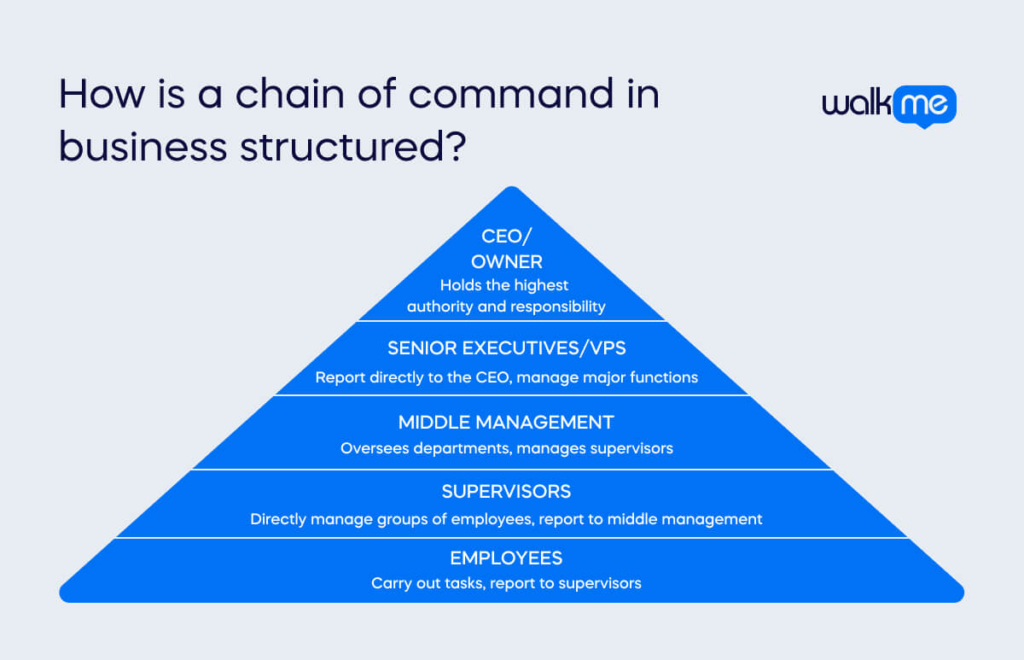
A chain of command is essentially a hierarchical structure that defines who reports to whom within an organization. It delineates lines of authority, responsibility, and communication, typically moving from the highest levels of leadership down to the front-line employees. Its primary purpose is to ensure clear accountability and streamline operations, preventing chaos and ambiguity. However, its implications for a brand are far deeper. Every decision made, every message communicated, and every action taken within an organization contributes to its brand. Without a clear chain of command, a brand risks fragmentation, mixed messages, and a diluted identity. This article delves into how the chain of command is not just an administrative formality but the very backbone supporting a cohesive and powerful brand presence.
The Chain of Command as the Backbone of Corporate Identity
A brand is more than a logo or a catchy slogan; it’s the sum total of perceptions about an organization, its values, and its promise. Corporate identity, in turn, is the visual and experiential manifestation of that brand. For these elements to be coherent and impactful, they require a unified strategic direction and meticulous execution. This is where the chain of command plays an irreplaceable role, transforming abstract brand values into tangible actions and communications.
Defining Brand Authority and Responsibility
At its core, a strong brand hinges on clear ownership of its various elements. Who has the final say on the brand messaging for a new product launch? Who approves the visual identity guidelines? Who is responsible for crisis communication when the brand’s reputation is on the line? The chain of command answers these critical questions by assigning authority and responsibility for different facets of the brand. From the Chief Marketing Officer overseeing brand strategy to the Brand Manager ensuring consistent application, to individual departmental heads who embody and communicate the brand to their teams, each role within the hierarchy has specific duties that contribute to the overall brand narrative. This clarity prevents internal conflicts, avoids redundant efforts, and ensures that critical brand decisions are made by individuals with the appropriate expertise and mandate. Without this structured approach, individual departments or even employees might inadvertently create their own brand interpretations, leading to a fragmented and confusing identity in the marketplace.
Ensuring Brand Consistency Across Channels
One of the biggest challenges for any brand is maintaining consistency across all touchpoints – be it advertising, social media, customer service interactions, product packaging, or internal communications. An inconsistent brand dilutes trust and makes it harder for customers to recognize and relate to the organization. The chain of command acts as a crucial conduit for ensuring this consistency. Strategic brand guidelines, developed at the highest levels, are disseminated down through the command structure. Marketing teams receive directives on messaging and tone; sales teams are trained on how to articulate the brand’s value proposition; customer service representatives are empowered to embody the brand’s promise in every interaction. Each level in the chain is responsible for interpreting and implementing these guidelines within their specific domain, ensuring a harmonious brand voice and visual identity that resonates uniformly across all channels and audiences. This disciplined approach means that no matter where or how a customer encounters the brand, the experience is unmistakably authentic and aligned with the corporate identity.
Safeguarding Brand Values and Vision
Every successful brand is built upon a core set of values and a clear vision. These foundational elements guide all strategic decisions and define the brand’s unique purpose. The chain of command is the mechanism through which leadership’s vision is not only communicated but also protected and upheld throughout the organization. Top executives articulate the brand’s overarching philosophy, and this is then cascaded down the hierarchy, with each layer translating the vision into actionable objectives for their respective teams. This top-down reinforcement ensures that employees at every level understand the brand’s essence and are equipped to make decisions that align with its core values. Furthermore, the chain provides a structure for monitoring adherence to these values, allowing for corrective action if internal practices or external communications deviate from the established brand ethos. In essence, it acts as a guardian, ensuring that the brand’s soul remains intact as it grows and evolves.
Streamlining Brand Strategy and Execution
A brilliantly conceived brand strategy is only as effective as its execution. Without a clear and efficient pathway for implementation, even the most innovative branding initiatives can falter. The chain of command provides this essential pathway, transforming strategic blueprints into tangible market presence and ensuring that every tactical effort aligns with the broader brand objectives.
From Vision to Action: The Strategic Flow
Developing a brand strategy involves intricate research, creative conceptualization, and high-level decision-making. Once the strategic vision is defined—whether it’s a repositioning effort, a new product launch, or an overhaul of corporate messaging—it must be translated into actionable steps for various departments. The chain of command facilitates this vital strategic flow. Senior leadership outlines the “what” and “why” of the strategy, which is then broken down into specific goals and tasks by departmental heads. These are further refined and assigned to individual teams and employees, creating a seamless cascade of objectives. This structured flow ensures that everyone from the CEO to the content creator understands their role in bringing the brand strategy to life, creating a synchronized effort that maximizes impact and minimizes misinterpretation. The chain ensures that the grand vision doesn’t get lost in translation but instead becomes a guiding principle for daily operations.
Decision-Making and Approval Processes for Brand Assets
The creation and deployment of brand assets—from marketing campaigns and advertising creatives to website copy and social media posts—require numerous decisions and approvals. An ad-hoc approach can lead to bottlenecks, inconsistencies, and missed opportunities. The chain of command provides a clear framework for these critical processes. It specifies who needs to review and approve brand-related materials at each stage, ensuring that content aligns with brand guidelines, legal requirements, and strategic objectives. For example, a marketing campaign concept might be developed by a junior team, reviewed by a brand manager, approved by a marketing director, and ultimately signed off by the CMO. This systematic approach guarantees that all brand communications are vetted for accuracy, consistency, and strategic alignment before they reach the public, thereby protecting the brand’s reputation and enhancing its professionalism.
Empowering Teams While Maintaining Brand Integrity
While a rigid chain might seem to stifle creativity, an effectively managed one actually empowers teams by providing clear boundaries and expectations. Within their defined roles, employees understand the scope of their authority and responsibility, allowing them to innovate and execute with confidence, knowing their efforts align with the broader brand strategy. The chain of command enables delegation, pushing decision-making closer to the point of action where appropriate, while still maintaining overarching brand integrity. For instance, a social media manager might have autonomy over daily content creation, but within a framework of tone, messaging, and visual guidelines established higher up the chain. This balance fosters an environment where creativity thrives within a structured brand ecosystem, ensuring that individual contributions strengthen, rather than dilute, the corporate identity.
Navigating Brand Crises and Reputation Management
In today’s hyper-connected world, brand crises can erupt swiftly and spread globally within hours. From product recalls to public relations blunders or ethical controversies, an organization’s ability to respond effectively and decisively is paramount to protecting its reputation. The chain of command is not merely a peacetime structure; it transforms into a vital command center during times of crisis, enabling a rapid, coordinated, and unified response.

Rapid Response through Clear Command Structures
When a crisis hits, time is of the essence. Delays in communication or decision-making can amplify negative impacts on a brand. A well-established chain of command, with predefined roles and responsibilities for crisis management, ensures a rapid and organized response. It delineates who assesses the situation, who activates the crisis team, and who is authorized to make critical decisions under pressure. This eliminates confusion and streamlines the flow of information, allowing the organization to mobilize resources quickly. For instance, a designated crisis communication lead, reporting to a senior executive, can immediately convene relevant stakeholders, initiate fact-finding, and begin drafting public statements, all within a pre-approved framework of authority. This agile activation minimizes response time, a crucial factor in mitigating brand damage.
Unified Messaging During Challenging Times
During a crisis, a brand’s message must be singular, consistent, and empathetic across all platforms. Contradictory statements or mixed signals from different organizational representatives can erode public trust and exacerbate the situation. The chain of command is instrumental in ensuring this unified messaging. It dictates who the authorized spokespersons are, who reviews and approves all internal and external communications, and how updates are disseminated to various stakeholders. A designated crisis communications team, often led by a senior PR or marketing executive, works through the chain to craft a consistent narrative. This ensures that every public statement, social media post, and internal memo speaks with one voice, reflecting the brand’s values and commitment to resolving the issue. This disciplined approach prevents speculation and confusion, presenting a united front to the public and instilling confidence amidst uncertainty.
Post-Crisis Analysis and Brand Rebuilding
A crisis doesn’t end when the immediate threat subsides; the real work of brand rebuilding often begins then. The chain of command supports a structured approach to post-crisis analysis and recovery. It provides the framework for conducting thorough post-mortems, identifying the root causes of the crisis, and implementing corrective measures. Leadership, informed by reports channeled up the chain from various departments, can then develop strategies to restore trust and repair the brand’s image. This might involve internal policy changes, enhanced training, or dedicated brand campaigns. The chain ensures that lessons learned are integrated back into the organizational structure and processes, strengthening the brand’s resilience and preparing it better for future challenges. It facilitates accountability for the recovery process and ensures that the brand emerges stronger and more credible from adversity.
Internal Branding: The Chain’s Role in Employee Advocacy
A brand’s most powerful advocates are often its own employees. They are the living embodiment of the corporate identity, interacting with customers, partners, and the public daily. For employees to effectively represent the brand, they must deeply understand its purpose, values, and vision. The chain of command plays a critical, albeit often overlooked, role in cultivating this internal brand advocacy, transforming employees into authentic brand ambassadors.
Communicating Brand Purpose Internally
A brand’s purpose and values cannot simply be displayed on a wall; they must be lived and breathed by every member of the organization. The chain of command is the primary conduit for communicating this brand purpose internally, ensuring that it resonates from the executive suite down to the newest hire. Senior leadership articulates the brand’s core mission and values, which are then reinforced by middle managers through team meetings, training sessions, and daily interactions. This consistent, top-down communication ensures that all employees understand “why” the brand exists and “what” it stands for. When employees grasp the brand’s deeper meaning, they are more likely to connect with it emotionally, leading to greater engagement, loyalty, and a stronger desire to uphold its reputation. The chain makes sure the brand narrative isn’t just external marketing but an internal creed.
Developing Brand Ambassadors at Every Level
Every employee, regardless of their position, is a potential brand ambassador. Their interactions, attitudes, and work quality all contribute to how the brand is perceived. The chain of command facilitates the development of these ambassadors by systematically educating, empowering, and motivating employees to represent the brand positively. Training programs, managed through the organizational hierarchy, teach employees about brand guidelines, customer service standards, and ethical conduct. Managers, following directives from above, reinforce these teachings and provide coaching. By clearly defining roles and responsibilities within the chain, employees understand how their individual contributions align with the overall brand message. This structured approach fosters a culture where employees feel invested in the brand’s success and are proud to represent it, turning them into credible spokespeople who organically spread positive word-of-mouth and reinforce the corporate identity.
Feedback Loops and Internal Brand Evolution
While the chain of command often implies a top-down flow of information, a healthy organization also leverages it for upward communication. This is crucial for internal branding, as it allows for feedback loops from employees about how the brand is perceived and experienced on the front lines. Employees, through their immediate supervisors and up the chain, can provide invaluable insights into the brand’s strengths, weaknesses, and areas for improvement. This feedback can relate to everything from the effectiveness of internal communications about brand values to real-world customer reactions to brand promises. By listening to these insights, leadership can adapt brand strategies, refine messaging, and address internal inconsistencies, ensuring that the brand evolves in a way that remains authentic and relevant. The chain, therefore, becomes a dynamic system that allows the brand to learn and grow from its internal advocates, strengthening its identity from within.
The Future of Brand Management and Adaptive Command Structures
The business landscape is constantly evolving, driven by technological advancements, shifting consumer expectations, and global interconnectedness. In this dynamic environment, the traditional, rigid interpretations of the chain of command are being challenged. Modern brand management requires agility, collaboration, and responsiveness. While the fundamental principles of hierarchy remain relevant, future-focused organizations are adapting their command structures to foster greater flexibility without sacrificing the core benefits of clarity and accountability.
Agility vs. Hierarchy: Finding the Right Balance
For brands to remain competitive, they must be agile—able to pivot quickly, innovate rapidly, and respond to market shifts with speed. This often seems at odds with traditional hierarchical chains of command, which can be perceived as slow and bureaucratic. However, the future of brand management lies not in abolishing the chain but in finding a strategic balance between hierarchy and agility. This involves flattening certain parts of the organizational structure, empowering cross-functional teams, and implementing project-based reporting lines that allow for faster decision-making for specific brand initiatives. For instance, a rapid-response marketing campaign might operate with a more decentralized, agile command structure for its duration, while still ultimately reporting into the broader, more stable corporate identity chain. The goal is to maintain the clarity of authority for core brand elements while enabling more fluid and responsive action for dynamic branding efforts.
The Impact of Digital Tools on Brand Communication Flow
Digital technologies have revolutionized how information flows within and outside organizations, inevitably impacting the chain of command. Collaboration platforms, project management software, and internal social networks can bypass traditional communication layers, allowing for faster dissemination of information and more direct engagement. While these tools can democratize communication, they do not negate the need for a clear chain of command in brand management. Instead, they transform how the chain operates. Digital tools can enhance efficiency by ensuring that directives from the top reach everyone quickly, and feedback from the bottom can be aggregated and channeled upward more effectively. They facilitate the approval process for digital brand assets, track consistency across online channels, and enable rapid internal communication during a crisis. The chain still defines who owns decisions and approvals, but digital tools make the execution of those decisions faster and more transparent, enhancing the brand’s overall responsiveness.

Building Resilient Brands Through Evolving Leadership
Ultimately, the resilience and longevity of a brand are intrinsically linked to its leadership and the structure through which that leadership operates. As markets become more unpredictable, brands need leadership that is not only visionary but also adaptable and capable of fostering a culture of resilience. This requires an evolving chain of command—one that can transform from a rigid structure into a flexible network when circumstances demand. Future-proof brands will be those led by individuals who understand how to empower their teams within a defined framework, encourage innovation without losing brand focus, and swiftly navigate crises while upholding core values. The chain of command of the future will be less about strict control and more about intelligent coordination, enabling the brand to adapt, grow, and thrive amidst constant change, ensuring its identity remains strong and relevant for generations to come.
aViewFromTheCave is a participant in the Amazon Services LLC Associates Program, an affiliate advertising program designed to provide a means for sites to earn advertising fees by advertising and linking to Amazon.com. Amazon, the Amazon logo, AmazonSupply, and the AmazonSupply logo are trademarks of Amazon.com, Inc. or its affiliates. As an Amazon Associate we earn affiliate commissions from qualifying purchases.