
The quest for “the best oil for your skin” is a journey many embark on, navigating a vast sea of options promising everything from hydration and anti-aging to blemish control and radiance. But what truly defines “best” in such a crowded and personal category? Is it the scientific efficacy of ingredients, the luxurious feel, the ethical sourcing, or simply the glowing recommendation from a trusted influencer? In reality, the answer is often a complex interplay of individual needs and, perhaps more powerfully, the masterful art of branding.

In today’s hyper-competitive skincare market, identifying “the best” is less about a universal scientific truth and more about strategic brand positioning, compelling storytelling, and the careful cultivation of consumer perception. Brands don’t just sell oils; they sell aspirations, solutions, and identities. They craft narratives around their products that resonate with specific demographics, leveraging everything from ingredient transparency and eco-consciousness to cutting-edge scientific innovation. This article will unravel the intricate ways brands influence our perception of “best,” examining the strategies behind corporate identity, marketing, and design that ultimately shape our skincare choices.
The Illusion of “Best”: How Branding Shapes Skincare Choices
In the realm of skincare, the term “best” is profoundly subjective, yet brands dedicate immense resources to persuade consumers that their product holds this coveted title. This isn’t achieved through mere product features but through a comprehensive branding strategy that manipulates perception, builds trust, and fosters desire. The “best” oil is often the one that has most successfully communicated its value proposition in a way that resonates with an individual’s needs, values, and aspirations.
Crafting the Narrative: From “Natural” to “Scientific”
At the heart of any successful skincare brand lies a compelling narrative. Brands strategically choose to position their oils along a spectrum, often leaning heavily into either the “natural and holistic” or the “scientific and clinical” ethos. The “natural” narrative emphasizes purity, organic ingredients, ancient traditions, and a gentle approach to skin health. Think of brands that highlight cold-pressed oils, exotic botanicals, or ethical wildcrafting. Their corporate identity often employs earthy tones, minimalist design, and language evoking tranquility and harmony. They sell not just an oil, but a lifestyle choice aligned with sustainability and wellness.
Conversely, brands adopting a “scientific” narrative focus on active compounds, dermatological testing, patented formulations, and clinical results. Their marketing often features white lab coats, microscopic imagery, and terminology like “peptide complexes,” “hyaluronic acid,” or “retinoid derivatives.” Their corporate identity might be sleek, modern, with a crisp, often monochromatic color palette. They sell a promise of measurable efficacy, backed by research and expert endorsement. Both narratives aim to establish trust and authority, but they appeal to fundamentally different consumer mindsets, each believing their chosen path leads to “the best” outcome.
Packaging as a Silent Salesperson: Design and Desirability
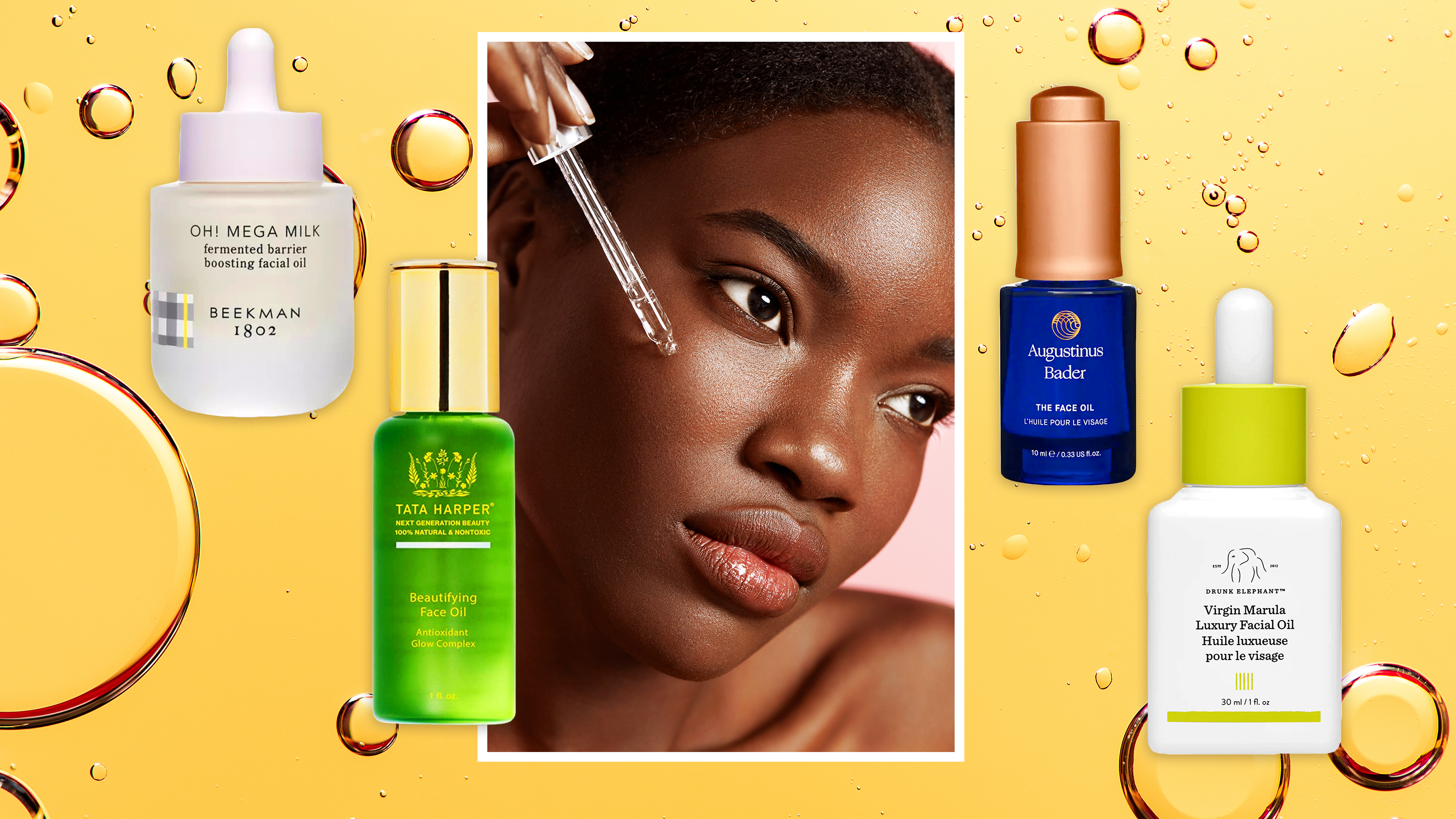
Long before a consumer reads an ingredient list or a marketing claim, they encounter the product’s packaging. Packaging is a critical element of brand identity and a silent, yet powerful, salesperson. The choice of bottle material—heavy glass conveying luxury, amber glass suggesting natural potency, or sleek plastic for practicality—immediately communicates brand values. The color palette plays a psychological role: pristine whites and blues might imply purity and science, while rich browns and greens evoke earthiness and natural origins.
Label design, typography, and even the texture of the box contribute to the overall brand experience. A minimalist design with elegant sans-serif fonts might target a sophisticated, discerning customer who values understated quality. An ornate design with intricate details could appeal to those seeking indulgence and traditional beauty. The tactile experience of uncapping a weighty bottle or dispensing oil with a precise dropper enhances the perception of quality and attention to detail. In this way, packaging doesn’t just protect the product; it embodies the brand’s promise and significantly influences a consumer’s initial judgment of whether an oil might be “best” for them. It creates an emotional connection, suggesting efficacy, luxury, or trust before a single drop touches the skin.
The Power of Perception: Price, Exclusivity, and Aspiration
The perception of “best” is intrinsically linked to pricing strategies and market positioning. A higher price point often implicitly suggests superior quality, rare ingredients, or advanced formulation, tapping into the psychological heuristic that “you get what you pay for.” Luxury skincare brands thrive on this perception, creating an aura of exclusivity and aspiration around their oils. Their corporate identity is often built on heritage, artisan craftsmanship, or cutting-edge, proprietary technology, justifying premium pricing. They may limit distribution to high-end department stores or their own boutiques, further enhancing their exclusive image.
Conversely, accessible mass-market brands position their oils as “best” for everyday use, emphasizing value, wide availability, and broad appeal. Their marketing focuses on relatable concerns and practical benefits, making quality skincare attainable for a larger audience. Mid-range brands often strike a balance, aiming to offer perceived premium benefits at a more accessible price point, using smart marketing to highlight scientific backing or natural purity without the ultra-luxury price tag. Regardless of the pricing tier, the brand’s goal is to align its cost with the perceived value and desired aspirational status, guiding consumers to believe that their oil offers the “best” balance of efficacy and accessibility for their lifestyle and budget.
Navigating the Digital Landscape: Personal Branding and Influencer Impact
The digital age has fundamentally reshaped how consumers discover and perceive “the best” skincare oils. Beyond traditional advertising, the landscape is now dominated by a new breed of brand ambassadors: personal brands and influencers. Their authentic, often unvarnished, endorsements carry significant weight, creating a peer-driven sense of “best” that can either bolster or challenge established corporate identities.
The Rise of the Skincare Influencer: Authenticity vs. Advertising
The rise of the skincare influencer marks a pivotal shift in marketing. These individuals, through their personal branding on platforms like Instagram, YouTube, and TikTok, cultivate dedicated followers who trust their recommendations. An influencer’s personal brand is built on perceived authenticity, expertise, and relatability. When an influencer declares a particular oil “the best” for glowing skin or tackling acne, their followers are more likely to believe them than a traditional advertisement.
However, the line between genuine recommendation and paid promotion (advertising) is frequently blurred. Brands actively engage influencers, offering free products, affiliate commissions, and direct sponsorships to feature their oils. The challenge for both the influencer and the brand lies in maintaining perceived authenticity. A successful influencer collaboration feels like a trusted friend sharing a secret, not a billboard. For brands, tapping into an influencer’s personal brand allows them to bypass traditional marketing skepticism and reach highly engaged, targeted audiences, making their oil “best” in the eyes of a digitally-native consumer.
UGC and Community Building: The Collective “Best”

Beyond individual influencers, user-generated content (UGC) and online communities have become powerful forces in defining “the best” skincare oils. Platforms like Reddit’s r/SkincareAddiction, beauty forums, and product review sections on e-commerce sites foster collective discussions where real users share their experiences, recommendations, and critiques. Here, the “best” is democratically determined by collective consensus and personal testimonials.
Brands actively monitor and often participate in these communities, as positive UGC serves as highly credible social proof. They encourage customers to share their results, create contests, or feature user testimonials on their own websites and social media channels. This community-driven branding fosters a sense of shared discovery and trust, positioning oils that consistently receive positive peer reviews as collectively “best.” Negative feedback, conversely, can quickly damage a brand’s reputation, highlighting the transparency and accountability inherent in digital branding. The power of the crowd to validate or invalidate a product’s “best” claim is a unique characteristic of the modern digital landscape.
Strategic Positioning: Differentiating in a Saturated Market
In a market overflowing with countless oils, simply having a good product isn’t enough. Brands must strategically position their offerings to stand out, carving out a distinct identity that resonates with specific consumer needs. Differentiation is key to being perceived as “the best” within a particular niche.
Niche Specialization: Targeting Specific Skin Concerns
One of the most effective strategies for brands is to avoid a broad “one-size-fits-all” approach and instead specialize. By focusing on specific skin concerns—be it acne, hyperpigmentation, sensitive skin, or mature skin—brands can position their oils as the ultimate, “best” solution for that particular problem. For instance, an oil rich in linoleic acid might be marketed specifically for acne-prone skin, while a brand focusing on anti-aging might highlight oils high in antioxidants like marula or argan.
This niche specialization allows brands to build a highly targeted corporate identity and marketing message. Their packaging, ingredient highlight, and endorsement strategy will all align with the specific concern. This creates a powerful perception of expertise and efficacy in that narrow field, making their product the “go-to” or “best” choice for individuals facing that specific issue. It leverages the consumer’s desire for a tailored solution rather than a generic one.
Ingredient Transparency and Ethical Sourcing as Brand Pillars
As consumers become more informed and ethically conscious, ingredient transparency and ethical sourcing have evolved from mere marketing buzzwords to fundamental pillars of brand identity. Brands that clearly articulate where their ingredients come from, how they are processed, and their commitment to sustainable and fair-trade practices build immense trust and loyalty. An oil might be deemed “best” not just for its effects on the skin, but for its minimal environmental impact or its support of local communities.
This branding strategy speaks to a growing segment of consumers who prioritize values alongside efficacy. Certifications like USDA Organic, Fair Trade, or Leaping Bunny (cruelty-free) become crucial elements of the brand’s corporate identity. Marketing emphasizes the story behind the ingredient—the community empowered by its harvest, the sustainable farming practices, or the absence of harmful chemicals. By embedding these ethical considerations into their core brand narrative, companies differentiate their oils, making them “best” in the eyes of the conscious consumer who seeks products that align with their personal ethics.
Brand Longevity: Maintaining “Best” Status Over Time
Achieving the status of “best” is one challenge; maintaining it over time is another entirely. The skincare market is dynamic, with new trends, scientific discoveries, and consumer preferences constantly emerging. Brands aiming for long-term relevance must be agile, innovative, and deeply committed to cultivating enduring customer relationships.
Innovation and Adaptation: Evolving with Consumer Needs
The “best” oil of today may be forgotten tomorrow without continuous innovation. Brands must invest in research and development, constantly exploring new ingredients, formulations, and application methods. This involves staying abreast of scientific advancements—from understanding the skin microbiome to developing protective barriers against environmental aggressors like blue light or pollution. When new scientific insights emerge, brands that quickly integrate these into their products and effectively communicate their benefits through their marketing solidify their “best” status.
Furthermore, adaptation to evolving consumer needs is crucial. A brand that once solely focused on anti-aging might expand its line to include products for “skinimalism” or barrier repair as consumer preferences shift. This ability to evolve while retaining core brand values ensures that a brand’s oils remain relevant and continue to be perceived as cutting-edge and effective, safeguarding their position as a leading contender for “the best” in an ever-changing landscape.
Cultivating Brand Loyalty: Beyond the First Purchase
True brand longevity is built on loyalty, transforming a single purchase into a sustained relationship. Brands understand that the initial “best oil” discovery is just the beginning. Strategies for cultivating loyalty include exceptional customer service, personalized recommendations, loyalty programs, and consistent engagement with their community.
This involves creating a seamless customer journey, from initial brand discovery to post-purchase support. Responsive customer service, easy return policies, and educational content that helps users get the most out of their oils all contribute to a positive brand experience. Loyalty programs, exclusive offers, or early access to new products reward returning customers, making them feel valued. By fostering a strong emotional connection and demonstrating ongoing commitment to their customers’ skin health, brands ensure that their oils remain not just “best,” but also a trusted, indispensable part of their consumers’ daily routines for years to come.
The question, “what is the best oil for your skin?” is ultimately answered not by a single product, but by a confluence of individual skin chemistry, personal values, and the sophisticated branding strategies that shape our perceptions. From the carefully crafted narratives of purity or science to the silent persuasion of packaging, and the influential recommendations of digital personal brands, every element works in concert to define “best.” Successful brands don’t merely offer an oil; they offer a promise, an identity, and a solution meticulously positioned to resonate with specific desires. As consumers, understanding these branding mechanisms allows us to navigate the market more critically, making choices that truly align with our needs, rather than solely being swayed by the illusion of “best.”
aViewFromTheCave is a participant in the Amazon Services LLC Associates Program, an affiliate advertising program designed to provide a means for sites to earn advertising fees by advertising and linking to Amazon.com. Amazon, the Amazon logo, AmazonSupply, and the AmazonSupply logo are trademarks of Amazon.com, Inc. or its affiliates. As an Amazon Associate we earn affiliate commissions from qualifying purchases.