
In the complex symphony of tactics, athleticism, and strategy that defines modern football (both American football and soccer, where similar principles of spatial exploitation exist), understanding and mastering every inch of the playing field is paramount. Among the many tactical concepts, the “A-gap” stands out as a critical zone whose effective management can dictate the outcome of a game. Traditionally understood through the coach’s eye and player experience, the A-gap in contemporary football is increasingly becoming a subject of intense technological scrutiny. From advanced data analytics to sophisticated AI models and cutting-edge wearable devices, technology is not just informing, but fundamentally reshaping how teams perceive, exploit, and defend these vital spaces. This article delves into the A-gap, not just as a tactical concept, but through the lens of the technological innovations that are transforming its strategic significance.
Deconstructing the “A-Gap”: A Fundamental Tactical Zone
Before diving into the technological advancements, it’s crucial to establish a common understanding of what the “A-gap” signifies within the broader context of football. While the term originated and is most explicitly defined in American football, its underlying principles of spatial exploitation and defensive vulnerability are universally applicable across various forms of football, including soccer.
Identifying the Core Tactical Space
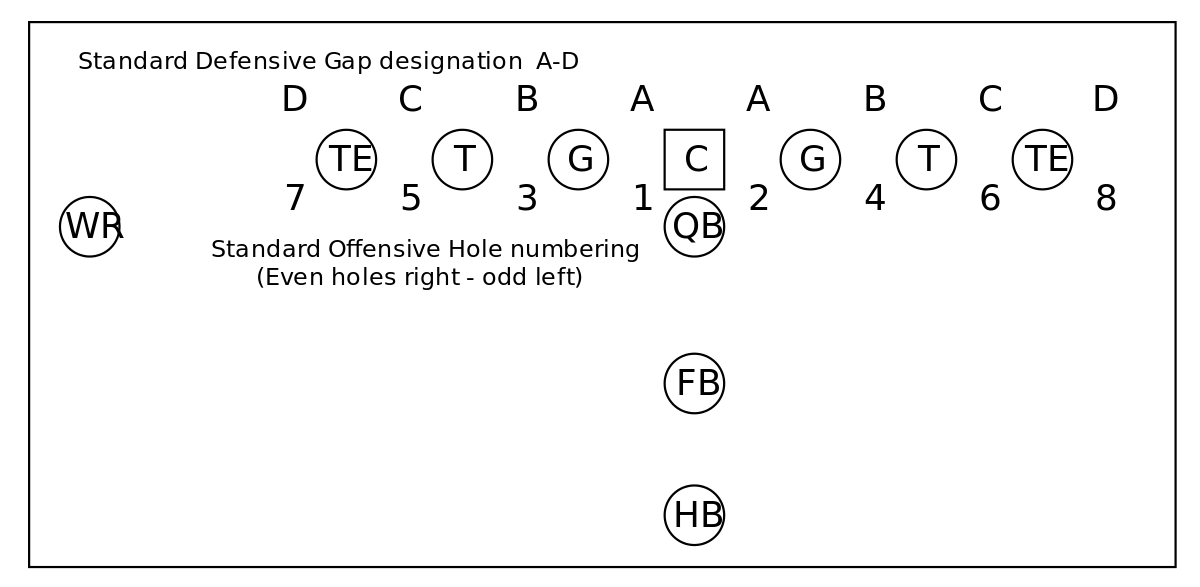
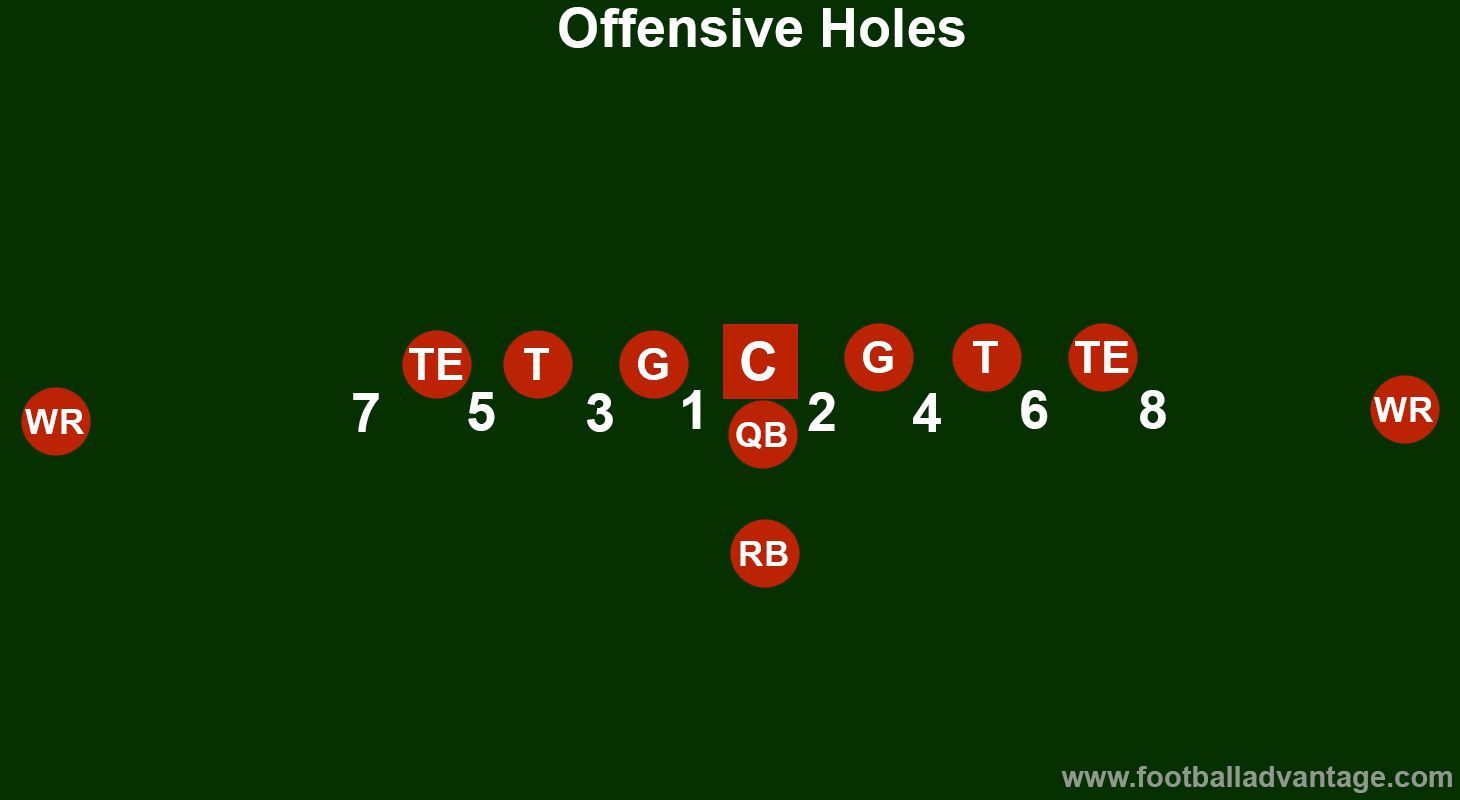
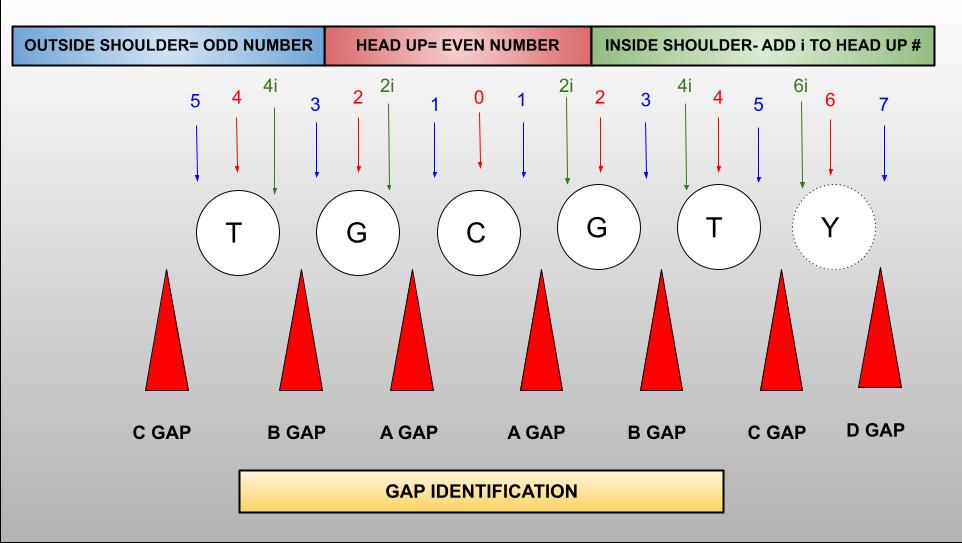
In American football, the “A-gap” refers specifically to the space that exists on either side of the center, between the center and the guard on the offensive line. There are two A-gaps: the “strong-side A-gap” and the “weak-side A-gap,” determined by the offensive formation and strength. This small, often congested area is a prime target for both offensive runs and defensive blitzes, making it a focal point for strategic planning. In soccer, while not labeled identically, the concept translates to the critical channels and half-spaces between central defenders, or between central midfielders and defenders, that attacking players seek to exploit, and defenders aim to close. These are the equivalent “gaps” that, when breached, can lead directly to goal-scoring opportunities.
Strategic Importance in Offensive and Defensive Plays
The strategic importance of the A-gap cannot be overstated. Offensively, a successful run through the A-gap can break tackles, gain significant yardage, and disrupt defensive alignments. Quarterbacks often target this area for quick slants or dives. Defensively, pressuring the A-gap with a well-timed blitz can collapse the pocket, hurry the passer, or stop a run play at the line of scrimmage, thereby disrupting the opponent’s rhythm and play execution. In soccer, the ability of an attacking midfielder or striker to receive the ball and turn in these central “A-gap equivalent” channels can unlock defenses, creating through-ball opportunities or direct shots on goal. Conversely, a robust defensive structure aims to eliminate these gaps, denying opponents space and time. The constant battle for control over these narrow strips of turf highlights their immense tactical value, making their analysis and manipulation a prime target for technological intervention.
The Rise of Data Analytics in A-Gap Strategy
The digital revolution has permeated every facet of professional sports, and football is no exception. Data analytics has emerged as a cornerstone of modern coaching, providing an unprecedented depth of insight into player performance, tactical patterns, and, critically, the exploitation and defense of areas like the A-gap.
Real-time Player Tracking and Positional Data
One of the most transformative applications of data analytics comes from real-time player tracking systems. Using a combination of GPS, optical tracking, and sensor technology embedded in equipment or stadium infrastructure, teams can collect granular data on every player’s movement, speed, acceleration, and deceleration. This data allows analysts to precisely map player positions and movements during every snap or passage of play. For the A-gap, this means understanding how offensive linemen block, how running backs hit the hole, how defensive linemen penetrate, and how linebackers fill the gap. Coaches can visualize exact distances, angles, and timing, identifying milliseconds of hesitation or slight misalignments that can open or close the A-gap. In soccer, positional data helps identify passing lanes, defensive overloads, and the exact moments when a critical “gap” appears in the defensive line.
Predictive Analytics for Offensive Exploitation
Beyond descriptive analysis, predictive analytics is revolutionizing how teams approach the A-gap. Machine learning algorithms, trained on vast historical datasets of plays, formations, and outcomes, can identify tendencies and probabilities. For an offensive coordinator, this means predicting which defensive fronts are most vulnerable to an A-gap run, or which blitz packages are most likely to be deployed in certain down-and-distance situations. The algorithms can model different offensive schemes against various defensive alignments, suggesting the highest-probability plays for success. Conversely, defensive coordinators can use predictive models to anticipate offensive strategies targeting the A-gap, allowing them to adjust their personnel and defensive calls proactively. This data-driven foresight transforms game planning from an art into a more precise science.
Defensive Schemes Optimized by Big Data
Big data goes hand-in-hand with predictive analytics in optimizing defensive schemes. By aggregating and analyzing data from thousands of plays across multiple seasons and opponents, teams can identify recurring patterns in how opposing offenses attack the A-gap. This includes preferred personnel groupings, formation tendencies, and specific blocking schemes. Defensive coordinators can then use these insights to tailor their defensive assignments, blitz packages, and run fits to specifically counter these threats. For example, if data reveals a high success rate for a particular team running through the strong-side A-gap in short-yardage situations, defensive practice can be precisely calibrated to address this vulnerability, deploying specific stunts or gap-control techniques identified through data as most effective.
AI and Machine Learning: Unlocking Deeper A-Gap Insights
The capabilities of data analytics are magnified exponentially when augmented by Artificial Intelligence (AI) and Machine Learning (ML). These advanced computational techniques move beyond mere pattern recognition, offering deeper, more nuanced insights into the dynamics of the A-gap.
Automated Pattern Recognition and Vulnerability Detection
AI algorithms can process video footage and tracking data at speeds and scales impossible for human analysts. They can automatically identify complex patterns in player movement, defensive alignments, and offensive schemes that might be imperceptible to the human eye. For the A-gap, this means AI can pinpoint subtle shifts in defensive posture that indicate an impending blitz, or minute imperfections in an offensive line’s blocking scheme that create a momentary lane for a defensive tackle. These systems can highlight specific vulnerabilities repeatedly exploited by opponents or reveal untapped opportunities for a team’s own offense. This automated detection significantly accelerates the scouting process and provides a more comprehensive understanding of tactical nuances.
Simulating Game Scenarios and Decision-Making
One of the most powerful applications of AI in football is its ability to simulate entire game scenarios. Using sophisticated models, AI can “play” out thousands or even millions of iterations of a particular play, evaluating the success rate of different strategies targeting the A-gap against various defensive responses. Coaches can input specific player characteristics, formations, and play calls, allowing the AI to predict outcomes and optimize decision-making. This includes simulating how different players perform when tasked with filling or blocking the A-gap, identifying optimal angles, speeds, and timing. In essence, AI provides a virtual sandbox for tactical experimentation, allowing coaches to test strategies without the risk of on-field failure, thereby refining their A-gap attack or defense with unparalleled precision.
AI-Powered Player Performance Optimization
Beyond tactical analysis, AI is also instrumental in player performance optimization related to A-gap play. By analyzing individual player data (e.g., strength, agility, reaction time, historical performance in A-gap situations), AI can provide personalized training regimens. For a defensive lineman, this might involve exercises specifically designed to improve their burst through the A-gap. For a running back, it could be drills focused on reading and hitting the A-gap with optimal timing. AI can even identify subtle biomechanical inefficiencies that impede effective A-gap play, suggesting corrective training or technique adjustments. This hyper-personalized approach ensures that players are physically and mentally primed to execute their A-gap responsibilities effectively.
Wearable Technology and Smart Gadgets for On-Field A-Gap Awareness
While data analytics and AI provide strategic insights, wearable technology and smart gadgets bridge the gap between analysis and on-field execution, offering real-time feedback and enhanced player awareness.
Performance Tracking for Individual Player Roles
Wearable sensors, often embedded in jerseys, pads, or specialized vests, continuously monitor a wide array of physiological and performance metrics. For players involved in the A-gap battle – offensive linemen, defensive linemen, linebackers, and running backs – these devices track everything from heart rate and metabolic load to impact forces and precise movement patterns. Coaches can monitor how effectively a defensive tackle penetrates the A-gap throughout a game, assessing fatigue levels and identifying optimal substitution points. Similarly, they can track a running back’s ability to explode through the A-gap, ensuring peak performance and injury prevention. This individual player data ensures that each athlete is performing their specific A-gap role at their highest capacity.
Real-time Feedback and Positional Coaching
The true power of smart gadgets lies in their potential for real-time feedback. While still evolving due to NFL regulations, the ability to transmit tactical information or performance metrics directly to players or coaches during practice sessions is already being explored. Imagine a defensive lineman receiving immediate feedback via a smart device on their shoulder pad about their burst out of their stance, or the angle of their penetration into the A-gap, allowing for instant correction. In soccer, coaches could use smart tablets on the sideline to show a midfielder a graphic overlay of a defensive “A-gap” they failed to close, providing immediate visual coaching. This instantaneous feedback loop dramatically accelerates the learning process and allows for fine-tuning of A-gap techniques on the fly.
Integrating Data from Multiple Sources for a Holistic View
The effectiveness of wearable tech is maximized when its data is integrated with broader analytics platforms. Data from individual player wearables can be combined with optical tracking data, video analysis, and even environmental factors. This creates a holistic, multi-layered view of A-gap performance. For instance, coaches can see how a player’s heart rate corresponds to their effectiveness in sealing the A-gap, or how specific weather conditions impact their speed and agility in that area. This integrated approach offers unparalleled insights into the physiological and technical demands of A-gap play, enabling more nuanced coaching and tactical adjustments.
The Future of A-Gap Analysis: Emerging Technologies and Ethical Considerations
The rapid pace of technological innovation suggests that our understanding and manipulation of the A-gap will continue to evolve dramatically. Emerging technologies promise even more profound insights, while also raising important ethical questions.
Virtual and Augmented Reality for Tactical Training
Virtual Reality (VR) and Augmented Reality (AR) are poised to revolutionize tactical training for the A-gap. VR simulations can immerse players in realistic game scenarios, allowing them to practice reading defensive fronts, identifying A-gap blitzes, or executing A-gap run plays without physical risk. A running back could repeatedly practice hitting the A-gap against various defensive looks, honing their vision and decision-making. AR, on the other hand, could overlay tactical information onto the real-world practice field, highlighting defensive assignments, offensive schemes, or even the precise dimensions of the A-gap itself, providing an enhanced learning environment. These immersive tools offer a level of situational awareness and repetition previously unattainable.
Advanced Sensor Technology and Biometrics
The next generation of sensor technology will likely be even more discreet and powerful. Imagine smart fabrics embedded with micro-sensors that track muscle activation, hydration levels, and even neurological responses, all in real-time. This biometric data could provide an unprecedented understanding of a player’s readiness and capacity to engage in the high-impact, precision-demanding actions required for A-gap play. Predictive models could use this data to identify fatigue long before it becomes apparent, reducing injury risk and optimizing player rotations. The detail of this data will offer coaches and sports scientists microscopic insights into every aspect of A-gap performance.
Data Privacy and Competitive Edge Concerns
As technology delves deeper into individual player biometrics and tactical decision-making, ethical considerations surrounding data privacy become paramount. Who owns this highly sensitive performance data? How is it protected from unauthorized access or misuse? Furthermore, the competitive advantage gained through superior technology raises questions about fair play and equitable access. Will only the wealthiest clubs be able to afford the most advanced AI and tracking systems, creating an even greater disparity in competitive balance? These are critical questions that the sports industry, alongside tech developers and regulatory bodies, must address as the technological frontier expands.
In conclusion, the A-gap, once understood primarily through tradition and instinct, has been fundamentally redefined by technology. From intricate data analytics and predictive AI to real-time wearable feedback and immersive VR simulations, technology provides an ever-sharpening lens through which to analyze, exploit, and defend this crucial tactical zone. As these innovations continue to advance, the “A-gap” will remain a testament to how cutting-edge technology is transforming the strategic depth and execution of modern football.
aViewFromTheCave is a participant in the Amazon Services LLC Associates Program, an affiliate advertising program designed to provide a means for sites to earn advertising fees by advertising and linking to Amazon.com. Amazon, the Amazon logo, AmazonSupply, and the AmazonSupply logo are trademarks of Amazon.com, Inc. or its affiliates. As an Amazon Associate we earn affiliate commissions from qualifying purchases.