
In the intricate landscape of U.S. financial and healthcare regulations, few documents carry as much weight for businesses and individuals alike as Form 1095-C, Employer-Provided Health Insurance Offer and Coverage. Often a source of confusion, this form is a critical piece of the Affordable Care Act (ACA) reporting puzzle, serving as a beacon of transparency and a vital tool for compliance. Far from just another piece of paper, the 1095-C holds significant financial implications, affecting employer penalties, individual tax credit eligibility, and the overall management of benefits within organizations.
At its core, Form 1095-C is a declaration from Applicable Large Employers (ALEs) – those with 50 or more full-time equivalent employees – detailing the health coverage they offered (or didn’t offer) to their full-time employees throughout the calendar year. It provides granular data on the type of coverage, its affordability, and the employee’s contribution, offering a snapshot of compliance with the ACA’s employer shared responsibility provisions (ESRP). For employees, while it’s generally not filed with their tax return, it’s an essential record that can influence their eligibility for premium tax credits on health insurance marketplaces. Understanding this form is not merely an administrative task; it’s a fundamental aspect of sound financial planning and risk management for businesses and a key informational asset for individual taxpayers navigating their healthcare options.
The Purpose and Importance of Form 1095-C in Financial Reporting
The existence of Form 1095-C is inextricably linked to the Affordable Care Act (ACA), specifically its provisions designed to ensure a broad offering of health insurance coverage. For businesses, its accurate completion and timely submission are more than a bureaucratic hurdle; they are central to demonstrating compliance with federal mandates and avoiding potentially hefty financial penalties. For individuals, while its direct role in tax filing has evolved, it remains a crucial document for understanding their health coverage status and its impact on other financial considerations.
A Cornerstone of ACA Compliance for Applicable Large Employers (ALEs)
The primary raison d’être for Form 1095-C is to allow Applicable Large Employers (ALEs) to report whether they offered their full-time employees (and their dependents) minimum essential health coverage that was “affordable” and provided “minimum value.” An ALE is generally defined as an employer that employed, on average, at least 50 full-time employees, including full-time equivalent employees, during the preceding calendar year. The ACA’s Employer Shared Responsibility Provisions (ESRP), often referred to as the “employer mandate,” dictate that ALEs must either offer such coverage or potentially face financial penalties.
Form 1095-C acts as the IRS’s primary mechanism for verifying ALE compliance. By detailing precisely what coverage was offered, to whom, and at what cost, the form enables the IRS to assess whether an employer has met its obligations under Section 4980H of the Internal Revenue Code. Failure to meet these obligations, or failure to report accurately, can lead to significant financial repercussions for businesses, underscoring the form’s critical role in business finance and risk management. This annual reporting requirement necessitates robust internal tracking systems for employee hours, coverage eligibility, and premium contributions, transforming HR and payroll data into vital financial compliance information.
Providing Health Coverage Information to Employees
While primarily a reporting tool for the IRS, Form 1095-C also serves an important function for employees. Every full-time employee of an ALE who was offered health coverage (or was enrolled in a self-insured plan) receives a copy of this form. This provides them with a clear, concise record of the health coverage offered by their employer throughout the year. For employees, the form serves as proof of employer-sponsored coverage, which was once crucial for avoiding the individual mandate penalty (though this penalty was reduced to zero at the federal level starting in 2019).
Even with the federal individual mandate penalty removed, the form remains a valuable document for employees. It clarifies their coverage status for their personal records and can be important if they ever need to substantiate their health coverage for other purposes. Moreover, it explicitly details the employee’s required contribution for the lowest-cost, self-only minimum value coverage offered by their employer, providing transparency regarding their out-of-pocket costs for employer-sponsored health benefits.
Impact on Premium Tax Credit Eligibility
Perhaps one of the most significant financial implications of Form 1095-C for individuals lies in its direct impact on eligibility for the Premium Tax Credit (PTC). The PTC is a refundable credit designed to help eligible individuals and families afford health insurance coverage purchased through the Health Insurance Marketplace (also known as the exchange). However, if an individual is offered “affordable” employer-sponsored coverage that provides “minimum value,” they are generally not eligible for the PTC to help pay for a Marketplace plan, even if they choose not to enroll in their employer’s plan.
Form 1095-C contains the specific information (Line 14 and Line 15) that the IRS and the Marketplace use to determine if the employer’s offer of coverage meets the affordability and minimum value standards. Affordability is generally met if the employee’s required contribution for the lowest-cost self-only minimum value coverage does not exceed a certain percentage of their household income (this percentage is adjusted annually). Minimum value means the plan covers at least 60% of the total allowed cost of benefits. Thus, for individuals contemplating purchasing coverage through the Marketplace or claiming a PTC, understanding the information on their 1095-C is paramount, as it can directly influence the financial assistance they are entitled to receive. Misinterpreting or overlooking this information could lead to unexpected tax liabilities or missed opportunities for financial aid.
Decoding the Sections: Understanding the Key Financial Data on Form 1095-C
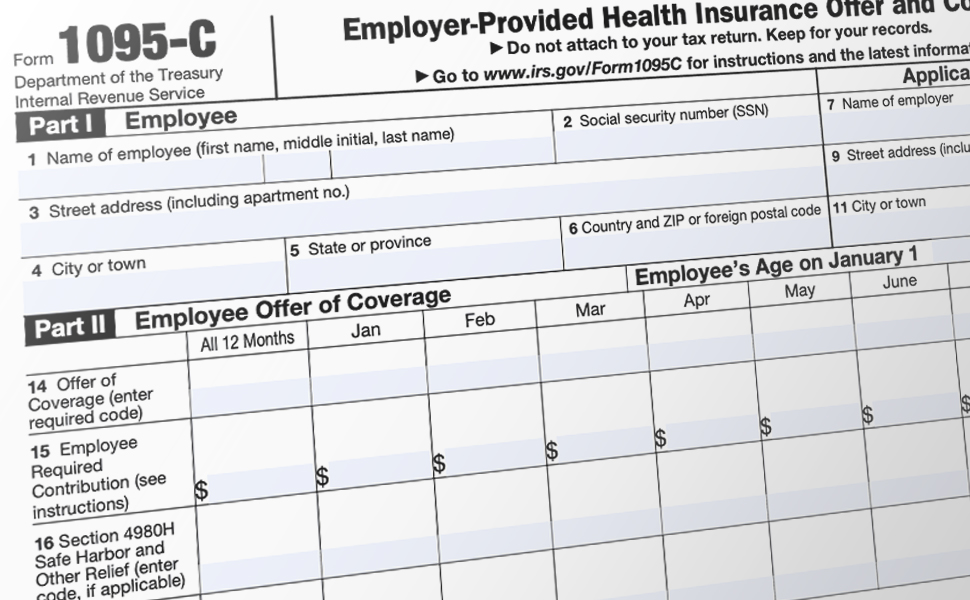
Form 1095-C is structured into three main parts, each designed to capture specific information about the employer, employee, and the health coverage offered. A detailed understanding of these sections, particularly Part II, is crucial for both employers to ensure accurate financial reporting and for employees to grasp the implications for their personal finances.
Part I: Employee and ALE Information
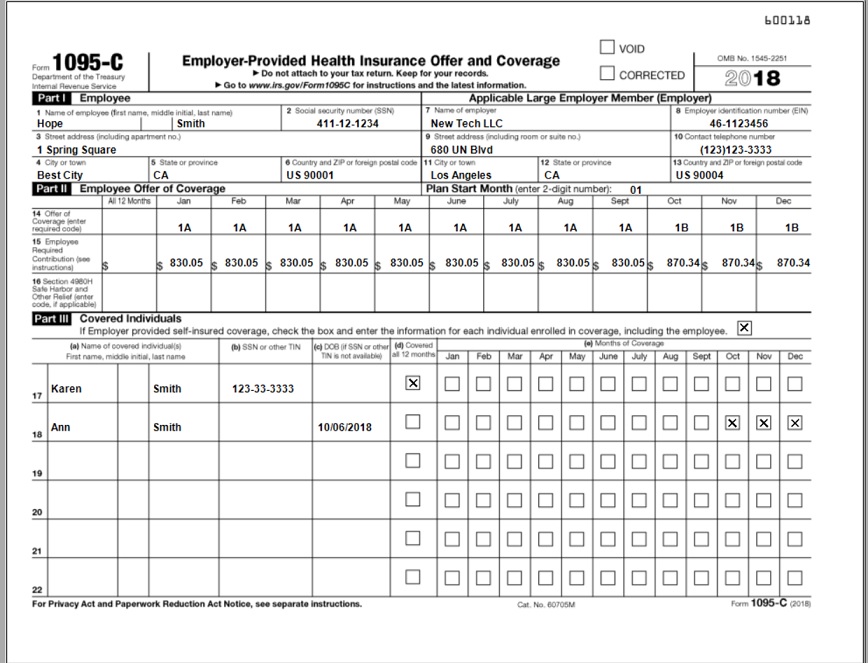
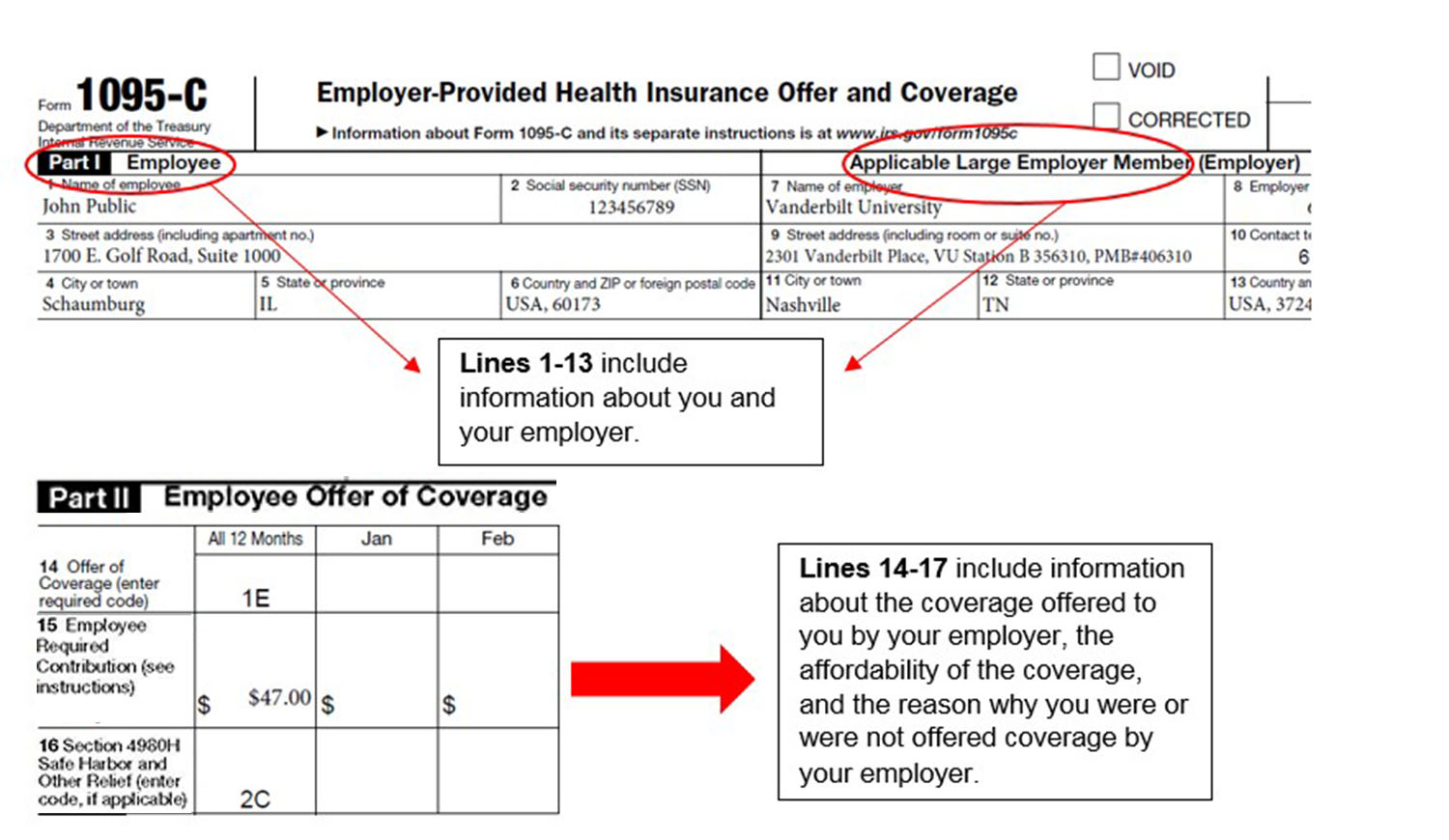
Part I is straightforward, serving as the identification section of the form. It requires basic information about the Applicable Large Employer (ALE), including its name, address, and Employer Identification Number (EIN). Similarly, it captures the employee’s name, Social Security Number (SSN), and address. The accuracy of this foundational data is paramount for correct filing with the IRS and for proper delivery to the employee. Errors in this section can lead to processing delays, correspondence from the IRS, and even potential penalties for the employer, highlighting the importance of meticulous data entry and verification, which is a core tenet of sound financial administration.
Part II: Employee Offer and Coverage
Part II is the heart of Form 1095-C, containing the detailed financial and coverage information that directly pertains to the ACA’s employer mandate and affordability provisions. This section utilizes a series of codes to communicate complex scenarios concisely.
-
Line 14: Offer of Coverage Code: This line is critical, as it describes the type of health coverage, if any, the ALE offered to the employee, their spouse, and dependents for each month of the calendar year. The codes range from ‘1A’ (Qualifying Offer: Minimum essential coverage providing minimum value offered to employee and dependents; employee contribution for self-only coverage is ≤ 9.83% of federal poverty line) to ‘1H’ (No offer of health coverage). Each code carries specific financial implications. For instance, a ‘1A’ signifies a strong likelihood that the employer met its affordability requirements, potentially precluding the employee from receiving a Premium Tax Credit. Employers must carefully select the correct code for each month, as an incorrect code could erroneously trigger an employer shared responsibility payment or inaccurately impact an employee’s PTC eligibility. The choice of code reflects the employer’s financial commitment to providing affordable, qualifying coverage.
-
Line 15: Employee Required Contribution: This numerical field reports the employee’s share of the lowest-cost monthly premium for self-only minimum value coverage offered by the ALE. This is the critical figure used to determine if the employer’s coverage offer was “affordable” for the employee. Even if the employee enrolled in a more expensive plan or a family plan, Line 15 shows the cost for the most basic qualifying coverage. This direct financial figure is central to both the employer’s compliance assessment and the employee’s Premium Tax Credit eligibility. A higher figure here might indicate non-affordability, potentially exposing the employer to penalties or qualifying the employee for a PTC.
-
Line 16: Section 4980H Safe Harbor Codes and Other Relief: This line contains codes that provide additional information about the offer of coverage and, crucially, can protect the ALE from penalties under Section 4980H. Codes like ‘2C’ (Employee enrolled in coverage) indicate the employee took the offer, while ‘2F’, ‘2G’, and ‘2H’ signify “safe harbors” (e.g., W-2, Federal Poverty Line, or Rate of Pay) that an employer used to determine affordability, thereby potentially avoiding a penalty even if the coverage wasn’t technically affordable based on other metrics. Understanding and correctly applying these safe harbor codes is a sophisticated financial compliance strategy, allowing employers to mitigate risk and manage their ACA-related financial liabilities effectively.
Part III: Covered Individuals (Optional for Self-Insured Plans)
Part III is only completed by ALEs that offer self-insured health plans. For these employers, this section lists the names, SSNs/birth dates, and months of coverage for the employee and any covered family members (spouse and dependents). This information is necessary for the IRS to confirm that these individuals had minimum essential coverage for each month, a requirement previously tied to the individual mandate. While less common for employers with fully insured plans (where the insurer handles this reporting on Form 1095-B), for self-insured ALEs, accurately completing Part III is another vital aspect of their financial and regulatory reporting duties, ensuring all covered individuals are properly accounted for.
Employer Responsibilities and Financial Penalties Associated with Form 1095-C
For Applicable Large Employers (ALEs), the journey with Form 1095-C extends far beyond merely understanding its sections. It encompasses a series of critical responsibilities related to furnishing, filing, and ensuring the accuracy of the data. Failure in any of these areas can lead to significant financial penalties, making diligent adherence to IRS requirements a cornerstone of sound business finance.
The Mandate to Furnish and File
ALEs have a dual responsibility concerning Form 1095-C:
-
Furnishing to Employees: A copy of the form must be provided to each full-time employee by January 31st (or the next business day if January 31st falls on a weekend) of the year following the calendar year of coverage. This deadline is crucial for employees to receive their information in a timely manner.
-
Filing with the IRS: A copy of all 1095-C forms, along with Form 1094-C (Transmittal of Employer-Provided Health Insurance Offer and Coverage Information Returns), must be filed with the IRS. The filing deadline is typically February 28th for paper filings or March 31st for electronic filings. Given that most ALEs meet the threshold for mandatory electronic filing (250 or more forms), the March 31st deadline is more common.
Adherence to these deadlines is not optional. Procrastination or oversight can directly result in financial penalties imposed by the IRS, which compound with the number of forms involved. This necessitates robust internal processes, often leveraging payroll and HR software solutions, to ensure data accuracy and timely submission, safeguarding the company’s financial standing.
Understanding Employer Shared Responsibility Payments (ESRP)
The most significant financial threat associated with ACA non-compliance and, by extension, the data reported on Form 1095-C, comes from the Employer Shared Responsibility Payments (ESRP), commonly known as “employer mandate penalties.” These penalties are triggered if an ALE fails to offer adequate health coverage to its full-time employees. There are two types of penalties under Section 4980H:
-
Penalty A (Section 4980H(a)): This penalty applies if an ALE fails to offer minimum essential coverage to at least 95% of its full-time employees (and their dependents), and at least one full-time employee receives a Premium Tax Credit for enrolling in coverage through the Marketplace. The penalty is calculated monthly by multiplying a statutory amount (adjusted annually) by the total number of full-time employees (minus the first 30 employees). This can quickly escalate into a substantial financial burden for large organizations.
-
Penalty B (Section 4980H(b)): This penalty applies even if an ALE offers coverage to at least 95% of its full-time employees, but that coverage is either not “affordable” or does not provide “minimum value,” and a full-time employee receives a Premium Tax Credit. The penalty here is also a statutory amount (adjusted annually) but is applied only to those specific employees who received the PTC. While potentially smaller than Penalty A, it can still represent a significant financial outlay, particularly for employers with many full-time employees for whom the coverage was deemed inadequate.
The data reported on Forms 1095-C and 1094-C is precisely what the IRS uses to identify instances where these penalties might apply. Accurate reporting, including the correct use of Line 16 safe harbor codes, is critical for demonstrating compliance and mitigating these severe financial risks.
Penalties for Incorrect or Late Filing
Beyond the ESRP, employers face additional financial penalties for failing to file Forms 1095-C or 1094-C correctly or on time. The IRS imposes penalties for:
-
Failure to File: Not filing the forms with the IRS by the deadline.
-
Failure to Furnish: Not providing the forms to employees by the deadline.
-
Incorrect Information: Filing forms with inaccurate or incomplete information.
These penalties are assessed per form and per person, with amounts adjusted annually for inflation. For instance, in recent years, the penalty for failure to file or furnish correct information by the due date has been several hundred dollars per form, increasing to higher amounts for intentional disregard. While there may be relief for “reasonable cause,” the burden of proof rests with the employer, and demonstrating reasonable cause can be challenging. These penalties underscore the financial imperative for robust compliance strategies, meticulous record-keeping, and, where necessary, engaging with financial or tax professionals to ensure proper ACA reporting.
The Employee’s Perspective: What to Do with Your 1095-C
While employers bear the brunt of the administrative and financial compliance burdens associated with Form 1095-C, employees also have important responsibilities and considerations regarding this document. Understanding what to do with your 1095-C is crucial for managing your personal finances, especially concerning healthcare costs and tax obligations.
Receiving and Reviewing Your Form
Full-time employees of Applicable Large Employers (ALEs) should expect to receive their Form 1095-C by January 31st of the year following the coverage year. Upon receipt, it’s essential to review the form carefully for accuracy. Key details to check include:
-
Personal Information: Ensure your name, Social Security Number, and address are correct.
-
Employer Information: Verify the employer’s name and EIN.
-
Coverage Information (Part II): Scrutinize Line 14 (Offer of Coverage Code), Line 15 (Employee Required Contribution), and Line 16 (Safe Harbor Codes) for each month. Do these codes and amounts accurately reflect the health coverage you were offered and your contribution towards it?
-
Covered Individuals (Part III): If your employer has a self-insured plan, check that all covered family members and their months of coverage are correctly listed.
If you find any discrepancies, contact your employer’s HR or benefits department immediately to request a correction. Incorrect information on your 1095-C could potentially impact your eligibility for federal subsidies, so timely correction is vital.
Does it Affect My Tax Return?
A common point of confusion for employees is whether they need to attach Form 1095-C to their individual income tax return (Form 1040). The simple answer is no, you do not typically file Form 1095-C with your tax return.
However, the information contained on the 1095-C can indirectly affect your tax situation. Primarily, its data is used by the IRS to verify whether you had an offer of “affordable” and “minimum value” employer-sponsored coverage. If you purchased health insurance through a state or federal Health Insurance Marketplace and received a Premium Tax Credit (PTC) to help pay for it, the IRS will use the information from your employer’s 1095-C to cross-reference your eligibility.
Specifically, if your employer offered you affordable, minimum value coverage, and you opted instead for a Marketplace plan with a PTC, you might be required to repay some or all of that credit when you file your taxes. In such cases, you would need to reconcile the PTC on Form 8962, Premium Tax Credit (Refundable), and the information from your 1095-C would be relevant to that process. While you don’t attach it, keep your 1095-C with your other tax records, as the IRS may request it if there are questions about your health coverage or PTC eligibility.
Implications for Marketplace Enrollment
For individuals who are evaluating their health insurance options, particularly those considering enrolling in a plan through the Health Insurance Marketplace, Form 1095-C provides crucial information. When you apply for coverage through the Marketplace, you will be asked about any employer-sponsored coverage offered to you. The information on your 1095-C, especially the details about the affordability and minimum value of your employer’s plan (from Lines 14 and 15), will help you accurately answer these questions.
If your employer offered you an affordable plan that provides minimum value, you generally will not be eligible for a Premium Tax Credit or other subsidies to reduce the cost of a Marketplace plan. This is a critical financial consideration. Understanding your 1095-C helps you make an informed decision about whether to enroll in your employer’s plan or seek unsubsidized coverage elsewhere, potentially preventing unexpected financial liabilities at tax time if you incorrectly claim a PTC. In essence, the 1095-C acts as a financial guidepost, directing employees toward the most financially advantageous and compliant health coverage path.
Navigating Complex Scenarios and Best Practices for Financial Compliance
The administration of Form 1095-C is rarely a simple, one-size-fits-all process. Employers frequently encounter complex scenarios that challenge their reporting accuracy and financial compliance. Adopting best practices and leveraging appropriate tools is crucial for navigating these complexities and mitigating the inherent financial risks.
Common Challenges in 1095-C Reporting
Several operational realities can make accurate 1095-C reporting particularly challenging for ALEs, directly impacting their financial compliance:
-
High Employee Turnover: Employers with significant employee turnover throughout the year must meticulously track offer and coverage status for each individual, including new hires and terminations. This creates a data management burden, and errors can lead to incorrect reporting, potentially triggering penalties.
-
Variable Hour Employees: Determining full-time status for employees whose hours fluctuate (e.g., seasonal workers, part-time employees who occasionally work more hours) requires robust look-back measurement methods, which add layers of complexity to tracking eligibility and offers of coverage. Misclassifying these employees can lead to substantial ESRPs.
-
Mergers and Acquisitions: When companies merge or are acquired, the reporting responsibilities can become incredibly intricate. Combining different benefits structures, payroll systems, and reporting methodologies for the transition year requires careful planning to ensure continuous and accurate reporting across all entities.
-
Handling Different Types of Health Plans: Employers offering multiple plans, including self-insured and fully insured options, or different tiers of coverage, must ensure that the correct information for the “lowest-cost, self-only minimum value coverage” is always used for Line 15 calculations, regardless of what plan an employee actually selected.
-
Mid-Year Changes in Employee Status: Promotions, demotions, leaves of absence, or changes in employment status (e.g., from part-time to full-time) all require careful tracking to ensure the correct offer codes are reported for each month an employee holds a particular status.
Each of these scenarios introduces potential for error, which translates directly into financial risk for the employer if penalties are incurred due to inaccurate reporting.
Strategies for Accurate Financial Management and Reporting
To mitigate these challenges and ensure robust financial compliance, ALEs should adopt several best practices:
-
Leveraging HR/Payroll Software for Data Collection: Implementing integrated Human Resources Information Systems (HRIS) and payroll software designed with ACA compliance features is perhaps the most effective strategy. These systems can automatically track employee hours, determine full-time status, manage benefits eligibility, and generate the necessary data for 1095-C forms, significantly reducing manual errors and administrative burden.
-
Regular Audits of Employee Eligibility and Contribution Data: Periodically (e.g., quarterly) reviewing employee data, including their full-time status, offer of coverage, and required contributions, can help identify and correct errors before the annual reporting deadlines. This proactive approach minimizes the risk of late-stage scrambling and ensures data integrity.
-
Consulting with Tax Professionals or Benefits Advisors: Given the complexity of ACA regulations, especially concerning ESRP calculations and safe harbors, engaging with experienced tax attorneys, CPAs, or benefits compliance consultants is invaluable. These professionals can provide expert guidance, interpret nuanced IRS regulations, and help structure benefits offerings to optimize compliance and minimize financial exposure.
-
Maintaining Meticulous Records: Employers must keep detailed records supporting the information reported on Forms 1095-C and 1094-C for at least three years from the reporting due date. This includes records of employee offers, enrollment elections, premium contributions, hours of service, and any applicable safe harbor attestations. These records are critical for responding to any IRS inquiries or audits and demonstrating due diligence.
The Future of Health Coverage Reporting
The landscape of healthcare regulations is subject to continuous change. While the core requirements of Form 1095-C have remained relatively stable, legislative adjustments, IRS guidance updates, and evolving interpretations mean that employers must remain vigilant. Anticipating potential changes in ACA reporting requirements and continuously adapting internal processes are essential for sustained financial compliance. For instance, any future changes to the individual mandate, employer penalties, or affordability percentages will necessitate re-evaluating reporting strategies. Remaining informed, maintaining flexibility, and prioritizing data accuracy will continue to be paramount for ALEs to navigate the financial implications of health coverage reporting effectively.
Conclusion
Form 1095-C stands as a linchpin in the intricate framework of the Affordable Care Act, carrying profound financial implications for both Applicable Large Employers and their employees. For businesses, it is the primary instrument for demonstrating compliance with the employer shared responsibility provisions, meticulously detailing offers of affordable, minimum value health coverage. Its accurate completion and timely submission are not mere bureaucratic formalities; they are critical safeguards against substantial Employer Shared Responsibility Payments and other IRS penalties, directly impacting an organization’s financial health and stability.
For employees, while not directly filed with their tax returns, the 1095-C is an indispensable record. It provides transparency regarding employer-sponsored health benefits and, more importantly, plays a crucial role in determining eligibility for Premium Tax Credits on the Health Insurance Marketplace. A clear understanding of its contents can prevent unexpected tax liabilities and empower individuals to make informed decisions about their healthcare expenditures.
Navigating the complexities of Form 1095-C demands diligence, precision, and proactive management. From decoding its various sections to understanding employer responsibilities, potential penalties, and the employee’s role, comprehensive knowledge is key. As healthcare policy continues to evolve, the fundamental importance of accurate, compliant reporting remains unwavering. For any entity dealing with employee health benefits, mastering the nuances of Form 1095-C is not just about ticking a box; it’s about robust financial management, strategic risk mitigation, and fostering transparency in the critical realm of health coverage.
aViewFromTheCave is a participant in the Amazon Services LLC Associates Program, an affiliate advertising program designed to provide a means for sites to earn advertising fees by advertising and linking to Amazon.com. Amazon, the Amazon logo, AmazonSupply, and the AmazonSupply logo are trademarks of Amazon.com, Inc. or its affiliates. As an Amazon Associate we earn affiliate commissions from qualifying purchases.