
In the dynamic world of architecture and interior design, materials are not merely functional components; they are powerful narrative tools, shaping perceptions, evoking emotions, and articulating the very essence of a brand or space. Among these, terrazzo stands out as a material with a storied past and a vibrant contemporary presence, consistently chosen for its unique aesthetic, durability, and profound ability to define identity. Far from being a fleeting trend, terrazzo embodies a synthesis of art and engineering, offering a distinctive visual language that communicates sophistication, heritage, and modern flair. Understanding “what is terrazzo” is to delve into its composition, history, and, crucially, its strategic role in crafting compelling brand identities through design.

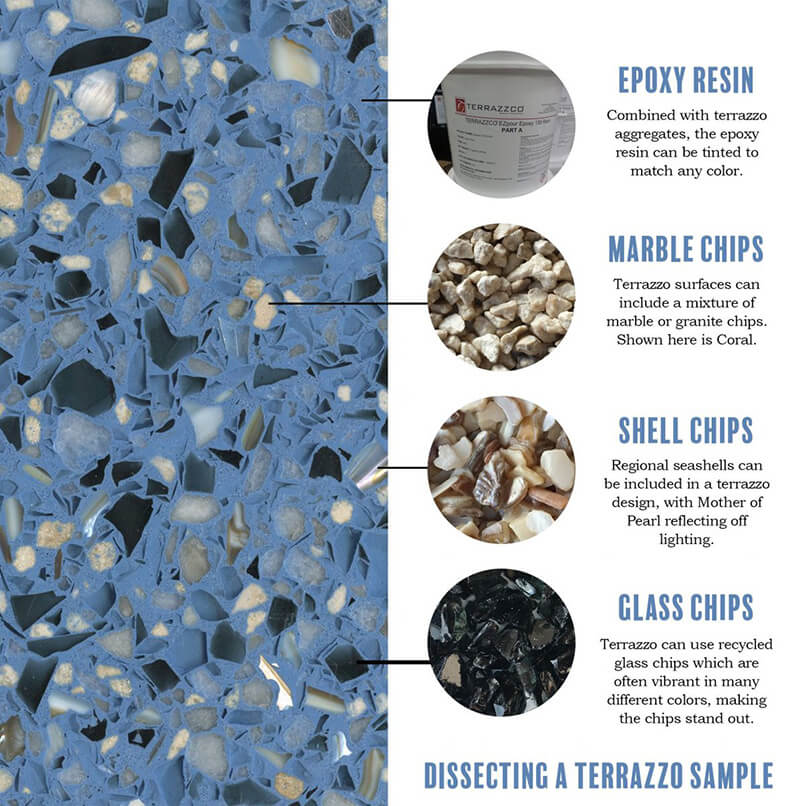
At its core, terrazzo is a composite material, poured in place or precast, consisting of chips of marble, quartz, granite, glass, or other suitable materials, mixed with a binder that can be cementitious (for traditional terrazzo) or polymeric (for modern applications). Once cured, it is ground and polished to a smooth, lustrous surface, revealing the intricate patterns and vibrant colours of the embedded aggregates. This process yields a surface that is not only visually striking but also exceptionally robust, making it a preferred choice for high-traffic areas and statement-making designs across commercial, institutional, and residential sectors. Its journey from a humble construction technique to a celebrated design element underscores its enduring appeal and its power to impart a distinct brand personality to any environment it graces.
The Enduring Legacy and Aesthetic Identity of Terrazzo
Terrazzo’s enduring appeal lies not just in its physical properties but in the rich tapestry of its history and the immediate visual impact of its unique aesthetic. It possesses a design identity that transcends eras, offering a timeless quality that resonates with both historical grandeur and contemporary minimalism.
A Rich History of Craftsmanship and Innovation
The origins of terrazzo can be traced back over 500 years to 15th-century Venice, where Venetian construction workers used discarded marble chips from upscale projects to surface their own homes. Laid in a clay base and then flattened with a hand stone, these early iterations were a resourceful and elegant solution, birthing a material that embodied both practicality and understated beauty. Over centuries, techniques evolved, incorporating cement binders and mechanical grinding, allowing terrazzo to spread beyond Venice, gaining popularity in Italy, Europe, and eventually, worldwide. This evolution speaks to its inherent adaptability and the continuous innovation in its application, solidifying its ‘brand story’ as a material born of resourcefulness, refined by craftsmanship, and proven by time. Its historical footprint in grand public buildings, iconic art deco structures, and modern architectural masterpieces lends it an undeniable prestige and a narrative of enduring quality that contemporary brands seek to align with.
Defining Characteristics: A Symphony of Aggregate and Binder
The fundamental components of terrazzo – the aggregates and the binder – are what give it its defining visual and tactile characteristics. The choice of aggregate (size, colour, material), the colour of the binder, and the ratio between them all contribute to an infinite palette of possibilities. Marble chips, with their classic veining and soft hues, create an elegant, traditional look. Quartz and granite offer bolder, more crystalline textures. Glass chips introduce a modern sparkle and transparency, often incorporating recycled content for a sustainable twist. The binder, whether a traditional grey or white cement or a vibrant epoxy resin, acts as the canvas, allowing the aggregates to pop or blend seamlessly. This interplay creates a surface that is dynamic and rich, with depth and movement, ensuring that terrazzo is instantly recognizable and always captivating. This distinctive visual identity is a critical asset for brands looking to establish a memorable and sophisticated aesthetic.
The Visual Brand: Uniqueness in Every Slab
Perhaps one of terrazzo’s most compelling attributes from a branding perspective is its inherent uniqueness. Unlike mass-produced tiles or homogeneous surfaces, every terrazzo installation, whether poured in place or precast, is bespoke. The specific mix of aggregates, the hand-crafted grinding and polishing process, and even subtle variations in application mean that no two terrazzo surfaces are ever exactly identical. This creates a sense of exclusivity and individuality, akin to a custom-tailored garment or a limited-edition artwork. For brands striving to differentiate themselves and convey a sense of bespoke quality and thoughtful design, this uniqueness is invaluable. It transforms a floor or a wall into a signature statement, an intrinsic part of a brand’s visual identity that cannot be replicated elsewhere, offering a subtle yet powerful declaration of individuality and prestige.
Terrazzo as a Strategic Design Element in Corporate Identity and Marketing
In the realm of corporate identity and marketing, every design choice, from logo to interior finishes, contributes to the overarching brand narrative. Terrazzo, with its customizability and distinctive presence, is an exceptionally potent tool for communicating a brand’s values, aesthetic, and aspirations.
Crafting Distinctive Spaces: From Commercial to Residential
Architects and interior designers leverage terrazzo to establish specific moods and identities across a spectrum of environments. In high-end retail, a custom terrazzo floor can become an immediate indicator of luxury and exclusivity, guiding customers through a brand experience. For corporate headquarters, a sophisticated, monochrome terrazzo might convey stability, professionalism, and forward-thinking design. In hospitality, vibrant, playful terrazzo patterns can create an inviting and memorable atmosphere that aligns with a hotel’s unique brand story. Even in luxury residential projects, terrazzo is employed to introduce a level of bespoke craftsmanship and architectural integrity that elevates the home’s perceived value and aesthetic appeal. The ability of terrazzo to be precisely tailored allows it to serve as a cornerstone of spatial branding, articulating a distinctive character that resonates with its intended audience.
Material Storytelling: Conveying Values Through Design
The choice of building materials is a form of silent storytelling, communicating a brand’s philosophy without uttering a single word. Terrazzo excels in this domain. A brand committed to sustainability might opt for terrazzo made with recycled glass, reclaimed stone, or local aggregates, visually demonstrating its environmental stewardship. A brand that prides itself on heritage and timeless elegance might choose a classic, fine-aggregate terrazzo reminiscent of Venetian palaces. Conversely, a tech-forward brand might select a bold, high-contrast terrazzo with metallic flecks, signalling innovation and modernity. This material storytelling is a powerful marketing tool, allowing brands to convey values such as luxury, sustainability, innovation, or tradition in a tangible, aesthetically pleasing manner that deeply integrates with their overall corporate identity.
Enhancing Brand Recognition and Recall
Iconic design elements become synonymous with the brands they represent. Think of the distinct flooring in a flagship store, the grand lobby of a famous institution, or the unique surfaces in a boutique hotel. Terrazzo, with its ability to be fully customized in terms of colour, pattern, and aggregate, lends itself perfectly to creating these memorable, brand-specific visual anchors. A unique terrazzo pattern or colour palette used consistently across a brand’s physical spaces can significantly enhance brand recognition and recall. It creates a cohesive visual experience that reinforces the brand image, making spaces instantly identifiable and unforgettable. This level of visual branding transcends mere aesthetics, becoming a strategic asset in building a strong, recognizable, and memorable brand presence in the physical world.
The Versatility of Terrazzo: Expanding Design Horizons
Beyond its historical legacy and branding prowess, terrazzo’s true strength lies in its remarkable versatility, allowing designers to push creative boundaries and integrate it into virtually any design scheme, solidifying its status as a premier material choice.
Beyond Flooring: Applications in Surfaces and Furniture
While traditionally associated with flooring, modern terrazzo has transcended this singular application. Its seamless nature and adaptability make it ideal for a myriad of surfaces: dramatic wall panels that become focal points, elegant countertops in kitchens and bathrooms, bespoke staircases that flow as monolithic sculptures, and even custom furniture pieces like tables, benches, and reception desks. This expanded range of application allows for a holistic design approach where terrazzo can unify an entire space, creating a cohesive visual narrative across different planes and functions. By extending its use beyond the floor, designers can fully immerse a space in a particular aesthetic, reinforcing the brand’s identity throughout every touchpoint.
Customization and Color Palettes: Tailoring to Brand Aesthetics
The ability to customize terrazzo is virtually limitless, making it an invaluable tool for precise brand alignment. Designers can specify exact aggregate types, sizes, and colours, then combine them with binders tinted to any conceivable hue. This level of control allows for the creation of unique colour palettes and patterns that perfectly match a corporate logo, an interior design scheme, or a brand’s signature colours. Whether the goal is a minimalist monochrome, a vibrant mosaic, or a subtle textural effect, terrazzo can be engineered to meet specific aesthetic requirements. This bespoke quality ensures that the material is not just present in a space, but actively contributes to and embodies the brand’s unique visual identity, offering unparalleled design freedom.
Combining Aesthetics with Practicality: Durability as a Brand Value
While this article primarily focuses on its design and branding aspects, it’s important to acknowledge that terrazzo’s aesthetic appeal is underpinned by robust practical benefits that indirectly contribute to its brand value. Its exceptional durability means it can withstand heavy foot traffic, making it ideal for commercial environments where longevity and low maintenance are crucial. Its non-porous surface is resistant to stains and bacteria, ensuring a hygienic and easy-to-clean solution. For brands, this translates into a tangible promise of quality, longevity, and reduced operational costs over time. Investing in a material like terrazzo, which combines high design with lasting performance, subtly communicates a brand’s commitment to quality and thoughtful investment, reinforcing its integrity and reliability.
The Modern Resurgence: Terrazzo as a Contemporary Design Icon
The journey of terrazzo is not merely one of historical preservation but also of continuous reinvention. Its recent resurgence in popularity speaks volumes about its adaptability and its potent ability to resonate with contemporary design sensibilities.
Reclaiming its Place in Contemporary Architecture
Modern architects and designers are rediscovering terrazzo, often reinterpreting it in fresh, innovative ways. Moving beyond its traditional, sometimes perceived as dated, associations, it is now being specified in minimalist settings, paired with industrial materials like concrete and steel, or celebrated in bold, maximalist statements. Its ability to create seamless, monolithic surfaces, coupled with its highly customizable aesthetic, makes it a perfect fit for the clean lines and sophisticated palettes of contemporary architecture. This re-embrace signifies terrazzo’s timeless relevance and its capacity to shed old skins, asserting itself as a thoroughly modern material for defining cutting-edge spaces.
Sustainable Design and Ethical Sourcing
In an era increasingly focused on environmental responsibility, terrazzo has found a new footing as a sustainable design choice. Modern formulations often incorporate recycled content, such as glass, porcelain, or even post-consumer plastics, making it an environmentally conscious option. Its extreme durability means fewer replacements over its lifecycle, reducing waste. Furthermore, the ability to source local aggregates can minimize transportation impacts. For brands with a strong commitment to sustainability, selecting terrazzo with recycled or locally sourced components becomes a powerful statement of ethical responsibility, aligning their physical spaces with their corporate values and enhancing their green branding initiatives.
Terrazzo in the Digital Age: Influence and Inspiration
The aesthetic of terrazzo has permeated beyond physical spaces, influencing graphic design, product packaging, fashion, and digital media. Its characteristic speckled pattern has become a popular motif, appearing on everything from phone cases and stationery to fabric prints and website backgrounds. This widespread digital and pop-culture presence further cements terrazzo’s status as a significant design trend and an iconic ‘brand’ in itself. Its recognizable texture and diverse colour possibilities offer a versatile visual language that transcends mediums, demonstrating its powerful and widespread influence as a contemporary design reference point.

Conclusion
From its resourceful Venetian origins to its current status as a global design icon, terrazzo has proven itself to be far more than just a building material. It is a chameleon of design, a canvas for creativity, and a powerful tool for brand expression. Its unique blend of historical craftsmanship, aesthetic versatility, and customizable nature allows it to articulate brand identity with unparalleled depth and sophistication. Whether subtly reinforcing corporate values, creating unforgettable visual anchors, or leading the charge in sustainable design, terrazzo actively shapes the narrative of a space and the brand it represents. In understanding “what is terrazzo,” one truly uncovers its profound capacity to define, enhance, and elevate the very essence of design and identity in the modern world.
aViewFromTheCave is a participant in the Amazon Services LLC Associates Program, an affiliate advertising program designed to provide a means for sites to earn advertising fees by advertising and linking to Amazon.com. Amazon, the Amazon logo, AmazonSupply, and the AmazonSupply logo are trademarks of Amazon.com, Inc. or its affiliates. As an Amazon Associate we earn affiliate commissions from qualifying purchases.