
In an era defined by hyper-connectivity, the ringing of a phone is no longer just a sign of a friend or family member trying to reach you. For the average consumer, it is increasingly likely to be an automated or manual outreach attempt from a third party. Telemarketer calls—a cornerstone of direct marketing—remain one of the most pervasive yet misunderstood tools in the corporate marketing arsenal. To navigate the current digital landscape, it is essential to understand exactly what these calls are, how they function, and the regulatory environment that governs them.

The Evolution of Telemarketing: From Human Interaction to Automated Systems
Telemarketing is broadly defined as the act of selling products or services over the telephone. Historically, this was a labor-intensive process involving rows of cubicles staffed by representatives dialing numbers from physical directories. Today, the landscape has shifted toward high-tech automated systems designed for maximum efficiency.
Predictive Dialers and Efficiency
Modern telemarketing relies heavily on predictive dialers. These are software systems that automatically dial lists of telephone numbers. Once a person answers, the system detects the audio signature of a human voice and instantly connects the call to an available agent. This minimizes “dead air” and ensures that employees are not spending their time dialing busy signals or disconnected lines.
The Role of VoIP and Cloud Connectivity
Voice over Internet Protocol (VoIP) has revolutionized the telemarketing industry. Unlike traditional copper-line phone systems, VoIP allows companies to place high volumes of calls over the internet at a fraction of the cost. This technology also enables “spoofing,” where a caller ID can be manipulated to show a local area code, which significantly increases the likelihood that a recipient will answer the phone. While this is a legitimate technical function, it is also a feature frequently exploited by bad actors to mimic trusted institutions or local businesses.
The Strategy Behind Telemarketing Campaigns
Telemarketing is not a random occurrence; it is a calculated element of brand strategy and lead generation. Companies utilize these calls to move prospects through the sales funnel, from initial awareness to final conversion.
Lead Generation and Data Acquisition
The effectiveness of a telemarketing campaign is entirely dependent on the quality of the data. Marketers often purchase “lead lists” from data brokers who aggregate information based on demographic data, consumer behavior, and credit history. When a consumer signs up for a sweepstakes, fills out an online survey, or registers for a warranty on a product, their contact information is often added to these databases.
Inbound vs. Outbound Marketing
It is important to distinguish between the two primary types of calls. Outbound telemarketing is the proactive act of contacting potential customers who have not yet expressed interest in the product. Inbound telemarketing, by contrast, occurs when a customer calls a company based on an advertisement or a specific marketing campaign. While outbound calls face significant regulatory hurdles, inbound calls are generally viewed as high-intent interactions that carry a higher conversion rate.
Regulatory Frameworks and Consumer Protection
Because telemarketing can often become invasive, government bodies have established strict frameworks to balance corporate marketing rights with consumer privacy. Understanding these regulations is critical for anyone interacting with the telemarketing industry.
The National Do Not Call Registry
In the United States, the Federal Trade Commission (FTC) manages the National Do Not Call (DNC) Registry. This is a list that allows consumers to opt out of telemarketing calls. While the registry is effective against legitimate businesses, it does not stop all calls. Exemptions exist for political organizations, charities, and organizations with which a consumer has an “existing business relationship.” Furthermore, the registry is largely ineffective against international scammers who operate outside the jurisdiction of federal law.
The Telephone Consumer Protection Act (TCPA)
The TCPA is the primary piece of legislation governing telemarketing behavior in the U.S. It mandates that telemarketers must provide their identity and the name of the entity on whose behalf the call is being made. Additionally, it restricts the use of pre-recorded voice messages (robocalls) to residential phone lines without prior express written consent. Failure to comply with TCPA guidelines can lead to severe financial penalties, which serves as a deterrent for reputable corporations, though it remains a “cat-and-mouse” game for illicit operators.
The Future of Outreach: AI and Personalized Communication
As technology progresses, the methods of telemarketing are undergoing another transformation. The integration of Artificial Intelligence (AI) is set to redefine how companies approach voice-based marketing.
Conversational AI Agents
We are moving away from simple pre-recorded messages toward sophisticated, AI-driven conversational agents. These systems utilize Natural Language Processing (NLP) to hold fluid, human-like conversations. A high-quality AI agent can analyze a customer’s tone, respond to objections in real-time, and personalize the sales pitch based on data points fed into the system during the call. This shift aims to reduce the “robocall” feel that alienates consumers, replacing it with a personalized, consultative approach.
Enhanced Compliance and Verification
Simultaneously, the industry is adopting new verification standards, such as STIR/SHAKEN protocols. These digital certificates help verify that a call is coming from a legitimate source and has not been spoofed. As telecom providers implement these technologies, the industry hopes to restore trust in the phone call as a medium for business-to-consumer communication.
Navigating the Telemarketing Landscape as a Consumer
For the average individual, the influx of telemarketing calls necessitates a proactive approach to digital security. Protecting one’s privacy requires more than just adding a number to a DNC registry.

Best Practices for Privacy
- Limit Data Exposure: Be cautious when sharing your phone number on social media, public forums, or suspicious websites.
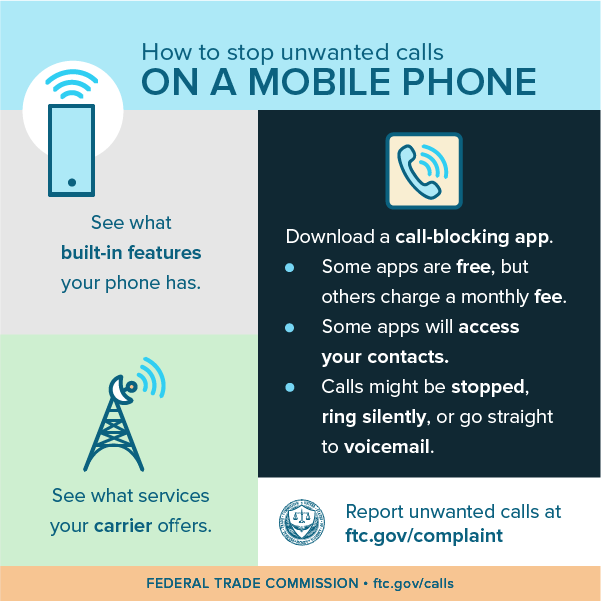
- Utilize Carrier Blocking: Most major wireless carriers now provide built-in tools that flag incoming calls as “Spam Likely” or “Telemarketer.” Enabling these features is the first line of defense.
- Third-Party Apps: Various applications can screen incoming calls and cross-reference them against global blacklists, providing an additional layer of protection against unwanted solicitation.
- Exercise Caution: Never provide sensitive personal or financial information to an unsolicited caller, regardless of how professional they sound. Legitimate companies will rarely ask for full social security numbers or credit card credentials over an outbound, unsolicited phone call.
Telemarketing remains an influential, albeit controversial, component of the global economy. It bridges the gap between massive consumer databases and targeted business offerings. While the technology behind it—from predictive dialers to AI-driven voice bots—continues to become more sophisticated, the core premise remains unchanged: the pursuit of direct human connection to facilitate commerce. By understanding the mechanisms at play and the regulations in place, consumers can better protect their time and privacy, while businesses must balance their desire for growth with the increasing demand for respectful and compliant communication. The future of telemarketing will undoubtedly belong to those companies that prioritize transparency and utilize technology to enhance the customer experience rather than simply expanding the volume of their reach.
aViewFromTheCave is a participant in the Amazon Services LLC Associates Program, an affiliate advertising program designed to provide a means for sites to earn advertising fees by advertising and linking to Amazon.com. Amazon, the Amazon logo, AmazonSupply, and the AmazonSupply logo are trademarks of Amazon.com, Inc. or its affiliates. As an Amazon Associate we earn affiliate commissions from qualifying purchases.