
In the realm of personal branding, corporate identity, and professional nomenclature, the suffixes Jr., II, III, and IV serve as critical markers of lineage and distinctiveness. While these designations are often perceived as simple additions to a legal name, they function as vital components of an individual’s professional identity, affecting everything from legal documentation to international business reputation. Understanding the specific application of these suffixes is not merely a matter of etiquette; it is an essential aspect of managing one’s personal brand equity and avoiding identity confusion in a crowded global marketplace.

The Distinction Between Generational Suffixes and Ordinals
At the core of naming conventions lies a fundamental distinction between generational identifiers like “Jr.” and “Sr.” and numerical ordinals like “II,” “III,” and “IV.” While the public often uses these terms interchangeably, professional branding standards treat them with specific technical differences.
Understanding the Role of Jr. and Sr.
The suffix “Jr.” (Junior) is exclusively used when a son is named exactly the same as his father. The father, conversely, may add “Sr.” (Senior) to his own name to differentiate himself. This is a direct, linear relationship. Crucially, the “Jr.” suffix is a tether to a specific individual; if the father passes away, the “Jr.” does not automatically become the new “Sr.” unless he chooses to adopt that designation.
In a branding context, “Jr.” signals a lineage. It implies that the individual is part of an established professional dynasty or family legacy. From a marketing perspective, this can carry weight—conveying institutional knowledge or established trust—but it can also create “shadow branding,” where the junior partner must work harder to carve out a unique professional identity independent of the namesake.
The Mechanism of Numerical Ordinals: II, III, and IV
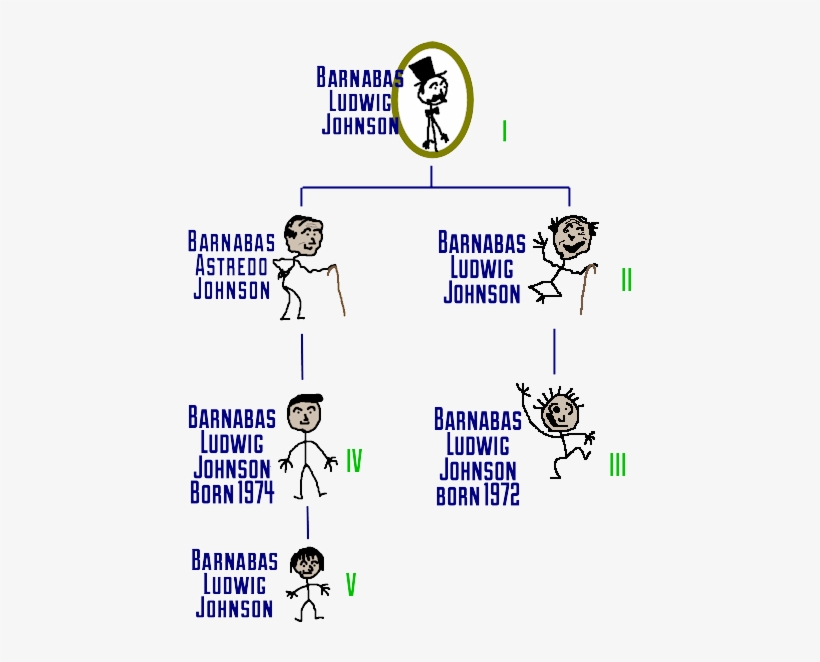
Numerical ordinals differ significantly from generational suffixes. They are not limited to the father-son relationship. An individual may carry a “II” if they are named after a relative other than their father, such as an uncle or a grandfather. Once a “II” is established, subsequent generations who share the same name typically follow in sequence with “III,” “IV,” and so on.
Unlike the “Jr.” suffix, which implies a direct relationship between two people, numerical ordinals indicate a broader, multi-generational continuity. For personal branding, these ordinals suggest longevity and deep-rooted heritage. They are frequently found in families where naming traditions are part of the corporate identity, such as in law firms, real estate development, or multigenerational family offices.
The Impact on Personal Branding and Professional Reputation
Your name is the foundational element of your personal brand. When that name includes a suffix, it becomes a permanent part of your digital footprint, business cards, and legal filings. Managing how these suffixes appear in your professional materials is essential for maintaining consistency and authority.
Eliminating Identity Ambiguity
In an era of hyper-connectivity, professional identity theft and mistaken identity are genuine concerns. A common name—for example, “John Smith”—becomes exponentially more difficult to verify when a suffix is involved. If you are “John Smith III,” failing to include the “III” on your LinkedIn profile, professional website, or published bylines can lead to “search engine fragmentation.”
When your digital brand is split between “John Smith” and “John Smith III,” you dilute your search engine optimization (SEO) value. Potential clients or employers searching for your accomplishments may find fragmented results, reducing the perceived weight of your expertise. Always standardize your name across all professional platforms to ensure that your cumulative achievements are indexed under a single, authoritative professional persona.
Navigating the “Shadow of the Namesake”
The most significant challenge for individuals with suffixes is distinguishing their own contributions from those of their predecessors. If your namesake is a prominent figure in your industry, your personal brand must balance the benefit of the family name’s reputation with the necessity of proving your own competence.
Effective branding strategies for those with suffixes include:
- Refining your professional moniker: Some individuals choose to include the suffix on legal contracts but omit it on marketing materials to appear more contemporary.
- Highlighting unique value propositions: Clearly articulate your niche and specialized skills in your executive biography to shift the focus from the lineage to your personal innovation.
- Visual branding: Use design elements and typography to differentiate your personal brand from the traditional aesthetics associated with the family name, creating a modern visual identity that signals evolution rather than mere imitation.
Legal, Financial, and Corporate Documentation Nuances
Beyond the optics of branding, the use of suffixes carries heavy weight in legal and financial domains. Mismanagement of these identifiers can result in complications regarding asset ownership, credit reports, and professional licensing.
The Legal Requirement for Consistency
In legal terms, your name as it appears on your birth certificate or legal documentation is the “source of truth.” When opening investment accounts, forming LLCs, or filing professional certifications, you must be scrupulous about your suffix usage. If you are legally known as “Robert Jones II,” attempting to sign a business contract as “Robert Jones” can create friction in document authentication and title transfers.
For high-net-worth individuals or those managing family businesses, ensuring that all corporate filings and asset titles reflect the correct suffix is a matter of administrative integrity. It prevents “entity mismatch,” a common issue where an individual is confused with a relative, potentially leading to errors in tax reporting or liability attribution.
Financial and Credit Reporting Accuracy
Your credit score and financial history are tied to your Social Security number or national identification number, but they are also indexed by name. Credit bureaus often struggle to reconcile records for family members with identical names and shared addresses.
If you share a name and a suffix sequence with a family member, it is vital to monitor your financial profile for “data cross-contamination.” Professional lenders and banks look at your comprehensive history; if your father’s financial irregularities (or those of a cousin) appear on your report due to name overlap, your ability to secure financing or insurance can be compromised. Maintaining a clean, standardized naming convention is a core component of personal financial risk management.
Strategic Decision-Making: To Use or Not to Use?
One of the most frequent questions regarding suffixes in professional branding is whether to include them in day-to-day communications. While the choice is ultimately personal, it should be a strategic one.
The Modern Minimalist Approach
In modern, creative, or tech-forward industries, there is a growing trend toward dropping suffixes in informal communication. If your personal brand is built on agility, innovation, and “disruption,” a suffix may inadvertently signal “old world” values or tradition. In these settings, it is acceptable to use your primary name on social media, emails, and casual networking events, while reserving the full legal name for contracts, legal filings, and official presentations.

The Heritage-Driven Approach
Conversely, if you operate in sectors such as private equity, law, real estate, or high-end consulting, your name is often viewed as a stamp of reliability. In these fields, the suffix is not baggage—it is an asset. It communicates that you come from a lineage of professionals and that you have a standard to uphold. In these cases, the suffix should be prominent on all materials, from your email signature to your keynote presentation slides.
Ultimately, your suffix is a tool in your brand identity toolkit. Whether you choose to highlight your lineage or emphasize your independence, the most important rule is consistency. Once you have defined how you wish to be known in the marketplace, ensure that every touchpoint—from your website to your public records—aligns with that decision. By doing so, you turn a potential point of confusion into a clear, authoritative statement of who you are and what you stand for.
aViewFromTheCave is a participant in the Amazon Services LLC Associates Program, an affiliate advertising program designed to provide a means for sites to earn advertising fees by advertising and linking to Amazon.com. Amazon, the Amazon logo, AmazonSupply, and the AmazonSupply logo are trademarks of Amazon.com, Inc. or its affiliates. As an Amazon Associate we earn affiliate commissions from qualifying purchases.