
In the vast and often complex landscape of the derivatives market, few terms are as fundamental to a trader’s success as the “strike price.” Whether you are an aspiring retail trader looking to hedge your portfolio or a seasoned investor exploring income-generation strategies, the strike price is the cornerstone upon which the entire mechanics of an options contract rests. Understanding how it works, how it influences value, and how to select the right one can mean the difference between a profitable position and a wasted premium.
Defining the Strike Price: The Foundation of the Contract
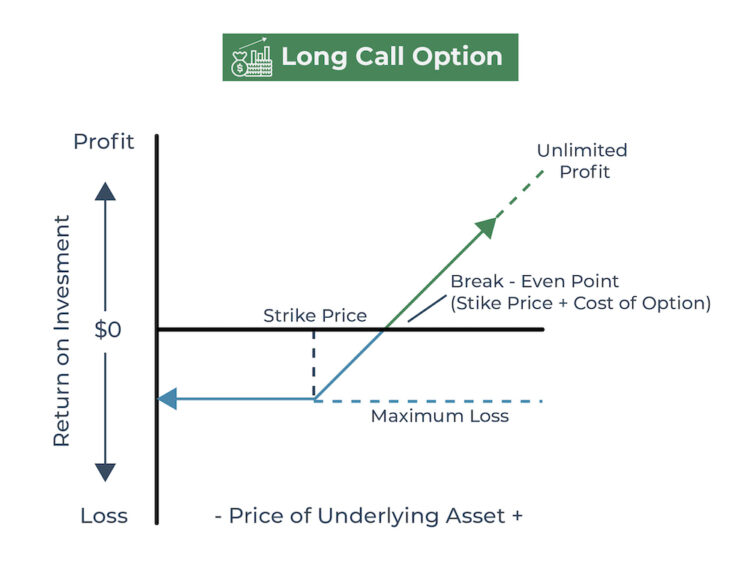
At its core, the strike price—also frequently referred to as the “exercise price”—is the predetermined price at which the owner of an option contract has the right to buy or sell the underlying asset. If you purchase an option, the strike price is the price you have locked in, regardless of what the asset is trading at in the open market when the contract is exercised.

The Mechanism of Choice
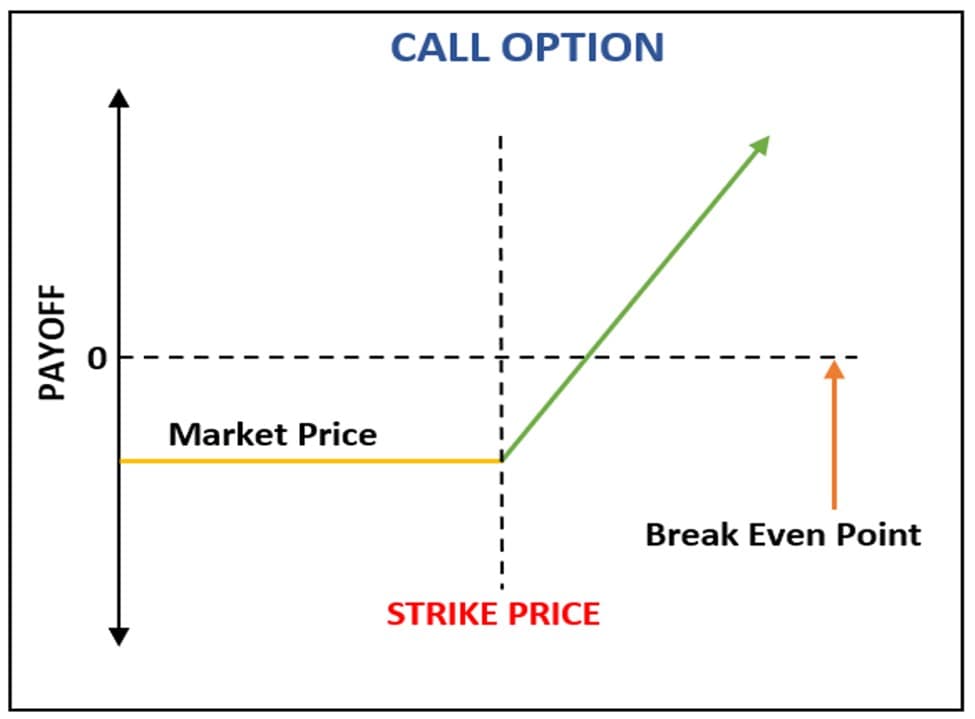
Options are contracts that provide the holder with a choice, not an obligation. If you hold a call option, the strike price represents the cost at which you can purchase the shares of a company. If you hold a put option, it represents the price at which you can sell those shares. Because these contracts have an expiration date, the strike price serves as the “target” price that the underlying asset must reach (or surpass) for the contract to become economically viable to exercise.
Relationship Between Market Price and Strike Price
The interaction between the current market price of the underlying asset and the strike price defines the “moneyness” of an option.
- In-the-Money (ITM): For a call option, this occurs when the strike price is below the current market price of the asset. For a put, it occurs when the strike price is above the current market price.
- At-the-Money (ATM): This is when the strike price is identical (or very close) to the current market price.
- Out-of-the-Money (OTM): For a call, the strike is above the market price; for a put, the strike is below the market price.
The Role of the Strike Price in Option Pricing
The strike price is one of the primary variables that determines the premium—the cost to purchase the option. While other factors like time decay (Theta), volatility (Vega), and interest rates play significant roles, the strike price anchors the intrinsic value of the contract.
Intrinsic Value vs. Extrinsic Value
The price you pay for an option is composed of two parts: intrinsic value and extrinsic value. The strike price is the direct determinant of intrinsic value.
Intrinsic value is the “real” profit that would be realized if the option were exercised immediately. For an OTM option, the intrinsic value is zero. As an option moves further ITM, the intrinsic value rises dollar-for-dollar with the underlying asset’s price movement. Understanding this helps traders avoid overpaying for contracts that have little to no practical value, ensuring that the premium paid is justified by the probability of the asset reaching the desired strike.
The Impact of Volatility
The selection of a strike price is inherently tied to your outlook on market volatility. Traders who believe a stock will remain stable might choose a strike price very close to the current market price to collect premium through selling (writing) options. Conversely, traders expecting a massive swing might choose a strike price far OTM, which is cheaper to purchase, effectively leveraging their capital for a smaller outlay.
Strategic Selection: How to Choose Your Strike
Selecting the right strike price is rarely about guessing where the stock will go; it is about managing risk and reward in alignment with your trading objectives. Different strategies necessitate different strike price selections.
The Hedger’s Perspective
For investors using options as insurance, the strike price is chosen based on the level of risk tolerance. If you own 100 shares of a stock and want to protect against a downside crash, you might purchase a put option with a strike price slightly below the current market price. This is known as a “protective put.” Here, the strike price acts as your floor; it defines the maximum loss you are willing to accept on your position.
The Income Generator
Traders who sell options (such as covered calls or cash-secured puts) look at strike prices through the lens of probability. By selling OTM options, these traders aim to capture the premium while banking on the fact that the underlying asset will not reach the strike price before expiration. In this case, the strike price is your “margin of safety.” You choose a strike far enough away from the current market price that the probability of the stock reaching it is statistically low, allowing the option to expire worthless so you can keep the entire premium collected.
The Directional Trader
If you are betting on a specific move—for example, anticipating a breakout after an earnings report—you must weigh the strike price against the “delta” of the option. Delta represents how much the option price will move for every dollar change in the underlying asset. A strike price that is deep ITM will have a higher delta, behaving more like the underlying stock itself, while an OTM strike will have a low delta, offering high leverage but a lower probability of success.
Risks and Common Pitfalls in Strike Price Selection
One of the most frequent mistakes novice traders make is “chasing” the cheapest options. Because OTM options are cheaper, they often appear more attractive. However, they are cheaper for a reason: the probability of them reaching their strike price before expiration is significantly lower.
The Time Decay Trap
Options are wasting assets. As you approach the expiration date, the time value of an option erodes. If you hold a contract with a strike price that is far OTM, you are racing against time. Even if the stock eventually hits your target, if it does so after the expiration date, your contract will expire worthless. Traders must always align their chosen strike price with a realistic timeframe for the expected move.
Over-Leveraging
The strike price dictates the leverage. Using options allows a trader to control 100 shares of a stock with a fraction of the capital required to buy the stock outright. While this provides massive profit potential, it also carries the risk of total loss. Choosing an aggressive, far-OTM strike price provides the highest leverage, but it turns the trade into a “binary” outcome—you either win big, or you lose 100% of the premium paid. Balancing the strike price with your risk management protocols is essential for longevity in the market.
Conclusion: Mastering the Strike Price
The strike price is the bridge between a market prediction and a financial reality. It is the specific point at which your expectations for the underlying asset are translated into actionable trade parameters. By mastering the relationship between the strike price, the premium, and the probability of success, traders can transition from making speculative guesses to executing calculated, data-driven strategies.
Whether you are seeking to protect your existing portfolio, generate consistent income, or capitalize on high-momentum market moves, the strike price remains your most important lever. Treat it with the respect it deserves—analyze the volatility, understand the delta, and always ensure that your chosen strike price aligns with your overall risk-to-reward philosophy. In the world of options, the strike price isn’t just a number; it is the strategic heart of your investment plan.
aViewFromTheCave is a participant in the Amazon Services LLC Associates Program, an affiliate advertising program designed to provide a means for sites to earn advertising fees by advertising and linking to Amazon.com. Amazon, the Amazon logo, AmazonSupply, and the AmazonSupply logo are trademarks of Amazon.com, Inc. or its affiliates. As an Amazon Associate we earn affiliate commissions from qualifying purchases.