
In the intricate landscape of global economics, the concept of a Special Economic Zone (SEZ) stands as a testament to strategic national development. More than just a designated geographical area, an SEZ represents a sophisticated policy instrument meticulously crafted by governments to accelerate economic growth, attract investment, and foster trade. For businesses, investors, and policymakers alike, understanding the multifaceted nature of SEZs is crucial, as they serve as dynamic incubators designed to operate under different, often more liberal, economic regulations than the rest of the country. These zones are not merely geographical demarcations; they are financial ecosystems engineered to stimulate specific economic activities, offering a suite of incentives that often translate into significant financial advantages and opportunities.

The Core Concept: Defining Special Economic Zones
At its heart, a Special Economic Zone is a geographically delineated region within a country’s national borders where economic laws and regulations differ from those applied in the rest of the country. The primary goal of establishing an SEZ is to attract foreign direct investment (FDI), boost exports, and generate employment, thereby fueling broader economic development. These zones are often characterized by a more business-friendly regulatory environment, streamlined administrative procedures, and compelling financial incentives.
A Gateway to Economic Growth
SEZs function as strategic gateways designed to open up new avenues for economic expansion. By concentrating infrastructure, resources, and specific policy advantages in a defined area, governments aim to create an attractive environment for both domestic and international enterprises. This concentrated effort allows for efficient resource allocation and targeted development, often in sectors deemed critical for national economic advancement, such as manufacturing, technology, or services. From a financial perspective, SEZs reduce the cost of doing business, enhance profitability, and mitigate risks, making them appealing to capital-intensive industries and investors seeking high returns. They effectively become isolated economic laboratories where innovative policies can be tested and refined before wider national implementation, driving a localized, yet potent, form of economic growth that reverberates throughout the national economy.
Key Characteristics and Incentives
The allure of SEZs stems from a distinct package of characteristics and incentives designed to foster an optimal business environment. These typically include:
-
Tax Holidays and Reduced Tax Rates: Companies operating within SEZs often benefit from exemptions or significant reductions in corporate income tax, customs duties, excise duties, and sales taxes for a specified period. This directly enhances their bottom line and allows for greater reinvestment.
-
Duty-Free Import/Export: Businesses can usually import raw materials, components, and machinery duty-free for manufacturing and export, significantly lowering production costs and increasing global competitiveness.
-
Streamlined Regulations: Bureaucratic hurdles are minimized, with simpler procedures for business registration, licensing, and environmental clearances, leading to faster operational setups.
-
Infrastructure Provision: SEZs typically boast world-class infrastructure, including reliable power supply, advanced telecommunications, modern transportation networks (ports, airports, highways), and dedicated industrial parks.
-
Labor Flexibility: Some SEZs offer more flexible labor laws, potentially allowing companies greater autonomy in hiring, firing, and wage negotiations, though this aspect can also be a point of contention.
-
Access to Skilled Labor: Governments often invest in training programs to ensure a ready supply of skilled labor tailored to the needs of businesses within the zone.
-
Repatriation of Profits: Companies may be granted more liberal policies regarding the repatriation of profits and dividends, assuring investors of their ability to access their returns.
These incentives collectively de-risk investment and improve financial viability, making SEZs attractive epicenters for business activity and capital deployment.
Historical Context and Evolution
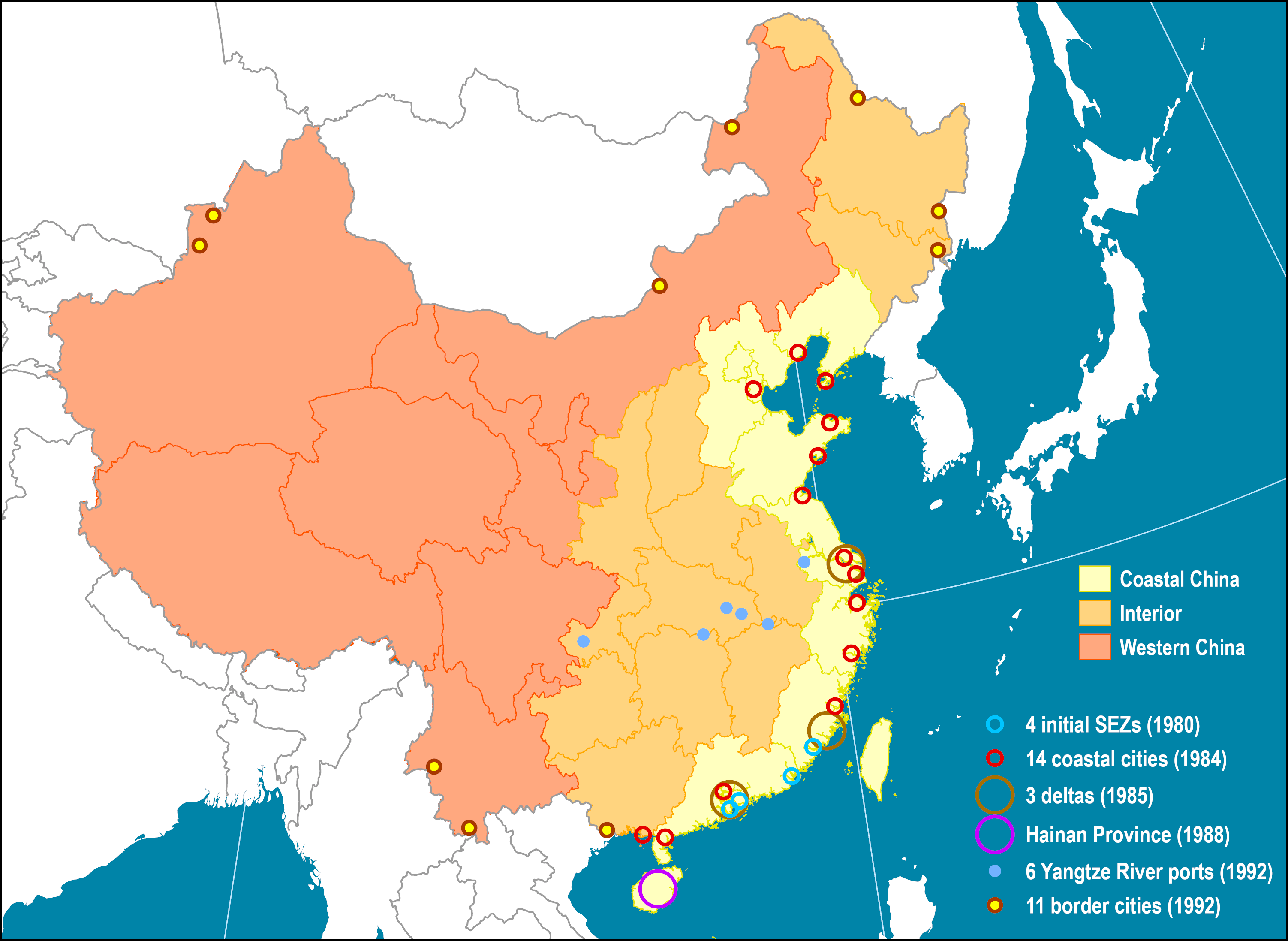
The concept of economic zones isn’t new, tracing its origins back to ancient free ports and medieval trade hubs. However, modern SEZs began to proliferate in the mid-20th century. Shannon Free Airport Development Company in Ireland (established 1959) is often cited as the first modern SEZ, designed to revitalize a remote region through duty-free manufacturing and services. The model gained significant traction, particularly in Asia, with countries like China adopting SEZs (e.g., Shenzhen, Zhuhai) as a cornerstone of their economic reforms in the late 1970s and 1980s. These zones played a pivotal role in China’s transformation into a global manufacturing powerhouse. Over time, the concept has evolved from simple export processing zones (EPZs) focused solely on manufacturing and exports, to more sophisticated, multi-sectoral SEZs that encompass technology parks, financial service centers, and tourism hubs, reflecting the diverse economic objectives of contemporary nations. The evolution signifies a shift towards broader economic integration and the creation of comprehensive ecosystems rather than just isolated manufacturing enclaves.
Why Nations Create SEZs: Driving Economic Development
Governments worldwide establish SEZs with a clear strategic imperative: to catalyze economic development. These zones are not merely an academic exercise but a practical, results-oriented approach to address various economic challenges and leverage opportunities. For nations striving for prosperity, SEZs offer a structured pathway to achieve ambitious financial and developmental goals.
Attracting Foreign Direct Investment (FDI)
One of the foremost drivers for creating SEZs is the desire to attract Foreign Direct Investment (FDI). FDI is a powerful engine for economic growth, bringing not only capital but also new technologies, management expertise, and access to international markets. SEZs are designed to be globally competitive investment destinations, offering a compelling value proposition that offsets potential disadvantages of operating in a developing economy. The combination of tax breaks, duty exemptions, and a predictable regulatory environment significantly lowers the cost of entry and operation for foreign companies, making investment more financially attractive compared to conventional domestic locations. This influx of foreign capital directly boosts a nation’s financial reserves and can lead to a more diversified and resilient economy.
Boosting Exports and Trade
SEZs are inherently export-oriented. By facilitating the duty-free import of raw materials and components, and then enabling the efficient export of finished goods, they significantly enhance a nation’s trade balance. Companies within SEZs are incentivized to produce for international markets, contributing directly to increased national export volumes. This focus on export-led growth helps countries earn foreign exchange, reduce trade deficits, and integrate more deeply into global supply chains. For businesses, the ability to operate within a favorable customs regime and access logistical efficiencies within the zone translates into improved competitiveness on the world stage, thereby increasing their revenue potential from international trade.
Job Creation and Skill Development
The establishment of new industries and the expansion of existing ones within SEZs inevitably lead to substantial job creation. These jobs range from highly skilled positions in manufacturing and technology to semi-skilled and unskilled labor, offering employment opportunities across various segments of the workforce. Beyond mere numbers, SEZs often serve as training grounds, fostering the development of new skills and expertise. The presence of international companies can introduce advanced manufacturing techniques and operational best practices, leading to a transfer of knowledge and the upskilling of the local labor force. This human capital development not only benefits the individuals employed but also strengthens the overall productive capacity of the national economy, contributing to long-term financial stability and growth.
Technology Transfer and Innovation Hubs
Modern SEZs often evolve beyond simple manufacturing to become hubs of innovation and technological advancement. By attracting high-tech companies and research and development (R&D) centers, SEZs facilitate the transfer of cutting-edge technologies and intellectual property into the host country. This exposure to advanced technologies can spur local innovation, encourage local businesses to upgrade their own processes, and foster the development of a knowledge-based economy. Governments often specifically design SEZs as ‘tech parks’ or ‘innovation zones’ with tailored incentives for R&D, patent registration, and collaboration between academia and industry. Financially, this means higher value-added production, enhanced competitiveness, and the potential for new industries to emerge, driving sustainable economic prosperity.
The Mechanics of Operation: How SEZs Function
The operational framework of an SEZ is designed to be highly functional and self-contained, often resembling a mini-economy within the larger national economy. Understanding these mechanics is essential for any business considering investment or for investors analyzing the economic potential of such zones.
Regulatory Framework and Governance
A key distinguishing feature of SEZs is their distinct regulatory framework. While they operate under national sovereignty, specific laws, rules, and administrative procedures are often relaxed, simplified, or entirely different from those governing the rest of the country. This includes separate customs administrations, labor laws, and investment regulations. Typically, a single governmental authority or a specially formed SEZ management body is responsible for overseeing the zone’s operations, acting as a one-stop shop for investors. This centralized governance aims to minimize red tape, expedite approvals, and ensure consistency in policy implementation, thereby reducing operational uncertainty and improving the ease of doing business – a critical factor for financial planning and investment decisions.
Fiscal and Non-Fiscal Incentives
The attractive nature of SEZs largely hinges on the comprehensive package of incentives offered.
-
Fiscal Incentives: These are direct financial benefits, primarily tax-related. They include exemptions from corporate income tax for a specific period (tax holidays), reduced customs duties on imported raw materials and capital goods, exemptions from local property taxes and sales taxes, and potentially even lower utility rates. These direct cost reductions significantly boost a company’s profit margins and improve its return on investment (ROI).
-
Non-Fiscal Incentives: These are non-monetary advantages that improve the business environment. They include streamlined administrative procedures, expedited customs clearances, dedicated infrastructure, access to readily available land or factory space at competitive rates, and assistance with labor recruitment and training. While not direct cash savings, these non-fiscal benefits reduce operational friction, save time, and mitigate various business risks, thereby contributing indirectly to financial efficiency and productivity.
The judicious combination of these incentives creates a powerful pull factor for capital.
Infrastructure Development and Support Services
Superior infrastructure is a hallmark of successful SEZs. Governments invest heavily in developing state-of-the-art facilities, knowing that robust infrastructure is non-negotiable for modern businesses. This includes reliable and often subsidized power supply, advanced telecommunication networks, modern roads, access to international ports and airports, and sometimes even dedicated housing and social amenities for workers. Beyond physical infrastructure, SEZs often provide comprehensive support services such as waste management, security, fire services, and business facilitation centers that assist with legal, accounting, and banking needs. This integrated approach ensures that businesses can operate efficiently and without interruption, minimizing unforeseen costs and maximizing output – a direct benefit to their financial performance.
Types of SEZs
The term “Special Economic Zone” is an umbrella concept encompassing various specialized zones, each with a slightly different focus:
-
Free Trade Zones (FTZs): Primarily focus on trade, storage, and re-export activities. Goods can be stored, manufactured, and re-exported without being subject to customs duties until they enter the domestic market.
-
Export Processing Zones (EPZs): Concentrated areas for manufacturing goods exclusively for export, often with duty-free imports of raw materials and machinery.
-
Free Ports: Larger geographical areas, often including a port, where goods can be imported, stored, and re-exported without customs intervention, offering broader scope than FTZs.
-
Industrial Parks/Estates: Designated areas with ready-built infrastructure and facilities for industrial activities, often offering common services.
-
Enterprise Zones: Focus on revitalizing distressed urban or rural areas by offering tax incentives and regulatory relief to businesses that create jobs for local residents.
-
Science and Technology Parks: Aim to foster innovation, R&D, and technology transfer, often linked to universities or research institutions.
-
Agricultural SEZs: Specialized zones focused on agricultural production, processing, and export, sometimes with specific land use and water management policies.
Each type of SEZ caters to specific economic objectives and offers tailored incentives, allowing businesses and investors to choose the zone that best aligns with their operational and financial strategies.
The Economic Impact: Successes, Challenges, and Controversies
While SEZs are powerful tools for economic development, their impact is not uniformly positive and often comes with a complex array of successes, challenges, and controversies. A balanced financial and economic assessment requires acknowledging both the benefits and potential drawbacks.
Documented Economic Benefits
Numerous case studies demonstrate the significant economic benefits of well-managed SEZs. They have proven instrumental in attracting billions of dollars in FDI, directly contributing to a country’s capital formation and balance of payments. The resulting industrialization and export growth have diversified national economies, reducing reliance on primary commodities and integrating them more deeply into global value chains. Furthermore, SEZs have been a major source of job creation, lifting millions out of poverty and contributing to improved living standards in many developing nations. The development of world-class infrastructure within these zones often spills over to surrounding areas, benefiting local communities and stimulating ancillary businesses. For national treasuries, increased economic activity eventually leads to higher tax revenues, even if direct corporate taxes are initially waived.
Common Criticisms and Potential Drawbacks
Despite the successes, SEZs face several criticisms. A primary concern is the potential for “enclave economies,” where the economic benefits remain largely confined within the zone, with limited linkages to the broader domestic economy. This can lead to a dual economy, exacerbating regional disparities. Another common criticism revolves around the “race to the bottom” in terms of labor and environmental standards, as countries compete to offer the most lenient regulations to attract investment. This can lead to exploitation of workers, poor working conditions, and environmental degradation, creating social and financial liabilities in the long run. Furthermore, the substantial fiscal incentives offered, such as tax holidays, represent a significant loss of potential government revenue, raising questions about the true net benefit, especially if the investment would have occurred anyway. There are also concerns about “footloose capital,” where companies relocate merely to chase incentives, moving once the tax breaks expire, leaving behind potential liabilities and unemployed workers. From an investment perspective, this highlights the importance of assessing the long-term sustainability and commitment of businesses within an SEZ.
Measuring Success: Key Performance Indicators
To accurately assess the financial and economic impact of an SEZ, various Key Performance Indicators (KPIs) are employed:
-
FDI Inflow: The amount of foreign capital attracted.
-
Export Volume and Value: Growth in goods and services exported from the zone.
-
Job Creation: Number of direct and indirect jobs generated.
-
Value-Added Production: The increase in the economic value of goods and services produced within the zone.
-
Technology Transfer: Adoption of new technologies and skills by the local workforce.
-
Linkages to the Domestic Economy: Degree to which SEZ businesses source inputs or sell outputs to domestic firms.
-
Infrastructure Utilization: Efficiency of developed infrastructure.
-
Government Revenue: Tax contributions (direct and indirect) from the zone over time.
-
Environmental and Social Impact Assessments: Ensuring sustainable development.
A comprehensive evaluation considering these KPIs provides a clearer picture of an SEZ’s financial viability and its broader contribution to national economic objectives, helping to inform future policy and investment strategies.
Investing in SEZs: Opportunities for Businesses and Investors
For businesses and investors, Special Economic Zones present a unique opportunity to capitalize on preferential policies and infrastructure designed for growth. However, strategic engagement requires careful consideration of the opportunities alongside a thorough risk assessment.
Strategic Considerations for Businesses
Businesses contemplating operations within an SEZ must undertake a meticulous strategic review. The decision is often driven by a quest for cost reduction, market access, and operational efficiency, all directly impacting the bottom line.
-
Cost Efficiency: The primary draw is often the fiscal incentives – tax holidays, reduced customs duties, and lower utility costs. These can dramatically lower operating expenses, increasing profit margins and improving cash flow, making the venture financially more attractive.
-
Market Access & Export Orientation: For export-oriented firms, SEZs offer streamlined processes and logistical advantages that facilitate international trade. This is particularly beneficial for companies looking to expand their global footprint or enter new markets.
-
Infrastructure & Logistics: Access to advanced infrastructure (ports, airports, reliable power, high-speed internet) minimizes logistical bottlenecks and improves supply chain efficiency, which translates into faster time-to-market and reduced operational costs.
-
Regulatory Environment: A simplified, predictable regulatory regime reduces bureaucratic delays and uncertainties, allowing management to focus on core business operations rather than navigating complex legal frameworks. This lowers compliance costs and speeds up decision-making.
-
Labor Pool & Skills: While some SEZs offer labor flexibility, businesses must also assess the availability of a skilled workforce and the long-term sustainability of labor costs. Investment in local training can be a strategic move to ensure a stable workforce.
A thorough financial projection, accounting for these benefits and potential costs, is paramount before committing capital.
Potential Returns for Investors
Investors, whether institutional or private, can find significant returns in SEZs through various avenues:
-
Direct Investment in Businesses: Investing directly in companies operating within SEZs can yield high returns due to the favorable operating environment and increased profitability. This could involve equity investments, venture capital, or private debt.
-
Infrastructure Development: Investing in the infrastructure of SEZs – such as power plants, logistics hubs, industrial facilities, or residential complexes for workers – can provide stable, long-term returns, often backed by government guarantees or long-term contracts.
-
Real Estate Development: As SEZs grow, demand for commercial, industrial, and even residential real estate often skyrockets, presenting lucrative opportunities for property developers and real estate investors.
-
Fund Investments: Specialized funds that focus on emerging markets or specific industrial sectors within SEZs allow diversified exposure to the growth potential without direct operational involvement.
The potential for higher returns must always be balanced against the specific risks associated with the host country’s political and economic stability, currency fluctuations, and regulatory changes, which are all integral parts of the financial risk assessment.
Risk Assessment and Due Diligence
Before making any investment or operational decision within an SEZ, a rigorous due diligence process is critical. This involves evaluating:
-
Political and Regulatory Stability: The long-term commitment of the host government to the SEZ policy and its political stability are paramount. Changes in government or policy can significantly alter the investment landscape.
-
Economic Viability: A thorough market analysis, assessment of the target industry, and competitive landscape within the SEZ and the broader economy.
-
Financial Projections: Realistic assessment of potential revenues, costs, and profitability, factoring in all incentives and potential tariffs/duties should the goods enter the domestic market.
-
Legal and Compliance Framework: Understanding the specific laws governing the SEZ, including labor laws, environmental regulations, and intellectual property rights.
-
Infrastructure Reliability: Ensuring that the promised infrastructure (power, water, connectivity) is genuinely reliable and sufficient for operational needs.
-
Social and Environmental Impact: Assessing the potential for reputational risk due to adverse social or environmental impacts, which can have financial consequences.
Engaging with local legal and financial advisors is essential to navigate the complexities and ensure that all aspects of the investment are thoroughly vetted, protecting financial assets and ensuring long-term sustainability.

Conclusion: The Future of Special Economic Zones in a Global Economy
Special Economic Zones have profoundly reshaped the economic landscape of numerous nations, acting as powerful engines for attracting investment, boosting exports, and creating employment. From their humble beginnings as simple export processing zones, they have evolved into sophisticated instruments of national development, fostering innovation and integrating economies into the global supply chain. For businesses and investors, SEZs offer a unique proposition: a controlled environment replete with financial incentives and infrastructural advantages designed to optimize profitability and facilitate growth.
However, the continued success and relevance of SEZs are contingent upon their ability to adapt to an ever-changing global economic environment. Future SEZs will likely emphasize sustainability, technological integration, and stronger linkages with the domestic economy to avoid the pitfalls of enclave development. The emphasis will shift towards generating higher value-added activities, fostering local innovation, and ensuring equitable distribution of benefits. As financial markets become more interconnected and competition for capital intensifies, countries that can offer transparent governance, robust regulatory frameworks, and genuine long-term value propositions within their SEZs will be best positioned to attract discerning investors and drive sustainable economic prosperity. The journey of the SEZ is far from over; it remains a dynamic and critical component of global economic strategy, continuously evolving to meet the financial and developmental aspirations of nations worldwide.
aViewFromTheCave is a participant in the Amazon Services LLC Associates Program, an affiliate advertising program designed to provide a means for sites to earn advertising fees by advertising and linking to Amazon.com. Amazon, the Amazon logo, AmazonSupply, and the AmazonSupply logo are trademarks of Amazon.com, Inc. or its affiliates. As an Amazon Associate we earn affiliate commissions from qualifying purchases.