
In an increasingly complex world, financial stability often feels like a precarious balancing act. Individuals and families constantly face a myriad of risks that can drastically alter their economic well-being: the sudden loss of a job, the onset of a debilitating illness, a disabling accident, or the natural progression into retirement. While personal savings, investments, and private insurance play crucial roles, they are often insufficient to provide a comprehensive safety net for an entire population. This is where the concept of social insurance comes into play—a cornerstone of modern financial security, designed to mitigate these collective risks through a system of shared responsibility and government oversight.

Social insurance is a government-mandated system of financial protection that pools contributions from a large number of individuals to provide benefits to those who experience specific, predetermined risks or life events. Unlike private insurance, which is often voluntary and profit-driven, social insurance is typically compulsory, non-profit, and designed to achieve broad social and economic goals, ensuring a basic level of financial security and well-being across society. It represents a collective commitment to protecting citizens from the most common and financially devastating challenges, thereby fostering a more stable and equitable society. Understanding social insurance is not merely an academic exercise; it is crucial for every citizen to grasp how these systems function, their impact on personal finance, and their vital role in the broader economy.
The Core Principles of Social Insurance
Social insurance systems are built upon a set of fundamental principles that distinguish them from other forms of financial protection and social welfare programs. These principles underpin their structure, funding, and the philosophy behind their implementation, ensuring they serve their intended purpose of collective risk mitigation.
Collective Risk Pooling and Shared Responsibility
At its heart, social insurance operates on the principle of collective risk pooling. Millions of individuals contribute a small portion of their income (often through payroll taxes) into a common fund. From this fund, benefits are paid out to the comparatively smaller number of contributors who actually experience the insured event—be it retirement, disability, unemployment, or illness. This widespread participation ensures that the financial burden of individual hardships is distributed across the entire contributing population, making the system financially viable and robust. It embodies the idea of shared responsibility, where society collectively agrees to support its members during times of need.
Compulsory Participation and Broad Coverage
A defining characteristic of most social insurance programs is compulsory participation. Unlike private insurance, where individuals choose whether to purchase coverage, social insurance often mandates contributions from nearly all eligible workers and their employers. This compulsion is critical for several reasons. Firstly, it ensures universal or near-universal coverage, preventing “adverse selection,” a scenario where only those most likely to need benefits participate, thereby driving up costs and making the system unsustainable. Secondly, it guarantees a broad and stable funding base, essential for long-term solvency. This broad coverage means that protection is extended to virtually everyone, regardless of their individual risk profile or ability to pay for private coverage.
Social Adequacy vs. Individual Equity
Social insurance programs typically strive to balance two often-competing objectives: social adequacy and individual equity. Social adequacy refers to the goal of providing a sufficient level of benefits to ensure that beneficiaries can meet their basic needs, preventing poverty and promoting a minimum standard of living. This often involves progressive benefit formulas where lower-income contributors receive a higher return on their contributions relative to higher-income earners. Individual equity, conversely, emphasizes a closer relationship between the amount an individual contributes and the benefits they receive. While social insurance rarely achieves perfect individual equity (as it’s not a savings account), it often incorporates elements that link benefits, to some degree, to an individual’s earnings history and contributions, thereby incentivizing participation and rewarding work.
Non-Profit Orientation and Public Trust
Unlike private insurance companies that aim to generate profits for shareholders, social insurance programs are non-profit entities. Their primary objective is social welfare and financial stability for the population, not profit maximization. This non-profit nature often translates into lower administrative costs relative to private insurers and ensures that all collected funds, beyond necessary operational expenses, are dedicated to paying benefits or maintaining the program’s financial health. The public administration and non-profit status of these programs are crucial for fostering public trust and confidence in the system’s ability to deliver on its promises.
Key Pillars of Social Insurance Programs
While specific programs and their names vary significantly across countries, several core categories of social insurance are almost universally recognized as essential pillars of a nation’s financial safety net. These programs address the most common and impactful financial risks faced by individuals throughout their lives.
Social Security: Retirement, Disability, and Survivors’ Benefits
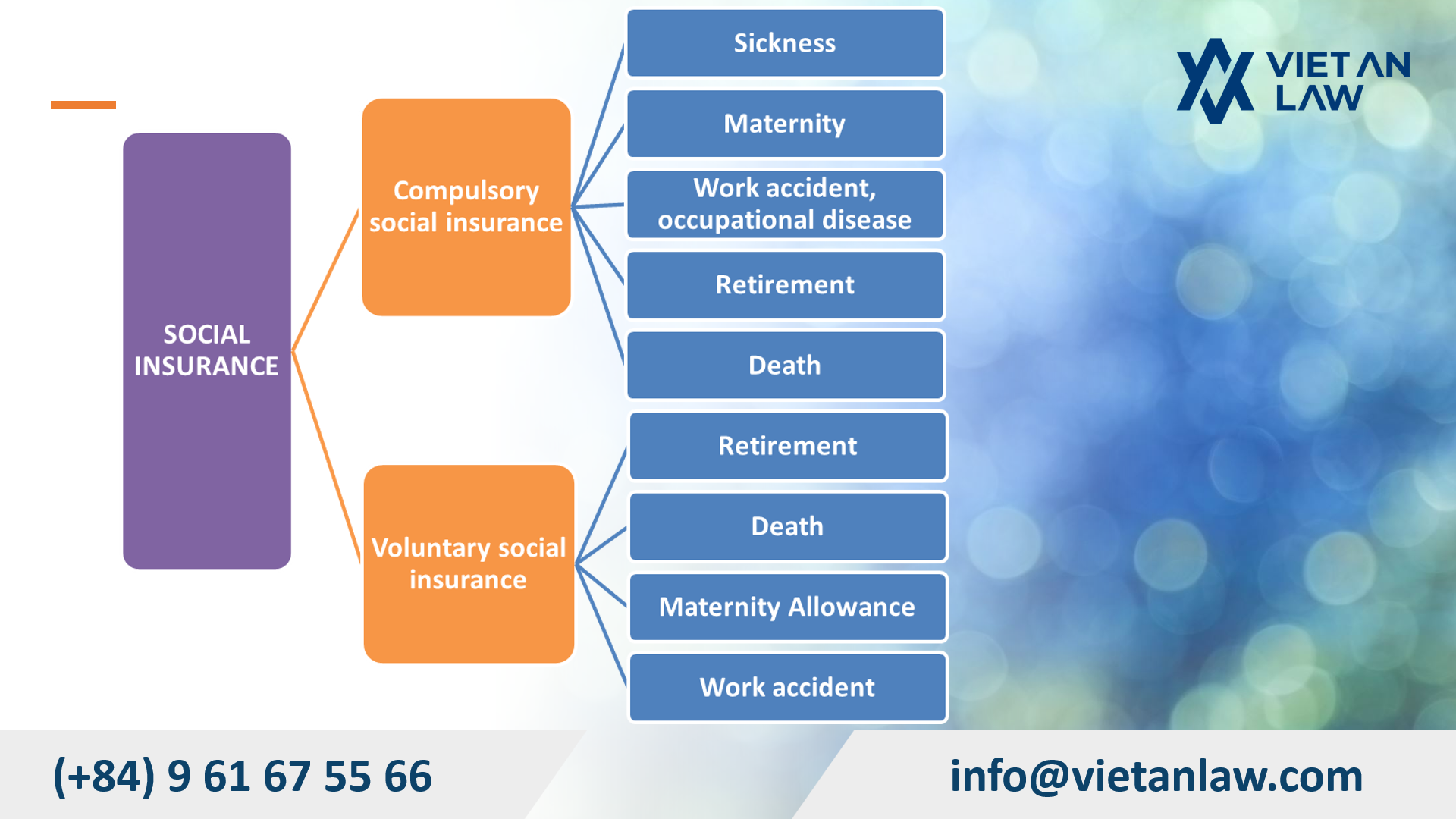
Often the largest and most well-known form of social insurance, “Social Security” (or its equivalent in other nations, such as national pension schemes) provides income to millions. Its primary components include:
-
Retirement Benefits: Providing a regular income stream to individuals who have reached a certain age and contributed to the system throughout their working lives, helping them maintain a standard of living post-employment.
-
Disability Benefits: Offering financial support to workers who become unable to engage in substantial gainful activity due to a severe physical or mental impairment, protecting them and their families from economic hardship.
-
Survivors’ Benefits: Providing financial aid to the spouses, children, or parents of deceased workers who were covered by the system, ensuring continued support for dependents. These benefits are critical in preventing poverty among vulnerable populations.
Unemployment Insurance
Unemployment insurance (UI) provides temporary financial assistance to workers who lose their jobs through no fault of their own. This critical program acts as an economic stabilizer during downturns and provides a vital bridge for individuals and families facing the sudden shock of job loss. Benefits typically last for a specified period and are designed to partially replace lost wages, allowing individuals to cover basic living expenses while they actively search for new employment. Its availability mitigates economic hardship, supports consumer spending, and helps prevent a deeper recession during periods of high unemployment.
Healthcare Programs (e.g., Medicare, National Health Services)
Access to affordable healthcare is a profound financial concern for many, and social insurance plays a significant role in addressing this. In some countries, comprehensive national health services (like the NHS in the UK) are funded through general taxation and provide universal care. In others, like the U.S., programs such as Medicare provide health insurance to the elderly and certain disabled individuals, while Medicaid offers coverage for low-income families and individuals. These programs protect against the catastrophic costs of illness and ensure that health crises do not inevitably lead to financial ruin, promoting public health and economic stability.
Workers’ Compensation
Workers’ compensation is a form of social insurance that provides wage replacement and medical benefits to employees injured in the course of employment. It also provides death benefits to the dependents of workers killed on the job. This system is typically mandated by state or national law and is funded by employers, often through insurance premiums. It ensures that injured workers receive necessary medical care and income support without having to pursue costly and time-consuming lawsuits against their employers, while also protecting employers from unlimited liability.
Funding and Sustainability: The Financial Underpinnings
The ability of social insurance programs to deliver on their promises hinges critically on their financial health. These systems rely on various funding mechanisms and robust long-term planning to ensure their sustainability across generations.
Payroll Taxes and Dedicated Contributions
The primary funding source for most social insurance programs is dedicated payroll taxes, also known as contributions. These taxes are typically levied as a percentage of a worker’s earnings, often split between the employee and the employer. For example, Social Security and Medicare in the U.S. are primarily funded through the Federal Insurance Contributions Act (FICA) tax. These dedicated contributions establish a direct link between work and eligibility for benefits, reinforcing the contributory nature of social insurance. The revenue collected through these taxes is generally earmarked specifically for the respective social insurance programs, held in dedicated trust funds.
General Revenue and Other Tax Sources
While payroll taxes are dominant, some social insurance programs or components may also be funded in part by general government revenues, which come from a broader array of taxes such as income tax, sales tax, or corporate taxes. This often occurs when programs are designed to provide a more universal safety net or when specific benefits are deemed a broader societal responsibility rather than solely tied to individual work contributions. Using general revenues can provide additional financial flexibility but can also make programs more susceptible to political budgetary fluctuations.
Trust Funds and Actuarial Soundness
Many social insurance programs manage their accumulated contributions in dedicated “trust funds.” These funds hold reserves that can be used to pay benefits, particularly during periods when annual expenditures exceed annual income (e.g., when a large cohort retires). Maintaining actuarial soundness is paramount; this involves regularly assessing the long-term financial projections of the program, considering demographic trends (birth rates, mortality rates, life expectancy), economic forecasts (wage growth, inflation), and anticipated benefit payouts. Actuaries analyze these factors to determine if current contribution rates are sufficient to meet future obligations or if adjustments are necessary to ensure the program’s solvency for decades to come.
Demographic Challenges and Reform
The sustainability of social insurance programs, especially those tied to retirement and healthcare, faces significant demographic challenges in many developed nations. Aging populations, characterized by longer life expectancies and declining birth rates, mean that fewer active workers are contributing to support a growing number of retirees and beneficiaries. This shift in the worker-to-beneficiary ratio places immense pressure on trust funds and can lead to funding shortfalls. Consequently, discussions around reform are frequent, exploring options such as raising the retirement age, increasing contribution rates, adjusting benefit formulas, or incorporating alternative funding mechanisms to ensure these vital programs remain viable for future generations.
Economic and Social Impact of Social Insurance
The influence of social insurance extends far beyond individual financial security, profoundly shaping national economies and the social fabric of societies. Its effects ripple through poverty rates, consumer spending, and even social cohesion.
Poverty Reduction and Income Stability
Perhaps the most direct and significant impact of social insurance is its role in poverty reduction. Programs like Social Security lift millions of elderly, disabled, and widowed individuals out of poverty, preventing them from falling into destitution in their most vulnerable years. Unemployment insurance provides crucial income stability during periods of job loss, preventing families from immediate financial collapse and allowing them time to regain their footing. By providing a baseline of financial support, these programs smooth consumption patterns, reduce income volatility, and ensure a minimum standard of living for those facing life’s inevitable challenges.
Economic Stimulus and Consumer Spending
Social insurance benefits are not just a handout; they act as powerful automatic economic stabilizers. During economic downturns or recessions, when private sector activity slows and job losses mount, benefits paid out through unemployment insurance and other programs provide a continuous stream of income to millions. This sustained purchasing power supports consumer demand, preventing a more severe contraction of the economy. These benefits are often spent quickly on necessities, making them highly effective in stimulating local economies and providing a critical counter-cyclical force.
Enhanced Social Cohesion and Trust
The presence of a robust social insurance system fosters a greater sense of social cohesion and trust within a society. Knowing that a safety net exists for oneself and one’s fellow citizens—that collective support will be there in times of illness, old age, or unemployment—reduces anxiety and promotes a shared sense of community. This collective responsibility can strengthen social bonds, reduce extreme inequalities, and foster a more stable and less divisive social environment. It reinforces the idea that individuals are part of a larger community that cares for its members.
Labor Market Effects and Mobility
Social insurance can also influence labor market dynamics. For instance, the availability of retirement benefits through Social Security can influence when individuals choose to retire, while disability benefits allow those severely impaired to leave the workforce with some financial security. Unemployment insurance, while providing a necessary buffer, can also affect the duration of job searches, potentially allowing individuals to search longer for a better-fitting job rather than taking the first available position out of desperation. Workers’ compensation encourages safer workplaces by incentivizing employers to minimize injuries. Overall, these programs shape workforce participation, job search behavior, and the employer-employee relationship in significant ways.
Distinguishing Social Insurance from Other Financial Concepts
To fully appreciate “what is social insurance,” it’s vital to differentiate it from other related, yet distinct, financial and social support mechanisms. Misconceptions often arise by conflating these different approaches to financial security.
Social Insurance vs. Private Insurance
The most common point of confusion is often between social insurance and private insurance. While both involve risk pooling and benefit payments, their core characteristics diverge significantly:
-
Compulsion vs. Voluntary: Social insurance is generally mandatory, ensuring broad participation. Private insurance is voluntary, purchased at an individual’s discretion.
-
Objective: Social insurance aims for social adequacy and welfare, prioritizing a basic safety net for all. Private insurance aims for individual equity and profit for the insurer, with benefits directly linked to premiums and risk assessment.
-
Funding: Social insurance is typically funded by statutory payroll taxes or general revenue. Private insurance is funded by premiums paid by the policyholder.
-
Eligibility: Social insurance eligibility is based on a contribution history and meeting specific criteria (age, disability, unemployment). Private insurance eligibility is based on meeting underwriting standards and premium payments.
-
Administration: Social insurance is typically administered by government agencies. Private insurance is administered by private companies.
Social Insurance vs. Social Welfare/Assistance (Means-Tested Programs)
Another critical distinction is between social insurance and means-tested social welfare programs (often referred to as “welfare” or “social assistance”).
-
Contributory vs. Non-Contributory: Social insurance benefits are generally considered “earned” benefits, based on an individual’s past contributions to the system. Social welfare programs, conversely, are non-contributory; eligibility is based purely on financial need (a “means test”) and is not tied to prior contributions.
-
Entitlement vs. Need: Social insurance benefits are an entitlement for those who meet the eligibility criteria and have contributed. Social welfare benefits are provided to those below a certain income or asset threshold, regardless of their work history or contributions.
-
Funding: While both may be government-funded, social insurance often has dedicated payroll taxes, whereas social welfare programs are usually funded from general tax revenues.
These distinctions highlight that social insurance is a unique and vital mechanism, bridging the gap between purely individual financial responsibility and universal, need-based social assistance. It stands as a testament to a society’s collective commitment to shared prosperity and mutual support.

Conclusion
Social insurance is far more than just a collection of government programs; it is a fundamental pillar of modern financial security and a reflection of a society’s commitment to collective well-being. By pooling risks and contributions, these systems provide critical financial protection against the most common and devastating life events, from old age and disability to unemployment and illness. Its principles of compulsory participation, social adequacy, and non-profit orientation distinguish it from private alternatives, ensuring broad coverage and a focus on societal welfare.
The economic and social impacts of social insurance are profound: it significantly reduces poverty, stabilizes economies during downturns, and fosters greater social cohesion. While facing ongoing challenges, particularly from demographic shifts, the core value and necessity of social insurance remain undiminished. As financial landscapes evolve and new risks emerge, the ability of social insurance systems to adapt and continue providing a robust safety net will be paramount, safeguarding the financial future of individuals and the stability of nations for generations to come. Understanding its mechanisms, benefits, and challenges is essential for anyone navigating the complexities of personal finance and for citizens invested in a just and secure society.
aViewFromTheCave is a participant in the Amazon Services LLC Associates Program, an affiliate advertising program designed to provide a means for sites to earn advertising fees by advertising and linking to Amazon.com. Amazon, the Amazon logo, AmazonSupply, and the AmazonSupply logo are trademarks of Amazon.com, Inc. or its affiliates. As an Amazon Associate we earn affiliate commissions from qualifying purchases.