
In the vast and intricate landscape of our digital lives, where communication, commerce, and culture converge, the concept of “shadowbanning” has emerged as a pervasive and often unsettling phenomenon. It’s a term that strikes a chord of frustration and suspicion among digital citizens, content creators, and businesses alike. Far from a simple ban, a shadowban operates subtly, cloaking a user’s content in a veil of invisibility without their explicit knowledge. This quiet suppression, executed by the very algorithms designed to connect us, represents a critical aspect of modern platform governance and user interaction. Understanding shadowbanning is not merely about deciphering a tech term; it’s about comprehending the nuanced power dynamics at play within the digital ecosystems we inhabit daily. It’s a deep dive into the algorithmic controls that shape our online experiences, dictate our reach, and ultimately influence the flow of information across the internet.
The Mechanics Behind the Veil: How Shadowbanning Works
At its core, a shadowban is a form of digital censorship or content suppression initiated by a platform, where a user’s content (posts, comments, profile) is made partially or entirely invisible to others without notifying the user. Unlike a direct ban, which explicitly removes a user or content, a shadowban creates an illusion of normal functionality for the affected user, while their reach and engagement plummet. This stealthy operation is fundamentally driven by sophisticated technological processes.
Algorithmic Suppression: How Platform Algorithms Quietly Reduce Visibility
The engine behind shadowbanning is the platform’s algorithm. These complex sets of rules dictate what content users see, in what order, and how widely it’s distributed. When an account or piece of content is shadowbanned, it’s essentially flagged by these algorithms for reduced visibility. This can manifest in several ways:
-
Feed Ranking Degradation: Posts from a shadowbanned account will appear much lower in the feeds of followers, or not at all. Platforms like Instagram, Facebook, and Twitter use ranking signals (e.g., relevance, recency, relationship) to determine feed order. A shadowban explicitly diminishes these signals for the targeted content.
-
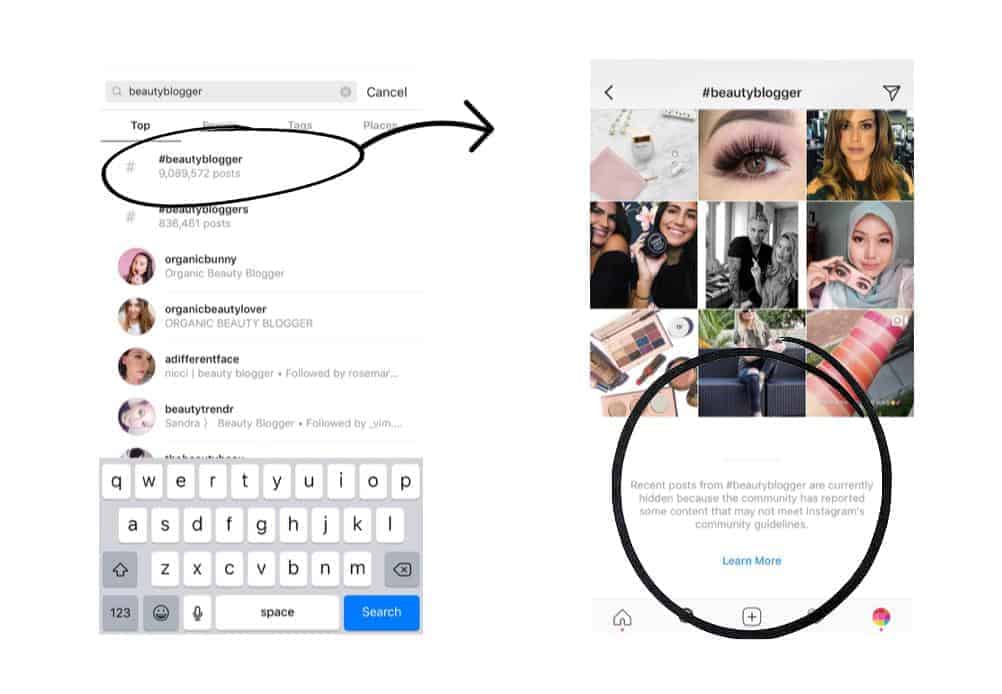
Search and Hashtag Suppression: Content may not appear in search results, hashtag feeds, or explore pages, even when directly relevant to the search query or hashtag used. This is a critical blow for discoverability, as hashtags and search are primary mechanisms for new audiences to find content.
-
Recommendation System Exclusion: Modern platforms heavily rely on recommendation engines to suggest content, accounts, and trends to users. Shadowbanned content is typically excluded from these recommendation loops, effectively cutting off a major avenue for organic growth and broader dissemination.
-
Comment and Interaction Filtering: In some cases, comments from a shadowbanned user might only be visible to them and the original poster, or they might be hidden by default for others. This stifles genuine interaction and creates a sense of isolation for the affected user.
These algorithmic actions are often driven by machine learning models trained on vast datasets of user behavior and content. When certain patterns are detected, the system may automatically initiate a shadowban, aiming to maintain a “healthy” ecosystem as defined by the platform’s internal policies.
Stealthy Enforcement: Why Platforms Opt for Shadowbans Over Outright Bans
The choice to implement a shadowban rather than a direct, transparent ban is strategic for platforms, albeit controversial. There are several technical and user experience reasons for this approach:
-
Maintaining User Engagement (and Data): An outright ban can lead to a user abandoning the platform entirely. A shadowban, however, keeps the user active (and continuing to generate data) while limiting their problematic reach. From a platform’s perspective, a semi-active user is better than no user.
-
Preventing Mass Migration: If users constantly felt unjustly banned, they might collectively migrate to alternative platforms. Shadowbanning allows platforms to control content without triggering widespread user exodus.
-
Avoiding Direct Confrontation and Transparency: A direct ban requires clear justification and opens the door for appeals and public backlash. Shadowbanning allows platforms to enforce rules without explicit communication, reducing the administrative burden and potential PR fallout. It also avoids giving “bad actors” clear instructions on how to circumvent rules, leading to a perpetual cat-and-mouse game.
-
Testing and Iteration: Algorithms are constantly being refined. Shadowbanning can serve as a soft-launch mechanism to test new content moderation rules or detect evolving patterns of abuse without immediately impacting a large number of users through hard bans.
Technical Indicators: Signs Your Content Might Be Shadowbanned
While platforms generally don’t announce a shadowban, several technical indicators can suggest your content or account is affected:
-
Sudden Drop in Reach and Impressions: A sharp, unexplainable decline in how many people see your content, even among your followers.
-
Reduced Engagement: A noticeable dip in likes, comments, shares, and saves, disproportionate to your usual activity.
-
Hashtag Performance Issues: Your posts do not appear in specific hashtag feeds when searched, especially for less popular or niche hashtags where competition is lower. Testing with an account that doesn’t follow you is crucial here.
-
Content Not Appearing in Searches: If your profile or specific posts are not discoverable through the platform’s internal search function, even when using precise keywords.
-
Analytics Discrepancies: While platforms often withhold granular data related to shadowbans, a deep dive into your own analytics (if available) might show a sudden drop in discoverability metrics (e.g., “from Explore,” “from Hashtags”).
-
External Verification: Asking friends or colleagues who don’t follow you to check if they can see your recent posts in hashtag feeds or on your profile.
Recognizing these technical signals is the first step in diagnosing a potential shadowban, allowing users to take corrective action.
Common Triggers: Why You Might Be Shadowbanned
Shadowbans are rarely arbitrary; they are usually a response to specific behaviors or content identified by platform algorithms as problematic. Understanding these triggers is crucial for anyone operating in the digital space.
Violations of Community Guidelines: The Explicit Rulebook
Every major platform publishes a set of community guidelines or terms of service. These are the explicit rules users agree to follow, and their violation is a primary trigger for various forms of content moderation, including shadowbans. From a tech perspective, algorithms are trained to identify patterns indicative of these violations:
-
Spamming: Posting excessive amounts of content in a short period, repetitive comments, unsolicited direct messages, or using automation tools to generate high volumes of low-quality content. Algorithms detect rapid, non-human-like activity.
-
Hate Speech and Harassment: Content promoting discrimination, violence, or direct attacks against individuals or groups. AI-powered content moderation systems are increasingly sophisticated at identifying keywords, phrases, and even nuanced contextual cues related to hate speech.
-
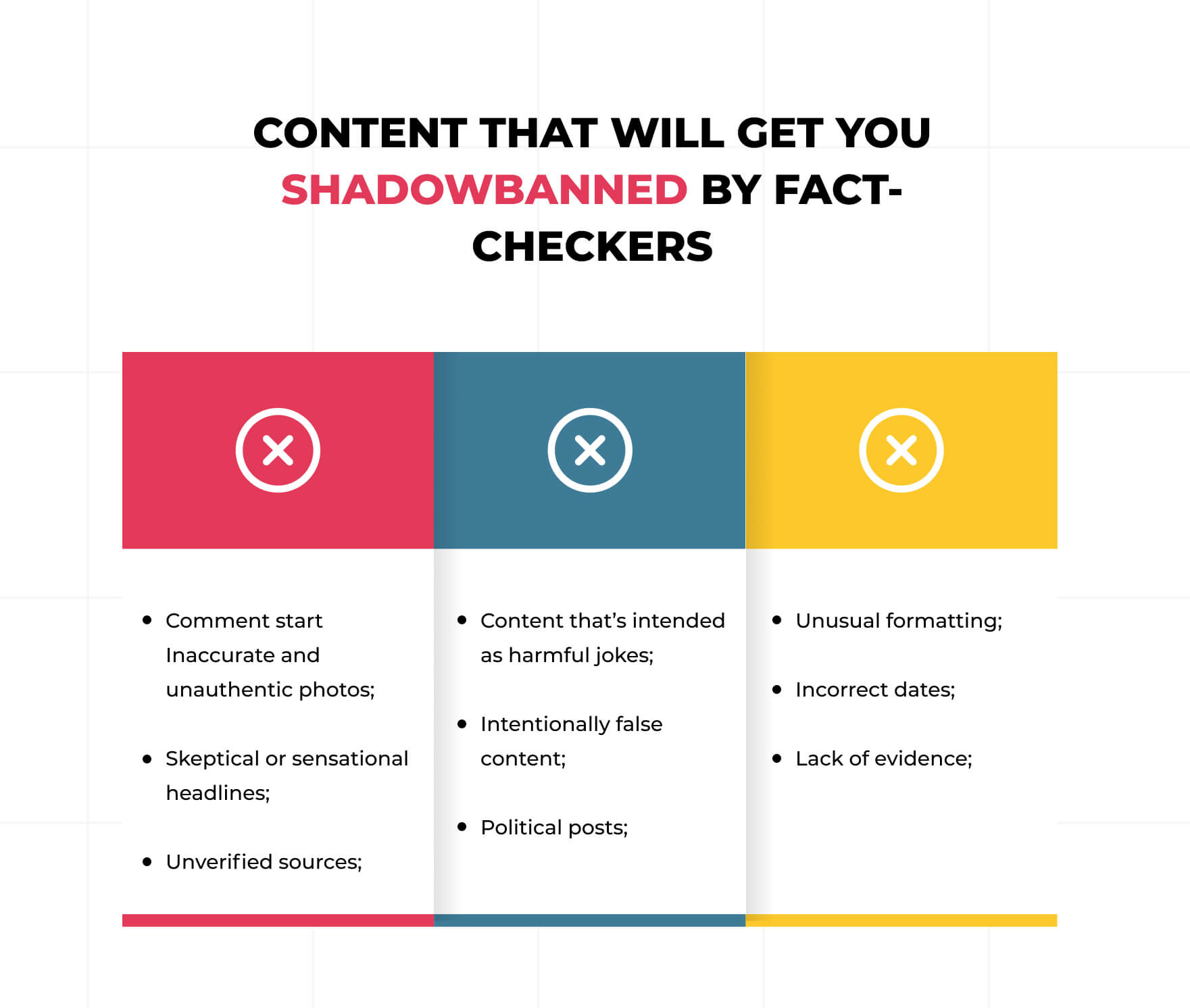
Misinformation and Disinformation: Spreading false or misleading information, especially concerning sensitive topics like health, elections, or public safety. Platforms often collaborate with fact-checkers, and their findings are fed back into algorithmic models to identify and suppress similar content.
-
Explicit or Graphic Content: Content that violates platform standards regarding nudity, violence, or gore. AI models use image and video recognition technologies to scan and flag such content.
-
Copyright Infringement: Sharing copyrighted material without permission. Digital rights management (DRM) technologies and content ID systems automatically detect and flag infringing content.
Algorithmic Flags for Suspicious Behavior: Beyond Explicit Rules
Beyond explicit guideline violations, algorithms also monitor for patterns of behavior that, while not explicitly forbidden, indicate potential manipulation or abuse. These often fall into a “grey area” but are still deemed detrimental to the platform’s ecosystem:
-
Excessive and Unnatural Activity: Rapid following/unfollowing, liking many posts in quick succession, or commenting on an unusually high number of posts. These behaviors can mimic bot activity or indicate attempts to game the system for rapid growth.
-
Use of Banned or Overused Hashtags: Employing hashtags that have been flagged as problematic (e.g., used for spam, illegal content) or are simply so saturated with low-quality content that the platform deprioritizes anything associated with them.
-
Third-Party Automation Tools: Using “bot” services for engagement, follower growth, or content scheduling that are not officially supported or explicitly forbidden by the platform. These tools often mimic human behavior but can still be detected through IP address analysis, unusual timing, or specific API calls.
-
Unusual Link Sharing Patterns: Rapidly sharing external links, especially those associated with phishing, malware, or illicit activities. Algorithms often maintain blacklists of known malicious URLs.
-
Mass Reporting: Being subjected to a high volume of reports from other users, even if the content itself doesn’t explicitly violate guidelines. While not always a direct trigger for a shadowban, it can prompt closer algorithmic scrutiny.
The Grey Areas: Controversial Content and Platform Bias
A more contentious trigger for shadowbans involves content that might be deemed “controversial” or sensitive by the platform, even if it doesn’t clearly violate a stated rule. This is where the subjective interpretation of platform policies and potential inherent biases in algorithmic design become apparent:
-
Political or Activist Content: Content critical of specific policies, governments, or corporate entities may be algorithmically deprioritized, especially if it generates high volumes of user reports or is deemed “divisive” by the platform.
-
“Edgy” or Satirical Content: Humor or satire that pushes boundaries might be misidentified by algorithms as hate speech or harassment, leading to suppression.
-
Content Against Platform Interests: While difficult to prove, some speculate that content that goes against a platform’s commercial interests or narrative might face algorithmic suppression.
The opacity surrounding these grey areas makes shadowbanning a particularly frustrating experience, as users often struggle to understand precisely what they did wrong.
Impact and Implications for Digital Ecosystems
The phenomenon of shadowbanning extends far beyond individual user frustration; it carries significant implications for the broader digital ecosystem, affecting everything from individual user experience to the very health of online discourse and commerce.
User Experience and Trust Erosion: The Psychological Toll
For the individual user, a shadowban can be deeply unsettling and erode trust in the platforms they rely on for connection and expression.
-
Frustration and Confusion: Users are left bewildered, unable to understand why their content is no longer reaching its audience. The lack of transparency means they can’t address the issue directly, leading to immense frustration.
-
Feeling Unheard and Invisible: The essence of a shadowban is to make a user’s voice disappear without them knowing. This can lead to feelings of being ignored, marginalized, or intentionally silenced, impacting mental well-being for those who rely on online interaction for social connection.
-
Distrust in Platforms: When users suspect they are being unfairly suppressed, their trust in the platform’s fairness, neutrality, and stated policies diminishes. This distrust can spread, affecting the platform’s reputation and potentially leading to user exodus.
-
Self-Censorship: Fear of being shadowbanned can lead users to self-censor, avoiding certain topics or forms of expression to ensure their content remains visible. This stifles genuine creativity and robust debate.
Content Creator and Business Challenges: The Economic and Strategic Hit
For content creators, influencers, and businesses, a shadowban is not just an inconvenience; it can be an existential threat, directly impacting their livelihood and strategic objectives.
-
Reduced Reach and Diminished Influence: The core metric for creators and businesses is audience reach. A shadowban drastically cuts this, making it impossible to grow, maintain, or even interact with their existing audience effectively. This translates to a loss of influence.
-
Difficulty in Audience Growth: Without discoverability through hashtags, explore pages, or recommendations, acquiring new followers becomes incredibly challenging, hindering brand expansion and community building.
-
Potential Revenue Loss: Many creators and businesses monetize their online presence through advertising, sponsorships, product sales, or direct subscriptions. Reduced reach means fewer eyeballs on their content, directly leading to lower ad revenue, fewer partnership opportunities, and decreased sales.
-
Impact on Marketing Campaigns: For businesses running marketing campaigns, a shadowban can derail planned promotions, product launches, and brand awareness efforts, rendering invested resources ineffective.
-
Data and Analytics Distortion: The hidden nature of a shadowban makes it difficult to diagnose performance issues accurately. Analytics might show a drop, but without knowing the cause, it’s hard to formulate effective recovery strategies.
The Debate: Platform Control vs. Free Speech
The rise of shadowbanning has intensified the ongoing global debate about platform control versus user freedom of speech.
-
Power of Centralized Platforms: Shadowbanning highlights the immense, unchecked power that a few tech giants wield over digital communication. Their algorithms act as gatekeepers, deciding whose voices are amplified and whose are muted, often without public oversight.
-
Lack of Transparency and Due Process: Critics argue that shadowbanning lacks due process. Users are punished without clear notification, explanation, or a straightforward appeals mechanism. This opacity makes it difficult to hold platforms accountable.
-
Content Moderation Dilemma: Platforms face an immense challenge in moderating billions of pieces of content daily. Shadowbanning is often framed as a necessary tool to combat spam, harassment, and misinformation at scale, without having to review every single piece of content manually. However, this efficiency comes at the cost of transparency.
-
Ethical Implications of Algorithmic Bias: If algorithms are trained on biased data or designed with specific ideological leanings, shadowbans could disproportionately affect certain viewpoints or communities, leading to systemic silencing.
The implications of shadowbanning force a critical examination of how digital platforms are governed and the delicate balance between maintaining a safe online environment and protecting user expression.
Navigating the Shadows: Strategies for Detection and Mitigation
While shadowbanning presents a formidable challenge, proactive strategies rooted in understanding platform technology and user behavior can help users detect, avoid, and potentially mitigate its effects.
Proactive Content Auditing: Staying Within Platform Guidelines
The most effective defense against a shadowban is prevention, which requires a deep understanding and consistent adherence to platform policies.
-
Regularly Review Terms of Service and Community Guidelines: Platforms frequently update their rules. Users should periodically read and internalize these documents, especially for platforms where they are highly active or reliant. Pay close attention to what constitutes “spam,” “hate speech,” “misinformation,” and acceptable use of automation.
-
Understand Platform-Specific Nuances: What’s acceptable on one platform (e.g., Reddit) might be heavily moderated on another (e.g., Instagram). Learn the specific culture and technical rules of each platform you use.
-
Self-Censor Judiciously: While frustrating, being aware of “grey areas” (controversial topics, edgy humor) and considering how algorithms might interpret them can help avoid flags. This isn’t about giving up free speech, but strategically navigating the technical landscape.
-
Avoid “Banned” Hashtags and Keywords: Keep abreast of hashtags or keywords that have been widely reported as leading to suppression. Tools and community forums often share lists of such terms.
Monitoring Engagement and Analytics: Your Digital Compass
Leveraging available data is key to early detection. Shadowbanning often manifests as a sudden drop in performance metrics.
-
Utilize Platform Insights: Most major platforms (Instagram, Facebook, Twitter, TikTok, YouTube) offer built-in analytics. Regularly review metrics like reach, impressions, follower growth, and engagement rate. Look for sudden, unexplained dips, especially in non-follower reach or discoverability sources (e.g., Explore Page, Hashtag traffic).
-
Employ Third-Party Analytics Tools: More sophisticated tools can provide deeper insights, track hashtag performance more granularly, and sometimes even offer shadowban detection features (though these are not always 100% accurate).
-
Track Hashtag Performance Manually: For specific posts, try searching for the hashtags you used from an account that doesn’t follow you. If your post doesn’t appear for even niche hashtags, it’s a strong indicator of suppression.
-
Create Test Accounts: A simple, yet effective, method is to create a secondary account that does not follow your main account. Use this test account to search for your content via hashtags or directly on your profile to see if it’s visible.
Best Practices for Content Creation and Engagement: Rebuilding Visibility
If you suspect a shadowban or want to avoid one, adopting sound digital hygiene and authentic engagement practices is critical.
-
Authentic Interaction: Focus on genuine engagement. Respond to comments, engage with others’ content meaningfully, and avoid generic or spammy comments. Algorithms prioritize authentic human interaction.
-
Vary Your Content: Don’t just post the same type of content repeatedly. Diversify your formats (images, video, text, stories) and topics to demonstrate a broad, valuable contribution to the platform.
-
Avoid Excessive Automation: While some scheduling tools are approved, steer clear of services that automate likes, follows, comments, or direct messages. These are frequently flagged as bot-like behavior.
-
Space Out Your Posts: Avoid posting too many times in a very short period. This can trigger spam filters. Distribute your content thoughtfully throughout the day.
-
Regularly Clean Up Your Account: Remove any potentially problematic old posts, comments, or spammy DMs. Unfollow inactive or suspicious accounts.
-
Engage with Your Niche Community: Actively participate in groups or communities relevant to your content. This can help organic reach and prove to algorithms that you are a valuable contributor.
The “Wait and See” Approach and Appeals: When to Step Back
Sometimes, the best course of action is to temporarily disengage or directly appeal.
-
Take a Break: If you suspect a shadowban, taking a 2-3 day (or even up to a week) break from posting and heavy activity on the platform can sometimes “reset” your account in the eyes of the algorithm.
-
Test and Observe: After a break, post one or two pieces of content and carefully monitor their performance using the analytics methods mentioned above.
-
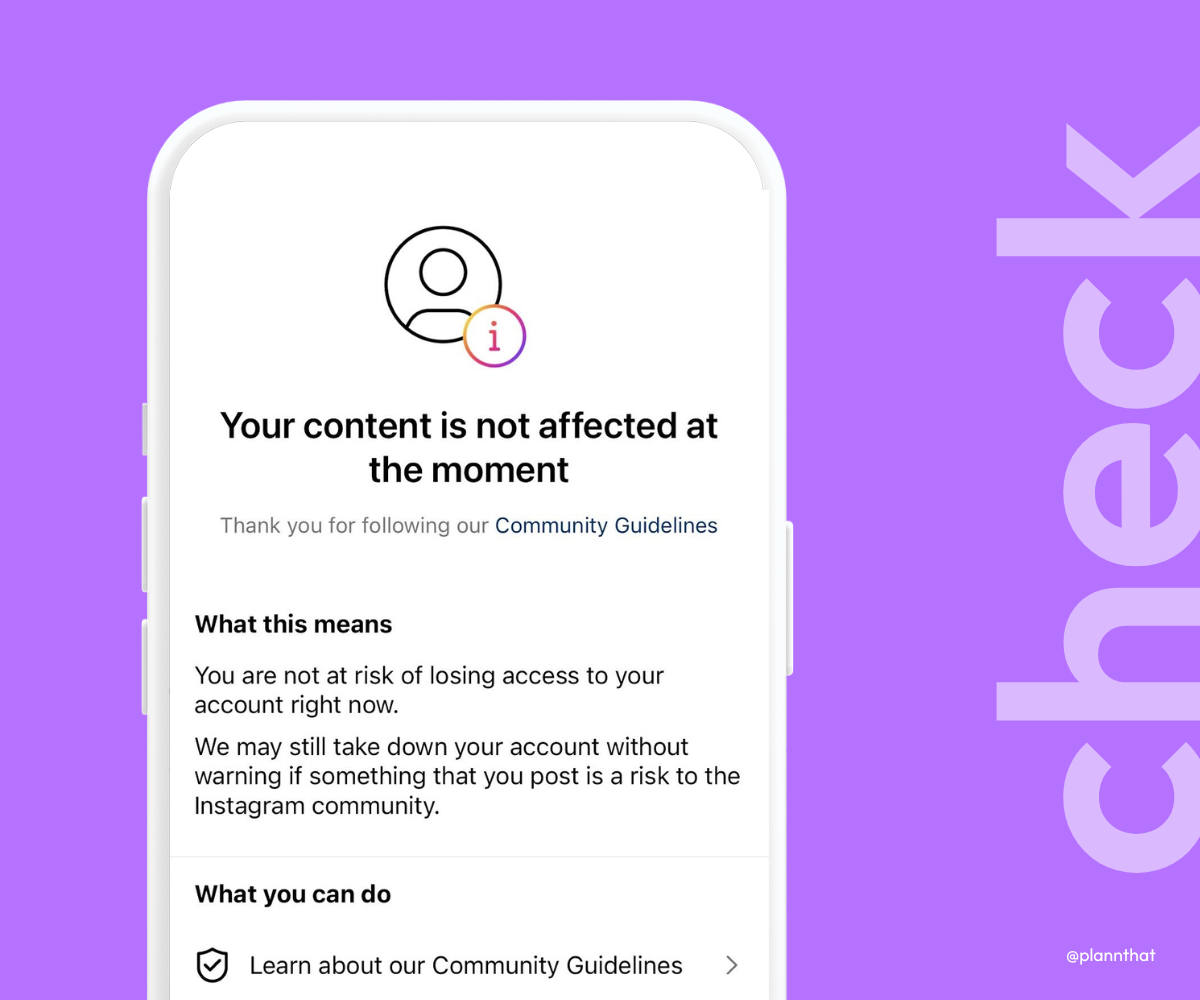
Formal Appeals Processes: If you are certain your content or account was unjustly suppressed and you can find no clear violation on your part, some platforms offer a formal “report a problem” or “appeal” mechanism. While often slow and opaque, it’s worth pursuing if other mitigation steps fail. Provide clear, concise information and evidence.
Navigating the shadowy world of algorithmic suppression requires vigilance, technical understanding, and a commitment to genuine online participation. By understanding how platforms operate and adopting best practices, users can better protect their digital presence and ensure their voices are heard.
The phenomenon of shadowbanning stands as a stark reminder of the immense power concentrated within the digital platforms that mediate much of our modern lives. It highlights the complex interplay between advanced algorithms, user behavior, and the often-opaque policies of tech giants. While platforms justify these hidden controls as necessary tools for combating spam, abuse, and misinformation, the lack of transparency inherently breeds distrust, frustrates users, and poses significant challenges for content creators and businesses reliant on digital reach.
As our digital ecosystems continue to evolve, the conversation around shadowbanning underscores the critical need for greater transparency from platforms regarding their content moderation practices, the criteria for algorithmic suppression, and clearer avenues for user recourse. For individual users, the ability to understand, detect, and strategically navigate these invisible digital censors becomes paramount. In an increasingly interconnected and algorithmically governed world, an informed and vigilant digital citizenry is the best defense against being silently erased from the public square.
aViewFromTheCave is a participant in the Amazon Services LLC Associates Program, an affiliate advertising program designed to provide a means for sites to earn advertising fees by advertising and linking to Amazon.com. Amazon, the Amazon logo, AmazonSupply, and the AmazonSupply logo are trademarks of Amazon.com, Inc. or its affiliates. As an Amazon Associate we earn affiliate commissions from qualifying purchases.