
At its simplest, sesame seed chicken is a beloved staple of Chinese-American cuisine: crispy pieces of chicken, typically deep-fried, coated in a thick, sweet, and savory sauce, and garnished generously with sesame seeds. For many, it evokes a sense of comfort, familiarity, and the satisfying aroma of a Friday night takeout. Yet, to truly understand “what is sesame seed chicken” in the context of modern commerce and consumer perception, one must look beyond its ingredients and preparation methods. This iconic dish, perhaps unwittingly, has cultivated a distinct and powerful brand identity within the expansive culinary landscape, a brand that restaurants and food service providers strategically leverage, differentiate, and sustain.
In an era where every product, service, and even concept vies for attention, sesame seed chicken stands as a testament to the organic evolution of a culinary brand. It represents a particular promise to the consumer – a specific taste experience, a certain level of indulgence, and a reliable choice. This article delves into the multi-faceted brand of sesame seed chicken, exploring its core elements, its strategic market positioning, how establishments differentiate their offerings, and the marketing efforts that reinforce its enduring appeal. By examining this dish through a branding lens, we gain insight into the nuanced dynamics of culinary identity and consumer engagement.
The Core Brand Elements of Sesame Seed Chicken
Like any successful brand, sesame seed chicken possesses a set of fundamental characteristics that form its intrinsic identity. These elements are what consumers recognize, expect, and desire, creating a foundation upon which individual restaurants can build their unique interpretations. Understanding these core attributes is crucial to comprehending its widespread appeal and its resilience as a culinary “product.”
Flavor Profile as a Brand Signature
The most defining feature of sesame seed chicken, and arguably its strongest brand asset, is its distinctive flavor profile. It’s a masterful balance of sweet, savory, and tangy, often with a subtle hint of spice. The sauce, typically a glaze reduction, is rich and coats each piece of chicken beautifully. This specific combination creates a highly memorable “taste brand” that is instantly recognizable. The satisfying crunch of the crispy chicken exterior, giving way to tender meat, adds a textural dimension that further enhances the eating experience. Furthermore, the unmistakable nutty aroma and taste of toasted sesame seeds are not merely a garnish but an integral part of this sensory signature, contributing significantly to the dish’s overall brand recognition. Deviate too much from this established profile, and the dish risks losing its core identity, akin to a brand diluting its signature product.
Visual Appeal and Presentation
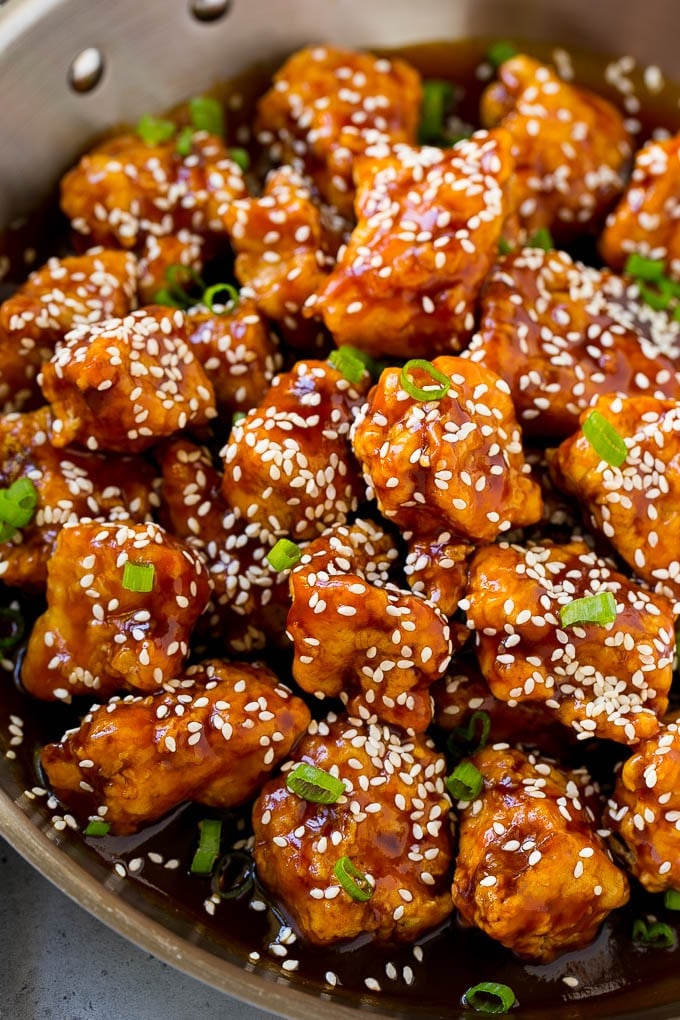
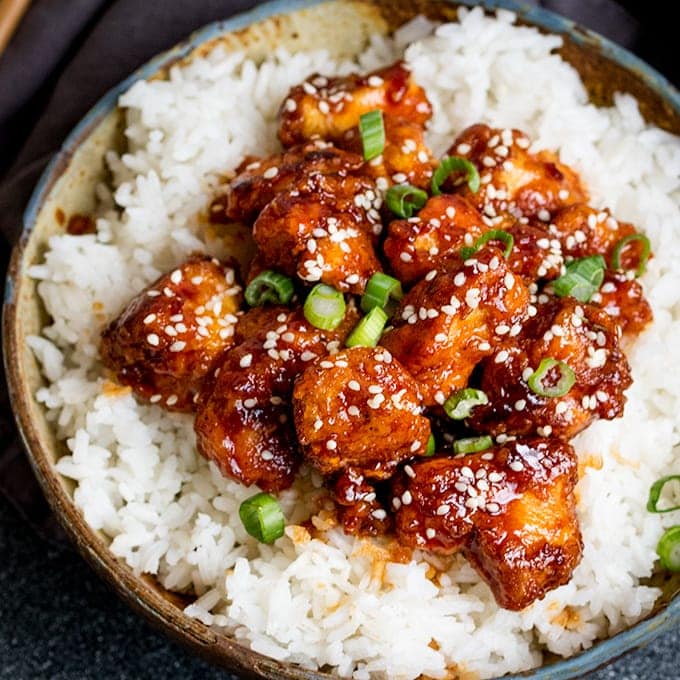
Beyond taste, the visual identity of sesame seed chicken plays a critical role in its brand allure. The dish typically presents as golden-brown pieces of chicken, glistening under a sticky, amber-hued sauce, generously sprinkled with white (or sometimes black) sesame seeds. Often served with a side of white rice, this visual consistency contributes to its “brand recognition” in menus and advertisements. It signals warmth, heartiness, and indulgence. For establishments, maintaining this visual standard is paramount, as presentation contributes significantly to perceived quality and reinforces the consumer’s expectation of the “sesame seed chicken experience.” A well-presented dish enhances anticipation and enjoyment, solidifying its place in the consumer’s culinary memory.
Cultural Resonance and Familiarity
Sesame seed chicken is more than just a recipe; it’s a cultural touchstone within Chinese-American cuisine. It occupies a space in the collective consciousness as a quintessential comfort food, often associated with family meals, celebratory gatherings, or simply a convenient and satisfying takeaway option. This deep cultural resonance imbues the dish with a powerful emotional brand connection. Consumers aren’t just ordering chicken; they’re ordering a memory, a tradition, or a reliable source of culinary comfort. This familiarity translates into trust and repeat business, a clear indicator of a strong brand relationship. Its ubiquitous presence on menus across North America has solidified its status, making it a safe and predictable choice for a wide audience.
Market Positioning: How Sesame Seed Chicken Sits in the Culinary Landscape
Every successful brand carves out a specific niche within its market, defining its place relative to competitors and consumer needs. Sesame seed chicken, despite being a dish rather than a corporation, masterfully occupies a well-defined position, contributing to its sustained popularity and commercial viability.
Accessibility and Mass Appeal
One of sesame seed chicken’s greatest strengths lies in its broad accessibility and mass appeal. It’s a dish that transcends specific age groups, dietary preferences (within its category), and culinary adventurousness. Its familiar ingredients and universally appealing flavor profile make it a safe bet for diverse palates, from children to adults. This wide demographic reach positions it as a go-to option for group orders, family dinners, and individuals seeking a satisfying meal without venturing into unfamiliar territory. Restaurants benefit from its ability to appeal to a large segment of their customer base, making it a reliable revenue generator.
Value Proposition
In the competitive food service industry, perceived value is a significant driver of consumer choice. Sesame seed chicken often offers a compelling value proposition. It is typically served in generous portions, providing a fulfilling meal that feels substantial. Compared to some more elaborate or gourmet options, it often represents an affordable indulgence. This combination of satisfying portion sizes, delicious flavor, and reasonable pricing positions it as an excellent choice for consumers seeking both quality and quantity, reinforcing its brand as a smart and gratifying purchase. For many, it represents tangible “bang for their buck.”
Category Association
Sesame seed chicken holds a strong association with specific dining categories: primarily takeout, delivery, and casual dining. It is a cornerstone of Chinese restaurants, both quick-service and full-service, and increasingly features in food court offerings and online ghost kitchens. This clear category association simplifies consumer choice; when thinking of these dining scenarios, sesame seed chicken readily comes to mind. This strong linkage means that it effectively “owns” a significant share of mind within these segments, providing a built-in advantage over dishes that lack such defined placement. Its presence on a menu immediately signals a certain type of dining experience.
Strategic Branding: Differentiating Your Sesame Seed Chicken Offering
While the core brand elements of sesame seed chicken provide a solid foundation, successful restaurants understand the importance of differentiation. In a crowded market, simply offering “sesame seed chicken” isn’t enough; establishments must strategically brand their version to stand out, attract new customers, and retain loyal ones.
Recipe Innovation and Customization
Differentiation often begins with the recipe itself. While adhering to the classic flavor profile, chefs can introduce subtle innovations. This might include varying the sauce’s sweetness or tanginess, incorporating different types of chili for a spicy kick, or experimenting with alternative breading for a distinct crunch. Some establishments offer healthier alternatives, such as baked or air-fried chicken, or incorporate organic ingredients to appeal to health-conscious consumers. By creating a unique “signature” version, restaurants craft a unique “sub-brand” of sesame seed chicken that allows them to market a distinct experience. This might involve highlighting a “secret family recipe” or a “chef’s special” blend of spices.
Sourcing and Quality Messaging

Highlighting the quality of ingredients is a powerful branding tool. Restaurants can differentiate themselves by emphasizing premium chicken (e.g., free-range, antibiotic-free), fresh vegetables, or house-made sauces from scratch rather than pre-made mixes. Messaging around local sourcing, sustainable practices, or all-natural ingredients can resonate strongly with discerning consumers. This focus on quality elevates the perceived value of the dish, positioning it as a superior offering compared to competitors that might use standard ingredients. It builds a brand reputation around integrity and culinary excellence, translating directly into customer trust.
Presentation and Packaging
The dining experience extends beyond the taste, encompassing how the dish is presented and, particularly for takeout, how it’s packaged. Thoughtful presentation, whether it’s an artful plating in a sit-down restaurant or innovative, leak-proof, and aesthetically pleasing packaging for delivery, enhances the customer’s overall impression. Custom branding on takeout containers, eco-friendly packaging materials, or even unique serving dishes can elevate the sesame seed chicken from a mere meal to a carefully curated experience. This attention to detail reinforces the restaurant’s commitment to quality and enhances the perceived “brand” of their specific offering.
Narrative and Storytelling
Humans are drawn to stories, and culinary narratives can be incredibly compelling. Restaurants can create a distinct brand around their sesame seed chicken by sharing its story: perhaps it’s a cherished family recipe passed down through generations, a dish perfected over decades by a master chef, or an ode to a specific regional influence. This storytelling adds a layer of authenticity, emotion, and uniqueness to the dish, transforming it from a generic menu item into an offering with personality and heritage. This narrative helps build an emotional connection with consumers, making their specific sesame seed chicken choice feel more personal and meaningful.
Marketing and Consumer Perception: Reinforcing the Sesame Seed Chicken Brand
Effective marketing is crucial for reinforcing the brand identity of sesame seed chicken and influencing consumer perception. From menu design to digital engagement, every touchpoint contributes to how the dish is seen and desired.
Menu Placement and Description
Strategic menu placement and evocative descriptions are fundamental marketing tools. Placing sesame seed chicken prominently on the menu, perhaps under “House Specialties” or “Chef’s Recommendations,” immediately elevates its status. The language used in its description — words like “golden-crisp,” “sticky-sweet glaze,” “perfectly balanced,” or “customer favorite” — can significantly enhance its appeal and set expectations. Highlighting unique aspects, such as “our secret 12-spice sauce” or “crispy premium chicken breast,” further differentiates the offering and draws attention to its unique brand features.
Digital Presence and Reviews
In the digital age, a strong online presence is indispensable. High-quality photography of the dish on websites, social media platforms, and delivery apps is critical for visual appeal. Encouraging and responding to customer reviews on platforms like Yelp, Google, and OpenTable also plays a vital role. Positive reviews act as powerful social proof, reinforcing the dish’s brand reputation and driving new customers. User-generated content, such as customers sharing photos of their sesame seed chicken on Instagram, serves as authentic brand endorsement, expanding its reach organically. Engaging with these digital conversations allows restaurants to actively manage and enhance the perception of their sesame seed chicken brand.
Promotions and Bundling
Strategic promotions and bundling can further reinforce the sesame seed chicken brand. Offering it as part of a limited-time special, a value meal, or a family combo encourages trial and repeat purchases. Pairing it with complementary items like fried rice, egg rolls, or soup can increase the perceived value and introduce customers to other aspects of the restaurant’s brand. Loyalty programs that offer discounts or free sesame seed chicken after a certain number of purchases build customer retention and foster a sense of appreciation, deepening the brand relationship.
The Future of a Classic: Evolving the Sesame Seed Chicken Brand
Even a classic like sesame seed chicken must evolve to remain relevant in a dynamic culinary landscape. Future branding strategies will likely involve adapting to emerging trends and shifting consumer values.
Health and Wellness Trends
With growing consumer emphasis on health and wellness, the sesame seed chicken brand will need to adapt. This could mean more widespread availability of lighter versions (e.g., baked, grilled), lower-sugar sauces, or options with more vegetables. Restaurants that can successfully marry the classic, beloved flavor profile with healthier preparation methods will capture a significant segment of the market, ensuring the dish’s longevity. This involves a delicate balancing act to maintain the core indulgence while offering more virtuous choices.
Global Expansion and Localization
While deeply rooted in Chinese-American cuisine, sesame seed chicken’s universal appeal suggests potential for broader global expansion. Adapting the dish to local palates and ingredient availability in different international markets could open new avenues. For instance, incorporating local spices or serving styles while retaining the essence of the sweet-savory chicken could lead to localized “sub-brands” that resonate with diverse audiences, much like how many American fast-food brands adapt to international tastes.
Sustainability and Ethical Sourcing
As consumers become more environmentally and ethically conscious, aligning the sesame seed chicken brand with sustainability and responsible sourcing will become increasingly important. Highlighting the use of humanely raised chicken, sustainable packaging, or eco-friendly kitchen practices can enhance the brand’s appeal to a new generation of diners who prioritize purpose-driven consumption. This involves transparent communication about the supply chain and a genuine commitment to ethical operations.
Conclusion
“What is sesame seed chicken?” is a question that, when viewed through the lens of branding, reveals far more than just a recipe. It unveils a complex interplay of sensory appeal, cultural significance, strategic positioning, and diligent marketing efforts. This iconic dish has, over decades, organically cultivated a powerful and recognizable brand identity that resonates deeply with consumers. Its core flavor profile, visual distinctiveness, and comforting familiarity form the bedrock of its brand equity.
For restaurants and food businesses, understanding and strategically managing the “sesame seed chicken brand” is key to success. By differentiating their offerings through innovative recipes, quality sourcing, thoughtful presentation, and compelling narratives, establishments can elevate their version of this classic dish from a mere menu item to a unique culinary experience. Furthermore, leveraging digital platforms, engaging with customer feedback, and adapting to evolving consumer trends will ensure the enduring legacy and continued evolution of the sesame seed chicken brand in the ever-competitive food industry. Ultimately, it stands as a prime example of how even the simplest dish can achieve lasting brand status through consistent quality and a deep connection with its audience.
aViewFromTheCave is a participant in the Amazon Services LLC Associates Program, an affiliate advertising program designed to provide a means for sites to earn advertising fees by advertising and linking to Amazon.com. Amazon, the Amazon logo, AmazonSupply, and the AmazonSupply logo are trademarks of Amazon.com, Inc. or its affiliates. As an Amazon Associate we earn affiliate commissions from qualifying purchases.