
The name Red Bull is synonymous with energy, extreme sports, and the iconic slogan, “Gives You Wings.” Yet, beneath the vibrant branding and high-octane marketing lies a meticulously crafted product whose ingredients form the very bedrock of its global success and enduring brand identity. Understanding “what Red Bull is made of” isn’t merely a dive into a nutritional label; it’s an exploration into the strategic formulation that underpins a multi-billion dollar brand, dictating its taste, functional promise, market positioning, and ultimately, its powerful connection with consumers worldwide. This article will dissect the core components of Red Bull, examining how each ingredient contributes to the brand’s unique profile and its sustained dominance in the competitive energy drink market.

The Foundational Pillars: Key Active Ingredients and Brand Promise
At the heart of Red Bull’s functional appeal and its brand narrative are several key active ingredients, each playing a crucial role in delivering the “energy” experience that consumers seek. These aren’t just additives; they are strategic choices that define the product’s efficacy and contribute directly to the brand’s “performance” promise.
Caffeine: The Core of Energy and Alertness
Caffeine is, without a doubt, the undisputed star of Red Bull’s ingredient list and the primary driver behind its invigorating effects. As a central nervous system stimulant, caffeine is responsible for the increased alertness, improved concentration, and reduced perception of fatigue that consumers associate with the drink. For Red Bull, caffeine isn’t just an ingredient; it’s the engine that powers the “Gives You Wings” mantra. Each 250 ml can of Red Bull contains 80 mg of caffeine, a level comparable to a cup of home-brewed coffee. This precise dosage is a strategic branding decision, offering a consistent and predictable energy boost that aligns with consumer expectations for an energy drink, distinguishing it from coffee’s varying strengths while clearly positioning Red Bull as a reliable source of functional uplift. The ubiquity of caffeine in daily life means consumers are familiar with its effects, lending immediate credibility to Red Bull’s core promise and facilitating its integration into active lifestyles.
Taurine: A Distinctive Branding Element
Beyond caffeine, taurine stands out as another signature ingredient in Red Bull, often sparking curiosity and discussion. An amino sulfonic acid, taurine is naturally occurring in the human body and is involved in various metabolic processes, including bile salt formation and brain development. While its precise contribution to the “energy” effect in beverages is often debated in scientific circles, its presence has become a distinctive branding element for Red Bull. When Red Bull first launched, taurine was a relatively unknown compound to the general public, making its inclusion a unique selling proposition. The brand successfully integrated taurine into its mystique, suggesting a synergistic effect with caffeine and other ingredients that amplified the drink’s benefits. This deliberate choice of a somewhat exotic ingredient helped differentiate Red Bull from traditional sodas and even other caffeinated beverages, establishing it as a more sophisticated, purpose-built “performance” drink. Despite some historical controversies and misconceptions surrounding taurine, Red Bull has steadfastly maintained its inclusion, underscoring its commitment to the original, effective formula and reinforcing its unique brand identity.
B-Vitamins: The Functional Wellness Aspect
Rounding out the active ingredients are several B-vitamins, including Niacin (B3), Pantothenic Acid (B5), Vitamin B6, and Vitamin B12. These water-soluble vitamins are essential co-factors in various metabolic pathways, particularly those involved in energy production within the body. Their inclusion in Red Bull subtly reinforces the brand’s functional wellness aspect. While they don’t provide an immediate “kick” like caffeine, their presence supports the broader brand message of mental and physical performance. By including B-vitamins, Red Bull taps into a consumer desire for products that offer more than just a momentary boost, suggesting a more holistic contribution to energy metabolism. This aligns with a growing market trend where consumers look for added nutritional benefits, even in indulgent or functional beverages. The B-vitamins thus serve to enhance the drink’s perceived value and underscore Red Bull’s commitment to a formulation designed for overall vitality and sustained performance, a key element in its corporate identity.
The Flavor Profile and Brand Variants: Sugars, Sweeteners, and Water
While the active ingredients provide the functional punch, the taste profile is what makes Red Bull palatable and encourages repeat consumption. The careful balance of sweetness, acidity, and carbonation, alongside the strategic development of variants, plays a critical role in broadening the brand’s appeal and market penetration.
Sucrose and Glucose: The Original Taste and Energy Source
The original Red Bull formula relies on a blend of sucrose (table sugar) and glucose (a simple sugar) for its characteristic sweetness and a readily available source of caloric energy. This sugar content is integral to the classic Red Bull taste, which is often described as sweet, slightly tart, and unique. From a branding perspective, this original taste profile is a fundamental part of the Red Bull experience – it’s instantly recognizable and deeply ingrained in the minds of long-time consumers. The sugars also contribute to the “energy” promise by providing carbohydrates that the body can quickly convert into fuel. This rapid energy provision complements the stimulant effects of caffeine, creating a comprehensive energy boost. Maintaining this consistent taste across global markets is a critical aspect of Red Bull’s brand strategy, ensuring that the core product experience remains uniform and familiar, no matter where it is consumed.
Diversification with Artificial Sweeteners: Expanding the Brand’s Appeal
Recognizing evolving consumer preferences and the growing demand for lower-sugar options, Red Bull strategically expanded its product line to include “Sugarfree” and “Zero” variants. These versions replace sucrose and glucose with artificial sweeteners such as aspartame, acesulfame K, and sucralose. This innovation was a crucial move for the brand, demonstrating its agility and responsiveness to market trends without compromising its core identity. By offering sugar-free alternatives, Red Bull successfully broadened its market segment, appealing to health-conscious consumers, individuals managing their calorie intake, and those with dietary restrictions. This expansion didn’t dilute the main brand; instead, it reinforced Red Bull’s commitment to accessibility and choice, allowing more people to “get wings” without the added sugar. The challenge was to replicate the distinctive Red Bull taste as closely as possible, a feat that, while never perfectly identical, was achieved sufficiently to maintain brand loyalty across the new offerings.
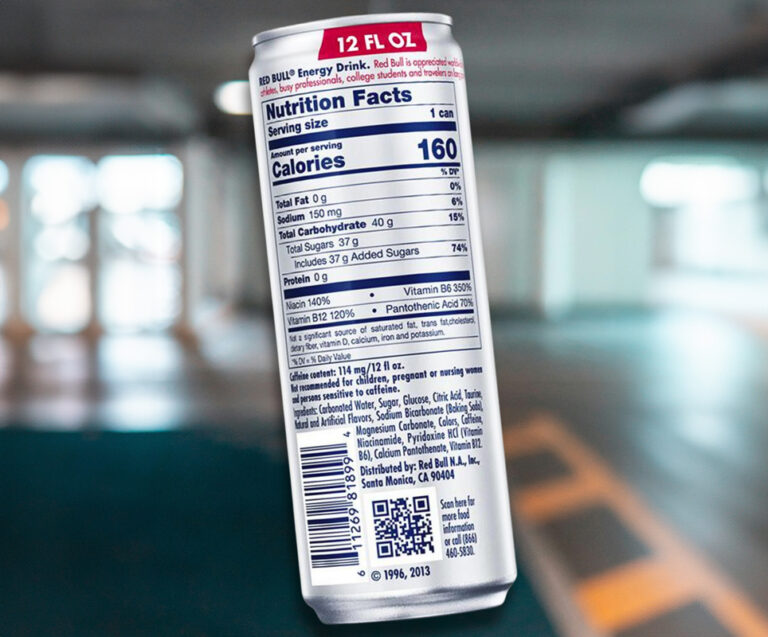
Alpine Water: The Unsung Hero of Consistency
Often overlooked but critically important is the water used in Red Bull. The brand proudly states it uses “Alpine Water of the highest quality,” sourced directly from the Swiss and Austrian Alps. While seemingly a minor detail, the quality of water is paramount for several reasons directly related to brand integrity and product consistency. High-quality, pure water ensures a clean taste profile, allowing the specific flavors and active ingredients to shine without interference. Furthermore, consistent water sourcing and purification methods are essential for ensuring that every can of Red Bull, regardless of where it is produced globally, tastes the same. This unwavering consistency in flavor and purity is a cornerstone of Red Bull’s premium brand positioning. It reassures consumers of a reliable product experience, fostering trust and reinforcing the brand’s commitment to quality from the most basic ingredient upwards.
Minor Ingredients and the Overall Formulation Strategy
Beyond the major players, several minor ingredients contribute to the overall sensory experience, stability, and longevity of Red Bull, each playing a subtle but important role in the product’s success and its brand perception.
Glucuronolactone: A Less Understood Component
Glucuronolactone is another compound found in Red Bull, a carbohydrate derivative naturally produced in the human body. Historically, it gained notoriety due to its inclusion in energy drinks, with some early claims suggesting it played a role in detoxification or enhanced performance, often without substantial scientific backing. In Red Bull, it’s present in smaller quantities compared to caffeine and taurine. From a branding perspective, its inclusion, especially in the early days of energy drinks, contributed to the perception of a scientifically formulated, cutting-edge beverage. While its specific synergistic effects are still a subject of scientific inquiry, its presence continues to be part of the brand’s original “secret sauce,” reinforcing the idea that Red Bull is more than just a simple sugary drink, but a carefully engineered blend.
Carbon Dioxide and Acidity Regulators: Enhancing Palatability and Shelf-Life
The characteristic fizz of Red Bull comes from carbon dioxide, which not only adds a refreshing effervescence but also contributes to the overall drinking experience, making it more stimulating and enjoyable. Alongside carbonation, Red Bull contains acidity regulators like citric acid and sodium citrates. Citric acid provides the tartness that balances the sweetness, enhancing the overall flavor profile and preventing it from being cloyingly sweet. Sodium citrates, on the other hand, act as buffers to stabilize the pH level, contributing to the drink’s shelf-life and ensuring that the taste and chemical integrity remain consistent over time. These seemingly technical ingredients are crucial for maintaining the product’s sensory attributes and stability, which directly impact consumer satisfaction and brand reliability. A consistent, appealing taste and a product that remains stable over its shelf life are fundamental to upholding Red Bull’s premium brand image and preventing negative consumer experiences.
From Formulation to Brand Identity: Marketing the “Recipe for Success”
Ultimately, Red Bull’s ingredients are not just a list of chemical compounds; they are the tangible components that bring its brand identity to life. The strategic selection, combination, and marketing of these ingredients are central to how Red Bull has built and maintained its global empire.
The Ingredient Narrative: Crafting the “Gives You Wings” Story
Red Bull’s marketing prowess lies in its ability to translate the functional benefits of its ingredients into a compelling lifestyle narrative. While specific ingredient percentages are not always front and center in advertising, the overarching message of “energy,” “focus,” and “performance” is a direct reflection of its formulation. The combination of caffeine, taurine, and B-vitamins provides the literal “wings” that Red Bull promises, enabling consumers to push their limits, whether in sports, study, or daily life. The brand cleverly associates these functional benefits with high-energy activities, extreme sports, and ambitious pursuits, implicitly linking the product’s composition to achieving peak performance. This narrative has been instrumental in establishing Red Bull not just as a beverage, but as a tool for unlocking potential, transforming its ingredients into aspirational qualities.
Maintaining Consistency and Trust: A Global Brand Challenge
One of Red Bull’s greatest branding achievements is its unwavering commitment to product consistency across its vast global market. Despite varying local regulations and sourcing logistics, the brand strives to deliver an identical taste and functional experience in every can, everywhere. This global uniformity is a powerful driver of consumer trust and brand loyalty. When a consumer picks up a Red Bull in New York, Tokyo, or Berlin, they expect the same distinctive taste and effect. This consistency is a direct outcome of strict adherence to its core ingredient list and precise manufacturing processes. Any deviation could undermine the brand’s integrity and its promise of reliability. By consistently delivering on its core formula, Red Bull reinforces its image as a dependable, high-quality product, a critical factor in maintaining its premium market position.

Innovation and Adaptation: Evolving the Brand Through New Formulations
While maintaining the classic formula is key, Red Bull has also demonstrated brand agility through strategic innovation in its ingredient profiles. The introduction of “The Editions” – different flavors like cranberry, tropical, or blueberry – and the sugar-free variants mentioned earlier, showcases Red Bull’s ability to adapt to evolving consumer tastes and health trends without diluting its core brand. These new formulations leverage the established functional base (caffeine, taurine, B-vitamins) but alter the flavor and sugar components to appeal to a wider demographic. This strategy allows Red Bull to expand its product portfolio and market reach, attracting new users while retaining its loyal customer base, all while reinforcing its identity as a dynamic and responsive brand in the competitive beverage landscape.
In conclusion, Red Bull is far more than just a concoction of caffeine, sugar, and water. Its ingredients represent a calculated and strategic formulation that has been meticulously crafted to deliver a specific functional experience and a distinctive taste. Each component, from the energizing caffeine and unique taurine to the supporting B-vitamins, the carefully balanced sugars or sweeteners, and the high-quality Alpine water, contributes directly to the overall brand identity. By understanding “what Red Bull is made of,” one gains insight into the foundational elements that have enabled this iconic brand to “give wings” to consumers around the globe, solidifying its position as a powerhouse in the world of beverages and branding.
aViewFromTheCave is a participant in the Amazon Services LLC Associates Program, an affiliate advertising program designed to provide a means for sites to earn advertising fees by advertising and linking to Amazon.com. Amazon, the Amazon logo, AmazonSupply, and the AmazonSupply logo are trademarks of Amazon.com, Inc. or its affiliates. As an Amazon Associate we earn affiliate commissions from qualifying purchases.