
In an increasingly globalized and interconnected world, the concepts of race and ethnicity are often discussed in sociological, political, and cultural contexts. However, for brands navigating the complexities of modern markets, understanding “what is race or ethnicity” transcends mere academic curiosity; it becomes a fundamental pillar of effective strategy, authentic connection, and sustainable growth. For brands, race and ethnicity are not just demographic checkboxes but dynamic aspects of identity that profoundly influence consumer behavior, cultural resonance, and a company’s public perception. This deep dive explores how brands must critically engage with these concepts to build inclusive strategies, forge genuine connections, and navigate the intricate landscape of a diverse marketplace.
The Brand Imperative: Understanding Diversity in Modern Markets
For any brand aiming for relevance and longevity, a nuanced understanding of race and ethnicity is no longer optional but a strategic imperative. The modern consumer expects brands to reflect the diversity of the world around them, not just in their marketing materials but in their core values and corporate actions. This expectation is driven by a digitally empowered audience that demands authenticity and holds brands accountable.
Beyond Demographics: Nuance in Identity
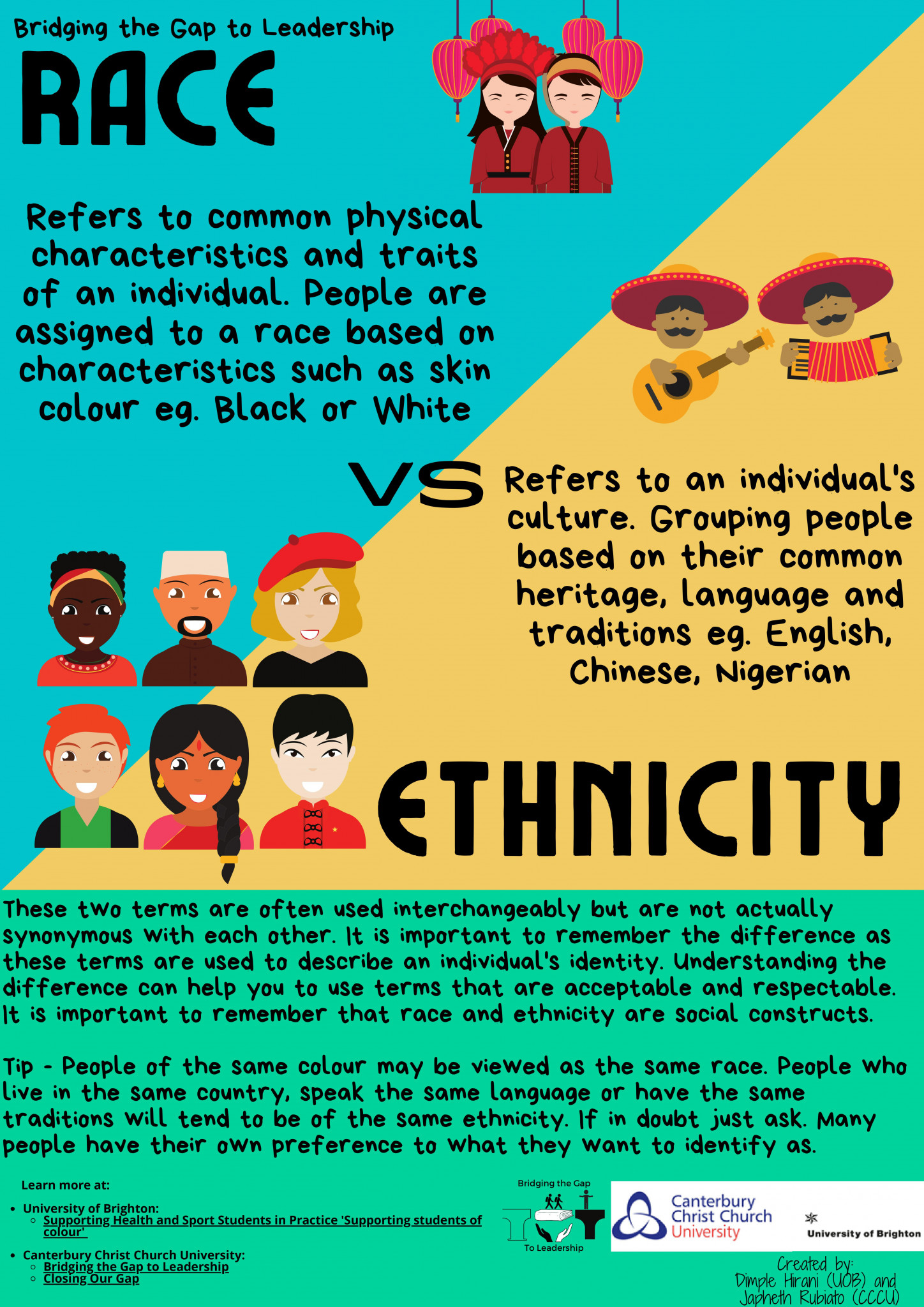
To a brand, race and ethnicity represent critical lenses through which consumer segments form their identities, values, and preferences. Merely categorizing individuals by broad racial or ethnic groups is a superficial approach that misses the rich tapestry of intersectional identities. Ethnicity, in particular, often encompasses shared cultural heritage, language, traditions, values, and sometimes religious beliefs, providing deeper insights into consumer motivations than race alone. For instance, a “Hispanic” demographic is incredibly diverse, encompassing individuals from dozens of countries with distinct culinary traditions, musical tastes, and cultural nuances. A brand that understands the difference between a Mexican-American consumer in Texas and a Cuban-American consumer in Florida is far more likely to craft an effective, resonant message.
Brands must move beyond simplistic demographic segmentation and strive for an empathetic understanding of the specific cultural nuances, historical contexts, and lived experiences that shape different racial and ethnic groups. This requires qualitative research, genuine community engagement, and a commitment to listening, rather than making assumptions. When a brand genuinely grasps the intricate layers of identity, it can tailor products, services, and communication strategies that feel relevant, respectful, and truly connect with specific audiences, rather than appearing as a generic, one-size-fits-all approach. This nuanced approach demonstrates a brand’s commitment to acknowledging and celebrating diversity, fostering a sense of belonging among its diverse customer base.
The Ethical and Economic Case for Inclusivity
The push for diversity and inclusion is often framed as an ethical imperative, and rightly so. Brands have a social responsibility to promote equity and representation. However, there is also a compelling economic case. Diverse markets represent significant purchasing power and untapped growth opportunities. A brand that fails to connect with, or worse, alienates, large segments of the population based on their race or ethnicity, severely limits its market potential.
Studies consistently show that diverse teams lead to more innovation and better decision-making, which translates into stronger brand strategies. Brands known for their commitment to diversity and inclusion also tend to attract and retain top talent, enhance their reputation, and build stronger brand loyalty among a consumer base that values these principles. Consumers, particularly younger generations, are increasingly prioritizing brands that align with their values, and social responsibility, including racial and ethnic equity, ranks high on that list. An inclusive brand isn’t just doing good; it’s doing good business, tapping into broader markets, fostering deeper engagement, and ultimately, securing its future success in a rapidly evolving global landscape. Brands that proactively embrace diversity position themselves not just as market leaders, but as cultural leaders, shaping positive societal narratives while achieving commercial success.
Crafting Authentic Connections: Race and Ethnicity in Marketing
Marketing is the primary interface through which brands communicate their identity and values to the world. Therefore, how race and ethnicity are represented and engaged with in marketing is paramount. Authenticity is the keyword here; consumers are adept at discerning genuine efforts from performative gestures. Brands must ensure their marketing strategies are not only inclusive but also culturally intelligent and respectful.
Representation Matters: Visuals and Narratives
One of the most visible ways brands engage with race and ethnicity is through representation in their marketing materials. This extends beyond simply featuring diverse models in advertisements. True representation means depicting individuals from various racial and ethnic backgrounds in authentic, non-stereotypical ways, showcasing them in lead roles, and allowing their unique stories and experiences to be part of the brand narrative. It means ensuring that these individuals are not just props but integral to the brand’s identity and messaging.
Furthermore, representation should reflect the actual diversity of the target audience and the broader society. Consumers want to see themselves and their communities reflected positively and accurately. When a brand consistently fails to represent certain groups, or worse, portrays them in outdated or offensive ways, it signals a lack of understanding and respect, leading to alienation and damage to brand reputation. Conversely, thoughtful and authentic representation builds trust, fosters connection, and strengthens brand affinity. It validates the experiences of diverse consumers, making them feel seen, valued, and understood by the brand.
Cultural Sensitivity and Avoiding Stereotypes
Cultural sensitivity is critical when marketing to diverse racial and ethnic groups. This involves a deep understanding of cultural norms, symbols, historical contexts, and sensitivities to avoid inadvertently causing offense or misunderstanding. What might be an innocuous image or phrase in one culture could be highly offensive in another. Brands must invest in research and employ diverse internal teams or external consultants who can provide insights into these nuances.
Avoiding stereotypes is perhaps one of the most challenging yet crucial aspects. Stereotypes, even seemingly positive ones, reduce individuals to simplistic, often inaccurate caricatures, stripping away their individuality and dignity. Brands that fall into the trap of using stereotypes, whether in humor or misguided attempts at relevance, risk alienating entire communities and facing significant public backlash. For example, a brand might use certain music or imagery associated with a particular ethnic group without understanding its deeper cultural significance or without providing appropriate context, leading to accusations of cultural appropriation. Building truly inclusive campaigns requires moving beyond generic “ethnic” tropes and instead celebrating the richness and diversity within each community, acknowledging their specific contributions and distinct identities without resorting to oversimplification. This requires a proactive, informed, and empathetic approach, ensuring that every message is thoroughly vetted for cultural appropriateness and respect.
Language and Localization Strategies

Language is a powerful carrier of culture and identity. For brands operating in markets with diverse linguistic landscapes, strategic language and localization are indispensable. Simply translating marketing materials word-for-word is often insufficient and can lead to awkward, meaningless, or even offensive messaging. True localization goes beyond translation; it involves adapting content, tone, imagery, and cultural references to resonate authentically with a specific linguistic and cultural group.
This might mean creating entirely separate campaigns for different ethnic markets, or it could involve leveraging specific dialects, colloquialisms, or cultural expressions that speak directly to a particular community. For example, in the United States, marketing to Spanish-speaking populations requires an understanding of the variations between Latin American Spanish, and even further, the distinctions between different national dialects within Latin America, to ensure the message is truly relevant and impactful. Beyond the literal words, understanding the emotional weight, historical context, and social implications of certain phrases for different racial and ethnic groups is vital. Brands that master this nuanced approach demonstrate a deep respect for the cultural identity of their target audience, thereby fostering stronger connections and building lasting loyalty. It transforms mere communication into a genuine conversation that transcends linguistic barriers.
Brand Identity and Corporate Social Responsibility
The understanding of race and ethnicity extends beyond external marketing; it must permeate the very core of a brand’s identity and its corporate social responsibility (CSR) initiatives. A brand’s internal ethos and its engagement with broader societal issues significantly impact how it is perceived by diverse consumers and employees alike. Authenticity in this realm is key to building a resilient and respected brand.
Internal Diversity as a Brand Strength
A brand’s commitment to diversity and inclusion begins within its own walls. A diverse workforce, particularly at leadership levels, brings a wealth of perspectives, experiences, and cultural insights that are invaluable for understanding and serving diverse customer bases. When a brand’s internal makeup reflects the racial and ethnic diversity of its target markets and society at large, it naturally fosters more inclusive thinking in product development, marketing, and overall strategy. Employees from various backgrounds can identify potential cultural missteps, offer innovative solutions, and ensure that the brand’s output resonates authentically with a broad audience.
Furthermore, a genuinely diverse and inclusive workplace strengthens the brand’s employer value proposition. It signals to potential employees from all backgrounds that the company is a welcoming and equitable place to work, attracting a wider pool of talent. Externally, consumers are increasingly scrutinizing brands for their internal practices. A brand that champions diversity in its advertising but fails to demonstrate it internally risks being exposed as disingenuous, leading to reputational damage. Therefore, integrating racial and ethnic diversity into hiring practices, leadership development, and company culture is not just an HR matter; it is a fundamental aspect of building a strong, credible, and appealing brand identity. It translates into a more informed, empathetic, and ultimately, more successful brand in the marketplace.
Purpose-Driven Branding and Community Engagement
Modern consumers, especially younger generations, expect brands to stand for something more than just profit. Purpose-driven branding, where a brand aligns itself with social causes, has become a powerful differentiator. When it comes to race and ethnicity, this means actively engaging with and supporting initiatives that promote equity, justice, and community empowerment. This could involve partnerships with non-profit organizations focused on racial justice, supporting educational programs in underserved communities, or investing in businesses owned by individuals from underrepresented racial and ethnic groups.
However, such engagement must be authentic and sustained, not merely a one-off campaign tied to a specific cultural moment. Brands must demonstrate a long-term commitment to these issues, integrating them into their core values and business practices. This means moving beyond performative allyship and genuinely investing resources, time, and influence to make a tangible difference. For example, a brand might sponsor cultural events, support minority-owned suppliers, or advocate for policy changes that benefit diverse communities. Through such actions, brands can build a reputation as socially responsible entities that contribute positively to society, thereby strengthening their brand equity and fostering deeper loyalty among consumers who share these values. This kind of authentic community engagement shows that the brand understands the systemic challenges faced by various racial and ethnic groups and is actively working towards creating a more equitable world.
Navigating the Complexities: Challenges and Best Practices
While the imperative for brands to engage with race and ethnicity is clear, the path is fraught with challenges. The nuances are vast, and missteps can be costly. Brands must adopt best practices that prioritize continuous learning, humility, and genuine commitment over quick fixes or superficial gestures.
The Risk of Tokenism and Performative Allyship
One of the most significant pitfalls for brands attempting to engage with racial and ethnic diversity is falling into tokenism or performative allyship. Tokenism occurs when a brand includes a person of color or an individual from an ethnic minority group purely for the sake of checking a box, without genuine integration or understanding. This often results in isolated representation that lacks depth or meaning, such as featuring a single Black model in an otherwise homogenous campaign, or showcasing an Indigenous person in a way that feels stereotypical rather than authentic. Consumers are quick to spot such superficial efforts, perceiving them as disingenuous and exploitative, which severely damages brand trust.
Performative allyship takes this a step further, where brands make grand public statements or launch symbolic campaigns about racial equity without backing them up with concrete actions, internal changes, or sustained investment. For example, a brand might post a black square on social media during a racial justice movement but fail to address diversity issues within its own corporate structure or contribute meaningfully to relevant causes. This can lead to accusations of “woke washing” and significantly erode consumer confidence. To avoid these traps, brands must ensure their efforts are deeply integrated into their strategy, genuine in their intent, and supported by consistent, measurable actions that demonstrate a true commitment to diversity and inclusion beyond mere optics. Authenticity demands substance.
Continuous Learning and Adaptation
The concepts of race and ethnicity are not static; they evolve with societal changes, demographic shifts, and cultural movements. Therefore, a brand’s understanding and approach must also be dynamic, characterized by continuous learning and adaptation. What was considered acceptable or effective a decade ago might be outdated or even offensive today. Brands need to stay attuned to current cultural conversations, listen to feedback from diverse communities, and be prepared to adjust their strategies accordingly.
This involves investing in ongoing cultural competency training for marketing teams, engaging with diversity and inclusion experts, and regularly auditing marketing materials and internal practices for unconscious biases. It also means fostering an internal culture where employees feel comfortable speaking up about potential issues related to race and ethnicity, ensuring that diverse voices are heard and valued at every level of decision-making. The goal is not to achieve a static state of “being diverse” but to embed a continuous process of learning, reflection, and improvement. Brands that embrace this journey of ongoing education and adaptation will be better equipped to navigate the complexities of identity, maintain relevance, and build enduring relationships with their diverse customer base in an ever-changing world. It’s about being proactive and responsive to the evolving social fabric, not just reacting to crises.

Conclusion
To the brand, “what is race or ethnicity?” is a question that demands a comprehensive, empathetic, and strategic answer. It moves beyond simple definitions to encompass a deep understanding of human identity, cultural nuances, and societal dynamics that profoundly shape consumer behavior and brand perception. In an era where authenticity and social responsibility are paramount, brands must recognize that race and ethnicity are not peripheral issues but central to building meaningful connections, fostering loyalty, and achieving sustainable success. By prioritizing genuine understanding, authentic representation, cultural sensitivity, internal diversity, and sustained community engagement, brands can transcend superficial gestures. They can instead cultivate a powerful identity that resonates with the rich tapestry of the global marketplace, proving that embracing diversity is not just an ethical choice, but a strategic imperative for any brand seeking to thrive in the 21st century.
aViewFromTheCave is a participant in the Amazon Services LLC Associates Program, an affiliate advertising program designed to provide a means for sites to earn advertising fees by advertising and linking to Amazon.com. Amazon, the Amazon logo, AmazonSupply, and the AmazonSupply logo are trademarks of Amazon.com, Inc. or its affiliates. As an Amazon Associate we earn affiliate commissions from qualifying purchases.