
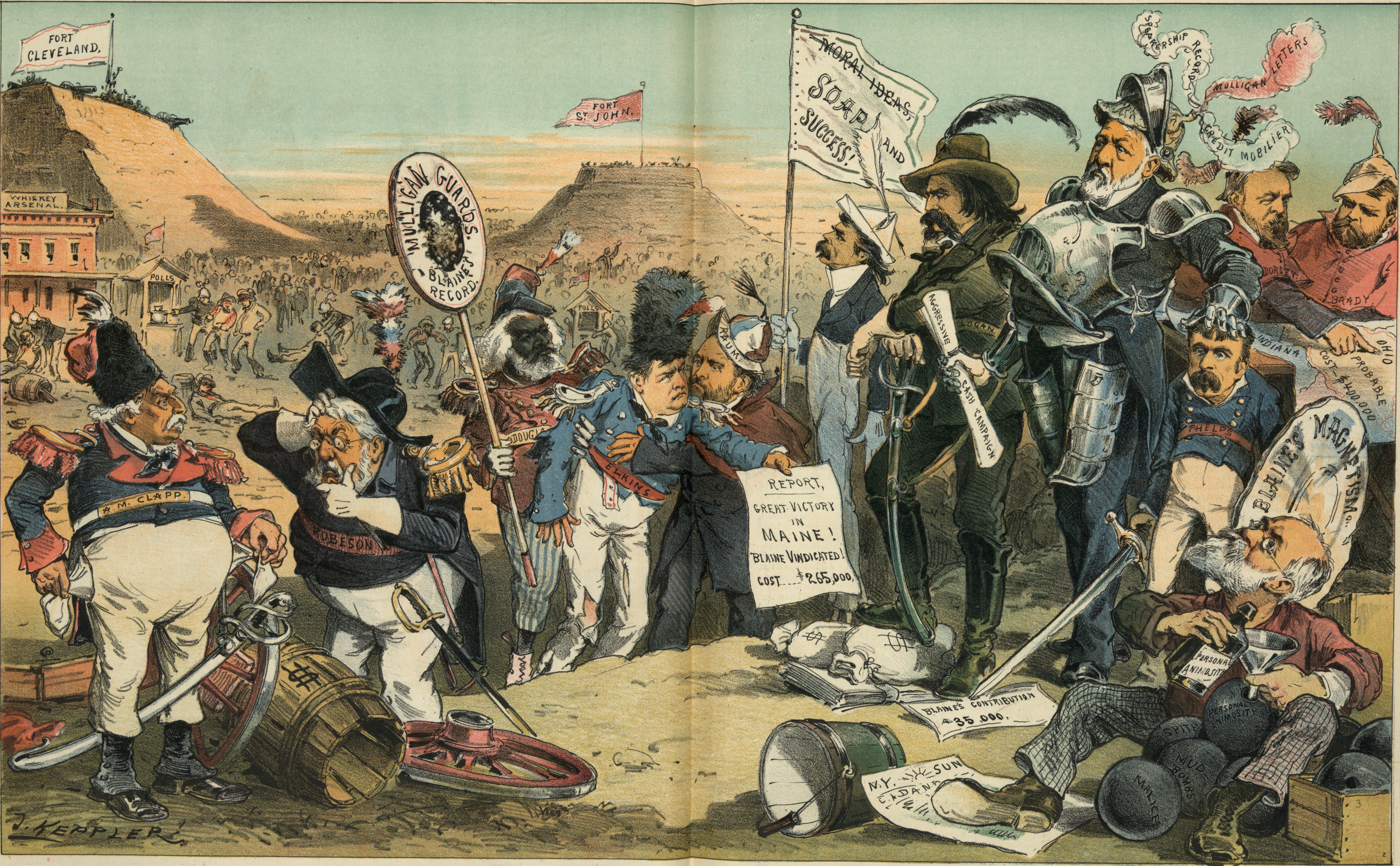
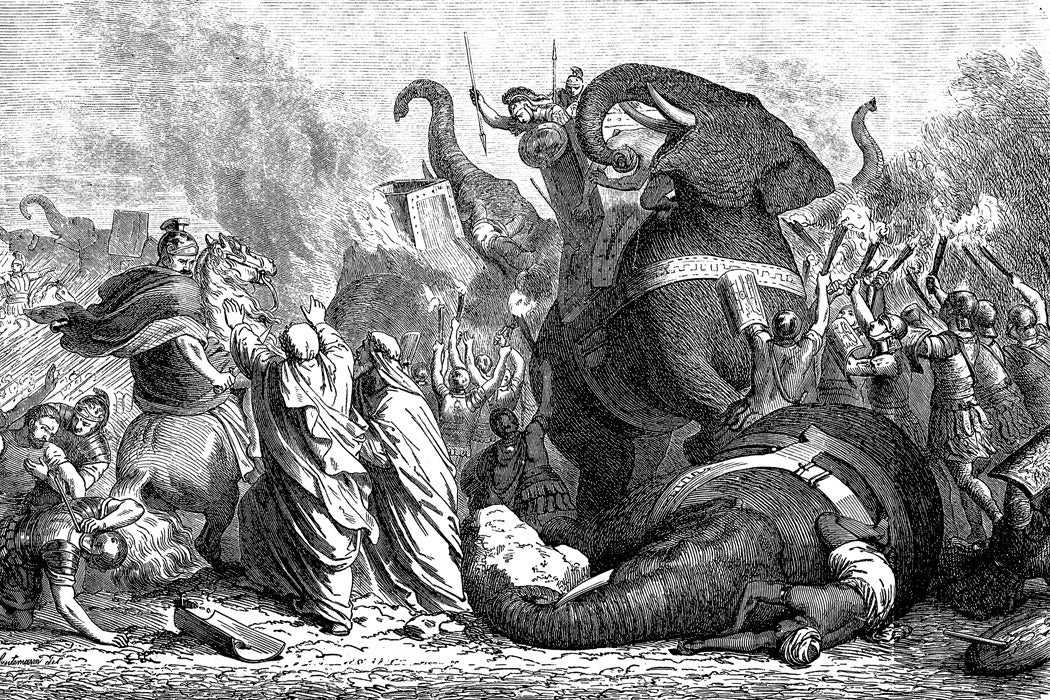
In the hyper-competitive landscape of brand strategy and corporate positioning, winning at all costs is often romanticized as the hallmark of a dominant market player. We celebrate the acquisition that shuts down a rival, the aggressive pricing campaign that decimates competition, or the viral marketing stunt that dominates the news cycle. However, beneath the surface of these visible triumphs lies a dangerous trap: the Pyrrhic victory. A Pyrrhic victory is a success that inflicts such a devastating toll on the victor that it is tantamount to defeat. In business, this occurs when the resources, reputation, or internal culture sacrificed to “win” outweigh the actual value gained from the outcome.
The Anatomy of Strategic Exhaustion
At its core, a Pyrrhic victory represents a fundamental misalignment between tactical goals and long-term sustainability. When brands operate with a “win at all costs” mentality, they often lose sight of the law of diminishing returns. The victory is achieved, but the mechanism required to sustain the business has been compromised.
The Cost of Acquisition Over-Optimization
Many brands engage in aggressive customer acquisition wars. They may bid excessively high on competitive keywords, slash prices to unsustainable levels, or offer bloated incentives to lure clients away from competitors. If a brand spends $200 in marketing and operational costs to acquire a customer with a lifetime value of $180, they have technically “won” the market share battle against a rival. However, this is a textbook Pyrrhic victory. The win is visible, the market share graph ticks upward, but the bottom line suffers, and the brand’s valuation erodes under the weight of an inefficient acquisition model.
Burnout and Talent Depletion
A brand’s identity is not merely its logo or its messaging; it is the collective output of its workforce. A Pyrrhic victory often involves “crunch culture”—forcing teams to work unsustainable hours to meet an arbitrary deadline or to launch a product before a competitor. While the launch might succeed in grabbing headlines, the collateral damage is internal. High turnover, loss of institutional knowledge, and a demoralized creative culture mean that while the company won the battle of the launch, it has significantly weakened its capacity to win the war of long-term innovation.
The Brand Equity Paradox
One of the most insidious forms of a Pyrrhic victory occurs when a company wins a short-term reputational battle at the expense of its long-term brand equity. We see this frequently in crisis management or in aggressive public relations skirmishes.
Winning the Argument, Losing the Audience
In the age of social media, brands are often tempted to engage in combative public interactions. A brand might “win” an exchange with a critic by deploying sharp wit, legal threats, or aggressive counter-messaging. To the onlookers, the brand may seem strong and defensive. Yet, in the eyes of its core demographic, the brand has shifted from an authority figure to a defensive, exclusionary entity. The brand gained a moment of validation but lost the trust and emotional connection that keeps customers loyal over decades.
The Danger of Cannibalistic Growth
Sometimes, a product launch or a market expansion is deemed a success because it captures a new segment. However, if that new segment is acquired by cannibalizing the brand’s premium offerings or cheapening the perceived value of its flagship products, the victory is hollow. The brand has expanded its footprint but compromised its luxury or premium positioning, effectively turning its own market presence into a self-defeating cycle.
Identifying the Signs of a Hollow Win
Distinguishing a strategic victory from a Pyrrhic one requires a shift in how we measure success. Leaders must look beyond the immediate output and evaluate the systemic input.
The Resource-to-Reward Ratio
The most effective way to avoid Pyrrhic victories is to audit the cost of victory against its longevity. If a marketing initiative requires the total depletion of the quarterly budget, the exhaustion of the design team, and a pivot away from core business objectives, the “win” is likely a trap. A true strategic win should leave the brand stronger—more capitalized, more skilled, or more trusted—than it was before the initiative began.
Feedback Loops and Institutional Learning
A victory is only as good as the knowledge it imparts. If a project succeeds but leaves no legacy of process improvement or market insight, it was an expensive gamble rather than a strategic win. Organizations must ask: Did we win because of a repeatable competitive advantage, or did we win because we simply threw more resources at the problem than our competitor could afford? The former is growth; the latter is a prelude to failure.
Shifting from Defensive Wins to Sustainable Dominance
To avoid the trap of the Pyrrhic victory, brands must pivot from a mindset of “conquest” to one of “value creation.” This requires a re-evaluation of what it means to be a dominant player in the industry.
Prioritizing Resilience Over Agility
Agility is often praised, but it can lead to reactive decision-making that results in hollow victories. Resilience, conversely, is the ability to withstand competitive pressure without compromising the integrity of the brand. A resilient brand does not feel the need to win every battle. It understands which skirmishes are distractions and which are essential to its long-term evolution. Choosing not to engage in an unwinnable or overly costly pricing war is not a sign of weakness; it is a display of strategic maturity.
Aligning Metrics with Long-Term Identity
The metrics used to track performance often dictate whether a company falls into the Pyrrhic trap. If the KPIs are purely focused on volume—clicks, units sold, or headlines generated—the organization will naturally trend toward Pyrrhic victories. By introducing metrics centered on brand sentiment, customer lifetime value, and internal employee engagement, a company can naturally steer its strategy toward sustainable growth.

Conclusion: The Victory of Strategy
In the final analysis, the difference between a successful brand and a cautionary tale is the ability to discern the cost of the win. A true triumph enhances the brand’s position, fortifies its culture, and leaves the organization better equipped to handle the challenges of tomorrow. A Pyrrhic victory, regardless of how grand it appears on a balance sheet or in a press release, is a slow erosion of potential.
Strategic excellence is not about how many battles are won, but about how many resources are preserved and how effectively the company moves toward its long-term vision. To build a lasting brand, one must be willing to walk away from battles that demand too much and offer too little. True market dominance is built on the foundation of consistent, sustainable value, not on the ruins of expensive, short-lived conquests. By prioritizing the health of the brand ecosystem over the fleeting glory of the win, companies can ensure that their successes serve as stepping stones rather than milestones leading toward their inevitable decline.
aViewFromTheCave is a participant in the Amazon Services LLC Associates Program, an affiliate advertising program designed to provide a means for sites to earn advertising fees by advertising and linking to Amazon.com. Amazon, the Amazon logo, AmazonSupply, and the AmazonSupply logo are trademarks of Amazon.com, Inc. or its affiliates. As an Amazon Associate we earn affiliate commissions from qualifying purchases.