
The digital revolution has profoundly transformed nearly every facet of human existence, offering unprecedented opportunities for connection, learning, and innovation. However, this same revolution has also created new frontiers for risks, particularly for the most vulnerable members of society: children. As lives increasingly migrate online, so too do the threats of exploitation, abuse, and harm. In this context, understanding the legal frameworks designed to protect children, such as India’s Protection of Children from Sexual Offences (POCSO) Act, 2012, becomes critical, especially when viewed through the lens of digital security and online safety.
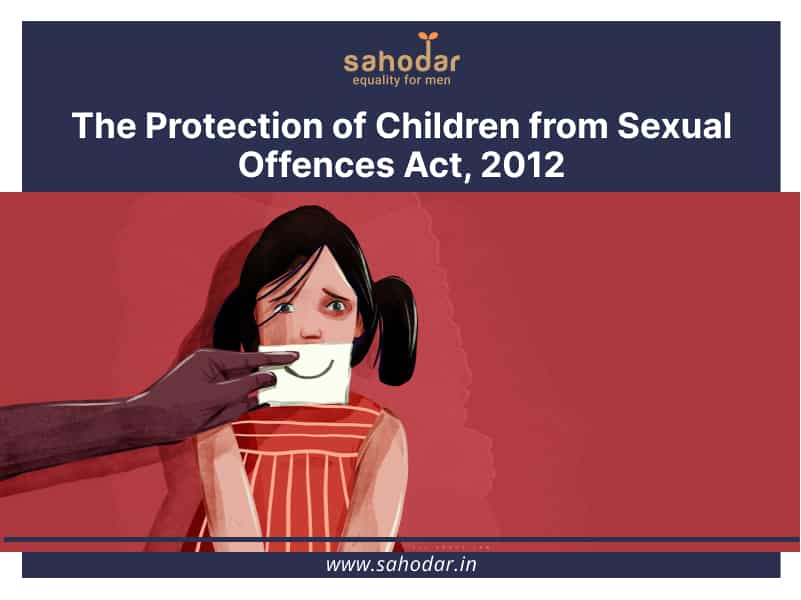
The POCSO Act is a comprehensive legislation aimed at providing a robust legal framework for the protection of children from sexual abuse, sexual harassment, and pornography. While its core principles and provisions address physical and psychological dimensions of abuse, its relevance has significantly expanded in an era dominated by the internet, social media, and instant communication. This article delves into the critical intersection of the POCSO Act with digital security, exploring how technology both presents challenges to child safety and offers tools for protection and enforcement.
The Evolving Landscape of Child Protection in a Digital World
The digital environment is a double-edged sword for children. It offers immense educational resources, social connectivity, and entertainment, fostering growth and development in new ways. Yet, it also harbors dark corners where predators can operate with alarming anonymity and reach, posing threats that transcend geographical boundaries.
The Internet’s Dual Nature: Opportunities and Risks for Children
For children, the internet is a vibrant playground, a vast library, and a global classroom. They use it for homework, gaming, socializing with friends, and exploring their interests. This early immersion in the digital world can foster digital literacy and critical thinking skills essential for the 21st century. However, alongside these opportunities are significant risks. Children may inadvertently expose themselves to inappropriate content, fall victim to cyberbullying, or, most alarmingly, become targets for online sexual exploitation. The relative anonymity afforded by the internet, combined with children’s inherent curiosity and sometimes limited understanding of online risks, creates a fertile ground for exploitation.
Emergence of Cybercrime Against Children
Cybercrime against children has become a pervasive and evolving threat. This encompasses a range of illicit activities, including the production and dissemination of Child Sexual Abuse Material (CSAM), online grooming, cyberstalking, and various forms of digital sexual exploitation. Predators often leverage social media platforms, gaming environments, instant messaging apps, and even educational platforms to establish contact with children, build trust, and eventually manipulate or abuse them. The technical sophistication of these crimes, often involving encrypted communications, dark web activities, and rapid content sharing, presents formidable challenges for law enforcement and child protection agencies worldwide. The sheer volume of digital data generated daily makes identifying and apprehending offenders a complex, resource-intensive task.
POCSO Act: A Legal Framework Adapting to Digital Challenges
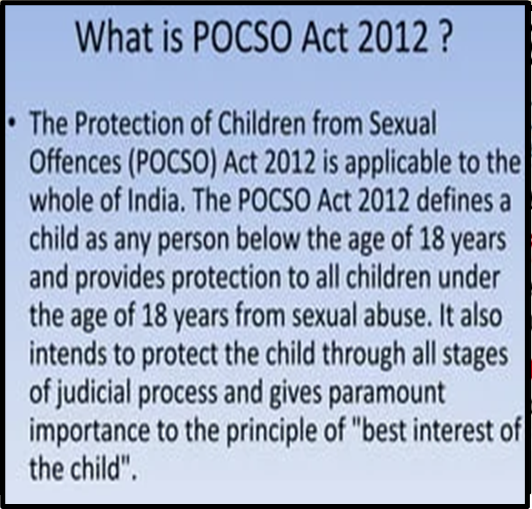
The POCSO Act, enacted in 2012, predates many of the sophisticated digital threats children face today. However, its comprehensive nature allows for its application and interpretation to cover online offences, requiring a constant adaptation of enforcement strategies and legal understanding.
Key Provisions and Their Digital Interpretations
The POCSO Act defines various forms of sexual offences against children, including sexual assault, sexual harassment, and the production/distribution of child pornography. Many of these definitions are broad enough to encompass digital acts. For instance, “sexual assault” can include non-contact forms of abuse facilitated online, such as demanding sexually explicit images. The provisions related to “child pornography” (Section 14) are particularly crucial in the digital age, criminalizing the production, dissemination, exhibition, and even possession of CSAM. This includes images, videos, or any digital content depicting children in sexual acts, regardless of whether they are real or simulated, or whether they were created using AI. The act of “grooming” a child online, leading to eventual abuse, can also fall under the purview of various sections depending on the ultimate act committed or attempted.
Jurisdiction and Cross-Border Digital Offences
One of the significant challenges in enforcing the POCSO Act in the digital sphere is the issue of jurisdiction. The internet operates without national borders, meaning an offender could be in one country, the victim in another, and the server hosting illegal content in a third. While the POCSO Act generally applies to Indian citizens and to offences committed in India, the Information Technology (IT) Act, 2000 (which complements POCSO in many digital contexts) allows for extraterritorial jurisdiction for certain cybercrimes. However, effective prosecution often requires international cooperation, mutual legal assistance treaties, and a harmonization of laws, which can be slow and complex, allowing offenders to evade justice by operating from jurisdictions with weaker laws or enforcement.
Reporting Mechanisms in the Online Sphere
The POCSO Act mandates the reporting of offences by individuals aware of them. In the digital context, this means that tech companies, social media platforms, and even individual users have a crucial role. The National Crime Records Bureau (NCRB) in India maintains a national portal for reporting cybercrimes, including those against children. Additionally, many social media platforms and online services have their own internal reporting mechanisms for illegal content or suspicious user behavior. The efficacy of these mechanisms depends on user awareness, ease of reporting, and the responsiveness of both tech companies and law enforcement agencies. The digital nature of evidence—screenshots, chat logs, IP addresses—necessitates specialized training for first responders and investigators.
Leveraging Technology for Enhanced Child Safety and Enforcement
While technology presents new avenues for crime, it also offers powerful tools for prevention, detection, and prosecution. The fight against online child sexual exploitation increasingly relies on sophisticated technological solutions.
AI and Machine Learning in Identifying Exploitative Content
Artificial Intelligence (AI) and Machine Learning (ML) are becoming indispensable in the fight against CSAM. Algorithms can be trained to recognize patterns, images, and videos associated with child sexual abuse, automatically flagging them for human review. Tech companies leverage these tools to scan user-generated content across their platforms, significantly accelerating the identification and removal of illegal material. Advanced AI can even detect subtle variations, obfuscated content, or emerging trends in abusive material, helping to stay ahead of perpetrators who constantly evolve their tactics. This automated detection is crucial given the astronomical volume of digital content being uploaded and shared globally every second.
Digital Forensics and Evidence Collection
The successful prosecution of online child abuse cases under the POCSO Act heavily relies on robust digital forensics. Investigators need specialized tools and expertise to extract, preserve, and analyze digital evidence from computers, smartphones, cloud storage, and network traffic. This includes recovering deleted files, tracing IP addresses, analyzing metadata, and establishing timelines of digital interactions. Digital forensics plays a vital role in identifying victims, locating offenders, and building a compelling case that withstands legal scrutiny. The rapid pace of technological change, including new operating systems, encryption methods, and storage solutions, demands continuous skill upgrades for forensic experts.
Educational Technologies for Online Awareness
Technology itself can be used to educate children, parents, and educators about online risks and safe internet practices. Interactive apps, online courses, and gamified learning platforms can teach children about privacy settings, identifying suspicious contacts, and reporting inappropriate content. For parents, digital tools offer resources for understanding digital trends, setting parental controls, and fostering open communication with their children about online experiences. These educational technologies are crucial in empowering children to navigate the digital world safely and recognize red flags, acting as a proactive layer of protection complementary to legislative and enforcement efforts.
The Role of Tech Companies and Digital Platforms
Tech companies and digital platforms, due to their unique position as facilitators of online interaction and content dissemination, bear a significant responsibility in upholding the principles of the POCSO Act and ensuring child safety.
Platform Responsibilities and Content Moderation
Social media giants, messaging services, and content-sharing platforms are increasingly expected, and in some jurisdictions legally mandated, to implement robust content moderation policies and technologies. This includes promptly removing CSAM, banning perpetrators, and reporting illegal activity to law enforcement. Their terms of service must explicitly prohibit child exploitation, and their systems should be designed with child safety by default, for instance, by restricting adult-child communication for minors. The sheer scale of content requires a combination of AI detection and human moderators who are trained to handle sensitive material ethically and effectively.
Building Safety Features and Parental Controls
Many platforms are developing and integrating safety features designed to protect children. These include age verification mechanisms, privacy settings that limit who can contact a child, reporting tools, and parental control options that allow guardians to monitor or restrict their children’s online activities. While these tools are vital, their effectiveness relies on user adoption and continuous improvement to circumvent sophisticated exploitation tactics. The design of these features must be intuitive and accessible to ensure they are widely used by parents and children alike.
Collaboration with Law Enforcement
Effective enforcement of the POCSO Act in the digital sphere demands close collaboration between tech companies and law enforcement agencies. This includes promptly responding to lawful data requests (e.g., user information, IP logs), sharing threat intelligence, and participating in joint investigations. Many tech companies now have dedicated teams to handle child safety issues and work directly with organizations like the National Center for Missing and Exploited Children (NCMEC) globally, and relevant agencies in India. This symbiotic relationship is crucial for swiftly identifying and apprehending offenders and rescuing victims.
Challenges and Future Directions in Digital Child Protection
Despite significant advancements, the battle for digital child protection under the POCSO Act faces continuous challenges, necessitating ongoing innovation and policy evolution.
Privacy Concerns vs. Monitoring Needs
A persistent challenge lies in balancing individual privacy rights with the need to monitor digital spaces for child exploitation. While end-to-end encryption offers secure communication, it can also provide a shield for illicit activities, making it difficult for law enforcement to access evidence without compromising privacy principles. Striking the right balance requires careful legal and ethical considerations, exploring technological solutions that allow for targeted detection of illegal content without widespread surveillance of innocent users.
Rapid Technological Advancements and Legislative Gaps
Technology evolves at an exponential rate, often outpacing the legislative process. New platforms, communication methods, and AI capabilities (e.g., deepfakes, AI-generated CSAM) constantly emerge, creating new avenues for abuse and potential loopholes in existing laws like POCSO. Continuous review and amendment of laws, alongside the development of agile regulatory frameworks, are necessary to ensure that legal protections remain relevant and effective against emerging digital threats.

Global Cooperation and Harmonization of Laws
The global nature of the internet demands a concerted international effort. Disparities in national laws, reporting requirements, and judicial cooperation can impede cross-border investigations and prosecutions. Greater harmonization of child protection laws, enhanced mutual legal assistance, and coordinated international task forces are essential to create a truly global front against online child sexual exploitation, ensuring that the spirit of the POCSO Act is upheld across digital borders.
In conclusion, the POCSO Act, while a landmark legislation for child protection, is increasingly challenged and strengthened by the digital age. Its effectiveness in safeguarding children online hinges on a proactive approach that integrates robust legal frameworks with cutting-edge digital security technologies, responsible platform governance, and continuous public awareness. As technology continues to evolve, so too must our strategies for protecting children, ensuring that the promise of the digital world never comes at the cost of their safety and well-being.
aViewFromTheCave is a participant in the Amazon Services LLC Associates Program, an affiliate advertising program designed to provide a means for sites to earn advertising fees by advertising and linking to Amazon.com. Amazon, the Amazon logo, AmazonSupply, and the AmazonSupply logo are trademarks of Amazon.com, Inc. or its affiliates. As an Amazon Associate we earn affiliate commissions from qualifying purchases.