
In an increasingly digital world, where software drives everything from our smartphones to global infrastructure, the concept of “piracy in computer” remains a pervasive and complex issue. Far from being a mere academic discussion, software piracy represents a significant challenge to technological innovation, digital security, and the global economy. At its core, computer piracy refers to the unauthorized copying, distribution, or use of software, digital media, or other copyrighted intellectual property. It’s a breach of copyright laws, effectively denying creators and legitimate distributors their due compensation and control over their work. Understanding its facets, consequences, and preventive measures is crucial for anyone interacting with digital technology, from individual users to multinational corporations. This comprehensive exploration delves into the various forms of computer piracy, its profound impacts, and the technological and ethical frameworks designed to combat it.
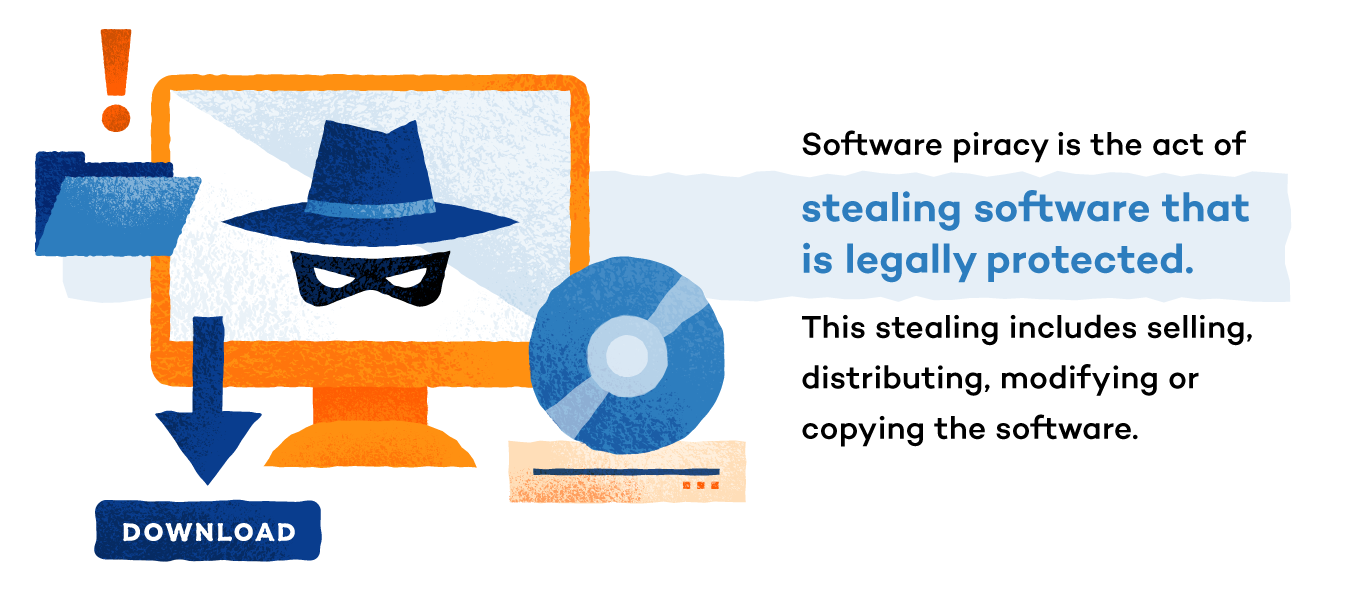
Defining Computer Piracy: Beyond Mere Copying
While often simplified to “making an illegal copy,” computer piracy encompasses a wide array of activities that violate intellectual property rights related to software and digital assets. It’s a sophisticated ecosystem of illicit practices, each with its own methodology and implications, extending far beyond the simple act of unauthorized duplication.
Types of Software Piracy
The landscape of software piracy is diverse, reflecting various methods employed to circumvent licensing agreements and copyright protections. Recognizing these types is the first step in understanding the scope of the problem:
-
End-User Piracy: This is perhaps the most common form, occurring when an individual or company installs software on more computers than their license permits, or uses cracked versions of software. This could involve purchasing a single-user license and installing it across an entire office, or downloading pirated versions from unauthorized sources for personal use.
-
Counterfeiting: This involves the illegal duplication and distribution of copyrighted software in a form that is designed to look authentic. Counterfeiters often produce fake copies of software CDs/DVDs, complete with fabricated packaging, manuals, and license keys, selling them as genuine products. This is particularly prevalent in markets with weaker intellectual property enforcement.
-
Internet Piracy: The internet has become a primary conduit for software piracy. This category includes downloading unauthorized software from websites, peer-to-peer (P2P) networks, torrent sites, or through cloud storage services. It also covers the distribution of “cracks” and “keygens” that bypass software activation mechanisms.
-
Client-Server Overuse: This occurs when a business or organization uses a central copy of software across multiple workstations, exceeding the number of licensed users. For instance, a network license for 50 users being deployed for 100 users constitutes client-server overuse, effectively stealing licenses for the additional 50 users.
-
Hard-Disk Loading: This less common but insidious practice involves unauthorized dealers loading pirated software onto computers they sell. The customer might buy what they believe to be a fully legitimate system, unaware that some or all of the pre-installed software is unlicensed.
Hardware Piracy vs. Software Piracy
It’s important to distinguish between software and hardware piracy, although both concern intellectual property. While software piracy focuses on the unauthorized use or distribution of programs and digital content, hardware piracy involves the unauthorized replication, modification, or distribution of physical electronic components or devices. This could range from counterfeit microchips to knock-off consumer electronics that infringe on design patents or trademarks. While hardware piracy has its own significant economic and safety implications, “piracy in computer” primarily refers to the software aspect. Our focus remains on the digital realm, where the ease of replication poses unique challenges.
The Ramifications: Why Computer Piracy Matters
The impact of computer piracy extends far beyond simple legal infringements. It creates a cascading series of negative consequences that affect individual users, the software industry, and the broader digital economy. Understanding these ramifications underscores the importance of combating piracy on multiple fronts.
Security Risks for Users
Perhaps the most immediate and tangible danger for individuals and businesses engaging with pirated software is the heightened security risk. Unlike legitimate software, pirated versions rarely come with any guarantee of integrity or safety.
-
Malware and Viruses: Pirated software is a notorious vector for malware, including viruses, ransomware, spyware, and trojans. Cybercriminals often embed malicious code within cracked software, using the desire for free access as a lure to compromise systems. This can lead to data theft, system corruption, and even complete loss of control over a device.
-
Data Breaches: When systems are compromised by malware introduced through pirated software, sensitive personal and corporate data becomes vulnerable. This can result in identity theft, financial fraud, and significant reputational damage for businesses.
-
System Instability and Lack of Updates: Pirated software often lacks critical security patches and updates. This leaves systems exposed to newly discovered vulnerabilities that legitimate users would have protected against. Furthermore, tampered software can be inherently unstable, leading to crashes, performance issues, and lost work. There’s no customer support or bug fixes for an illegal copy, leaving users stranded when issues arise.
Economic Impact on Innovators and Industry
The software industry is built on innovation and investment. Piracy directly undermines this foundation, creating a ripple effect that slows progress and harms economic growth.
-
Lost Revenue: The most direct impact is the immense loss of revenue for legitimate software developers and publishers. Billions of dollars are lost globally each year to piracy, revenue that would otherwise be reinvested into research and development, creating new and improved products.
-
Stifled Innovation: When companies cannot recoup their development costs due to widespread piracy, they have less incentive and fewer resources to invest in future innovation. This can lead to a stagnation of software development, depriving users of cutting-edge tools and features.
-
Job Losses: Reduced revenue and profitability within the software industry can lead to job losses, affecting programmers, designers, marketers, and support staff. The ecosystem around software development shrinks, impacting national economies.
-
Unfair Competition: Businesses that use pirated software gain an unfair cost advantage over competitors who invest in legitimate licenses. This distorts the market and can penalize ethical companies.
Legal Consequences for Individuals and Businesses
Engaging in software piracy is illegal and carries significant legal risks for both individuals and organizations. These consequences can be severe and long-lasting.
-
Fines and Penalties: Copyright infringement carries substantial fines. For individuals, these can range from thousands to hundreds of thousands of dollars per infringement. For businesses, penalties can be even higher, often reaching millions, alongside potential statutory damages.
-
Imprisonment: In severe cases, particularly for large-scale distribution or commercial counterfeiting, individuals can face prison sentences. While less common for casual end-user piracy, it remains a possibility under various national laws.
-
Reputational Damage: For businesses, being caught using pirated software can lead to significant reputational damage. This can alienate customers, partners, and investors, affecting brand trust and market position.
-
Civil Lawsuits: Software publishers frequently pursue civil lawsuits against individuals and organizations engaged in piracy, seeking damages and injunctions to prevent further infringement.
The Technology Behind Prevention and Detection
In response to the pervasive threat of computer piracy, the software industry has developed an array of technological solutions aimed at preventing unauthorized use and detecting infringements. These technologies form the backbone of modern software protection strategies.
Digital Rights Management (DRM) Systems
Digital Rights Management (DRM) encompasses various technologies used by copyright holders to control the use, modification, and distribution of copyrighted works. While often controversial among users due to perceived restrictions, DRM plays a crucial role in preventing casual piracy.
-
Types and Mechanisms: DRM can include methods like encryption (making content unreadable without authorization), license key verification, hardware-bound activations (tying software to a specific device), and online authentication checks. It might also restrict copying, printing, or sharing functionalities.
-
Controversies: DRM often faces criticism for potentially hindering legitimate fair use, being overly restrictive, and sometimes even degrading user experience. The ongoing debate revolves around balancing copyright protection with user rights and convenience.

Licensing Models and Activation Keys
Modern software licensing has evolved significantly to provide flexibility while maintaining control over usage. Activation keys are a fundamental component of these systems.
-
How They Work: When a user purchases software, they receive a unique activation key or product code. This key is typically entered during installation and verified against a central server belonging to the software vendor. This process ensures that the software is being used with a legitimate license.
-
Subscription Models: Many software companies have shifted to subscription-based models (Software as a Service – SaaS), where users pay a recurring fee for access. This model inherently provides continuous license verification, as access can be revoked if payment isn’t made or terms are violated, thus mitigating some forms of piracy.
-
Network Licensing: For organizations, network licenses allow a specified number of users to access software concurrently on a shared network, with license servers monitoring usage to prevent overuse.
Anti-Piracy Software and Analytics
Beyond direct software protection, specialized anti-piracy tools and analytics are employed to monitor the digital landscape for infringements.
-
Monitoring and Detection: Companies use sophisticated algorithms and web crawlers to scan the internet, including torrent sites, file-sharing platforms, and unauthorized marketplaces, for instances of their pirated software. They track downloads, identify distributors, and gather evidence.
-
Digital Fingerprinting and Watermarking: Some software incorporates unique digital signatures or watermarks that can help identify the source of a leaked or pirated copy, tracing it back to a specific licensed copy or distributor.
-
Reporting and Enforcement: Upon detection, anti-piracy teams often issue cease-and-desist letters, send takedown notices to hosting providers, and compile evidence for legal action against persistent infringers.
Ethical Considerations and User Responsibility
While technology provides tools for prevention and detection, the fight against computer piracy also involves a crucial ethical dimension and a call for user responsibility. The decisions made by individuals and organizations about acquiring and using software have broader implications for the digital ecosystem.
The “Accessibility vs. Legality” Debate
One of the ongoing ethical discussions revolves around the balance between software accessibility (especially for those in developing regions or with limited income) and the legal rights of creators. While some argue that high software prices drive piracy, making certain tools inaccessible, the counter-argument emphasizes that creators deserve compensation for their work, which fuels further innovation.
-
Affordable Alternatives: The rise of open-source software, freemium models, and more affordable subscription services has provided legitimate alternatives for many users, potentially reducing the perceived need for piracy.
-
Educational Discounts: Many software companies offer significant discounts or free versions of their products to students and educational institutions, acknowledging the importance of accessibility for learning and development.
Cultivating a Culture of Compliance
Ultimately, technological solutions are most effective when coupled with a societal shift towards compliance. Educating users about the value of intellectual property and the negative impacts of piracy is vital.
-
Awareness Campaigns: Industry organizations and software vendors regularly launch campaigns to raise awareness about the risks and illegality of software piracy.
-
Ethical Computing Practices: Promoting a culture of ethical computing in schools, universities, and workplaces helps instill the understanding that software is intellectual property that must be respected.
The Role of Affordable and Accessible Software
One of the most effective long-term strategies to combat piracy is to make legitimate software more accessible and affordable. When legitimate options are priced reasonably and are easy to acquire, the incentive for piracy diminishes. This includes:
-
Flexible Licensing: Offering a range of licensing options, from perpetual licenses to monthly subscriptions and single-user to enterprise-wide solutions, caters to diverse needs and budgets.
-
Regional Pricing: Adjusting prices based on economic conditions in different countries can make software more attainable globally.
-
Free Tiers and Open Source: Providing robust free versions (with premium upgrades) or supporting open-source alternatives gives users legitimate ways to access powerful tools without resorting to illegal means.
Navigating the Digital Landscape Legally and Securely
In an era defined by digital tools, ensuring that one’s software usage is legal and secure is paramount. Both individuals and corporations bear the responsibility of fostering an environment that respects intellectual property rights and safeguards against the risks associated with unauthorized software.
Best Practices for Individuals
For everyday users, adhering to a few simple best practices can significantly reduce the risk of engaging in piracy and protect their digital lives:
-
Purchase from Authorized Vendors: Always buy software directly from the developer’s website or reputable retailers. Avoid suspiciously cheap deals from unknown sources.
-
Understand Licensing Terms: Read and understand the End-User License Agreement (EULA). Know how many devices a single license covers and abide by those terms.
-
Use Free and Open-Source Alternatives: If budget is a concern, explore the vast ecosystem of legitimate free and open-source software (e.g., LibreOffice, GIMP, VLC Media Player) that often provides comparable functionality.
-
Keep Software Updated: Regularly update your operating system and all software applications to ensure you have the latest security patches and features. Pirated software rarely receives these crucial updates.
-
Be Skeptical of “Free” Offers: If an offer seems too good to be true, it likely is. Legitimate commercial software is rarely given away for free outside of official promotions.
Corporate Compliance and Policies
For businesses, the stakes are even higher, encompassing legal liability, financial penalties, and reputational damage. Robust corporate policies are essential:
-
Comprehensive Software Audits: Regularly audit all software installed across the organization to ensure every copy is properly licensed. Many software publishers offer tools to assist with this.
-
Clear Policies and Training: Establish clear policies against software piracy and provide regular training to employees on ethical software usage and the risks associated with unlicensed software.
-
Centralized Software Management: Implement centralized systems for software procurement, installation, and license management. This ensures that all software is legitimately acquired and properly tracked.
-
Legal Counsel: Engage with legal counsel to understand compliance requirements and potential liabilities related to software usage, especially for niche or industry-specific applications.
-
Promote Legitimate Alternatives: Encourage the use of legitimate, cost-effective, or open-source solutions where appropriate, providing employees with authorized tools that meet their needs.
In conclusion, “piracy in computer” is a multifaceted challenge with deep technological, economic, and ethical roots. While the allure of “free” software can be strong, the risks of malware, data breaches, system instability, and severe legal consequences far outweigh any perceived benefits. By understanding its various forms, recognizing its broad impact, and committing to ethical and legal software practices, we can collectively foster a more secure, innovative, and sustainable digital future for everyone.
aViewFromTheCave is a participant in the Amazon Services LLC Associates Program, an affiliate advertising program designed to provide a means for sites to earn advertising fees by advertising and linking to Amazon.com. Amazon, the Amazon logo, AmazonSupply, and the AmazonSupply logo are trademarks of Amazon.com, Inc. or its affiliates. As an Amazon Associate we earn affiliate commissions from qualifying purchases.