
The global chemical industry serves as the backbone of the modern economy, acting as the primary upstream provider for sectors ranging from pharmaceuticals to advanced electronics. Within this vast landscape, specialty chemicals often dictate market volatility and profitability. Para-nitrophenol (PNP) stands as a critical intermediate in this sector. For investors, portfolio managers, and business analysts, understanding what para-nitrophenol is—and its economic significance—is essential for grasping the supply chain dynamics that influence corporate performance in the chemical and manufacturing industries.
The Chemical and Economic Profile of Para-Nitrophenol
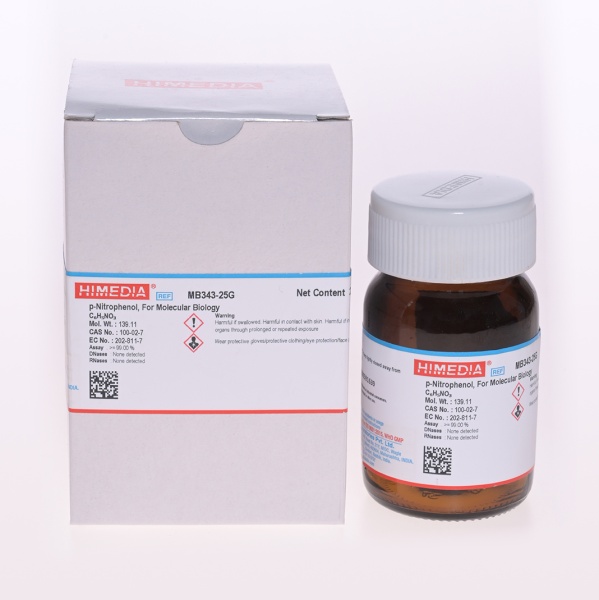
Para-nitrophenol, chemically represented as $C6H5NO_3$, is a yellow crystalline solid derived from the nitration of phenol. While its chemical properties are of interest to laboratory chemists, its market value is derived from its function as a versatile building block. From a business perspective, PNP is categorized as a high-demand intermediate.

Industrial Utility and Market Demand
The primary value of para-nitrophenol lies in its role as a precursor. It is a critical component in the production of parathion—an organophosphate insecticide—and serves as a foundational element in the synthesis of phenacetin, a pain reliever and fever reducer. Furthermore, it is widely utilized in the manufacturing of various rubber chemicals, fungicides, and dyes.
For the business-minded observer, the demand for PNP is inextricably linked to the global agricultural and pharmaceutical sectors. As emerging economies continue to modernize their agricultural practices, the demand for effective crop protection chemicals remains a steady growth driver. Similarly, the pharmaceutical industry’s reliance on PNP for specific API (Active Pharmaceutical Ingredient) syntheses creates a recurring revenue stream for large-scale chemical manufacturers.
Supply Chain and Manufacturing Dynamics
The manufacturing process for para-nitrophenol typically involves the nitration of phenol with nitric acid. This process results in a mixture of ortho-nitrophenol and para-nitrophenol, necessitating a separation phase—usually through steam distillation. The efficiency of this separation process directly impacts the cost of goods sold (COGS) for manufacturers.
Investors looking at the chemical sector must pay close attention to the energy-intensive nature of this production. Fluctuations in energy prices, particularly natural gas and oil, create significant volatility in the profit margins of chemical producers. Companies that possess proprietary, energy-efficient separation technologies often command a stronger competitive moat, leading to higher enterprise value and long-term shareholder returns.
Strategic Importance in Global Trade and Regulatory Landscapes
The market for para-nitrophenol is not merely dictated by chemical properties but is heavily influenced by the regulatory and geopolitical environment. As an intermediate, PNP is subject to stringent environmental and safety regulations that impact its global trade flow and pricing.
Regulatory Compliance as a Business Moat
In major chemical-producing hubs like China, India, and the European Union, the “license to operate” for manufacturers of PNP is increasingly tied to strict environmental compliance. Because the production process generates waste streams that require intensive treatment, smaller, less-capitalized firms are often pushed out of the market by rising compliance costs.
For the astute investor, this suggests a consolidation trend. Larger chemical conglomerates with the infrastructure to handle complex waste management are gaining market share, effectively turning regulatory hurdles into defensive moats. When analyzing the financial statements of manufacturers within this space, one should look for capital expenditure (CapEx) trends related to sustainability and “green chemistry” initiatives, as these are the firms likely to maintain long-term market dominance.

Geopolitical Supply Chain Dependencies
The concentration of para-nitrophenol production in specific geographic regions poses a risk—and an opportunity—for global supply chains. A large percentage of the world’s PNP output originates in Asia. Disruptions in these regions, whether due to pandemic-related lockdowns, localized environmental shutdowns, or shifting trade tariffs, can send shockwaves through the downstream industries that rely on this chemical.
Companies that have diversified their sourcing or invested in vertical integration—moving from raw materials to final intermediate production—tend to perform better during these cycles of disruption. For firms managing large portfolios, evaluating the supply chain resilience of companies that utilize PNP is a crucial metric for gauging operational risk.
Financial Implications: Investing in the Specialty Chemical Sector
Investing in chemicals is often viewed as a cyclical endeavor, tied to the broader health of the industrial economy. However, specialized intermediates like para-nitrophenol offer a slightly different narrative. Because PNP is a “must-have” input for essential industries like medicine and agriculture, the demand is often more inelastic than that of consumer-grade commodities.
Assessing Margin Expansion Opportunities
When evaluating a manufacturer of para-nitrophenol, analysts focus on “value-add” metrics. Companies that move beyond the simple production of PNP into downstream derivative manufacturing capture a higher percentage of the value chain. By integrating the production of pesticides or pharmaceuticals, these firms insulate themselves from the price fluctuations of the raw intermediate.
If you are evaluating the financial health of a chemical manufacturer, compare the following:
- Operating Margin Trends: Are they rising as the firm automates its separation processes?
- Asset Turnover: How effectively is the firm utilizing its physical plant assets to produce high-purity PNP?
- R&D Expenditure: Is the company investing in cleaner, more efficient catalytic processes to produce nitrophenols?
The Role of Market Forecasting
Predicting the revenue growth of firms within the PNP market requires a dual approach. First, one must monitor agricultural commodity prices. High prices for crops typically incentivize increased use of pesticides, which translates into higher demand for PNP-derived insecticides. Second, one must monitor the pharmaceutical pipeline. As aging populations in the West and a growing middle class in the East drive demand for generic and branded medications, the requirement for reliable chemical intermediates only grows.
While PNP may not appear in the headlines like AI software or consumer tech, it is a foundational asset for industrial growth. From a portfolio management perspective, holding positions in companies that dominate the specialty chemical supply chain provides an essential hedge against the volatility of more speculative sectors.
Future Outlook: Technology and Sustainability in Chemical Production
The future of para-nitrophenol production is being reshaped by the intersection of green chemistry and digital process control. Technology is no longer an optional overlay in the chemical sector; it is a fundamental driver of cost reduction and compliance.
Digital Transformation of Chemical Plants
Modern chemical plants are increasingly implementing AI-driven monitoring systems. These tools optimize the temperature and pressure during the nitration of phenol, reducing the generation of unwanted side products and increasing yield. For a company, this digital transition translates directly into lower waste-disposal costs and higher throughput. When analyzing companies in the chemical sector, look for those heavily investing in “Industry 4.0” technologies, as these are the firms positioned to capture the highest margins in the coming decade.
Sustainable Investment Trends (ESG)
The ESG (Environmental, Social, and Governance) movement is forcing a rethink of how chemicals like PNP are manufactured. The traditional wet-chemical processes are being challenged by cleaner alternatives. Companies that successfully pivot toward bio-based or flow-chemistry production methods are attracting significant interest from institutional investors. These firms are not only reducing their carbon footprint but are also aligning themselves with future regulatory standards, which significantly reduces the risk of long-term asset impairment.
In conclusion, para-nitrophenol is much more than a laboratory curiosity. It is a vital industrial commodity that bridges the gap between raw natural resources and essential end-products. For the professional investor and the business analyst, the story of PNP is one of supply chain logistics, the power of defensive moats created by regulation, and the potential for financial gains through technological adaptation. By understanding the underlying economic forces that govern the production and distribution of this chemical, one gains a clearer view of the operational machinery that powers our global economy. Whether you are analyzing a firm’s competitive position or scanning for long-term growth opportunities, the study of specialty chemical intermediates remains a high-value pursuit in the world of industrial finance.
aViewFromTheCave is a participant in the Amazon Services LLC Associates Program, an affiliate advertising program designed to provide a means for sites to earn advertising fees by advertising and linking to Amazon.com. Amazon, the Amazon logo, AmazonSupply, and the AmazonSupply logo are trademarks of Amazon.com, Inc. or its affiliates. As an Amazon Associate we earn affiliate commissions from qualifying purchases.