
In the intricate world of finance and taxation, few levies are as ubiquitous yet often misunderstood as the occupancy tax. Known by a multitude of names – transient occupancy tax (TOT), hotel tax, lodging tax, or even tourism tax – this specialized sales tax plays a pivotal role in the financial ecosystem of countless cities, counties, and states worldwide. Far from being a mere bureaucratic detail, understanding occupancy tax is crucial for anyone involved in the travel and hospitality industry, from seasoned hoteliers and short-term rental hosts to local government officials and, indeed, the travelers themselves.
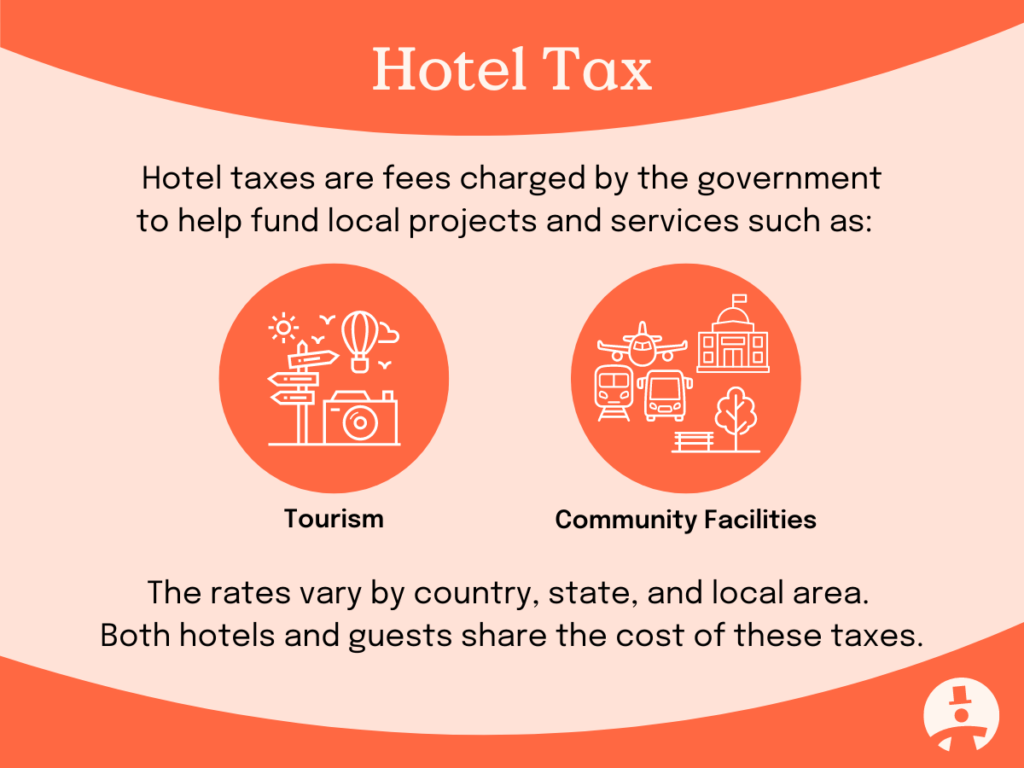
At its core, occupancy tax is a charge imposed on guests for the temporary use of lodging accommodations. This can include hotels, motels, bed and breakfasts, vacation rentals, campgrounds, and even cruise ship cabins, depending on the jurisdiction. Unlike a general sales tax that applies to a broad range of goods and services, the occupancy tax is specifically targeted at transient stays, reflecting a legislative intent to have visitors contribute to the local economy and infrastructure they utilize during their visit. Its primary purpose extends beyond simple revenue generation; it’s a strategic tool for local governments to fund essential public services, promote tourism, and enhance the overall visitor experience, without solely burdening their permanent residents. Grasping the nuances of occupancy tax is not just about compliance; it’s about appreciating its profound economic and social implications, shaping everything from travel costs to community development.
Understanding the Fundamentals of Occupancy Tax
To truly comprehend the significance of occupancy tax, one must delve into its fundamental structure, purpose, and the diverse ways in which it is applied across various jurisdictions. This foundational understanding is key to demystifying a tax that, while seemingly straightforward, is rife with local specificities.
Definition and Core Purpose
Occupancy tax is, by definition, a levy on the rental income derived from temporary accommodations. It is typically calculated as a percentage of the room rate, though some jurisdictions may implement a flat fee per night or a hybrid model. The “transient” aspect is critical; it generally applies to stays below a certain duration, often 30 consecutive days, distinguishing it from residential leases. The core purpose of this tax is multifaceted. Primarily, it serves as a significant revenue stream for local governments, allowing them to fund a wide array of public services that benefit both residents and visitors. These can range from essential infrastructure like roads and public transportation to cultural amenities, parks, and emergency services. Beyond direct public services, a substantial portion of occupancy tax revenue is frequently earmarked for tourism promotion and development, including funding visitor centers, marketing campaigns, convention facilities, and special events designed to attract more tourists and boost the local economy.
How it’s Calculated
The calculation of occupancy tax is not universally standardized, making it a point of critical attention for accommodation providers. Most commonly, it’s a percentage of the gross room rental amount. For instance, a 10% occupancy tax on a $100 room rate would add $10 to the guest’s bill. However, what constitutes the “gross room rental amount” can vary. Some jurisdictions include mandatory resort fees, cleaning fees, or even parking charges in the taxable base, while others explicitly exclude them. Certain areas might also apply different rates based on the type of accommodation (e.g., hotels versus campgrounds) or the number of rooms. Furthermore, it’s common for multiple layers of occupancy tax to exist: a city tax, a county tax, and sometimes even a state-level tax, all stacking on top of each other and often on top of general sales tax. This tiered system necessitates meticulous calculation to ensure accuracy.
Jurisdictional Variation
Perhaps the most challenging aspect of occupancy tax is its vast jurisdictional variation. Unlike federal income tax, there is no single, overarching occupancy tax law in many countries. Instead, rates, rules, exemptions, and definitions are determined at the state, county, and municipal levels, leading to a patchwork of regulations that can differ dramatically even between neighboring towns. A hotel in one city might face an 8% occupancy tax, while a property just miles away in another municipality could face a 15% rate, potentially split between city and county levies. These variations extend to exemptions as well, which might include government employees on official business, long-term residents (exceeding the transient threshold), or non-profit organizations. This hyper-local nature means that accommodation providers operating in multiple locations, or even just crossing municipal lines, must diligently research and comply with each specific jurisdiction’s requirements. The complexity underscores the importance of staying informed and, often, seeking professional financial advice tailored to specific operational geographies.
Who Pays and Who Collects: The Stakeholders
The flow of occupancy tax involves a clear chain of responsibility, impacting various stakeholders from the moment a booking is made until the funds are remitted to government coffers. Understanding these roles clarifies the financial dynamics and legal obligations associated with this specialized tax.
The Consumer’s Role (The Payer)
At the ultimate point of impact, it is the traveler, or the guest, who bears the financial burden of the occupancy tax. When a guest books a hotel room or a short-term rental, the quoted price for the accommodation will typically have the occupancy tax added as a separate line item on their bill or invoice, along with any other applicable taxes (like general sales tax) and fees. This transparency is crucial, as it allows consumers to see how much of their payment is going towards the room itself versus how much is being collected for various governmental levies. From the consumer’s perspective, occupancy tax directly increases the total cost of travel, which can influence budgeting decisions, especially for extended stays or in destinations with high tax rates. While they are the ultimate payers, their direct responsibility ends with paying the bill; the subsequent collection and remittance are handled by the accommodation provider.
The Accommodation Provider’s Role (The Collector)
The onus of collecting and remitting occupancy tax falls squarely on the shoulders of the accommodation provider. This includes a broad spectrum of entities: traditional hotels, motels, resorts, bed and breakfasts, and increasingly, individual hosts offering short-term rentals through platforms like Airbnb and Vrbo. These providers act as fiduciaries, essentially collecting money on behalf of the government. Their responsibilities are significant and multi-faceted:
-
Collection: Accurately calculating the correct tax amount based on the room rate and applicable local regulations.
-
Disclosure: Clearly itemizing the occupancy tax on guest invoices.
-
Remittance: Periodically (e.g., monthly, quarterly) sending the collected tax revenue to the appropriate city, county, or state tax authorities.
-
Record-keeping: Maintaining detailed records of all transactions, collected taxes, and remittances for audit purposes.
Failure to properly collect, remit, or report occupancy taxes can lead to severe penalties, including fines, interest charges, and even legal action. This role requires meticulous accounting practices and an up-to-date understanding of local tax codes.
The Government’s Role (The Beneficiary)
Local governments – cities, counties, and sometimes state tourism boards – are the ultimate beneficiaries of occupancy tax revenue. They are responsible for establishing the tax rates, defining what is taxable, outlining collection and remittance procedures, and enforcing compliance. Once collected, these funds are typically directed towards specific municipal or regional initiatives. As discussed, a significant portion often funds public services like road maintenance, police and fire departments, parks, and libraries. Crucially, a substantial share is frequently allocated to tourism promotion, economic development initiatives, and the maintenance of tourism-related infrastructure such as convention centers, sports arenas, and cultural venues. The government’s role extends to ensuring transparency in how these funds are utilized, often providing public reports or budgets detailing the allocation of occupancy tax revenues. This creates a cyclical relationship where tourist dollars contribute to the very services and attractions that draw more tourists, aiming for sustainable growth within the local economy.
The Economic and Social Impact of Occupancy Tax
Beyond its administrative function, occupancy tax exerts a profound economic and social influence on destinations, shaping development, influencing tourism, and sometimes sparking debate among stakeholders. Its impact is a delicate balance of benefits and potential drawbacks.
Funding Local Services and Infrastructure
One of the most direct and universally lauded benefits of occupancy tax is its role in funding essential local services and infrastructure. Revenues generated from temporary accommodations often directly contribute to the upkeep and enhancement of public goods that benefit both residents and visitors alike. This includes, but is not limited to, maintaining roads and public transportation networks that facilitate travel, supporting police and fire departments that ensure safety, and investing in public parks, libraries, and cultural centers that enrich community life. For many municipalities, especially those with robust tourism sectors, occupancy tax represents a substantial and stable income stream that alleviates pressure on property taxes or other general funds, allowing local governments to provide a higher quality of life for their permanent residents while simultaneously catering to the needs of their temporary guests. It effectively shifts some of the cost of public services onto those who are temporarily utilizing them.
Promoting Tourism and Economic Development
A significant portion of occupancy tax revenue is frequently earmarked for initiatives aimed at promoting tourism and fostering broader economic development. This strategic allocation fuels a virtuous cycle: tax dollars are invested in marketing campaigns that showcase the destination, attract conventions and events, and fund visitor centers that enhance the guest experience. Such investments directly translate into increased visitor numbers, which in turn generate more occupancy tax revenue. Beyond marketing, these funds are often used to maintain and upgrade tourism-related infrastructure, such as convention centers, sports facilities, and cultural attractions, making the destination more appealing. The resulting boost in tourism stimulates the local economy by supporting hotels, restaurants, retail shops, and tour operators, leading to job creation and increased spending across various sectors. This strategic use of tax revenue is a powerful tool for destinations looking to enhance their global competitiveness and secure long-term economic prosperity.
Potential Drawbacks and Criticisms
Despite its numerous benefits, occupancy tax is not without its critics and potential drawbacks. One common concern revolves around its impact on tourism competitiveness. Higher occupancy tax rates can increase the total cost of travel, potentially making a destination less attractive compared to competitors with lower taxes. This can particularly affect budget-conscious travelers or groups planning large events. Another criticism pertains to the potential for misallocation of funds. While the stated purpose is often to benefit tourism or local services, there can be debates over whether the funds are truly spent in ways that directly align with these goals, or if they are diverted to less impactful projects. Additionally, the administrative burden of collection and remittance can be particularly challenging for small businesses and independent short-term rental hosts, who may lack the sophisticated accounting systems of larger hotel chains. Ensuring compliance across thousands of individual hosts presents a unique challenge for local authorities, creating a complex enforcement landscape.
Addressing the “Fair Share” Argument
The concept of occupancy tax inherently involves a “fair share” argument. Proponents argue that visitors, who utilize local infrastructure and services (roads, public safety, waste management) without contributing to the property tax base, should contribute their share to the community’s upkeep. This tax is seen as an equitable way to capture some of the economic value generated by tourism and redistribute it to offset the costs imposed on the local community. It helps ensure that the benefits of tourism are broadly shared and that the negative externalities (like increased traffic or strain on public resources) are at least partially mitigated. Conversely, some argue that tourists already contribute significantly through sales taxes on goods and services, and that an additional occupancy tax could be perceived as an unwelcome surcharge, potentially discouraging repeat visits or deterring new ones. Striking the right balance between generating sufficient revenue and maintaining an attractive, competitive tourism market is an ongoing challenge for policymakers.
Navigating Occupancy Tax Compliance
For accommodation providers, navigating the complexities of occupancy tax compliance is a critical aspect of business operations within the Money niche. Failure to comply can result in significant financial penalties and legal issues, making accurate understanding and diligent adherence paramount.
Registration and Licensing Requirements
The journey to compliance begins with proper registration. Before collecting any occupancy tax, accommodation providers—whether a new hotel, a guesthouse, or an individual offering a spare room on a short-term rental platform—must typically register with the relevant local tax authorities. This process often involves obtaining a specific tax permit or license that authorizes the collection of occupancy tax. The exact requirements vary widely by jurisdiction; some cities may require a business license in addition to a transient occupancy tax certificate, while others might have a simpler consolidated registration. It is imperative for providers to research and identify all applicable state, county, and municipal registration requirements in their specific location. This initial step establishes a legal framework for operation and ensures the provider is officially recognized as a tax collector for the government, setting the stage for proper collection and remittance.
Collection and Remittance Procedures
Once registered, the ongoing process involves accurate collection and timely remittance of the tax. Accommodation providers are responsible for calculating the correct occupancy tax amount for each booking, clearly itemizing it on guest invoices, and then collecting it from the guest. The collected funds must then be held separate from other business revenues, as they are technically government funds. Remittance procedures dictate how often the collected taxes must be submitted to the tax authority—commonly on a monthly or quarterly basis—and specify the forms to be completed and the acceptable payment methods. Most jurisdictions provide online portals for filing and payment, simplifying the process for businesses. Meticulous record-keeping is non-negotiable; providers must retain detailed transaction records, including booking dates, room rates, tax collected, and remittance receipts, for a specified period (often several years) in case of an audit. Adhering strictly to these deadlines and procedures is essential to avoid penalties such as late fees, interest charges, or even more severe legal repercussions.
The Rise of Platform-Facilitated Collection
The advent of online short-term rental platforms like Airbnb, Vrbo, and Booking.com has significantly impacted occupancy tax compliance, especially for individual hosts. Recognizing the immense administrative burden on individual property owners, many of these platforms have entered into agreements with various local and state governments to automatically collect and remit occupancy taxes on behalf of their hosts for bookings made through their sites. This “platform-facilitated collection” streamlines the process for hosts, ensuring compliance without them having to individually register, collect, and remit. However, it’s crucial for hosts to understand that this service is not universal. Platform agreements are jurisdiction-specific; an Airbnb host in one city might have their taxes handled, while a host in a neighboring town might still be solely responsible. Furthermore, if a host receives bookings outside of the platform (e.g., direct bookings), they remain entirely responsible for collecting and remitting taxes for those stays. Hosts must always verify the specific tax collection policies of their platform in their location and understand their remaining obligations.
Penalties for Non-Compliance
The financial and legal ramifications of non-compliance with occupancy tax regulations can be substantial. Penalties typically vary depending on the severity and duration of the non-compliance, but can include:
-
Late Payment Penalties: A percentage of the unpaid tax, increasing with time.
-
Interest Charges: Accrued interest on underpaid or unpaid taxes.
-
Fines: Specific monetary penalties imposed by the taxing authority.
-
Audits: Tax authorities can conduct audits to verify compliance, which can be time-consuming and costly for businesses.
-
Legal Action: In severe cases, particularly involving intentional evasion or significant underpayment, legal proceedings could lead to higher fines, business closure, or even criminal charges.
Accommodation providers have a fiduciary duty to collect and remit these taxes. Mismanaging these funds can be treated with the same gravity as misusing any trust fund. Therefore, understanding all obligations, maintaining accurate records, and, when in doubt, consulting with financial professionals or tax advisors specializing in hospitality taxes is an indispensable safeguard against inadvertent errors and costly penalties.
The Future of Occupancy Tax in the Digital Age
As technology continues to reshape industries, the landscape of occupancy tax is also evolving, driven by the proliferation of the gig economy, advancements in digital solutions, and an increasing demand for transparency. These forces are poised to redefine how occupancy taxes are managed, collected, and utilized.
The Gig Economy and Short-Term Rentals
The explosion of the short-term rental market, primarily fueled by platforms operating within the gig economy, has presented both challenges and opportunities for occupancy tax collection. Traditional tax frameworks were designed for hotels with fixed addresses and established business structures, making it difficult to integrate countless individual hosts operating out of private residences. Initially, many short-term rentals went untaxed, creating an uneven playing field and revenue shortfalls for local governments. However, as the sector matured, jurisdictions globally began to adapt. This led to the aforementioned platform-facilitated collection agreements, new registration requirements for hosts, and in some cases, specific zoning laws and licensing for short-term rentals. The future will likely see further harmonization and refinement of these regulations, aiming for more comprehensive coverage and equitable taxation across all types of temporary lodging, blurring the lines between traditional hospitality and the sharing economy.
Technological Solutions for Compliance
The digital age offers powerful solutions to the complexities of occupancy tax compliance. For accommodation providers, particularly smaller businesses and individual hosts, dedicated tax software and accounting platforms are becoming indispensable. These tools can automate the calculation of occupancy taxes based on location-specific rules, integrate with booking platforms, generate required reports, and even facilitate direct remittance to tax authorities. This automation significantly reduces the potential for human error, streamlines administrative tasks, and ensures timely compliance. Furthermore, governments themselves are leveraging technology, with advanced data analytics and AI tools assisting in identifying unregistered properties, monitoring compliance, and ensuring fair collection. The move towards digital platforms for registration, filing, and payment is set to make the entire process more efficient and transparent for all stakeholders.
Transparency and Accountability
In an era of increased public scrutiny, there’s a growing demand for greater transparency and accountability regarding how occupancy tax revenues are utilized. Travelers and residents alike want to see clear evidence that the funds collected are indeed being directed towards the stated goals of funding public services and promoting tourism. Future trends will likely involve more detailed public reporting by local governments, potentially outlining specific projects funded by occupancy tax, measurable outcomes, and the economic impact generated. This increased transparency can foster greater public trust and support for the tax, demonstrating its tangible benefits to the community and economy. It can also help to mitigate some of the criticisms related to potential misallocation of funds, ensuring that the “tourism tax” truly serves its intended purpose.
Global Trends and Harmonization Efforts
While occupancy tax remains largely a local phenomenon, there are growing discussions and efforts towards some level of harmonization or best practice sharing across different regions and even countries. As international travel becomes more common and digital platforms operate globally, the complexities of differing tax rates and rules can be a barrier. While full global standardization is unlikely given the local nature of funding needs, trends suggest a move towards clearer definitions, more consistent application for similar types of accommodations, and potentially greater ease of cross-border compliance through digital solutions. Governments are also learning from each other’s successes and challenges in regulating the short-term rental market, leading to more sophisticated and adaptive legislative approaches. The future of occupancy tax is one of continuous evolution, adapting to new business models, leveraging technological advancements, and striving for greater fairness and efficiency in its application.

Conclusion
Occupancy tax, under its many guises, is far more than a simple surcharge on a hotel bill; it is a sophisticated financial instrument with profound implications for local economies, urban development, and the global tourism industry. From its foundational role in funding vital public services and propelling economic growth through tourism promotion, to the intricate compliance obligations it places on accommodation providers, this tax weaves itself into the fabric of the Money niche with undeniable significance.
Understanding occupancy tax empowers travelers to better budget for their journeys, enables businesses to operate compliantly and sustainably, and equips local governments with a critical revenue stream to invest in their communities. As the travel landscape continues to evolve, particularly with the rise of the sharing economy and advanced digital tools, occupancy tax will undoubtedly adapt, becoming even more integrated and, hopefully, more transparent in its collection and utilization. Its ongoing relevance underscores the dynamic interplay between commerce, public finance, and community well-being, solidifying its position as a cornerstone of modern financial governance in a transient world.
aViewFromTheCave is a participant in the Amazon Services LLC Associates Program, an affiliate advertising program designed to provide a means for sites to earn advertising fees by advertising and linking to Amazon.com. Amazon, the Amazon logo, AmazonSupply, and the AmazonSupply logo are trademarks of Amazon.com, Inc. or its affiliates. As an Amazon Associate we earn affiliate commissions from qualifying purchases.