
Oak wilt, caused by the fungus Bretziella fagacearum, is a devastating disease that primarily affects oak trees, particularly red oaks, across North America. While often discussed in ecological and arboricultural contexts, the true gravity of oak wilt extends far beyond the botanical, posing a significant and often underestimated financial threat to homeowners, businesses, and entire communities. Understanding “what is oak wilt” from a monetary perspective reveals a complex web of direct and indirect costs, hidden liabilities, and lost investment opportunities that demand strategic financial planning and proactive management. It’s not merely an environmental blight; it’s an economic drain.
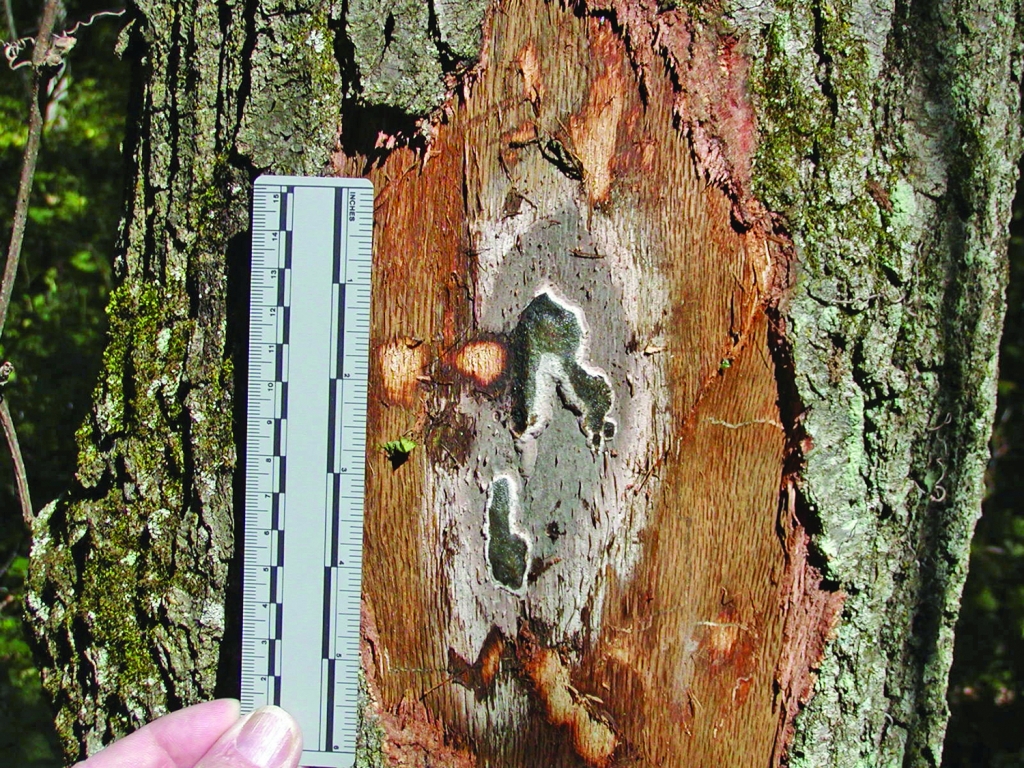
The Hidden Costs of Oak Wilt for Homeowners
For the average homeowner, a mature oak tree can be a cherished asset, providing shade, beauty, and ecological benefits. However, when oak wilt strikes, this asset can quickly transform into a substantial financial liability. The disease spreads rapidly, often leading to the death of an infected tree within weeks or months, creating a cascade of expenses.
Property Value Depreciation
The presence of diseased or dead trees on a property significantly detracts from its aesthetic appeal, commonly known as “curb appeal.” Real estate values are intrinsically linked to the overall condition and visual attractiveness of a property, including its landscaping. A once magnificent oak, now barren or visibly dying, can reduce a property’s market desirability and, consequently, its appraised value. Prospective buyers often factor in the cost and effort of removing diseased trees and the long-term impact on the landscape when making offers. Replacing a mature oak tree, which might have taken decades to grow, is an expensive endeavor, with the cost of purchasing and planting a young, substantial tree easily running into thousands of dollars, without immediately regaining the aesthetic or environmental benefits of its predecessor. This immediate hit to property value and the long-term cost of restoration represent a significant financial loss for the homeowner.
Prevention and Treatment Expenses
The adage “an ounce of prevention is worth a pound of cure” holds particular financial weight when dealing with oak wilt. Proactive measures, while incurring some cost, are often considerably less expensive than managing an outbreak. Prevention typically involves strategic pruning (avoiding cuts during peak infection periods), root graft disruption to prevent underground spread, and the application of fungicides like propiconazole. Fungicide injections, performed by certified arborists, can cost hundreds to over a thousand dollars per tree, depending on its size. While these treatments offer a degree of protection and can sometimes save an infected tree if caught early, they represent a recurring expense. Homeowners must budget for these services, weighing the upfront cost against the potentially devastating financial consequences of unchecked disease progression, which includes the full cost of tree removal and property value loss. The financial decision often becomes: invest in ongoing maintenance or risk a much larger, unavoidable expense later.
Removal and Disposal Charges
Once an oak tree succumbs to oak wilt, its removal becomes not just an aesthetic necessity but often a safety imperative. Dead trees, especially large ones, pose a significant risk of falling, potentially damaging homes, vehicles, or injuring individuals. The cost of safely removing a large, diseased oak tree can be astronomical, particularly if it’s located close to structures, power lines, or in hard-to-access areas. Professional tree removal services utilize specialized equipment and highly trained personnel, and their fees can range from several hundred to several thousand dollars per tree. This cost typically includes felling the tree, cutting it into manageable pieces, hauling away the debris, and sometimes stump grinding. For homeowners, this is an unexpected, often unfunded expense that can significantly strain personal finances, especially when multiple trees are affected or if the removal requires complex rigging and advanced safety protocols. The financial impact is immediate and substantial.
Business Finance: The Impact on Industries and Income Streams
Beyond individual homeowners, oak wilt inflicts significant financial damage across various industries, disrupting supply chains, increasing operational costs, and impacting long-term investment strategies.
Forestry and Timber Industry Losses
The forestry and timber industry views oak wilt as an existential threat. Oak species, particularly red oaks, are highly valued for their hardwood, used in furniture, flooring, cabinetry, and construction. A severe oak wilt outbreak can decimate vast stands of timber, leading to substantial revenue losses for landowners, logging companies, and mills. Unlike other diseases that might weaken a tree over years, oak wilt kills rapidly, meaning there is often little opportunity for salvage logging once an infection takes hold. The long-term investment horizon in forestry — where trees are cultivated for decades before harvest — is profoundly disrupted. Companies face reduced timber availability, increased procurement costs to source wood from uninfected areas, and a depreciation of their timberland assets. This directly impacts profitability, investment in new equipment, and even employment in timber-dependent communities. The economic ripple effect can be felt throughout regional economies reliant on sustainable forestry.
Landscaping and Arboriculture Services
While tree diseases generally create a demand for arboricultural services, oak wilt presents a dual financial challenge and opportunity. On one hand, it drives revenue for tree removal, treatment, and replanting services. Arborists become critical partners for homeowners and municipalities in managing outbreaks. However, for landscaping companies, it shifts their focus from routine maintenance and aesthetic projects to emergency response and disease management, which can be more complex and resource-intensive. Nurseries, too, face challenges in sourcing and selling healthy oak saplings, potentially impacting their inventory and sales. They must invest more in disease-free certification and educational initiatives for their customers. The industry as a whole must adapt its business models, investing in specialized training, equipment for disease detection and treatment, and client education, all of which have financial implications for overhead and service pricing.
Nurseries and Real Estate Development

Nurseries play a crucial role in providing trees for landscaping and reforestation. An increase in oak wilt can disrupt their operations, requiring them to be more vigilant about the health of their stock, potentially leading to increased costs for testing, quarantine procedures, and the culling of infected trees. This directly impacts their profitability and the availability of oak species for consumers and commercial projects. For real estate developers, especially those planning communities around existing natural oak stands, oak wilt presents a significant financial risk. The promise of mature trees can be a key selling point for new homes, but an outbreak can quickly eliminate this amenity, leading to unforeseen costs for removal, replanting, and potential delays in project completion. Developers must now factor in the risk of oak wilt into their initial planning, budgeting for preventative measures or the potential loss of valuable natural assets, impacting project viability and profit margins.
Community-Wide Economic Repercussions and Public Investment
Oak wilt is not just a private property issue; it is a public menace with broad economic consequences that demand significant public investment and can erode a community’s financial well-being.
Municipal Budgets and Urban Canopy Management
Cities and towns often bear a substantial financial burden from oak wilt. Municipalities are responsible for managing public trees in parks, along streets, and in other common areas. An outbreak requires allocating significant funds from already strained public budgets for large-scale tree removal, stump grinding, disposal, and the subsequent replanting efforts. The cost of maintaining a healthy urban canopy is considerable, and oak wilt dramatically increases these expenses. Furthermore, the loss of mature urban oaks diminishes the economic value of ecosystem services they provide — such as reducing energy consumption through shade, improving air quality, managing stormwater runoff, and enhancing property values. These services have quantifiable financial benefits, and their reduction translates into increased costs for infrastructure, energy, and public health, indirectly impacting taxpayers.
Tourism and Local Economies
Many regions leverage their natural beauty, including iconic oak landscapes, to attract tourists. Parks, historical sites, and scenic drives often feature majestic oak trees as central attractions. The widespread loss of these trees due to oak wilt can significantly diminish a region’s appeal, potentially leading to a decline in tourism revenue. Local businesses dependent on tourism, such as hotels, restaurants, and souvenir shops, can experience reduced income. This ripple effect can weaken local economies, impacting employment and tax revenues. Preserving these natural assets through proactive oak wilt management becomes an investment in the long-term economic vitality of a community, emphasizing that natural capital often translates directly into financial capital.
Insurance Implications
For homeowners, the financial fallout of oak wilt is rarely mitigated by insurance. Most standard homeowner’s insurance policies typically do not cover tree removal costs if the tree falls due to disease, rot, or insect infestation. Coverage is usually limited to instances where a healthy tree falls onto a covered structure due or a named peril, such as a storm. This means that the entire financial burden of oak wilt — from prevention and treatment to removal and property value loss — often falls squarely on the homeowner. This lack of insurance protection underscores the critical importance of personal financial planning and budgeting for tree health and potential removal, treating mature trees not just as aesthetic elements but as significant financial assets or liabilities requiring dedicated financial oversight.
Strategic Financial Planning to Mitigate Oak Wilt Risks
Given the extensive financial implications, a proactive and strategic approach to managing oak wilt is paramount for individuals and entities alike. This involves integrating tree health into broader financial planning.
Budgeting for Tree Health and Maintenance
Just as homeowners budget for roof repairs or appliance maintenance, they should allocate funds for tree health. This includes regular inspections by certified arborists, preventative treatments, and professional pruning. For businesses with significant tree assets, incorporating tree health management into annual operating budgets is crucial. These investments are not merely expenses but rather strategic allocations designed to protect existing assets, prevent larger future costs, and maintain property values. Proactive budgeting for tree care can avert the sudden, large, and often unbudgeted expenses associated with oak wilt removal and property depreciation, ensuring greater financial stability.
Investment in Diversified Landscaping
From a financial risk management perspective, relying heavily on a single tree species, especially one susceptible to a devastating disease like oak wilt, is akin to an undiversified investment portfolio. Homeowners, developers, and municipalities can mitigate risk by investing in diversified landscaping plans that include a variety of tree species less susceptible to common diseases. This strategy ensures that if one species is affected, the entire landscape (and its associated financial value) is not lost. Diversification safeguards the long-term aesthetic and economic value of property and public spaces, reducing the financial vulnerability to single-point failures like oak wilt.

Engaging Financial and Arboricultural Professionals
Navigating the financial and biological complexities of oak wilt requires expert guidance. Homeowners and businesses should consult with certified arborists for accurate diagnosis, treatment options, and long-term tree health management plans. Simultaneously, engaging with financial planners or property valuation experts can help assess the financial impact on assets, plan for large expenses, and understand insurance limitations. Arborists can provide cost estimates for prevention, treatment, and removal, allowing these figures to be incorporated into personal or business budgets, ensuring that financial decisions regarding tree health are informed and strategic. This integrated approach leverages specialized knowledge to protect both the trees and the financial well-being of the stakeholders.
In conclusion, “what is oak wilt” extends far beyond a biological definition; it is a financial challenge of significant proportions. From the immediate costs of removal and treatment to the long-term impacts on property values, business revenues, and municipal budgets, oak wilt represents a stealthy but potent threat to economic stability. Recognizing its financial implications is the first step toward developing robust, proactive financial strategies for prevention, mitigation, and recovery, ultimately safeguarding our assets and investments against this silent destroyer of one of nature’s most valuable resources.
aViewFromTheCave is a participant in the Amazon Services LLC Associates Program, an affiliate advertising program designed to provide a means for sites to earn advertising fees by advertising and linking to Amazon.com. Amazon, the Amazon logo, AmazonSupply, and the AmazonSupply logo are trademarks of Amazon.com, Inc. or its affiliates. As an Amazon Associate we earn affiliate commissions from qualifying purchases.