
Nevada, often celebrated for its vibrant entertainment, stunning desert landscapes, and business-friendly policies, operates under a sales tax system that plays a crucial role in funding its public services. For residents, businesses, and even visitors, understanding the intricacies of “what is Nevada sales tax” is more than a mere curiosity; it’s a fundamental aspect of financial literacy and compliance within the Silver State. Far from being a flat, simple percentage across the board, Nevada’s sales tax is a dynamic system influenced by state statutes and local county ordinances, impacting everything from daily purchases to large-scale business transactions.
This comprehensive guide delves into the core components of Nevada’s sales tax, demystifying its rates, taxable items, and the critical obligations it imposes on businesses. We’ll explore its economic impact, how its revenue is utilized, and offer practical insights for navigating its complexities. Whether you’re a long-time resident, an aspiring entrepreneur, or simply passing through, a clear grasp of Nevada’s sales tax landscape is essential for informed financial decisions and seamless operation within this unique economic environment.
Understanding the Fundamentals of Nevada Sales Tax
At its heart, Nevada’s sales tax is a consumption tax levied on the sale of tangible personal property and certain services within the state. Unlike income tax, which is based on earnings, sales tax is applied at the point of purchase, making it a ubiquitous part of daily transactions. Grasping its foundational elements is the first step toward effective financial management and compliance.
The Statewide Sales Tax Rate
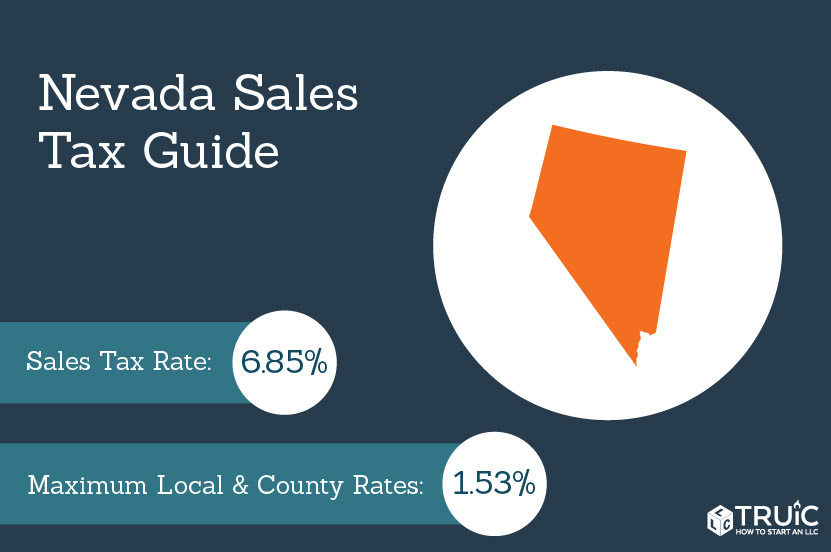
Nevada establishes a base sales tax rate that applies uniformly across all counties. This statewide rate is a fixed percentage of the sales price of taxable goods and services. Currently, the statewide sales tax rate in Nevada is 4.6%. This percentage serves as the bedrock upon which all additional local sales taxes are built. It’s a critical figure to remember, as it forms the minimum tax applied to eligible transactions regardless of where in Nevada the purchase is made. This rate is set by the Nevada Legislature and is subject to change based on legislative action, typically in response to budgetary needs or economic shifts within the state.
Local Option Sales Taxes
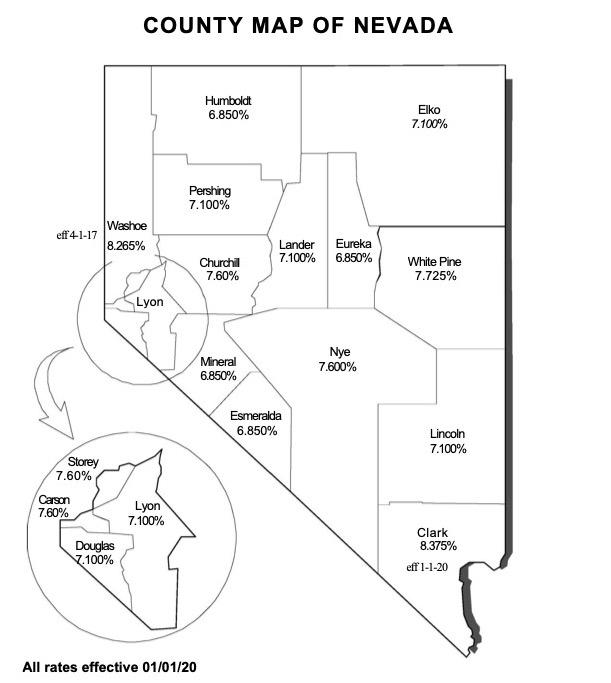
While the 4.6% statewide rate is constant, the total sales tax paid by consumers varies significantly across Nevada’s counties. This variation is due to “local option sales taxes.” These are additional sales taxes that individual counties are authorized to impose, often with voter approval, to fund specific local initiatives or services. For instance, counties might add taxes to support public transit, infrastructure projects, law enforcement, or educational programs.
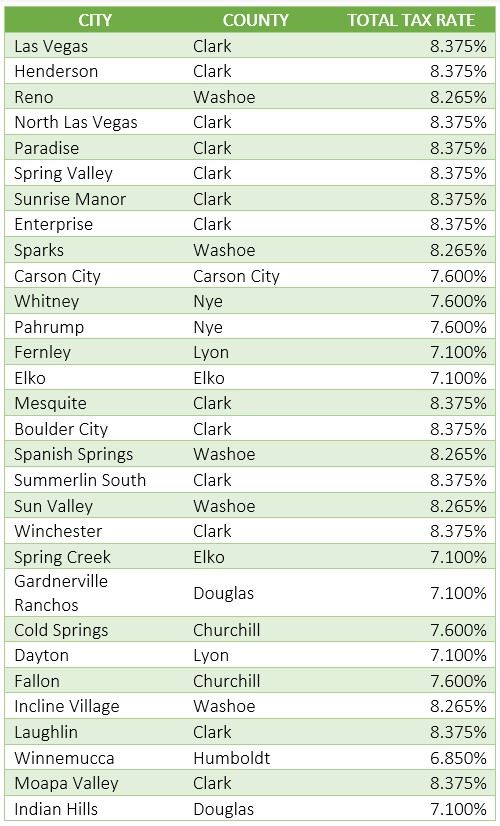
These local option taxes are added on top of the statewide rate, creating a combined sales tax rate that can differ markedly from one county to another. For example, Clark County (home to Las Vegas) has a higher combined sales tax rate than some rural counties, reflecting its unique infrastructure and service demands. This layered approach means that businesses must accurately determine the correct sales tax rate based on the point of sale within a specific county, which can introduce a layer of complexity for multi-county operations. The maximum combined sales tax rate in Nevada, as of recent data, is 8.375% in certain areas of Clark County, including the Las Vegas Strip.
Key Exemptions and Taxable Items
Not everything sold in Nevada is subject to sales tax. Understanding what is taxable versus what is exempt is crucial for both consumers and businesses. Generally, Nevada sales tax applies to the retail sale of tangible personal property. This includes a vast array of goods, such as clothing, electronics, vehicles, furniture, and prepared food items sold for immediate consumption.
However, Nevada provides several important exemptions. Most notably, unprepared food items sold in grocery stores for home consumption are exempt from sales tax. This exemption aims to reduce the tax burden on essential living expenses. Other common exemptions can include prescription medications, certain medical devices, and specific sales to government entities or non-profit organizations. Services, in general, are not typically subject to sales tax in Nevada, although there are exceptions, particularly for services that result in the creation or alteration of tangible personal property, or certain digital services that are considered tangible. The line between taxable and exempt can sometimes be nuanced, requiring careful interpretation of state tax laws.
Navigating Sales Tax for Businesses in Nevada
For businesses operating in Nevada, sales tax is not merely a consumer burden but a significant administrative responsibility. Businesses act as agents of the state, collecting tax from customers and remitting it to the Nevada Department of Taxation. This role entails specific obligations, from initial registration to ongoing compliance.
Registration and Permit Requirements
Before a business can legally collect sales tax in Nevada, it must register with the Nevada Department of Taxation and obtain a Sales Tax Permit (also known as a Seller’s Permit or Resale Certificate). This permit signifies the business’s authorization to collect sales tax and its commitment to remitting those funds to the state. The registration process typically involves providing business information, such as legal name, address, federal employer identification number (FEIN), and the type of business activity.
Failing to register and collect sales tax when required can lead to significant penalties, including fines and interest on uncollected taxes. This requirement applies to both in-state businesses and out-of-state businesses that establish a “nexus” in Nevada, meaning they have a sufficient physical presence or economic activity within the state that obligates them to collect sales tax.
Collection and Remittance Obligations
Once registered, businesses are legally obligated to collect the correct amount of sales tax from customers on all taxable sales. This involves accurately calculating the combined state and local sales tax rate based on the point of sale. The collected sales tax is not revenue for the business; rather, it is trust money held on behalf of the state.
Businesses must then periodically file sales tax returns with the Nevada Department of Taxation and remit the collected taxes. The filing frequency (e.g., monthly, quarterly, annually) is typically determined by the volume of sales tax collected, with larger businesses often required to file more frequently. Timely and accurate filing is critical to avoid penalties. Many businesses utilize accounting software or point-of-sale (POS) systems that can automatically calculate and track sales tax to streamline this process.
Use Tax vs. Sales Tax
An important distinction for businesses and consumers alike is between sales tax and use tax. While sales tax applies to purchases made within Nevada from a Nevada vendor, use tax applies to items purchased outside Nevada but consumed, stored, or used within the state, where sales tax was not collected by the out-of-state seller.
For example, if a Nevada resident buys an item online from a retailer located in a state with no sales tax, or one that isn’t registered to collect Nevada sales tax, and then brings that item into Nevada for use, the Nevada use tax would apply. The use tax rate is the same as the sales tax rate that would have been charged if the item had been purchased in Nevada. Businesses commonly encounter use tax when purchasing supplies or equipment from out-of-state vendors who do not collect Nevada sales tax. In such cases, the business is responsible for self-assessing and remitting the use tax directly to the state. This mechanism prevents consumers and businesses from avoiding sales tax by purchasing goods out-of-state.
The Economic Impact and Allocation of Sales Tax Revenue
Sales tax is not merely a collection mechanism; it is a vital engine driving Nevada’s public services and economic development. The revenue generated through sales tax significantly influences the state’s budget and the quality of life for its residents.
Funding Public Services
The vast sums collected through Nevada sales tax are a cornerstone of the state’s budget, funding a wide array of essential public services. A substantial portion goes towards education, supporting public schools, colleges, and universities across the state. This funding helps maintain facilities, pay educators, and develop curricula. Furthermore, sales tax revenue contributes significantly to infrastructure projects, including the maintenance and development of roads, highways, bridges, and public transportation systems, which are crucial for economic growth and tourism.
Beyond education and infrastructure, sales tax revenue supports public safety initiatives, including funding for local police departments, fire services, and emergency response teams. It also contributes to healthcare services, social welfare programs, parks, and other community resources. In essence, the sales tax you pay on a meal in Las Vegas or a new appliance in Reno directly supports the services that underpin daily life and economic activity throughout Nevada.
Impact on Consumers and Businesses
From a consumer perspective, sales tax increases the final cost of goods, influencing purchasing decisions and overall household budgets. While basic necessities like unprepared food are exempt, the tax on other goods can add up, particularly for larger purchases. For businesses, the impact is multifaceted. On one hand, sales tax represents an administrative burden, requiring systems for collection, reporting, and remittance. On the other hand, it also represents a level playing field, ensuring that all businesses selling similar taxable goods operate under the same tax collection obligations.
The existence of sales tax can also affect consumer behavior, with some individuals potentially seeking out online retailers who may not collect sales tax (though the use tax aims to mitigate this). For businesses, particularly those operating in border towns, differences in sales tax rates with neighboring states can sometimes influence cross-border shopping patterns, although Nevada’s comparatively lower overall tax burden often helps offset this.
Comparison with Neighboring States
To fully appreciate Nevada’s sales tax structure, it’s insightful to compare it with neighboring states. California, for instance, has a higher statewide sales tax rate than Nevada, and its local rates can push combined rates even higher. Arizona also has a relatively complex sales tax system that includes transaction privilege tax (TPT) for businesses. Utah has a statewide sales tax rate comparable to Nevada’s base rate, with varying local rates.
Nevada’s approach, with its moderate statewide rate and county-specific additions, positions it somewhat favorably in the regional competitive landscape, especially when considering its lack of individual and corporate income taxes. This absence of income tax often makes Nevada an attractive state for businesses and individuals, despite the sales tax. The overall tax burden in Nevada is often considered lower than many other states, making the sales tax a crucial component of its revenue strategy without overburdening its economy.
Compliance, Audits, and Best Practices for Nevada Sales Tax
Effective management of sales tax obligations requires diligent attention to detail, proactive compliance strategies, and a clear understanding of potential pitfalls. Businesses that prioritize compliance not only avoid penalties but also operate with greater financial transparency and security.
Record-Keeping Essentials
Accurate and thorough record-keeping is the bedrock of sales tax compliance. Businesses must maintain detailed records of all sales, both taxable and exempt, including transaction dates, item descriptions, sale prices, and the amount of sales tax collected. This also extends to records of purchases where use tax might apply. Digital records, such as those generated by POS systems and accounting software, are generally preferred for their accuracy and ease of retrieval, but physical invoices and receipts should also be meticulously organized.
These records are essential for preparing accurate sales tax returns and, critically, for demonstrating compliance during a potential audit. The Nevada Department of Taxation has the authority to audit businesses to ensure sales tax laws are being followed, and robust records can significantly streamline this process and mitigate adverse findings. Best practices suggest keeping sales tax records for at least four years, although some advise longer periods.
Common Pitfalls and How to Avoid Them
Businesses often fall into several common traps when dealing with sales tax. One frequent issue is applying incorrect sales tax rates, particularly in counties with multiple local option taxes or when selling to customers in different jurisdictions (e.g., online sales). Regularly verifying current rates with the Nevada Department of Taxation is crucial. Another pitfall is the incorrect application of exemptions, such as mistakenly not charging tax on a taxable item or vice versa. Training staff on what constitutes taxable versus exempt sales can help prevent these errors.
Failure to file returns or remit collected taxes on time is another significant problem, leading to penalties and interest. Businesses should establish clear internal processes and deadlines for sales tax filing. Additionally, inadequate record-keeping can create substantial difficulties during an audit, making it challenging to prove compliance. Implementing robust accounting systems and conducting internal reviews can help businesses proactively identify and rectify these issues before they become costly problems.
Seeking Professional Guidance
Given the complexities and potential liabilities associated with sales tax, especially for businesses with diverse product lines or multi-county operations, seeking professional guidance is often a wise investment. Tax accountants, financial advisors specializing in business finance, or legal professionals with expertise in state tax law can provide invaluable assistance.
These professionals can help businesses:
-
Navigate the initial registration process and determine nexus requirements.
-
Establish efficient systems for sales tax collection, tracking, and remittance.
-
Interpret complex taxability rules for specific products or services.
-
Represent the business during an audit or address inquiries from the Department of Taxation.
-
Stay abreast of legislative changes that could impact sales tax obligations.
For many businesses, the cost of professional advice is far outweighed by the peace of mind and the potential avoidance of costly errors and penalties.
Future Outlook and Potential Changes to Nevada Sales Tax
The landscape of taxation is never static, and Nevada’s sales tax system is continually subject to economic shifts, technological advancements, and legislative review. Understanding potential future trends helps businesses and individuals anticipate changes and adapt their financial strategies.
Legislative Discussions and Trends
Nevada’s Legislature periodically reviews its tax structure to ensure it remains equitable, efficient, and sufficient to meet the state’s evolving needs. Discussions often revolve around modernizing tax laws, adjusting rates to meet budget requirements, or reallocating revenues to address emerging priorities like education funding or economic diversification. For instance, proposals sometimes surface to broaden the tax base by including more services, a common trend in other states looking to stabilize revenue in service-heavy economies. Any significant changes would typically undergo a rigorous legislative process, often involving public hearings and debate, before being enacted. Staying informed about these discussions is crucial for anticipating future impacts.
The Role of E-commerce
The rise of e-commerce has profoundly impacted sales tax collection nationwide, and Nevada is no exception. The landmark 2018 Supreme Court decision in South Dakota v. Wayfair allowed states to require out-of-state online retailers to collect sales tax, even if they don’t have a physical presence (nexus) in the state, provided they meet certain economic thresholds (e.g., a certain number of transactions or sales volume).
Nevada has adopted economic nexus rules, meaning many online retailers selling into Nevada are now required to collect and remit Nevada sales tax, effectively leveling the playing field with in-state brick-and-mortar stores. This shift has significantly increased sales tax revenue for the state and complexified compliance for online sellers. The trend towards greater enforcement and expansion of economic nexus rules is expected to continue, potentially encompassing more types of digital goods and services as the digital economy evolves.
Economic Growth and Tax Revenue
Nevada’s economy is highly dependent on tourism and hospitality, sectors that were significantly impacted by recent global events. As the state’s economy grows and diversifies, so too does its sales tax revenue potential. Robust economic activity leads to more consumer spending, which in turn generates more sales tax. Conversely, economic downturns can lead to significant drops in sales tax collections, creating budgetary challenges for the state.
Legislators often consider the interplay between tax policy and economic growth. Policies that encourage business development and consumer confidence can indirectly boost sales tax revenue. The state continually monitors economic indicators to forecast sales tax collections and adjust budgetary plans accordingly. The future of Nevada’s sales tax is intrinsically linked to the health and diversification of its economy, and its ability to adapt to changing consumer behaviors and technological advancements.
In conclusion, understanding what Nevada sales tax entails is fundamental for anyone engaging in commerce within the state. From its foundational statewide rate to the varying local option taxes, and the critical distinction between sales and use tax, this system plays a pivotal role in funding essential public services and shaping the economic landscape. For businesses, meticulous compliance, accurate record-keeping, and proactive engagement with tax regulations are not just legal obligations but strategic imperatives. As Nevada continues to evolve economically and legislatively, staying informed about its sales tax framework will remain crucial for navigating its financial terrain successfully.
aViewFromTheCave is a participant in the Amazon Services LLC Associates Program, an affiliate advertising program designed to provide a means for sites to earn advertising fees by advertising and linking to Amazon.com. Amazon, the Amazon logo, AmazonSupply, and the AmazonSupply logo are trademarks of Amazon.com, Inc. or its affiliates. As an Amazon Associate we earn affiliate commissions from qualifying purchases.