
In an increasingly globalized world, where diverse culinary traditions often compete for attention and authenticity, Neapolitan style pizza stands out as a remarkable case study in effective brand strategy. Far more than just a recipe, it represents a tightly controlled, globally recognized, and passionately defended brand identity. To understand “what is Neapolitan style pizza” is to delve into the deliberate construction of a culinary icon, one whose characteristics are not merely suggestions but sacred tenets, forming the bedrock of its immense commercial and cultural value. This article explores how Neapolitan style pizza embodies a sophisticated brand, leveraging its history, specific standards, and passionate advocacy to carve out an indispensable niche in the global food landscape.
The Unmistakable Brand Identity of Neapolitan Pizza
The essence of any strong brand lies in its unique and consistent identity. For Neapolitan style pizza, this identity is not left to chance; it is codified and protected, ensuring that every genuine Neapolitan pizza adheres to a specific set of characteristics that define its brand. This rigorous approach elevates it beyond a mere dish to a distinct brand experience.
Defining Authenticity: Ingredients as Brand Pillars
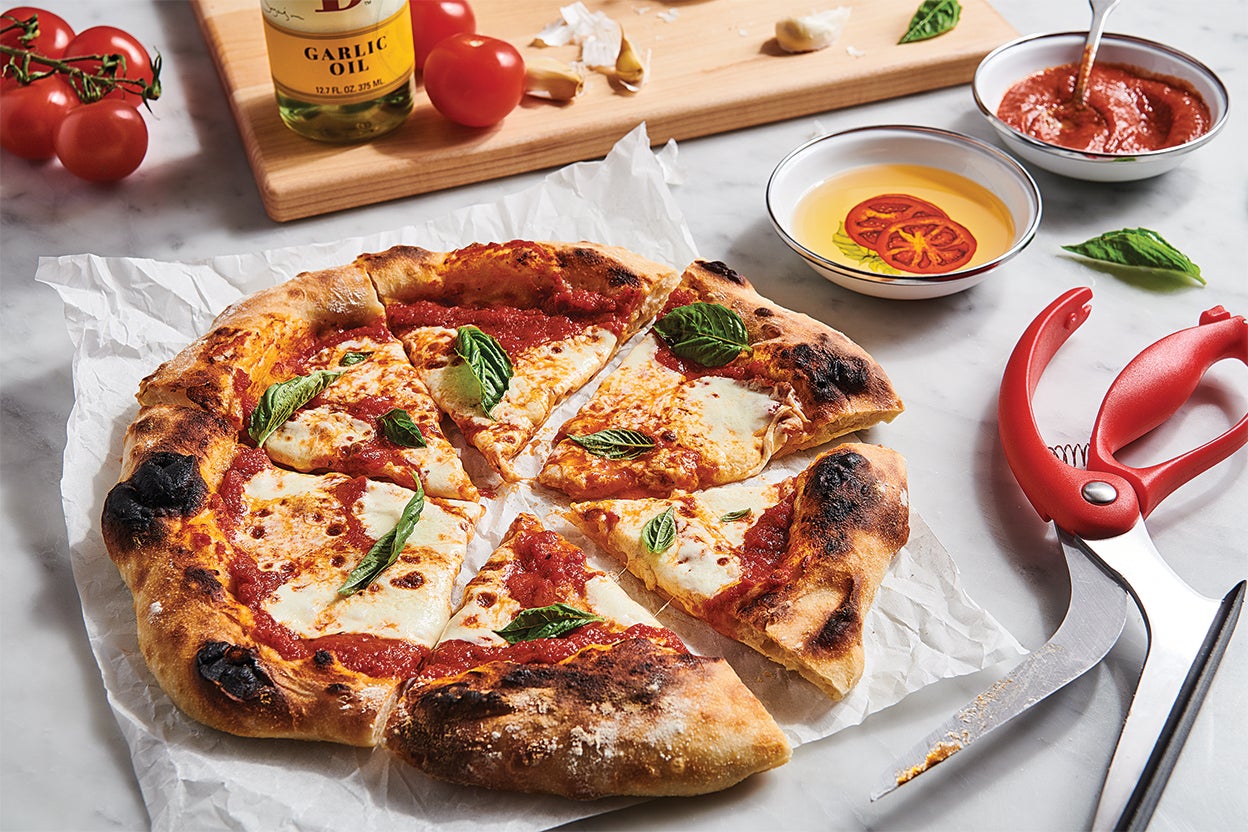
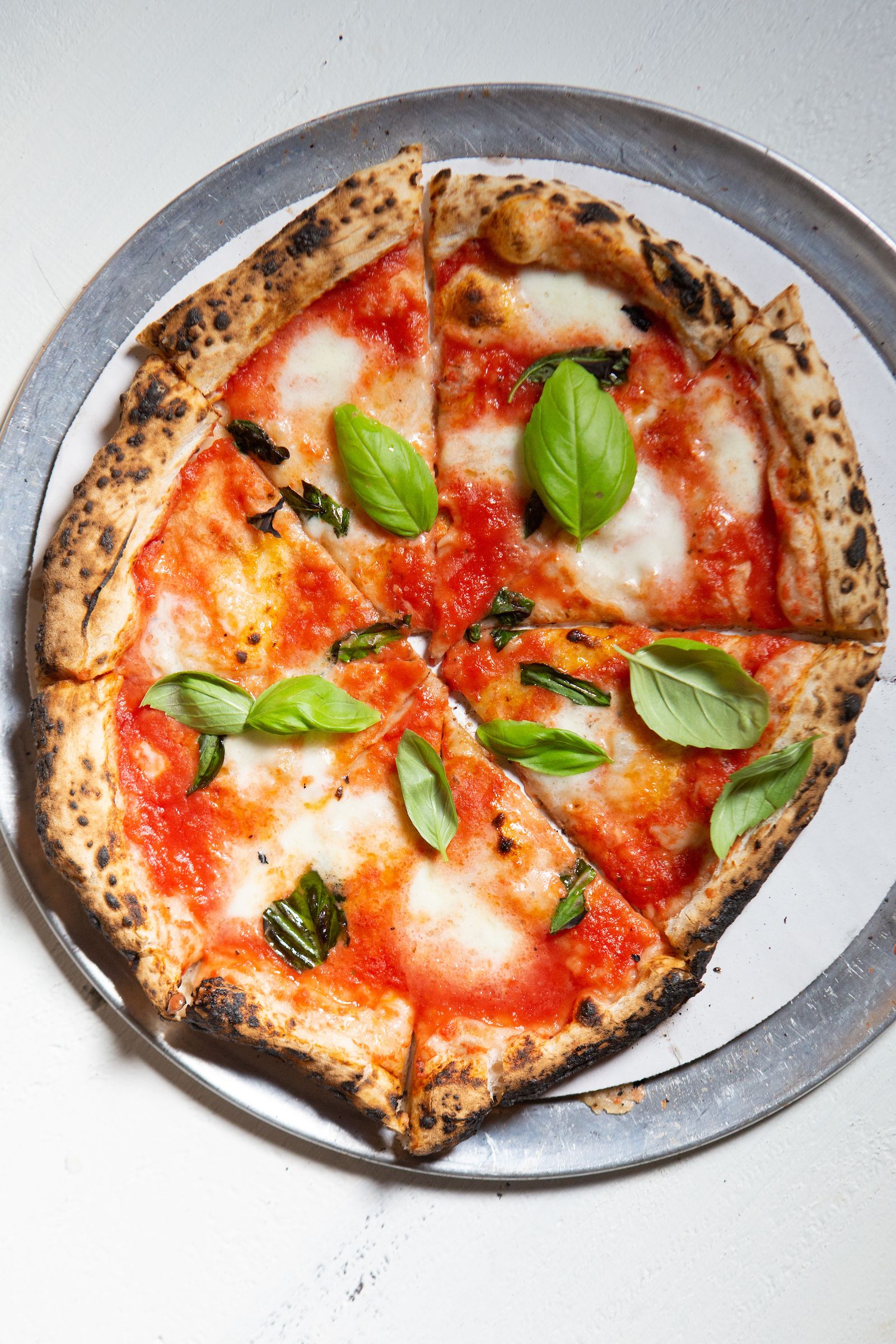
At the heart of Neapolitan pizza’s brand identity are its core ingredients, which are not just components but carefully selected brand pillars. The Dough: The “Verace Pizza Napoletana” (VPN) specifications mandate specific flours (type 00 or 0), fresh brewer’s yeast, water, and salt. The dough must be kneaded, rise for a precise duration, and be stretched by hand, never using a rolling pin, to preserve its characteristic airy, elastic texture. This meticulous process ensures a consistent base that is immediately recognizable and differentiable. The Tomatoes: Only San Marzano tomatoes, grown in the volcanic soil around Mount Vesuvius, or other specific plum tomatoes are permitted. These aren’t just any tomatoes; they are a designation of origin themselves, adding another layer of authenticity and perceived quality to the pizza brand. The Cheese: Fresh mozzarella, specifically Fior di Latte (cow’s milk) or Mozzarella di Bufala Campana (buffalo’s milk), is mandatory. Its milky texture and delicate flavor are crucial to the overall profile. The Olive Oil: Extra virgin olive oil, preferably from a specific region, adds a finishing touch, contributing to both flavor and aroma. Even the Basil: Fresh basil leaves, added just before or after baking, are a non-negotiable part of the visual and aromatic brand signature. Each ingredient is a carefully chosen element that contributes to the overarching brand promise of authenticity and superior quality, effectively eliminating substitutes that would dilute the brand’s integrity.
The Craftsmanship Seal: Process and Presentation
Beyond ingredients, the preparation process itself is a critical part of the Neapolitan pizza brand. This isn’t mass production; it’s a craft. The stretching of the dough by hand, creating a thin center and a puffed, airy rim (cornicione), is a signature element. The baking method is perhaps the most iconic brand characteristic: a traditional wood-fired oven, reaching temperatures of 800-900°F (425-480°C), baking the pizza in a mere 60-90 seconds. This extreme heat creates the characteristic charred spots (leopard spots) on the crust, a soft, chewy interior, and a slightly soupy center – hallmarks of the Neapolitan brand. The presentation, simple yet elegant, featuring the vibrant colors of Italian flag (red tomatoes, white mozzarella, green basil) on a golden crust, is also part of its visual identity, instantly communicating quality and tradition without needing words. This precise blend of ingredients and method creates a distinct product that is challenging to replicate without adherence to its brand standards, thereby preserving its exclusivity and premium status.
Global Recognition and the Power of a Protected Brand
The journey of Neapolitan pizza from a local street food to a global culinary benchmark is a testament to the power of strategic brand protection and advocacy. This proactive management has ensured its authenticity and elevated its status worldwide.
The Associazione Verace Pizza Napoletana (AVPN): Guardians of the Brand
Central to the global success and protection of the Neapolitan pizza brand is the Associazione Verace Pizza Napoletana (AVPN), or “True Neapolitan Pizza Association.” Founded in Naples in 1984, the AVPN acts as the primary custodian of the brand’s integrity. Its role is akin to a corporate identity manager, setting and enforcing stringent rules for what can legitimately be called “Verace Pizza Napoletana.” Pizzerias wishing to carry the AVPN seal of approval must submit to rigorous inspections and adhere to detailed specifications covering every aspect from ingredients and dough preparation to oven type and baking time. This certification serves as a powerful mark of quality and authenticity, reassuring consumers globally that they are experiencing the genuine product. For pizzerias, achieving AVPN certification is a significant branding advantage, distinguishing them in a crowded market and aligning them with a respected, traditional identity. The AVPN essentially created a “corporate identity” for a dish, ensuring brand consistency across continents.
UNESCO Status: Elevating Brand Prestige
In 2017, a monumental achievement further cemented the global brand status of Neapolitan pizza: the “Art of the Neapolitan ‘Pizzaiuolo'” was inscribed on UNESCO’s Representative List of the Intangible Cultural Heritage of Humanity. This recognition wasn’t just about the pizza itself but about the cultural practice surrounding its creation – the specific culinary knowledge, gestures, and songs that constitute the traditional art of making Neapolitan pizza. This UNESCO designation is an unparalleled branding coup. It elevates Neapolitan pizza from a mere food item to a cultural artifact, bestowing immense prestige and global recognition. This status not only protects the tradition but also serves as an incredibly powerful marketing tool, drawing attention and reverence from around the world and reinforcing its premium, authentic brand image. It’s a testament to the power of cultural identity in building an enduring global brand.
Marketing the ‘Neapolitan’ Experience: Strategy and Storytelling
The marketing of Neapolitan pizza goes beyond mere advertising; it’s about crafting an immersive experience that tells a story of tradition, passion, and authenticity. Every aspect, from the restaurant’s design to the interaction with the “pizzaiuolo,” reinforces the brand narrative.
Design and Ambiance: The Pizzeria as a Brand Extension
A true Neapolitan pizzeria is more than just a restaurant; it’s an extension of the brand itself. The design and ambiance are carefully curated to transport diners, often evoking the rustic charm of Naples. This typically includes visible wood-fired ovens, often clad in mosaic tiles, serving as the central altar of the establishment. Simple, functional decor, sometimes featuring images of Vesuvius or the Bay of Naples, reinforces the geographical origins. The open kitchen concept, allowing customers to watch the pizzaiuolo at work, becomes a form of live performance, showcasing the craftsmanship that is integral to the brand. This transparency builds trust and highlights the authenticity of the process. Even the choice of tables, chairs, and dinnerware contributes to the overall brand experience, signaling a commitment to tradition and a focused, unpretentious dining environment where the pizza is undeniably the star.
Word-of-Mouth and Experiential Marketing
Neapolitan pizza relies heavily on experiential marketing and word-of-mouth. The unique taste and texture, the theatricality of its preparation, and the communal experience of sharing a pizza contribute to a memorable event that encourages customers to become brand advocates. Social media plays a significant role, with visually stunning pizzas becoming highly shareable content. Food bloggers, travel writers, and influencers often highlight the “authentic” Neapolitan pizza experience, further amplifying its reach. Pizzerias often focus on educating customers about the VPN standards, the specific ingredients, and the history, transforming diners into informed enthusiasts. This strategy leverages the inherent quality and cultural significance of the product, fostering a loyal customer base that actively promotes the brand through personal recommendations and shared experiences.
Case Study: Maintaining Brand Consistency in a Global Market
Expanding a deeply traditional brand like Neapolitan pizza globally presents unique challenges, requiring a delicate balance between adherence to core values and adaptation to diverse markets.
Challenges of Expansion and Quality Control
As Neapolitan pizza gained international acclaim, the challenge of maintaining brand consistency became paramount. Sourcing specific ingredients globally (San Marzano tomatoes, specific flours) can be complex and costly. Ensuring that pizzaiuolos in different countries maintain the precise techniques and commitment to tradition requires significant training and oversight. The AVPN plays a crucial role here, offering training programs and conducting regular audits of certified pizzerias. Without this stringent quality control, the brand risks dilution, where inferior products claiming to be “Neapolitan style” could erode consumer trust and devalue the authentic product. This challenge highlights the constant vigilance required in managing a global brand built on authenticity and tradition.
Innovation within Tradition: Evolving the Brand
While strict adherence to tradition is a cornerstone of the Neapolitan pizza brand, there’s also a subtle, managed innovation that keeps the brand relevant without compromising its core identity. This usually occurs within a framework. For instance, while the core Margherita and Marinara pizzas are sacrosanct, many AVPN-certified pizzerias offer “special” or “seasonal” pizzas that use locally sourced, high-quality ingredients, provided they don’t fundamentally alter the Neapolitan dough and baking principles. This allows for creative expression and caters to diverse palates while remaining true to the brand’s spirit. It’s about evolving the menu, not the core brand definition. This strategic balance ensures the brand remains dynamic and appealing to new generations of consumers while honoring its historical roots.

The Enduring Legacy of a Culinary Icon
What is Neapolitan style pizza? It is, fundamentally, a triumph of brand strategy. It’s a powerful testament to how meticulous attention to product definition, rigorous quality control, strategic brand protection (AVPN, UNESCO), and immersive experiential marketing can elevate a simple food item to a revered global institution. Its success isn’t accidental; it’s the result of decades of dedicated efforts to define, protect, and communicate its unique identity. As the world continues to celebrate authenticity and heritage, Neapolitan style pizza stands as a shining example of a culinary brand that has mastered the art of staying true to its roots while captivating a global audience, proving that a strong brand foundation is truly timeless.
aViewFromTheCave is a participant in the Amazon Services LLC Associates Program, an affiliate advertising program designed to provide a means for sites to earn advertising fees by advertising and linking to Amazon.com. Amazon, the Amazon logo, AmazonSupply, and the AmazonSupply logo are trademarks of Amazon.com, Inc. or its affiliates. As an Amazon Associate we earn affiliate commissions from qualifying purchases.