
North Carolina stands out in the national tax landscape with its distinctive flat income tax system. For individuals and businesses alike, understanding the specifics of the Tar Heel State’s tax rates and regulations is crucial for effective financial planning and compliance. Unlike many states and the federal government, which employ progressive tax brackets, North Carolina simplifies its individual income tax with a single, non-varying rate. This article delves into the intricacies of North Carolina’s income tax, exploring its current rates, historical evolution, and the broader tax environment that impacts residents and those earning income within the state. From the core individual income tax rate to the nuances of deductions, credits, and other state and local levies, we’ll provide an insightful and engaging guide to help you navigate North Carolina’s financial requirements.
Understanding North Carolina’s Flat Income Tax System
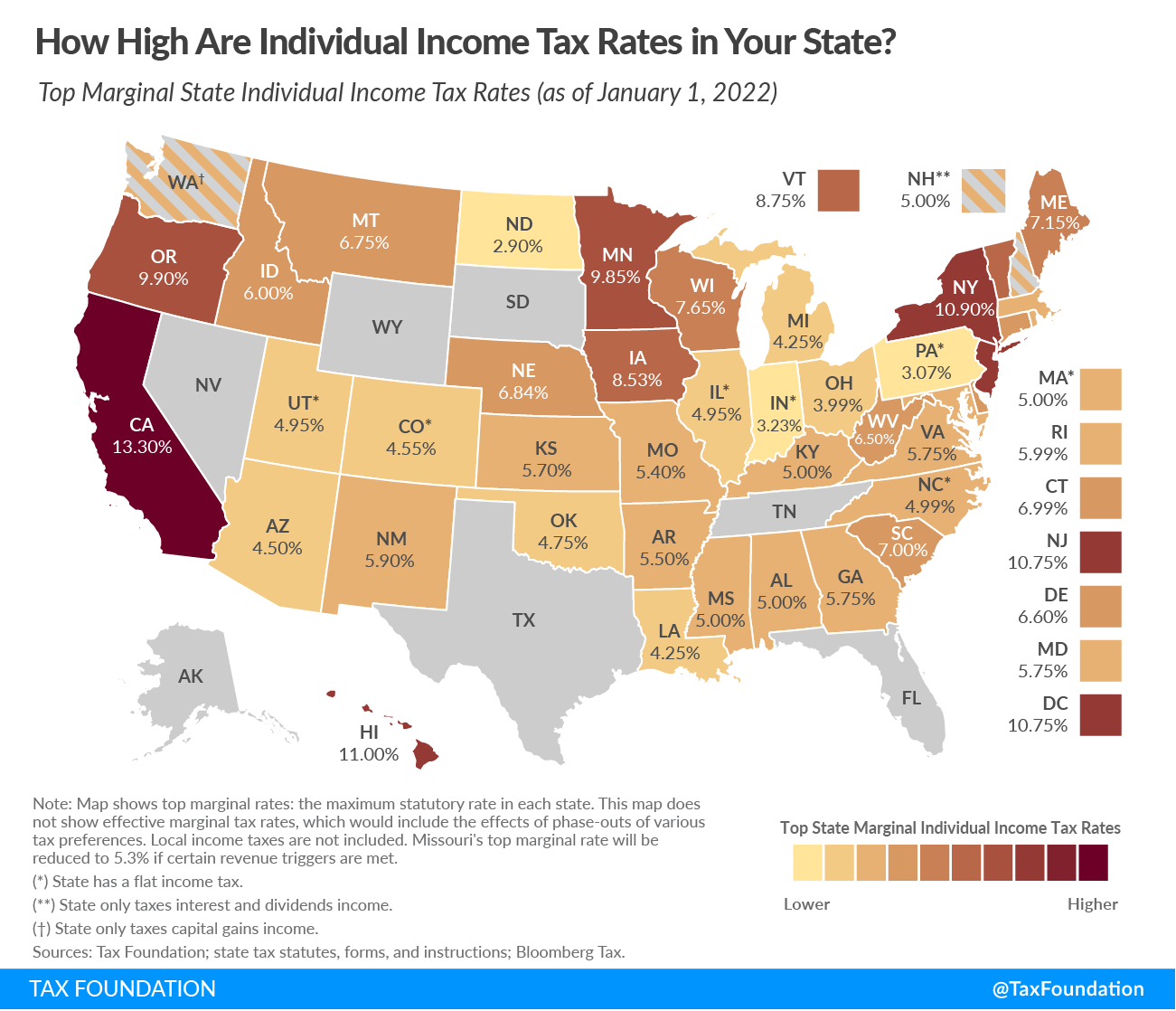
North Carolina’s approach to individual income tax is unique, primarily defined by its flat rate. This system simplifies the calculation process for many taxpayers but also means that all taxable income is subjected to the same percentage, regardless of the income level.
The Current Individual Income Tax Rate
As of recent tax years (e.g., 2023 and 2024), North Carolina levies a flat individual income tax rate of 4.75%. This means that once your adjusted gross income (AGI) has been determined and reduced by any applicable deductions, the remaining taxable income is multiplied by this fixed percentage to determine your state income tax liability. This contrasts sharply with progressive tax systems where different portions of income are taxed at increasingly higher rates. For instance, if a taxpayer has $50,000 in taxable income, their NC income tax would be $2,375 ($50,000 * 0.0475). This straightforward calculation is a hallmark of NC’s current tax policy. It’s important to note that while the rate has been stable for recent years, it is subject to legislative changes. For the most up-to-date information, taxpayers should always consult the North Carolina Department of Revenue (NCDOR) website.
Evolution of NC’s Tax Structure
North Carolina’s journey to a flat tax system is a relatively recent development, reflecting a broader trend among some states to simplify tax codes and potentially attract businesses and residents. For many years, North Carolina operated under a progressive income tax system, with multiple brackets and varying rates based on income levels. However, beginning in 2013, the state embarked on a series of significant tax reforms aimed at reducing overall tax burdens and streamlining the system. These reforms gradually lowered individual income tax rates and consolidated tax brackets, eventually culminating in the implementation of a flat tax rate. The legislative intent behind this shift was often cited as promoting economic growth, increasing tax predictability, and enhancing the state’s competitiveness. These reforms also involved other changes, such as the elimination of many deductions and credits, and adjustments to corporate income tax and sales tax, all designed to create a more balanced and efficient tax framework for the state.
Who Pays NC Income Tax?
Determining who is subject to North Carolina’s income tax involves understanding residency rules and the source of income. Generally, the following categories of individuals are required to pay NC income tax:
-
Full-Year Residents: If you were domiciled in North Carolina for the entire tax year, you are considered a full-year resident and must report all your income, regardless of where it was earned, to North Carolina.
-
Part-Year Residents: If you moved into or out of North Carolina during the tax year, you are a part-year resident. You will typically be taxed on income earned while you were a resident of NC, as well as any income from North Carolina sources earned while you were a non-resident.
-
Non-Residents with NC-Sourced Income: Even if you are not a resident of North Carolina, you are required to pay NC income tax on any income derived from North Carolina sources. This commonly includes income from services performed in NC, income from real estate located in NC, or income from a business or profession carried on in NC. For example, if you live in South Carolina but commute daily to work in Charlotte, your wages earned in Charlotte are subject to NC income tax. Understanding these definitions is critical, especially for individuals with multi-state employment, seasonal work, or those who own property across state lines.
Navigating Deductions, Exemptions, and Credits in North Carolina
While North Carolina boasts a flat tax rate, taxpayers still have opportunities to reduce their taxable income through deductions and, in some cases, tax credits. However, the state’s approach differs significantly from federal tax law in many respects, requiring careful attention to NC-specific rules.
Standard Deduction vs. Itemized Deductions
When filing your North Carolina income tax return, you generally have a choice between claiming the state’s standard deduction or itemizing your deductions. This choice, similar to federal filing, depends on which method results in a lower taxable income for you.
-
North Carolina Standard Deduction: The state offers a standard deduction that varies based on your filing status (e.g., single, married filing jointly, head of household). These amounts are typically updated annually, so it’s essential to check the latest figures from the NCDOR. For many taxpayers, especially those with simpler financial situations, the standard deduction provides a straightforward way to reduce taxable income without needing to track numerous expenses.
-
North Carolina Itemized Deductions: If your total eligible itemized deductions exceed the state’s standard deduction, you may choose to itemize. However, North Carolina’s rules for itemizing differ from federal rules. While the federal Schedule A allows for various itemized deductions (medical expenses, state and local taxes, mortgage interest, charitable contributions, etc.), North Carolina has specific limitations. For instance, the deduction for state and local taxes (SALT) paid, which is capped at $10,000 for federal purposes, also has its own rules in NC that may differ or be limited. Furthermore, some federal itemized deductions are not allowable on the North Carolina return. It’s crucial to understand these distinctions to ensure you are claiming only what is permissible under NC law. Taxpayers should compare their potential itemized deductions against the NC standard deduction to make the most advantageous choice.
Personal Exemptions: A Historical Note
A key distinction in North Carolina’s current tax system, especially compared to federal tax law prior to the Tax Cuts and Jobs Act of 2017 (TCJA), is the absence of personal exemptions for individual taxpayers. In the past, both federal and state tax systems allowed taxpayers to claim an exemption for themselves, their spouse, and their dependents, effectively reducing their taxable income by a fixed amount per exemption.
However, as part of its comprehensive tax reforms, North Carolina eliminated personal exemptions. This means that, unlike in previous years or in some other state tax systems, individuals cannot subtract a set dollar amount from their income simply for being a taxpayer or having dependents. This move was part of the broader strategy to simplify the tax code and move towards a truly flat tax application, with deductions (like the standard deduction) and certain credits being the primary mechanisms for reducing the tax base. While the federal system also eliminated personal exemptions with the TCJA, opting instead for a larger standard deduction and increased child tax credit, North Carolina’s reforms predated some of these federal changes, solidifying its commitment to a streamlined, flat-rate structure without exemptions.
Key Tax Credits Available to NC Taxpayers
While North Carolina’s reforms largely reduced the number of available tax credits, several important credits remain that can directly reduce a taxpayer’s liability, dollar for dollar. These are distinct from deductions, which reduce taxable income.
-
Credit for Income Tax Paid to Other States: This is a critically important credit for individuals who earn income in North Carolina but are also required to pay income tax on that same income to another state (or vice-versa for NC residents earning out-of-state income). North Carolina provides a credit to prevent double taxation on the same income. The credit is typically limited to the lesser of the tax paid to the other state or the tax that would have been due on that income in North Carolina. This provision ensures fairness for multi-state workers and residents.
-
Child Care Credit: North Carolina offers a credit for child care expenses, which is often tied to the federal credit for child and dependent care expenses. Taxpayers must typically qualify for the federal credit to claim the state credit, and the amount may be a percentage of the federal credit or subject to specific state limitations. This credit helps alleviate the financial burden of child care for working parents.
-
Historic Rehabilitation Tax Credits: North Carolina has historically offered credits for the rehabilitation of historic income-producing and non-income-producing properties. These credits are designed to incentivize the preservation and revitalization of the state’s historic buildings. While the specific rules and availability of these credits can change, they represent a significant incentive for certain property owners and developers.
-
Other Specific Credits: Depending on the legislative session, other more niche credits may be available, such as credits related to conservation, certain types of investments, or business activities. However, for the average individual taxpayer, the credit for taxes paid to other states and the child care credit are generally the most common and significant. Taxpayers should always consult NCDOR publications or a tax professional to ensure they are aware of all applicable credits for their specific situation.
Beyond Individual Income: Other Key NC Taxes Affecting Finances
While the individual income tax rate is a significant aspect of North Carolina’s financial landscape, it’s just one piece of the broader tax puzzle. Understanding other state and local taxes is essential for a complete picture of the overall tax burden and for comprehensive financial planning.
Sales and Use Tax
North Carolina levies a state sales and use tax, which is applied to the retail sale of most tangible personal property and certain services. Beyond the state rate, counties also impose a local sales and use tax.

-
State Rate: As of recent years, the statewide sales tax rate is 4.75%.
-
Local Rates: Most counties in North Carolina impose an additional local sales tax, typically adding 2% to 2.75% (including a county general rate and certain county transit or other special rates). This means the combined state and local sales tax rate in most areas of North Carolina typically ranges from 6.75% to 7.75%. For example, in Wake County, the combined rate is generally 7.25% (4.75% state + 2.5% local).
-
What is Taxed and Exemptions: Sales tax applies to most retail purchases, including clothing, electronics, and restaurant meals. However, certain necessities are typically exempt or taxed at a reduced rate. For instance, most unprepared food (groceries) is exempt from the statewide sales tax, though it may be subject to a very low local “food tax” in some areas. Prescription drugs are also exempt. The “use tax” component ensures that if you purchase items from an out-of-state vendor without paying NC sales tax (e.g., online purchases), you are responsible for remitting the equivalent use tax to the state.
Property Taxes
Unlike income and sales taxes, which are state-level levies, property taxes in North Carolina are primarily assessed and collected at the local level by counties and municipalities.
-
Assessment and Rates: Property taxes are based on the assessed value of real estate (land and buildings) and, in some cases, personal property (like business equipment or motor vehicles). Each county conducts a general reappraisal of property values every few years (typically every 8 years, though some counties may choose a shorter cycle). Based on these valuations, local governments (counties and cities/towns) set their own tax rates, often expressed as dollars per $100 of assessed value.
-
Impact on Homeowners: For homeowners, property taxes represent a significant ongoing expense. The rate can vary considerably from one county or municipality to another, meaning moving even a short distance can impact your annual property tax bill. These taxes fund essential local services such as schools, public safety (police, fire), roads, and sanitation. There are specific programs for certain eligible residents, such as the Homestead Exclusion for elderly or disabled homeowners, which can reduce their property tax burden.
Estate and Inheritance Taxes
A noteworthy aspect of North Carolina’s tax policy, particularly important for estate planning, is the absence of state-level estate or inheritance taxes.
-
No State Estate Tax: North Carolina repealed its state estate tax (also sometimes referred to as a “death tax”) in 2013. This means that residents of North Carolina, or individuals with property located in North Carolina, are not subject to a state-imposed tax on the transfer of their assets at death.
-
No Inheritance Tax: Similarly, North Carolina does not levy an inheritance tax, which is a tax paid by the beneficiary on the assets they receive from an estate. This is distinct from an estate tax, which is levied on the total value of the deceased person’s estate before distribution.
-
Federal Estate Tax Still Applies: It’s crucial to remember that while North Carolina has no state-level estate or inheritance tax, the federal estate tax may still apply to very large estates, depending on the current federal exemption levels. For most individuals, however, the absence of a state estate or inheritance tax simplifies estate planning significantly and means more of the estate’s value passes directly to beneficiaries without state taxation.
Corporate Income Tax
While this article primarily focuses on individual income tax, a brief mention of corporate income tax provides context for North Carolina’s overall business and tax environment.
-
Flat Corporate Rate: Similar to its individual income tax, North Carolina also applies a flat corporate income tax rate. As part of its tax reforms, the state has steadily reduced this rate over the years. For tax years 2023 and 2024, the corporate income tax rate in North Carolina is 2.5%. This makes North Carolina one of the states with the lowest corporate income tax rates in the nation.
-
Impact: A low corporate tax rate is often cited as a tool to attract and retain businesses within the state, influencing economic development and job creation. While this directly impacts corporations, it indirectly affects individuals through job opportunities, investment climate, and the overall economic health of the state. It underscores North Carolina’s general philosophy of maintaining a competitive and streamlined tax structure across various taxpayer categories.
Practical Implications and Planning for NC Taxpayers
Understanding North Carolina’s tax rates and structure is the first step; applying this knowledge to your personal financial situation is where effective planning truly comes into play. From estimating your tax bill to ensuring compliance, proactive engagement with your tax obligations is key.
Estimating Your NC Tax Liability
For many individuals, estimating their North Carolina tax liability is a straightforward process due to the flat tax rate.
-
Gather Your Income Information: Start by compiling all sources of income, including wages, salaries, business income, interest, dividends, capital gains, and other taxable income.
-
Calculate Your Federal AGI: Use your federal adjusted gross income (AGI) as a starting point.
-
Apply NC Adjustments: North Carolina has its own set of additions and subtractions to federal AGI to arrive at your North Carolina AGI. These can include certain retirement benefits that are exempt in NC, or additions for state/local bond interest.
-
Choose Deductions: Decide whether to take the NC standard deduction or itemize. Subtract the chosen deduction amount from your NC AGI to arrive at your North Carolina taxable income.
-
Apply the Flat Rate: Multiply your NC taxable income by the current flat rate of 4.75%.
-
Subtract Credits: Finally, subtract any applicable tax credits (e.g., credit for taxes paid to other states, child care credit) to determine your final estimated NC income tax liability. Regularly performing this estimation, especially if your income or deductions change significantly, can help prevent surprises at tax time.
Withholding and Estimated Payments
Ensuring that you pay your North Carolina income tax throughout the year is crucial to avoid penalties.
-
W-4 Adjustments: If you are an employee, your employer withholds state income tax from your paychecks based on the information you provide on Form NC-4 (North Carolina Employee’s Withholding Allowance Certificate), which is similar to the federal W-4. Reviewing and adjusting your NC-4, especially after significant life changes (marriage, dependents, new job) or if you notice you’re consistently under or overpaying, is important for accurate withholding.
-
Estimated Payments: For individuals who don’t have taxes withheld (e.g., self-employed individuals, those with significant investment income or rental income), or whose withholding isn’t sufficient, North Carolina requires estimated tax payments. These payments are typically made quarterly (April 15, June 15, September 15, and January 15 of the following year). The NCDOR provides Form NC-40 (Declaration of Estimated Income Tax for Individuals) to guide this process. Failure to pay enough tax through withholding or estimated payments can result in underpayment penalties.
Resources for NC Taxpayers
Navigating tax laws can be complex, and fortunately, there are numerous resources available to help North Carolina taxpayers.
-
North Carolina Department of Revenue (NCDOR): The official NCDOR website (www.ncdor.gov) is the primary and most authoritative source for all North Carolina tax information. It offers forms, instructions, publications, frequently asked questions, and details on current tax rates and laws.
-
Tax Software: Most popular tax preparation software programs (e.g., TurboTax, H&R Block Tax Software) are designed to handle North Carolina state tax returns, guiding users through the process and performing calculations accurately.
-
Professional Tax Preparers: For complex tax situations, or if you simply prefer professional assistance, certified public accountants (CPAs) and other qualified tax preparers specializing in North Carolina tax law can provide invaluable guidance and ensure compliance.
-
IRS Resources: While focused on federal taxes, understanding your federal AGI and certain federal deductions/credits is a prerequisite for your state return, making IRS resources (www.irs.gov) also relevant.
Impact on Financial Planning
North Carolina’s tax structure can significantly influence various aspects of your financial planning.
-
Retirement Planning: The state’s flat income tax rate, combined with certain exemptions for specific types of retirement income (e.g., military pensions), can make North Carolina an attractive state for retirees, especially those with consistent taxable income.
-
Business Decisions: The low corporate income tax rate and general pro-business tax environment can influence entrepreneurs and business owners considering where to establish or relocate their operations.
-
Residency Decisions: For individuals considering relocation, North Carolina’s overall tax burden, including income, sales, and property taxes, is a major factor. The absence of state estate and inheritance taxes can also be a significant draw for those focused on legacy planning.
-
Investment Income: How investment income is taxed at a flat rate can influence portfolio structuring for high-net-worth individuals, though federal capital gains rates are often a larger consideration. Understanding these implications allows for more strategic decision-making in long-term financial goals.
Conclusion
North Carolina’s individual income tax rate, currently a flat 4.75%, defines a significant part of its unique tax landscape. This flat-rate system, a result of extensive tax reforms over the past decade, aims to provide clarity and predictability for taxpayers, diverging from the progressive tax structures seen at the federal level and in many other states. Beyond this core rate, a holistic understanding of NC’s financial environment requires knowledge of its state and local sales taxes, county-assessed property taxes, the absence of state-level estate and inheritance taxes, and its remarkably low corporate income tax.
For residents and those earning income in North Carolina, effective financial management necessitates a thorough grasp of these various tax components. From correctly utilizing available deductions and credits to ensuring timely estimated payments, proactive tax planning is paramount. With easily accessible resources from the North Carolina Department of Revenue and a strong network of financial professionals, navigating the Tar Heel State’s tax obligations is manageable. As North Carolina continues to evolve economically, its commitment to a streamlined and competitive tax structure remains a defining characteristic, shaping the financial decisions of individuals and businesses across the state.
aViewFromTheCave is a participant in the Amazon Services LLC Associates Program, an affiliate advertising program designed to provide a means for sites to earn advertising fees by advertising and linking to Amazon.com. Amazon, the Amazon logo, AmazonSupply, and the AmazonSupply logo are trademarks of Amazon.com, Inc. or its affiliates. As an Amazon Associate we earn affiliate commissions from qualifying purchases.