
At first glance, the question “what is Mylanta for?” seems straightforward, almost simplistic. Mylanta is an antacid, a medication designed to relieve symptoms of indigestion, heartburn, and sour stomach. Yet, within the realm of brand strategy, this seemingly simple inquiry unlocks a profound exploration into core brand purpose, market positioning, consumer perception, and the intricate dance between product function and brand identity. For iconic brands like Mylanta, understanding “what it’s for” transcends mere product description; it delves into the brand’s very reason for being, its promise to consumers, and its enduring relevance in a dynamic marketplace.
This article dissects Mylanta through a branding lens, examining how its fundamental purpose shapes its strategy, communication, evolution, and ultimately, its enduring equity. We’ll explore how a brand effectively defines and articulates its “for-ness” to carve out a distinct and valuable space in the consumer’s mind.
Defining the Brand’s Core Purpose: Beyond the Product Function
A brand’s core purpose is the fundamental reason it exists, offering value beyond its tangible features. For Mylanta, while its functional purpose is to neutralize stomach acid, its brand purpose extends to providing rapid relief, comfort, and peace of mind. This deeper purpose is what resonates with consumers, fostering trust and loyalty.
Identifying the Consumer Need Mylanta Addresses
Mylanta doesn’t just treat symptoms; it addresses a universal human discomfort: the disruptive, often painful experience of indigestion. This isn’t just a physical ailment; it can impact mood, productivity, and enjoyment of life. The brand’s purpose, therefore, centers on alleviating this disruption. It steps in during moments of distress, offering a reliable solution when consumers are feeling unwell or anxious about their digestive discomfort. Identifying this core need—not just the heartburn itself, but the impact of heartburn on daily life—is crucial for shaping Mylanta’s brand narrative and positioning. It positions Mylanta as a partner in well-being, not just a chemical compound.
The Brand Promise: Relief and Trust
Every strong brand makes a promise, and Mylanta’s is unequivocal: effective and fast-acting relief. This promise is foundational to its brand identity. It’s built on decades of consistent performance and validated by millions of consumer experiences. Trust is an invaluable asset in the over-the-counter (OTC) medication space, where efficacy and safety are paramount. Mylanta cultivates this trust not just through its active ingredients, but through its brand consistency, its long-standing presence, and its reassuring messaging. The promise isn’t just “you’ll feel better,” but “you can trust us to make you feel better, quickly.” This brand promise directly answers the “what is it for?” question in a way that resonates emotionally.
Differentiating Mylanta in a Crowded Market
The antacid market is intensely competitive, populated by a multitude of brands offering similar functional benefits. For Mylanta to stand out, its “for-ness” must be clearly differentiated. Historically, Mylanta has leveraged its unique formulation (a combination of aluminum hydroxide, magnesium hydroxide, and simethicone) to offer a distinct proposition: relief from both acid and gas. This dual-action benefit became a key differentiator, allowing the brand to position itself as a more comprehensive solution than single-action antacids. Furthermore, its liquid form has often been highlighted for its perceived speed of action and soothing quality, setting it apart from chewable tablets. This strategic emphasis on specific aspects of its “for-ness” helps Mylanta maintain its unique identity amidst fierce competition.
Crafting the Brand’s Message: Communicating “What It’s For”
Once the core purpose is defined, the next critical step is to translate this into compelling brand messaging. How Mylanta communicates “what it’s for” shapes consumer perception, influences purchasing decisions, and reinforces its market position.
Target Audience Segmentation and Messaging
Understanding who Mylanta is for is as important as understanding what it is for. While digestive discomfort is widespread, specific demographic or psychographic segments might experience it differently or respond to particular messaging. Mylanta’s target audience typically includes adults experiencing occasional or episodic indigestion, often triggered by diet, stress, or lifestyle choices. The messaging, therefore, often focuses on relatable scenarios – the discomfort after a rich meal, during a stressful day, or when traveling. The language is generally direct, empathetic, and solution-oriented, reassuring consumers that Mylanta is a reliable go-to for these common predicaments. The aim is to create a connection, demonstrating that the brand understands the consumer’s situation and offers a trusted remedy.
The Role of Emotional Connection in Antacid Marketing
Even for a functional product like an antacid, emotional connection plays a significant role. Mylanta doesn’t just sell medicine; it sells the return to comfort, the ability to enjoy food without fear, and the restoration of normalcy. Marketing campaigns often tap into these emotions by depicting individuals happily resuming their activities after taking Mylanta, or enjoying a meal without apprehension. The emotional payoff—relief, comfort, peace of mind—is foregrounded, rather than just the clinical action of the ingredients. This emotional dimension strengthens the brand purpose, showing consumers that Mylanta cares not just about their stomach, but about their overall well-being and quality of life. It subtly answers “what is it for?” by highlighting the positive outcome it enables.
Visual Identity and Tone of Voice Reinforcing Purpose
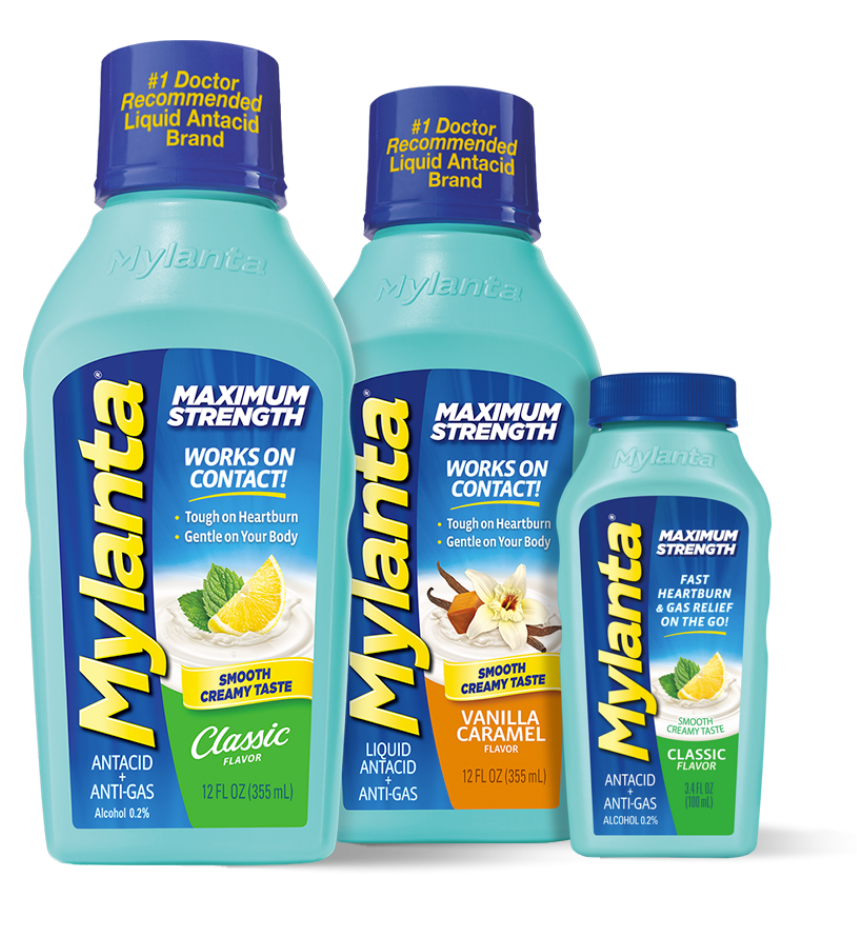
A brand’s visual identity and tone of voice are crucial non-verbal communicators of its purpose. Mylanta’s packaging, often featuring clean lines, recognizable colors (typically shades of blue, white, and sometimes green), and clear labeling, conveys reliability, cleanliness, and efficacy. The visual elements are designed to be reassuring and professional, consistent with a healthcare product.

The brand’s tone of voice in advertising and communication is typically authoritative yet empathetic, confident yet caring. It avoids overly clinical jargon, opting for language that is easy to understand and relatable. This consistent approach across all touchpoints reinforces Mylanta’s brand purpose as a trusted, effective, and accessible solution for digestive relief, aligning perfectly with the overarching answer to “what is Mylanta for?”
Mylanta’s Brand Evolution: Adapting “What It’s For” Over Time
No brand can remain static. To maintain relevance and market share, even established brands like Mylanta must adapt their understanding and communication of “what it’s for” in response to changing consumer needs, scientific advancements, and competitive pressures.
Responding to Changing Consumer Lifestyles and Health Trends
Consumer lifestyles and health trends are constantly evolving. As awareness of digestive health has grown, and dietary habits have shifted, Mylanta has had to consider how its core purpose translates to new contexts. For instance, increased interest in natural remedies or specific dietary restrictions (e.g., gluten-free, lactose-free) might influence product development or marketing messaging. The brand has adapted by introducing variations or new formulations, sometimes emphasizing “gentle” relief or specific ingredient profiles, to align with contemporary wellness narratives. This shows a proactive approach to demonstrating that Mylanta is “for” the modern consumer’s needs, even as those needs evolve.
Product Line Extensions and Brand Architecture
To expand its “for-ness” and address a broader spectrum of digestive issues, Mylanta has strategically introduced product line extensions. Beyond its original liquid antacid, variations like Mylanta Gas, Mylanta Tonight, or different flavor options have emerged. Each extension is carefully positioned to address a specific, related consumer need while remaining true to the core brand promise of effective relief.
This strategic brand architecture ensures that while “Mylanta” remains synonymous with comprehensive digestive relief, individual products clearly articulate their specific “what it’s for.” For instance, Mylanta Gas is explicitly “for” gas relief, while Mylanta Tonight might be “for” nighttime heartburn. This careful differentiation prevents brand dilution and allows Mylanta to capture a larger share of the digestive health market by offering tailored solutions under a trusted umbrella.
Maintaining Brand Relevance in a Competitive Landscape
In an increasingly fragmented and innovation-driven market, maintaining relevance is a perpetual challenge. Mylanta achieves this by consistently reinforcing its core values—speed, efficacy, and trust—while also showcasing its adaptability. This might involve refreshing packaging, updating marketing campaigns to reflect current cultural trends, or leveraging digital platforms to engage with a new generation of consumers. The brand’s ability to consistently deliver on its fundamental “what it’s for” promise, coupled with its willingness to evolve its presentation and reach, is key to its sustained relevance against emerging competitors and established rivals. It demonstrates that its purpose isn’t just a historical artifact but a living, breathing commitment.
Building Brand Equity: The Impact of “What It’s For”
The careful definition and consistent communication of “what Mylanta is for” directly contribute to its substantial brand equity—the commercial value derived from consumer perception of the brand rather than from the product itself.
Consumer Loyalty and Repeat Purchase Drivers
A clearly defined and consistently delivered brand purpose fosters deep consumer loyalty. When consumers know exactly “what Mylanta is for” and experience its promised benefits, they are more likely to repurchase it. This predictability and reliability are powerful drivers of loyalty in the OTC market. Mylanta has built a legacy of trust, meaning consumers don’t have to deliberate much when faced with discomfort; they reach for the familiar, trusted solution. This ingrained loyalty is a direct result of the brand consistently fulfilling its purpose.
Trust and Authority in the OTC Medication Space
In healthcare, authority and trust are paramount. Mylanta’s long history and consistent performance have established it as an authoritative voice in digestive relief. This isn’t just about efficacy; it’s about the entire brand experience—from the clear communication of its benefits to the consistent quality of its product. This perception of authority means consumers trust Mylanta to deliver, even as new products enter the market. The brand’s clear “what it’s for” message, backed by decades of consumer satisfaction, reinforces this position of trust and leadership.

Financial Value of a Well-Defined Brand Purpose
Ultimately, a well-defined and strategically managed brand purpose translates into significant financial value. Mylanta’s strong brand equity allows it to command premium pricing, secures valuable shelf space in pharmacies and supermarkets, and underpins strong sales volumes. It reduces marketing costs because the brand’s purpose is already well-understood, and it provides a strong foundation for future innovations and market expansions. The answer to “what is Mylanta for?” is not just about relieving indigestion; it’s about building a formidable brand asset that drives sustained business success and market leadership.
In conclusion, “what is Mylanta for?” is far more than a simple product query. It is a gateway to understanding the profound role of brand purpose in defining identity, shaping strategy, connecting with consumers, and building lasting value. For Mylanta, its “for-ness” as a trusted, fast-acting solution for digestive discomfort has been meticulously crafted and consistently communicated, allowing it to remain a household name and a powerful example of enduring brand success.
aViewFromTheCave is a participant in the Amazon Services LLC Associates Program, an affiliate advertising program designed to provide a means for sites to earn advertising fees by advertising and linking to Amazon.com. Amazon, the Amazon logo, AmazonSupply, and the AmazonSupply logo are trademarks of Amazon.com, Inc. or its affiliates. As an Amazon Associate we earn affiliate commissions from qualifying purchases.