
In an era defined by high-definition, perfectly curated, and filtered social media feeds, a new wave of applications is shifting the focus back toward raw, unfiltered connection. Locket.camera has emerged as a frontrunner in this movement, carving out a unique niche in the competitive landscape of mobile apps. At its core, Locket is a widget-based social media application that allows users to send photos directly to the home screens of their closest friends. By bypassing the traditional social media feed and the pressures of algorithmic engagement, it redefines how we share moments with our inner circles.

Understanding the Locket Mechanism
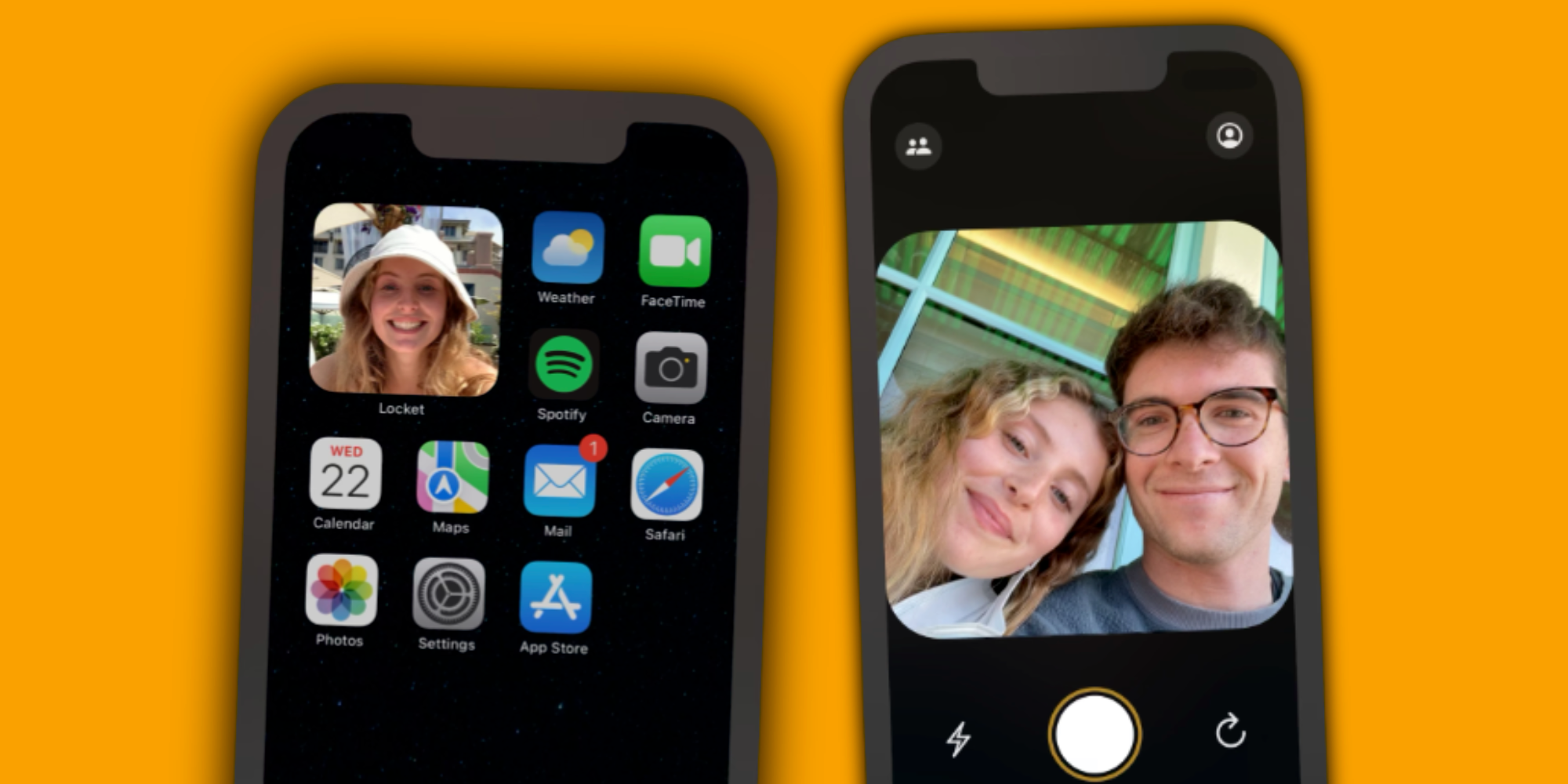
Unlike Instagram or Snapchat, which are designed for broad broadcasting and public consumption, Locket is built for intimacy. The app functions as a home screen widget, transforming your phone’s interface into a dynamic window into your friends’ daily lives.
The Home Screen Widget Experience
The primary utility of Locket lies in its integration with the iOS and Android home screen widgets. When a friend sends a photo through the app, it appears instantly as a live update on your phone’s home screen. There is no need to open the app, scroll through a news feed, or wait for notifications; the image is physically present on your device, serving as a constant, evolving wallpaper of your friends’ experiences.
This design choice reduces the “friction” of social interaction. By placing images directly on the home screen, Locket removes the habit of mindless scrolling. Instead, it turns a passive device into an active conduit for private, one-to-one or small-group communication.
How It Differs from Traditional Social Media
The fundamental philosophy of Locket is the antithesis of the “Attention Economy.” Traditional platforms rely on infinite scrolls, advertisements, and vanity metrics like public “likes” and follower counts to keep users engaged. Locket deliberately omits these features. There are no public profiles, no follower counts, and no algorithmic feeds. It is a closed loop of communication, restricted to the people you choose to invite. This creates a “digital living room” rather than a “digital town square,” effectively shielding users from the social anxiety often associated with broadcasting content to a wide audience.
The Design Philosophy of Intimacy
Locket’s surge in popularity can be attributed to its minimalist design, which prioritizes spontaneity over aesthetic perfection. In a world where photography has become an exercise in personal branding, Locket forces a return to the “snapshot.”
Encouraging Raw and Unfiltered Content
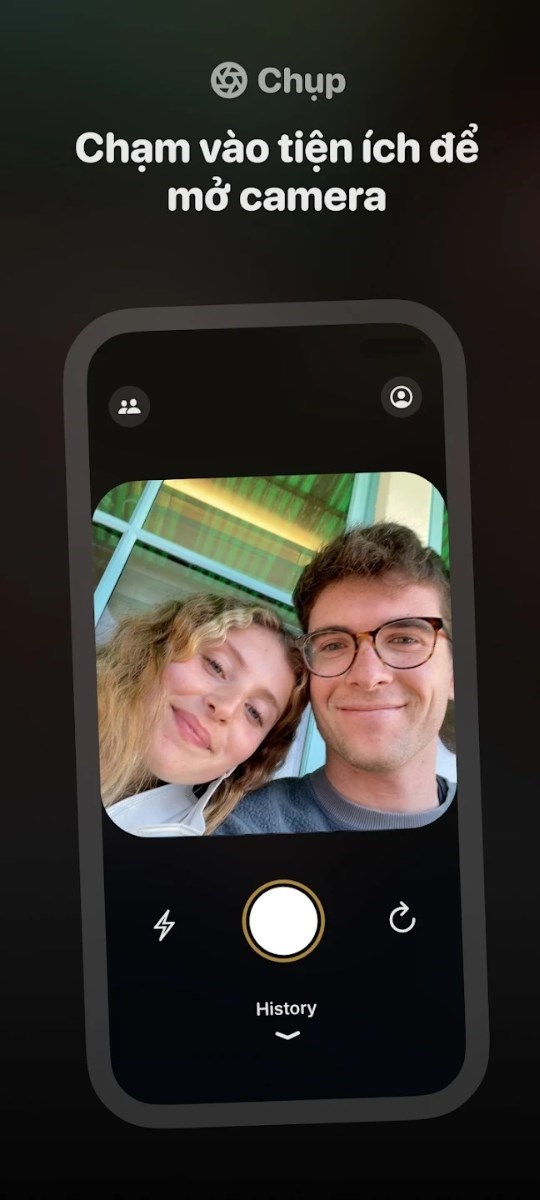
Because Locket photos are meant to be fleeting glimpses into your current environment, the app encourages a “no-filter” culture. Users are discouraged from uploading images from their library; instead, the app prompts the camera to take a photo in real-time. This ensures that the content being shared is authentic to the moment. Whether it is a messy desk, a quick lunch, or a funny face, the lack of editing tools creates a level of vulnerability that is rarely seen on major social networks.
The Psychology of Private Sharing
Psychologically, private sharing satisfies a human need for belonging without the performance art of public social media. By limiting the circle to a small group—typically close friends, partners, or family—Locket creates a sense of shared reality. When you receive a photo on your home screen, it feels like a personalized message rather than a broadcast. This fosters a sense of “digital proximity,” helping maintain social bonds even when users are geographically distant.
The Growth and Viral Nature of Locket
Locket is a prime example of successful “product-led growth” in the mobile app space. Its adoption strategy relies heavily on the network effect and the inherent desire for private digital spaces.
Network Effects and User Acquisition
The app’s utility is tied directly to the number of friends you have on the platform. If you use Locket alone, it is a hollow experience; it becomes valuable only when your inner circle joins. This encourages users to invite their friends, creating an organic, viral loop. Because the app addresses a specific pain point—the feeling of social exhaustion caused by massive, public platforms—it spreads quickly through existing social circles as a way to “opt-out” of the noise while staying connected.
Building a Niche Utility
Locket has successfully marketed itself as an antidote to the “mainstream” social media experience. By branding itself as an app for “your best friends,” it creates a sense of exclusivity that appeals to younger demographics, particularly Gen Z. This demographic is increasingly moving away from the public eye and toward “digital campfires”—private groups on Discord, Telegram, or specialized apps where they can be their authentic selves without the judgment of acquaintances or the pressure of building a brand.
Potential Challenges and Future Development
While Locket has found a strong foothold, the app faces ongoing challenges regarding retention and the limitations of its own simplicity.
Scaling Without Losing the Vibe
The primary challenge for Locket is maintaining its intimacy as it scales. As a platform grows, there is an inherent risk of “feature creep.” If the developers add too many bells and whistles—such as complex photo editing, messaging capabilities, or public discoverability—they risk diluting the core value proposition that made the app successful in the first place. The challenge lies in introducing enough features to keep the app fresh without compromising the minimalist, widget-centric experience that users currently value.
The Competition for Home Screen Space
Locket is not the only app vying for the most valuable piece of real estate on a mobile device: the home screen. As widget-based applications become more popular, users are forced to choose which apps deserve a spot on their front page. To stay relevant, Locket must continue to provide high-frequency, high-value interaction. If the content becomes repetitive or if the network of users stays stagnant, the app runs the risk of being relegated to a secondary page or deleted entirely to make room for more functional utilities.
Future Iterations
Looking ahead, the development roadmap for Locket will likely focus on enhancing the “shared experience” aspect of the app. This could include shared albums, collaborative widgets, or interactive elements that go beyond the static image. However, the developers must balance this with the user’s desire for simplicity. The goal is to evolve the app into a staple of digital communication—a modern-day equivalent of a digital picture frame that updates in real-time—without turning it into just another messaging app.
Conclusion: A New Standard for Social Interaction
Locket.camera is more than just a photo-sharing app; it is a commentary on the current state of social media. It serves as a reminder that the most compelling technology is often that which solves human problems rather than creating new ones. By leaning into the widget architecture and prioritizing private, high-trust connections, Locket has successfully created a sustainable model for social interaction.
As we continue to navigate the complexities of digital life, platforms like Locket offer a pathway back to what technology was originally intended to do: bring us closer to the people who matter most. Whether it succeeds in the long term or serves as the precursor to a larger shift in social networking design, Locket has undoubtedly changed the conversation around how we use our home screens, shifting them from static icons to live, breathing reflections of our closest relationships. For users seeking a reprieve from the performative nature of the internet, Locket provides a quiet, authentic, and undeniably human way to stay in touch.
aViewFromTheCave is a participant in the Amazon Services LLC Associates Program, an affiliate advertising program designed to provide a means for sites to earn advertising fees by advertising and linking to Amazon.com. Amazon, the Amazon logo, AmazonSupply, and the AmazonSupply logo are trademarks of Amazon.com, Inc. or its affiliates. As an Amazon Associate we earn affiliate commissions from qualifying purchases.