
The world of distilled spirits is often categorized by its technical classifications—whiskey, gin, vodka, and tequila dominate the conversation. However, tucked away in the vibrant, sugar-laden corners of the industry sits a category that behaves entirely differently from a business and investment perspective: liqueur. To understand what a liqueur is from a brand strategy and economic standpoint, one must look past the simple definition of a spirit with added flavor and sugar. Liqueurs represent one of the most high-margin, brand-loyal, and strategically complex segments of the global beverage alcohol market.

For entrepreneurs and brand managers, liqueurs are not just bottles on a back bar; they are masterclasses in product differentiation, target marketing, and consumer psychology.
The Economics of Liqueur Production and Market Positioning
At its core, a liqueur is a spirit that has been sweetened and flavored. By legal definition (in most jurisdictions), it must contain a minimum amount of sugar—usually around 2.5% by weight. While this sounds simplistic, this technical requirement is the gateway to a massive economic opportunity.
The Margin Advantage of Flavor Profiles
Unlike clear spirits like vodka, which often compete on the purity of distillation and price-per-liter, liqueurs offer a unique value proposition: the “experience of taste.” From a business finance perspective, the inclusion of flavorings (botanicals, fruits, creams, or spices) allows producers to justify significantly higher markups. The base spirit is often a neutral grain alcohol, which is inexpensive to produce. When a brand successfully builds a narrative around a proprietary flavor profile—such as an artisanal herbal liqueur or a specific regional fruit infusion—they transcend the commodity market.
By creating a product that is not easily replicated, a brand owner can insulate themselves from price wars. In the world of high-end spirits, the “secret recipe” is the ultimate moat. When a consumer becomes attached to a specific flavor profile that cannot be found elsewhere, price sensitivity decreases, allowing for healthier profit margins that support long-term brand equity.
Brand Differentiation through Consumption Rituals
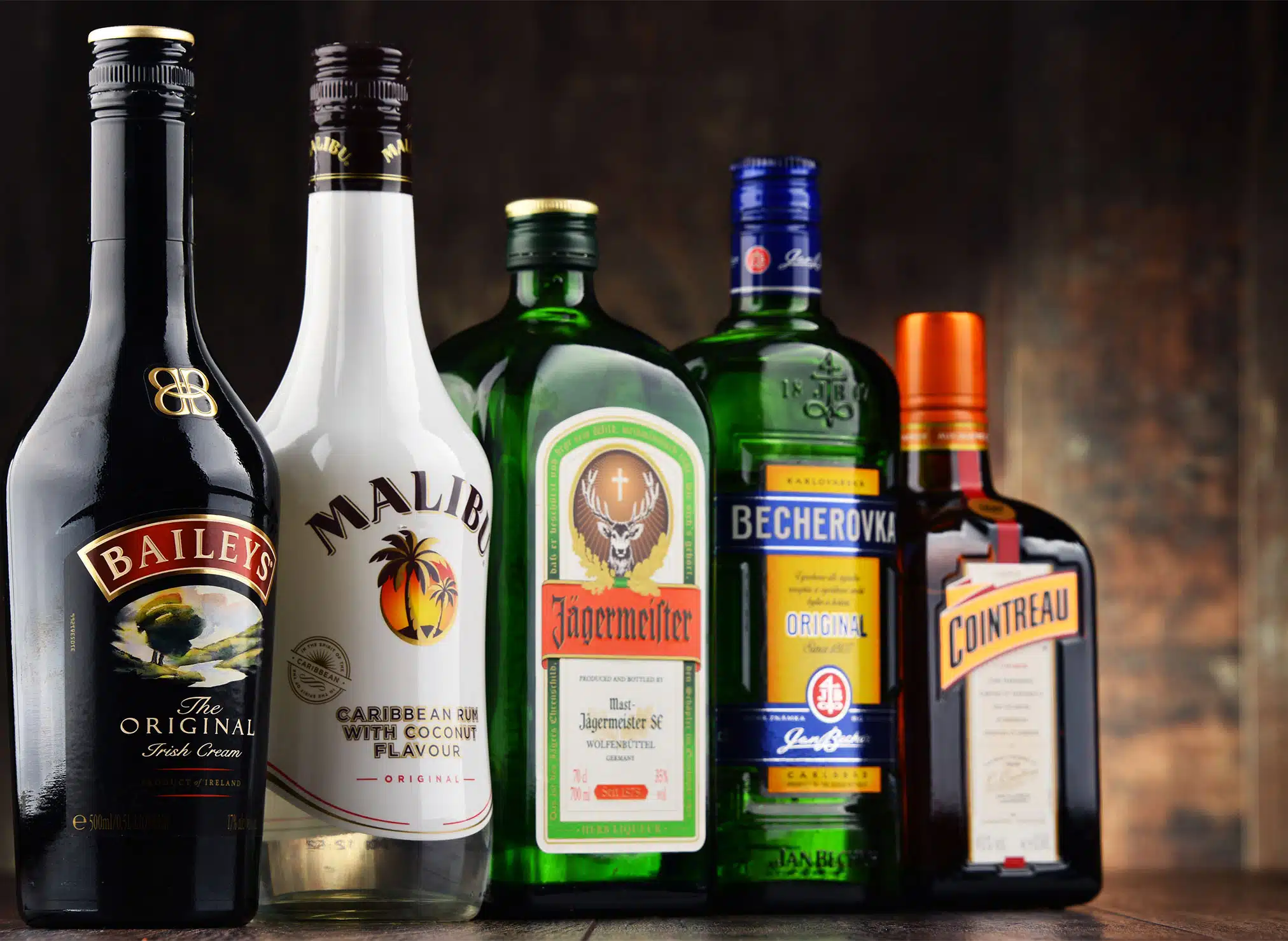
Liqueur branding is fundamentally tied to the “ritual” of consumption. Consider brands like Jägermeister or Kahlúa; their market dominance isn’t just about the flavor—it is about how they are consumed. Whether it’s an espresso martini or a chilled shot, the liqueur is positioned as an essential ingredient in a lifestyle. From a marketing strategy standpoint, successful liqueur brands focus heavily on “on-premise” presence—the bars and restaurants where consumers first experience the product. By embedding themselves into classic cocktail recipes, these brands secure a recurring revenue stream that is highly resistant to market fluctuations.
Strategy: Building a Liqueur Brand in a Crowded Market
Launching a new liqueur requires a nuanced approach to corporate identity. Because the market is already saturated with heritage brands, a new entrant must prioritize niche targeting over broad-market appeal.
Identifying the Niche
The modern consumer is increasingly interested in “craft” and “authenticity.” A brand attempting to launch a liqueur today cannot simply market “strawberry-flavored alcohol.” Instead, they must focus on the provenance of ingredients. Are the fruits locally sourced? Is the extraction process artisanal? Is the brand story rooted in a specific heritage?
Corporate identity in the liqueur space relies on the intersection of storytelling and sensory appeal. Marketing campaigns for successful liqueurs rarely focus on the alcohol content; instead, they focus on the “mood” or “occasion.” By positioning a product as a “lifestyle accessory”—something that elevates a home bar or adds a touch of sophistication to an evening—brands can achieve premium positioning, which is critical for long-term sustainability.
The Role of Design in Consumer Psychology
In the spirit category, the bottle is the primary salesperson. Because liqueurs are frequently used as digestifs or cocktail modifiers, the design must communicate its use case instantly. Is it a bold, neon-colored liqueur for the nightlife crowd? Or is it a vintage-style, botanical-heavy liqueur for the home mixologist?
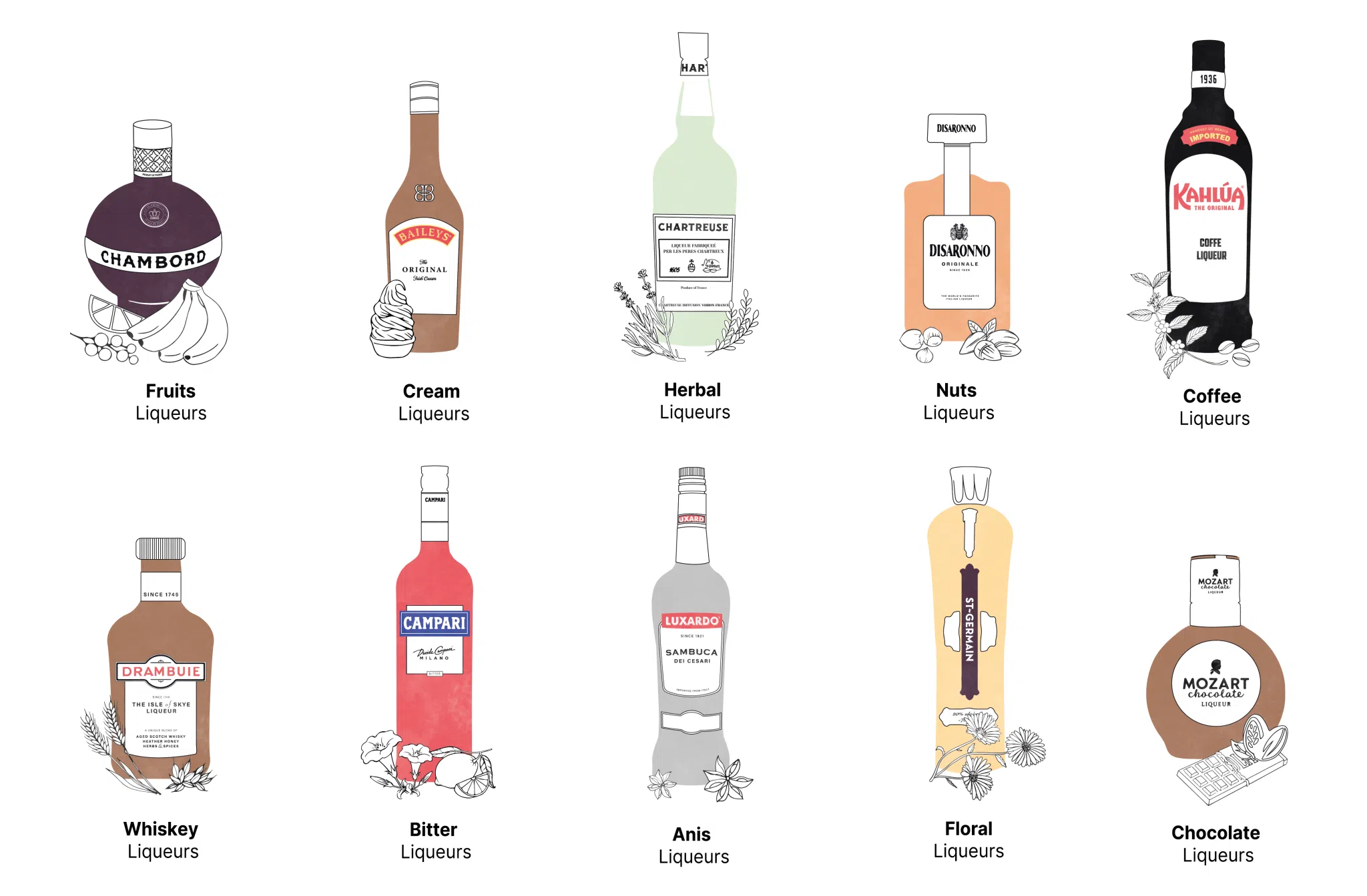
Design-driven branding is an investment in market share. When a customer stands in a liquor store aisle, they are often overwhelmed by choice. A distinct, tactile bottle design—one that suggests quality and heritage—can command a higher retail price point, increasing the overall valuation of the brand. This is a core tenant of luxury branding: perception often dictates value more than the cost of production.
The Financial Landscape of the Liqueur Industry
The liqueur market has seen consistent growth, fueled by the resurgence of cocktail culture. For investors and business owners, this creates a unique set of opportunities and challenges.
Inventory Management and Shelf Life
Unlike some spirits that are aged for decades—which ties up capital for long periods—liqueurs generally have a shorter time-to-market. This allows for faster inventory turnover, which is a major advantage for smaller businesses and startups. However, this also introduces specific supply chain challenges. Many liqueurs, particularly those made with natural ingredients like cream or fresh botanicals, have a shelf-life that must be managed.
For the business owner, this means that demand forecasting must be precise. Overproducing can lead to losses, while underproducing leads to missed opportunities. Financial tools for inventory management are essential here, as is a robust distribution strategy that prioritizes high-velocity accounts to ensure the product remains fresh.
Scaling and Strategic Partnerships
As a liqueur brand grows, the primary goal is often acquisition by a larger spirit conglomerate (the “Big Four”). Many of the world’s most recognizable liqueurs started as local family businesses before being scaled globally by major beverage corporations.
For an entrepreneur, building a liqueur brand is an exercise in creating a “synergistic asset.” You aren’t just building a company; you are building a distribution network, a loyal customer base, and a reputation. When looking to exit or scale, these intangible assets are what drive the valuation. A brand that has successfully integrated its product into the cocktail canon (making it a “standard” in the industry) holds far more market value than a brand that is merely a seasonal fad.
Future Trends: The Digital Evolution of Liqueur Marketing
The digital landscape is changing how liqueur brands interact with their customers. Gone are the days when a brand relied solely on billboards and print ads. Today, the strategy is digital, data-driven, and highly personal.
Direct-to-Consumer (DTC) and Content Marketing
While regulations often restrict the shipping of alcohol, digital marketing is still the most powerful tool for brand building. By creating high-quality content—such as educational tutorials on cocktail making or historical deep dives into specific herbal infusions—brands can cultivate a community. This is “Inbound Marketing” at its finest. By providing value to the home mixologist, the brand becomes a trusted authority.
When a consumer learns to make an “original” cocktail using your brand’s liqueur, they are significantly more likely to purchase that specific brand again. This reinforces brand loyalty, which is the most valuable currency in the liqueur industry.
Influencer Partnerships and Social Proof
In the modern market, the bartender has become an influencer. Liqueur brands that partner with top-tier mixologists to feature their products in high-visibility menus gain instant credibility. This “social proof” is invaluable. When a consumer sees a brand mentioned on a top-tier cocktail bar’s menu, it validates their decision to purchase that brand for their home collection.
Marketing strategies should focus on these micro-communities. By fostering genuine relationships with the people behind the bar, a liqueur brand can secure a steady foothold in the market that generic advertising simply cannot provide.
Ultimately, the liqueur industry is a fascinating case study in how a simple combination of spirit, sugar, and flavor can be elevated into a high-value, global business enterprise. It is a sector where creativity meets commerce, and where a well-told story, combined with a distinct flavor profile, can lead to immense brand loyalty and financial success. Whether you are an investor looking for a high-margin portfolio addition or an entrepreneur crafting your own unique spirit, the lesson remains the same: in the liqueur business, the product is merely the vessel for the brand experience.
aViewFromTheCave is a participant in the Amazon Services LLC Associates Program, an affiliate advertising program designed to provide a means for sites to earn advertising fees by advertising and linking to Amazon.com. Amazon, the Amazon logo, AmazonSupply, and the AmazonSupply logo are trademarks of Amazon.com, Inc. or its affiliates. As an Amazon Associate we earn affiliate commissions from qualifying purchases.